
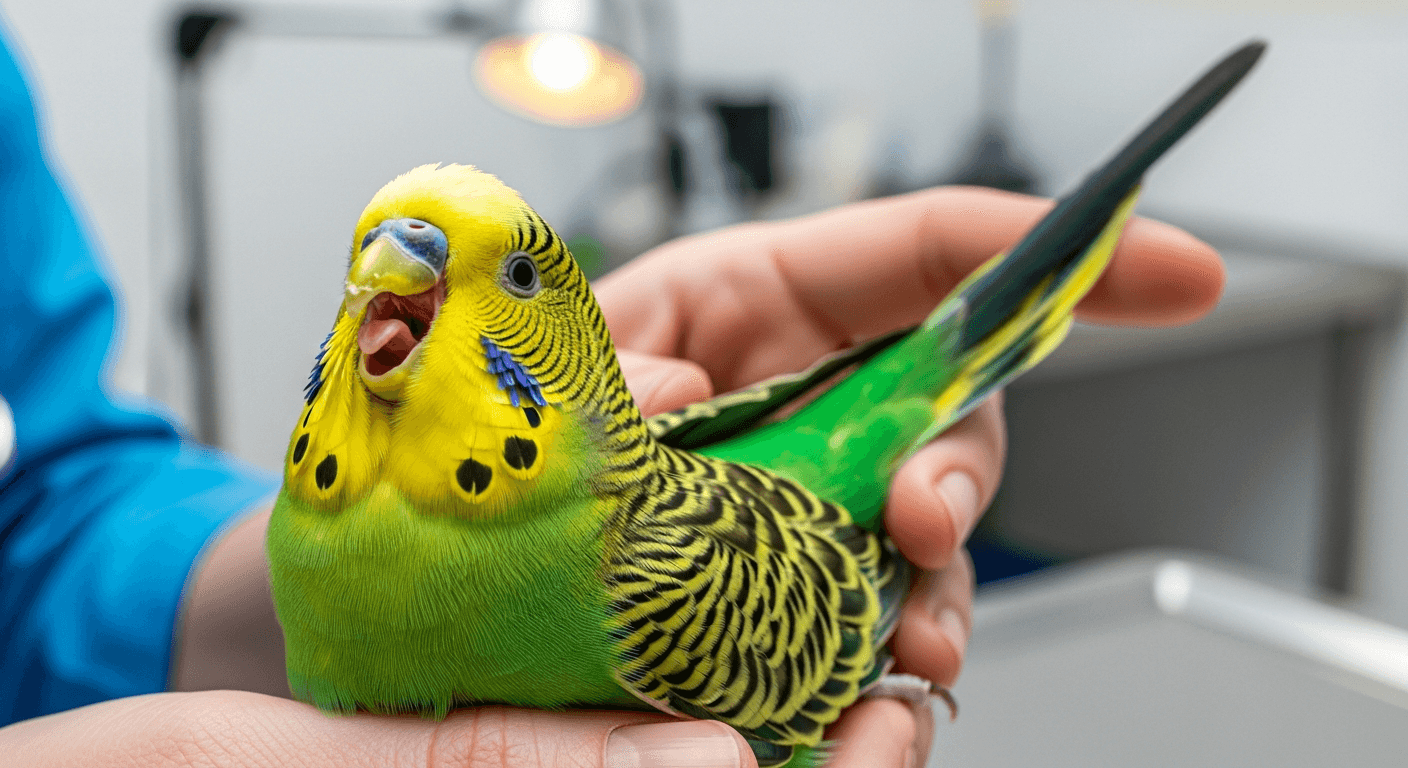
Recognizing Respiratory Distress in Birds
Birds hide illness extremely well, but respiratory distress is one of the conditions that eventually becomes visible. Key signs include tail bobbing (the tail moves up and down with each breath — this represents the bird using its entire body to breathe), open-mouth breathing or "click" sounds during breathing, voice changes (hoarseness or loss of voice), nasal discharge, head swinging (attempting to dislodge nasal discharge), and changes in breathing sounds when resting. Any of these signs in a bird is a same-day veterinary emergency.
Common causes include bacterial pneumonia, Aspergillosis (fungal infection of the respiratory tract — common in birds from damp or moldy environments), Chlamydiosis (Psittacosis — also transmissible to humans), viral infections, air sac mites (especially in finches and canaries), and airway foreign bodies.
First 3 Steps to Take at Home
- Keep the bird warm and minimize stress: Stress dramatically increases oxygen demand. Keep the bird in a warm, quiet, familiar environment while preparing to transport it. Cover most of the cage with a light cloth to reduce visual stimulation.
- Remove potential irritants: Non-stick cookware fumes (PTFE/Teflon), scented candles, air fresheners, cleaning products, and cigarette smoke are all toxic to bird respiratory systems. Ensure none of these are present near the bird.
- Transport immediately to an avian vet: Do not wait. Respiratory distress in a bird can progress to death within hours. Call ahead to the clinic so they can prepare oxygen therapy if needed.
When to Go to the Vet Immediately
- Any tail bobbing at rest
- Open-mouth breathing
- Audible breathing sounds (clicking, wheezing)
- Bird sitting on cage floor (severely ill)
- Sudden change in voice or complete voice loss
Follow-Up Care Checklist
- Permanently remove all PTFE/Teflon non-stick cookware from bird households — even heating an empty pan briefly releases fumes that kill birds within minutes
- For Aspergillosis: long-term antifungal treatment (weeks to months); address underlying mold or humidity issues in the environment
- For Chlamydiosis (Psittacosis): notify your doctor — this disease is transmissible to humans
Track Breathing with TailRounds
Log resting respiratory rate and any observed breathing abnormalities daily in the TailRounds Daily Log. For birds on long-term respiratory treatment, this record is essential.
Book a Vet Appointment
Respiratory symptoms in a bird are always an emergency. Contact Happy Paws immediately — our avian team can provide oxygen support and emergency diagnostics.
Summary for Your Clinic Visit
Tell your vet the species, age, how long respiratory symptoms have been present, what other symptoms are visible, and any possible environmental exposures (Teflon fumes, candles, cleaning products, new household items).
Continue Reading
 🦜 Bird & Parrot Health
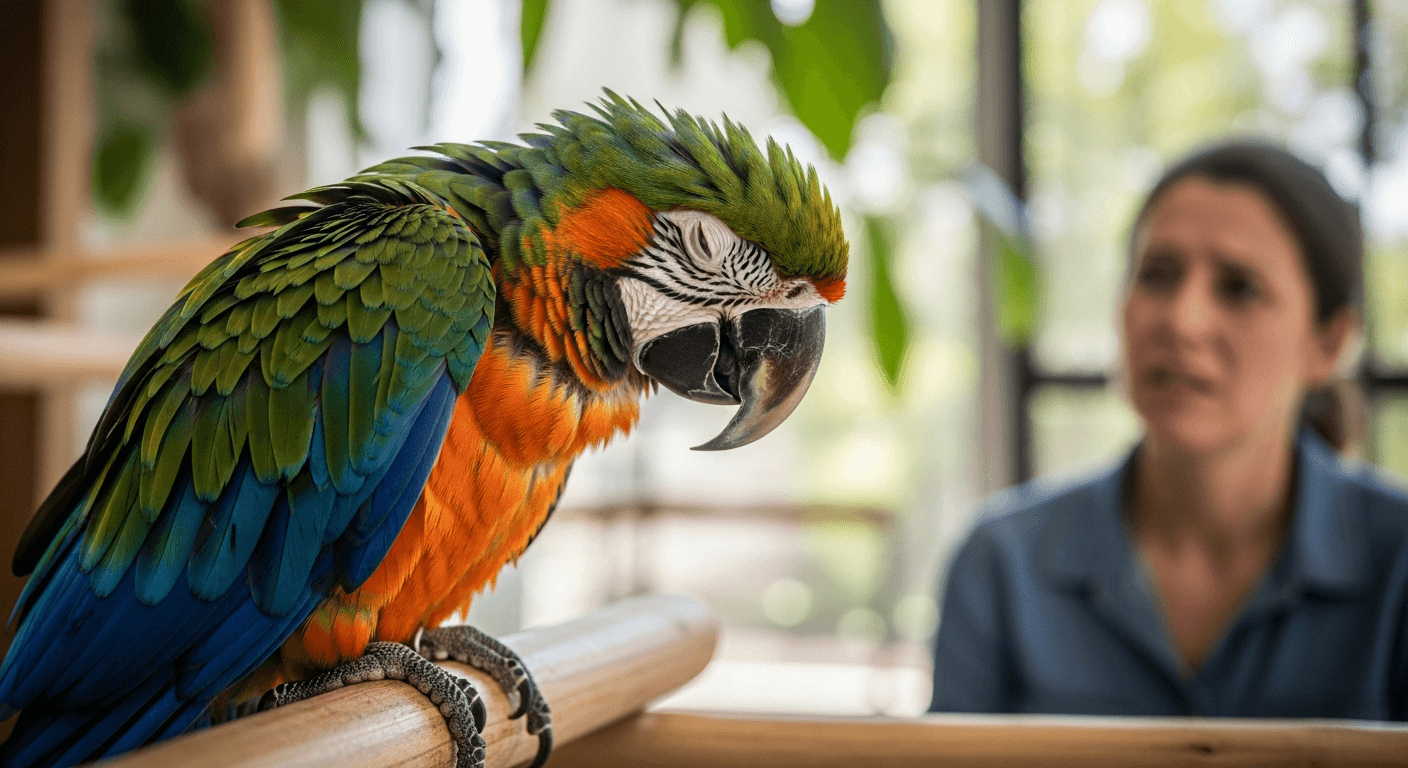
Bird Not Eating: Why It's Always Urgent
Birds hide illness until they cannot compensate. A bird not eating for even one day needs same-day veterinary care. Learn why and what to look for.
 🦜 Bird & Parrot Health
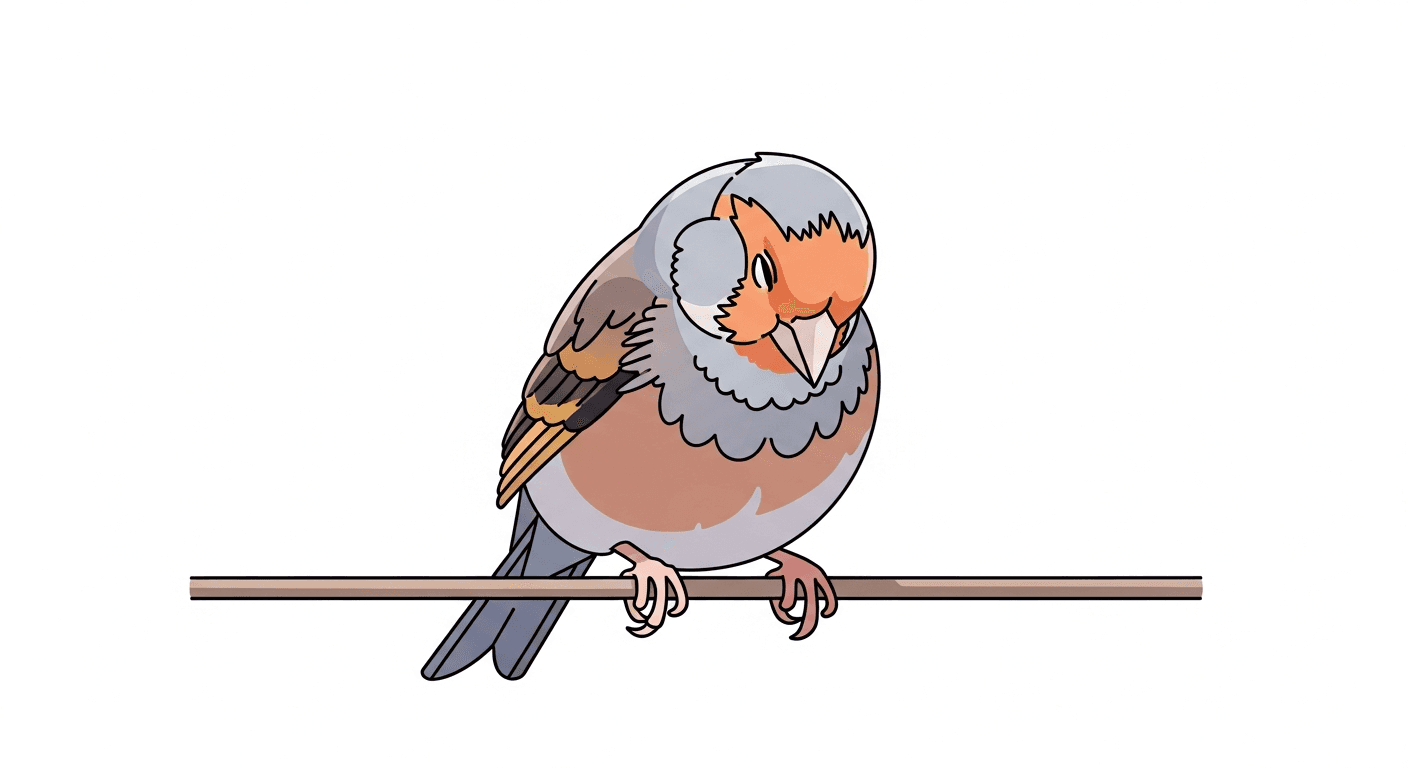
Lethargic Bird: Always Take It Seriously
A bird that appears lethargic — fluffed, quiet, eyes closing — is seriously unwell. Learn why lethargy is always urgent in birds and what to do immediately.
 🦜 Bird & Parrot Health
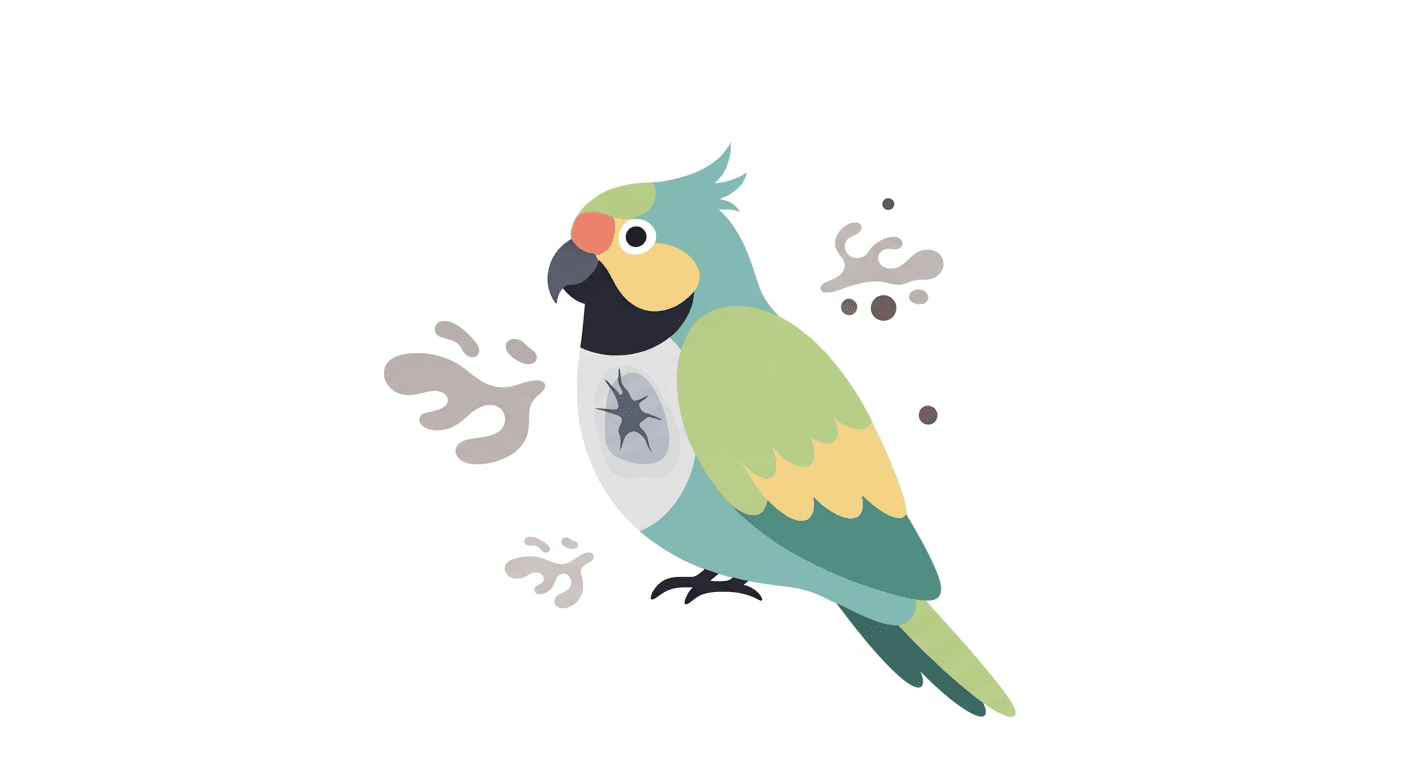
Aspergillosis in Birds: A Silent but Deadly Fungal Disease
Aspergillosis is a fungal respiratory disease that develops silently in birds. Learn the risk factors, symptoms, and why early detection matters.
 🦜 Bird & Parrot Health
Daily Bird Care Routine: Essential Health Monitoring for Pet Birds
A consistent daily care routine is the most powerful disease prevention tool available to bird owners. Learn what to observe every day.