
What Is Psittacosis?
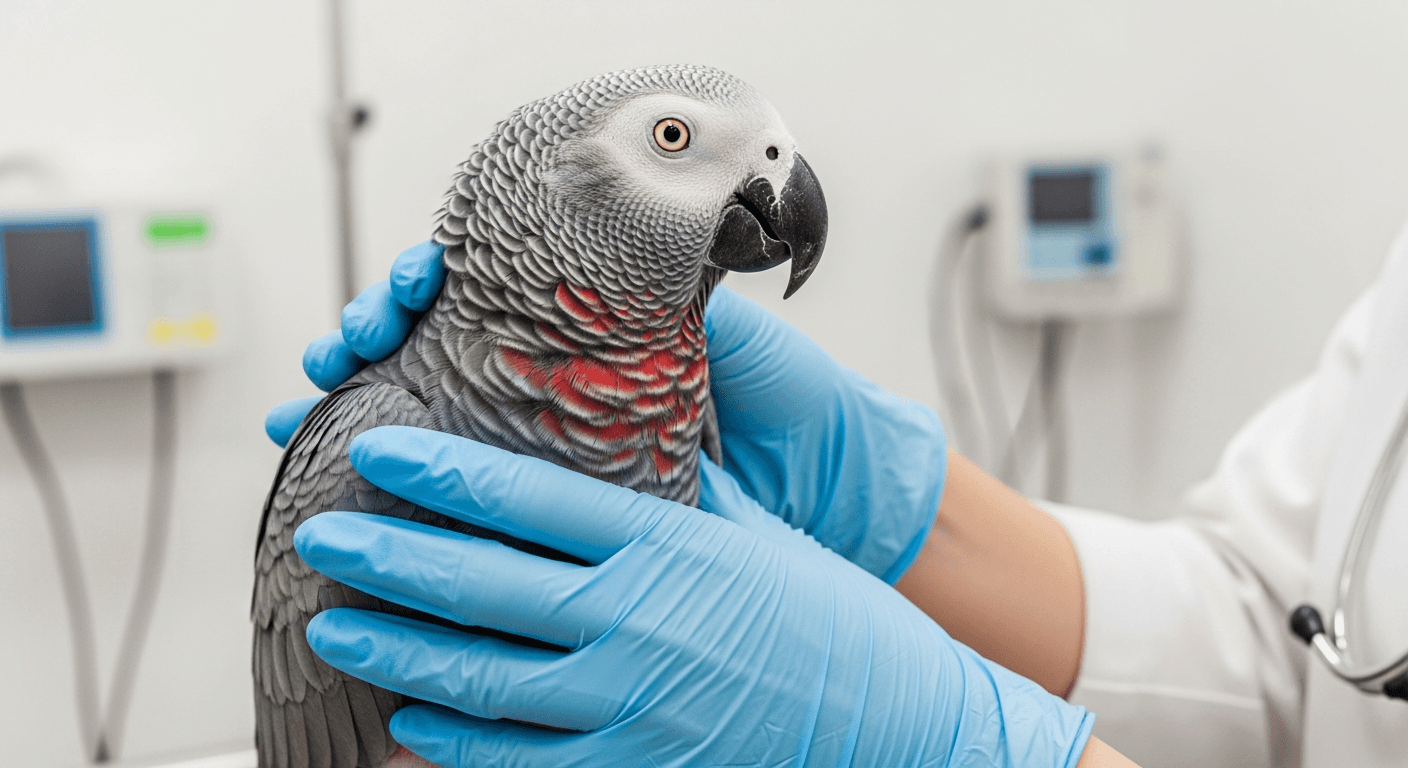
Psittacosis (Chlamydiosis) is an infection caused by Chlamydophila psittaci, an obligate intracellular bacterium. It affects many bird species, particularly parrots (psittacines), doves, and pigeons. The bacteria are shed in respiratory secretions and droppings and can be inhaled by birds and humans. In humans, it causes an atypical pneumonia-like illness. Birds can carry the organism without showing obvious illness, then shed it during stress. Psittacosis is a notifiable disease in many countries and requires reporting to public health authorities.
Signs in Birds
- Respiratory signs: nasal discharge, tail bobbing, abnormal breathing sounds
- Green or yellow-green colored droppings (bile pigment in urine/urates)
- Lethargy and fluffed feathers
- Weight loss and reduced appetite
- Eye discharge or conjunctivitis
- Many birds show no symptoms (asymptomatic carriers)
First 3 Steps to Take at Home
- Practice strict hygiene immediately: If psittacosis is suspected, wear a mask when cleaning cages, wash hands thoroughly after any bird handling, and avoid cleaning cages in living areas. The organism spreads through dried droppings that become airborne dust.
- Isolate the bird from other birds: Psittacosis spreads readily between birds through respiratory secretions and droppings. Separate any potentially infected bird immediately.
- Notify household members: Anyone in the household who has had close contact with the bird and develops flu-like symptoms should mention their bird contact to their doctor. Psittacosis in humans is treatable with doxycycline but can be severe in older adults or immunocompromised individuals.
When to Go to the Vet Immediately
- Any respiratory symptoms in a bird alongside green droppings
- Newly acquired bird from a flock or group source (pet store, breeder) showing any illness signs
- Bird that has been in contact with a bird confirmed to have Psittacosis
Follow-Up Care Checklist
- Treatment is doxycycline, typically for 45 days — a long course is required to eliminate the organism
- All in-contact birds must be tested and treated
- Deep clean and disinfect the entire bird area with disinfectants effective against Chlamydia
- Notify your own doctor if you have respiratory symptoms after bird handling
Track Treatment Compliance with TailRounds
Log daily medication administration, droppings color, and respiratory symptoms in the TailRounds Daily Log. The 45-day treatment course requires strict adherence.
Book a Vet Appointment
Suspected Psittacosis requires specific PCR testing and treatment. Book at Happy Paws immediately for diagnostic workup and treatment initiation.
Summary for Your Clinic Visit
Tell your vet the bird's species, where it was acquired, whether it has been in contact with other birds, the dropping color, respiratory symptoms, and whether any household members have developed respiratory illness.
Continue Reading
 🦜 Bird & Parrot Health
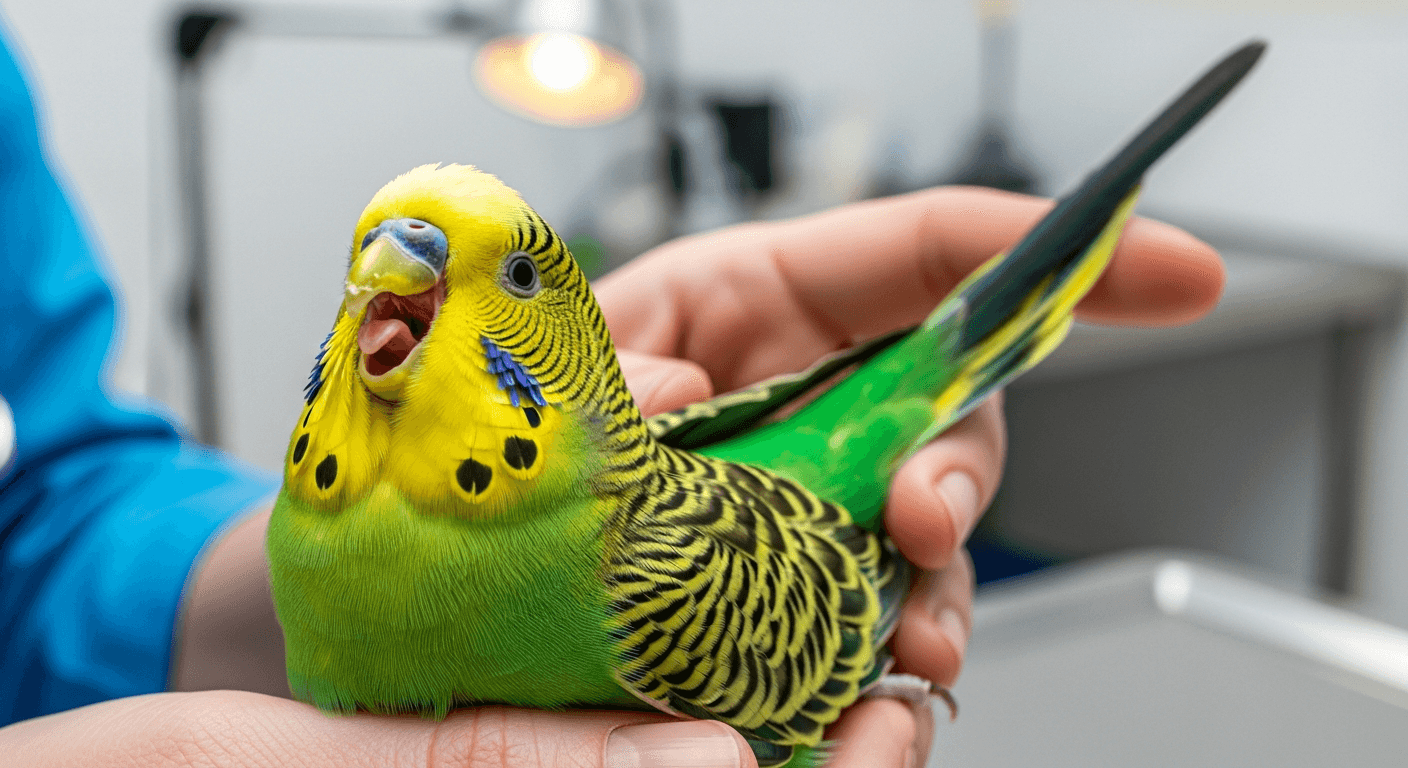
Bird Respiratory Problems: Tail Bobbing, Open-Mouth Breathing, and What to Do
Respiratory disease in birds progresses rapidly. Learn to recognize the signs of respiratory distress, the common causes, and why this is always urgent.
 🦜 Bird & Parrot Health
Bird Not Eating: Why It's Always Urgent
Birds hide illness until they cannot compensate. A bird not eating for even one day needs same-day veterinary care. Learn why and what to look for.
 🦜 Bird & Parrot Health
Lethargic Bird: Always Take It Seriously
A bird that appears lethargic — fluffed, quiet, eyes closing — is seriously unwell. Learn why lethargy is always urgent in birds and what to do immediately.
 🦜 Bird & Parrot Health
Daily Bird Care Routine: Essential Health Monitoring for Pet Birds
A consistent daily care routine is the most powerful disease prevention tool available to bird owners. Learn what to observe every day.