
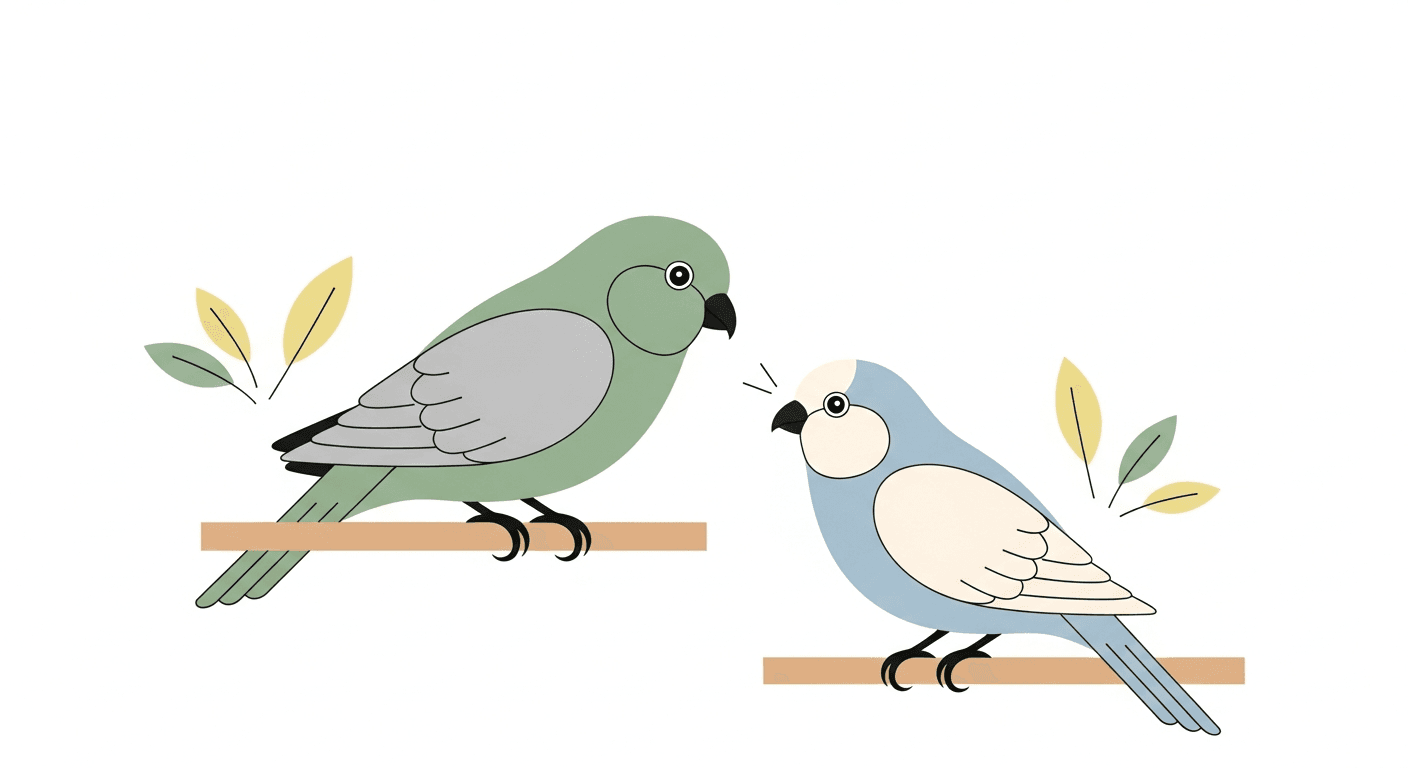
Why Quarantine Is Non-Negotiable for New Birds
Any new bird — regardless of source — must be quarantined from existing birds before introduction. Even birds that appear completely healthy can carry PBFD, Psittacosis, Aspergillosis, or other infectious diseases without showing symptoms. A single infected bird introduced to a healthy flock has caused significant disease losses. The minimum quarantine period is 30 days; 90 days is ideal and provides much better protection. During quarantine, the new bird should be housed in a completely separate room — airborne transmission means adjacent rooms are insufficient.
First 3 Steps When Acquiring a New Bird
- Set up the quarantine space before the bird arrives: A separate room with its own air supply (not shared with the main bird room), dedicated supplies (food containers, cleaning tools, separate towels), and appropriate temperature and enrichment. This room must not share air with your existing birds for the quarantine period.
- Book a full avian health exam within 48–72 hours of arrival: New bird testing should include PBFD PCR test, Chlamydia/Psittacosis PCR test, and blood chemistry. These tests screen for the most significant infectious disease risks before any household integration.
- Observe the new bird carefully throughout quarantine: Daily health monitoring — weight, dropping appearance, respiratory sounds, activity level — during the full quarantine period. Any signs of illness require immediate isolation and veterinary care.
When to Call the Vet During Quarantine
- Any respiratory symptoms during quarantine
- Weight loss during quarantine
- Abnormal droppings
- Positive test results on new bird screening
Follow-Up Integration Protocol
- After a clean quarantine period, introduce birds visually through cage bars before direct contact
- Neutral territory introduction (same rules as for cats or other territorial animals)
- Never force interaction — watch for aggressive behavior that could cause injury
Track Quarantine Health with TailRounds
Daily weight, dropping observations, and behavioral notes during the quarantine period should all be logged in the TailRounds Daily Log.
Book a Vet Appointment
New bird health screening within the first week is essential. Book at Happy Paws for a new bird workup including PBFD and Psittacosis testing.
Summary for Your Clinic Visit
Tell your vet where the bird was acquired, any health history provided by the breeder or store, the bird's species and age, and any symptoms observed during the quarantine period.
Continue Reading
 🦜 Bird & Parrot Health
Psittacine Beak and Feather Disease (PBFD): What Owners Must Know
PBFD is a fatal viral disease of parrots that destroys feathers and the immune system. Learn about transmission, diagnosis, and how to protect uninfected birds.
 🦜 Bird & Parrot Health
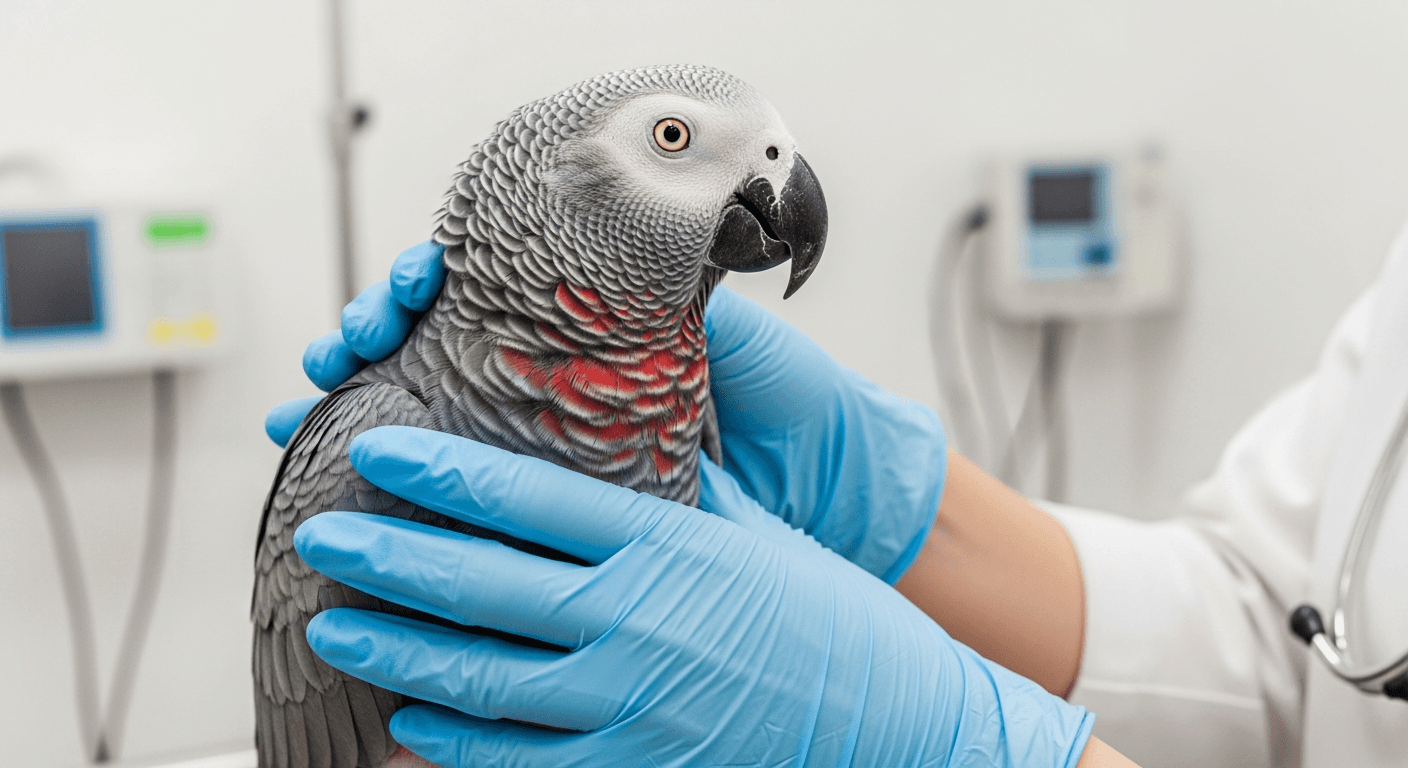
Psittacosis (Chlamydiosis) in Birds: Symptoms and Human Transmission Risk
Psittacosis is a bacterial infection that can spread from birds to humans. Learn the symptoms in birds, how diagnosis works, and how to protect yourself.
 🦜 Bird & Parrot Health
Daily Bird Care Routine: Essential Health Monitoring for Pet Birds
A consistent daily care routine is the most powerful disease prevention tool available to bird owners. Learn what to observe every day.
 🦜 Bird & Parrot Health
Bird Not Eating: Why It's Always Urgent
Birds hide illness until they cannot compensate. A bird not eating for even one day needs same-day veterinary care. Learn why and what to look for.