
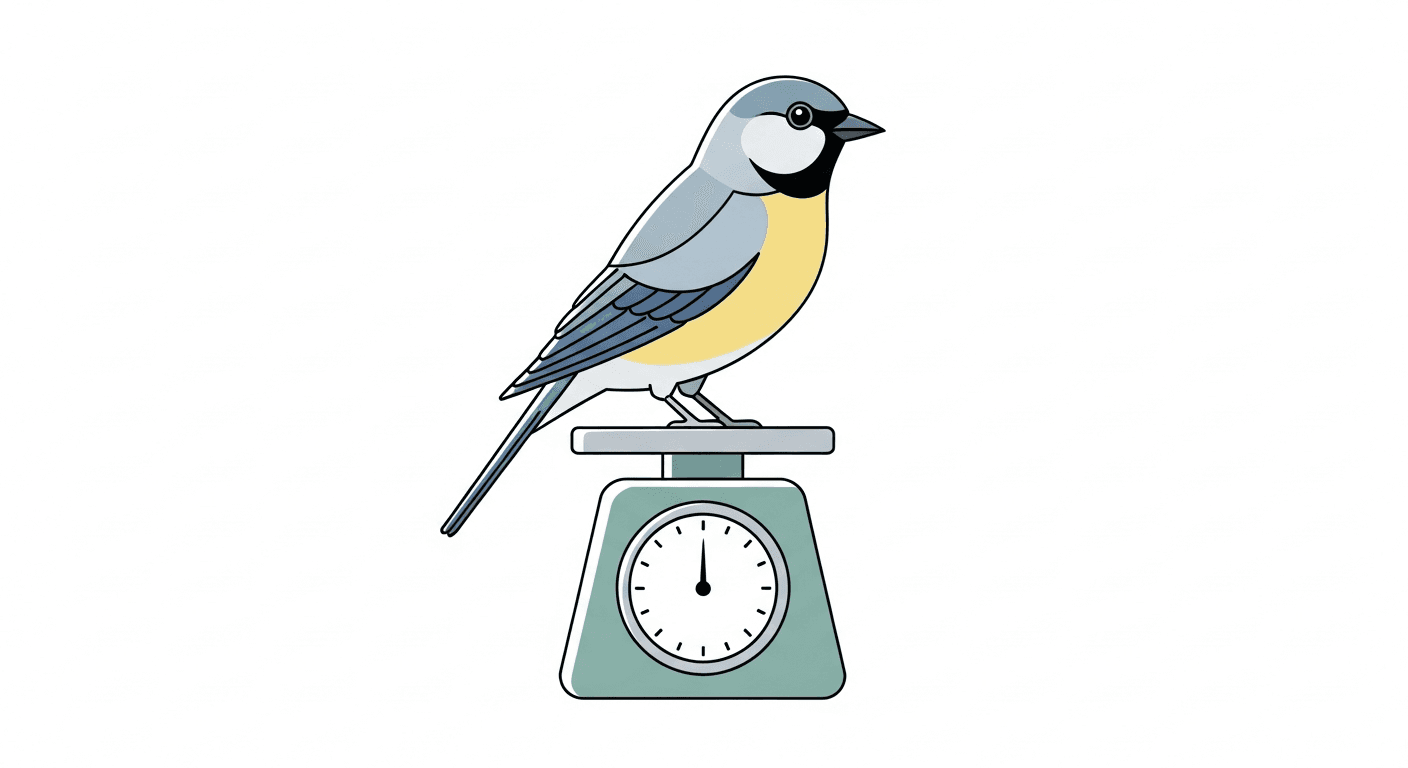
Why Weight Monitoring Is the Most Important Health Tool for Bird Owners
Birds conceal illness with remarkable effectiveness — a bird can be losing 10–15% of its body weight while still appearing active and eating. This is because sick birds force themselves to remain active to avoid appearing vulnerable. The keel bone (sternum) is the primary indicator of body condition — a prominent, sharp keel indicates significant muscle wasting — but by the time this is visible, the bird is already severely ill. A gram scale used daily removes this diagnostic blindspot and reveals decline days to weeks earlier than any other home observation.
First 3 Steps to Start Weight Monitoring
- Buy a kitchen scale accurate to 1 gram: Pet birds are measured in grams. A budgerigar should weigh 25–40 grams; a cockatiel 80–100 grams; an African Grey 400–600 grams; a macaw 900–1200 grams depending on species. Weigh at the same time each day (before the first meal) for consistency.
- Establish a 2-week baseline: Natural daily variation of 2–5% exists even in healthy birds (due to food in the crop). Establish a baseline by weighing daily for 2 weeks. Know your bird's normal range. Any loss of more than 10% from the established baseline is clinically significant.
- Act on downward trends, not single measurements: One lower weight may be normal variation. Three consecutive days of lower weight, or a persistent downward trend over a week, requires veterinary assessment regardless of whether any other symptoms are visible.
When to Go to the Vet Immediately
- 10% or greater loss from established baseline
- Any weight loss combined with visible illness signs
- Keel bone becoming prominent or sharp to the touch
Follow-Up Care Checklist
- Weigh daily — this is a lifetime commitment for responsible bird ownership
- Record all weights in a log — trends are more useful than individual measurements
- Bring your weight log to every vet visit
Track Weight Daily with TailRounds
Daily weight entry in the TailRounds Daily Log creates the trend data that makes early disease detection possible. This is the single most important daily task for bird owners.
Book a Vet Appointment
Any downward weight trend in a bird needs prompt evaluation. Book at Happy Paws with our avian team for same-week assessment.
Summary for Your Clinic Visit
Bring your weight log, tell your vet the bird's species, normal weight range, how long the loss has been occurring, and any other symptoms present.
Continue Reading
 🦜 Bird & Parrot Health
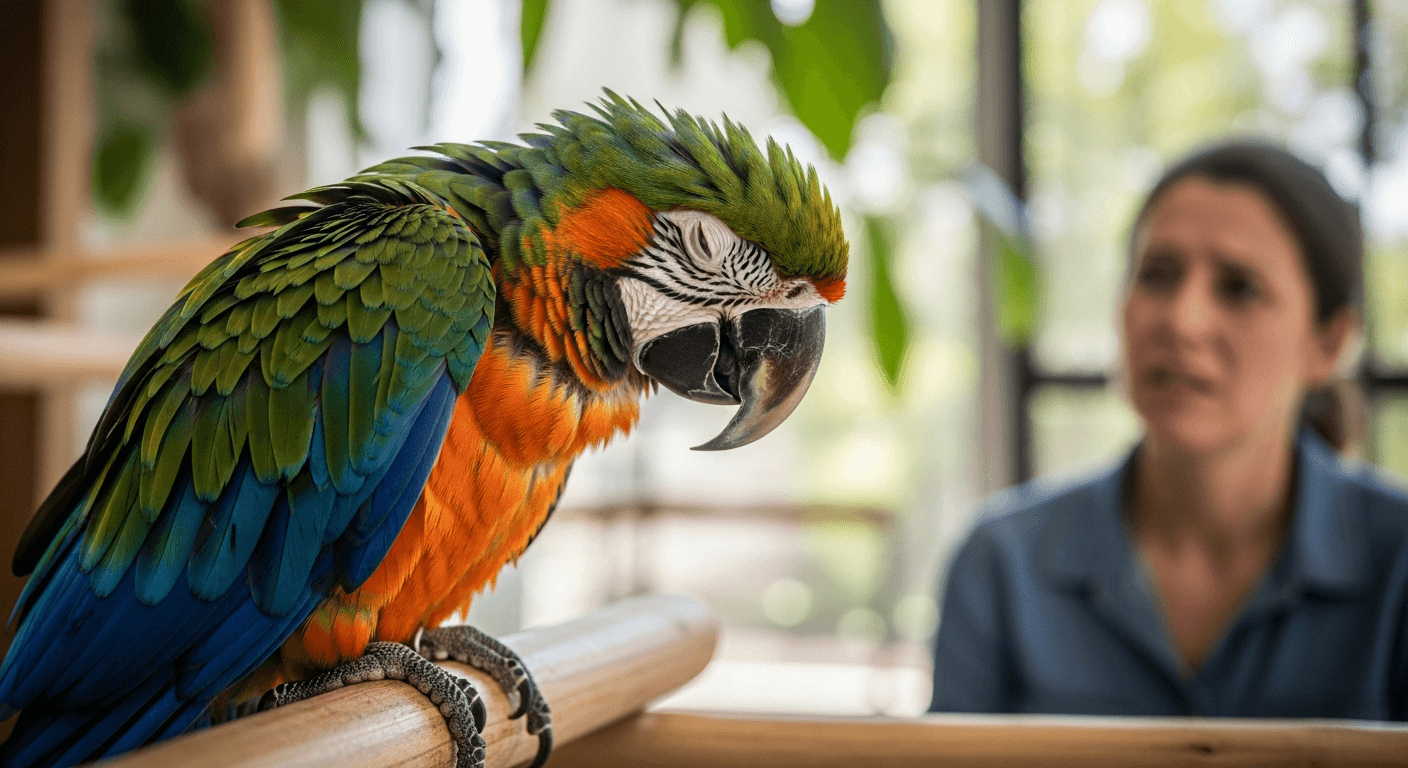
Bird Not Eating: Why It's Always Urgent
Birds hide illness until they cannot compensate. A bird not eating for even one day needs same-day veterinary care. Learn why and what to look for.
 🦜 Bird & Parrot Health
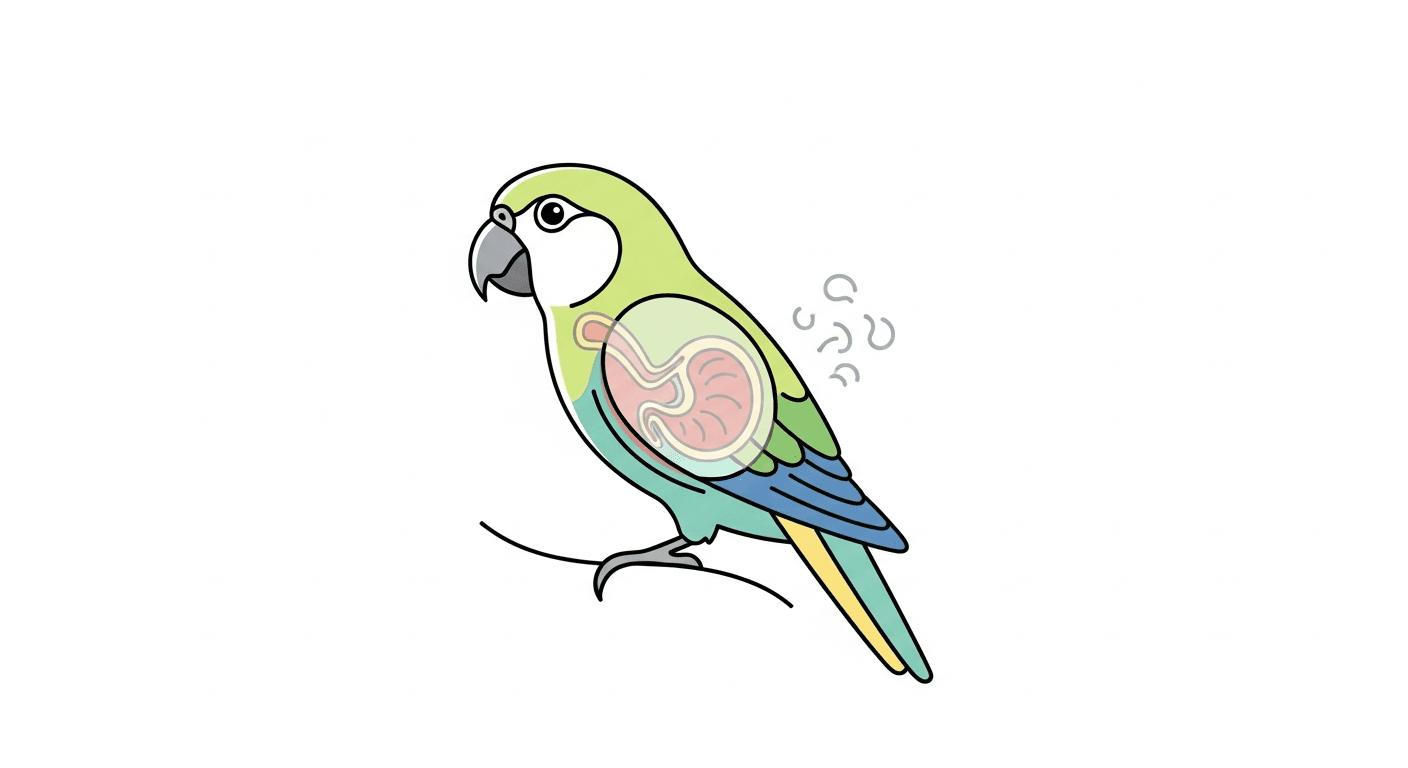
Proventricular Dilatation Disease (PDD) in Parrots
PDD is a fatal neurological and gastrointestinal disease caused by Avian Bornavirus. Learn the signs, how it's diagnosed, and current management approaches.
 🦜 Bird & Parrot Health
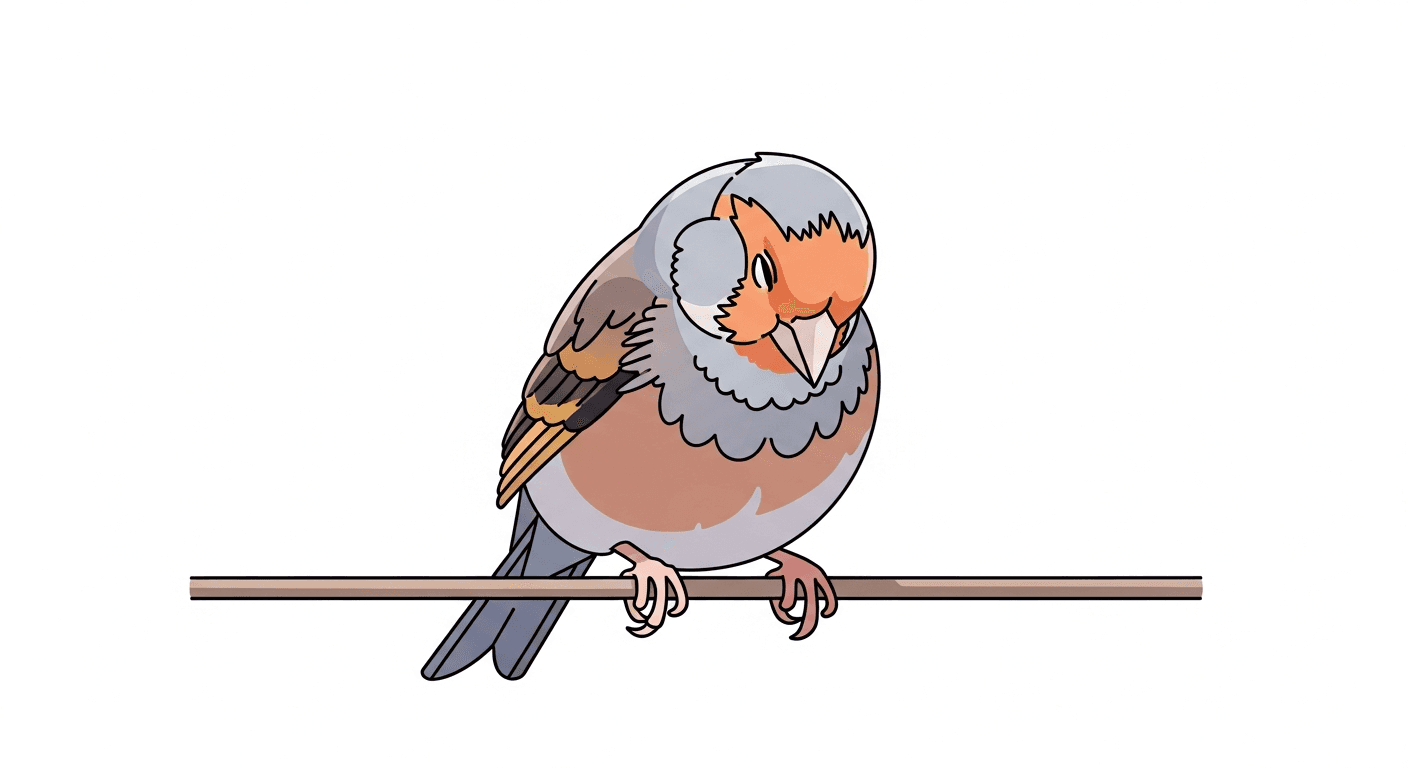
Lethargic Bird: Always Take It Seriously
A bird that appears lethargic — fluffed, quiet, eyes closing — is seriously unwell. Learn why lethargy is always urgent in birds and what to do immediately.
 🦜 Bird & Parrot Health
Daily Bird Care Routine: Essential Health Monitoring for Pet Birds
A consistent daily care routine is the most powerful disease prevention tool available to bird owners. Learn what to observe every day.