What Is Proventricular Dilatation Disease?
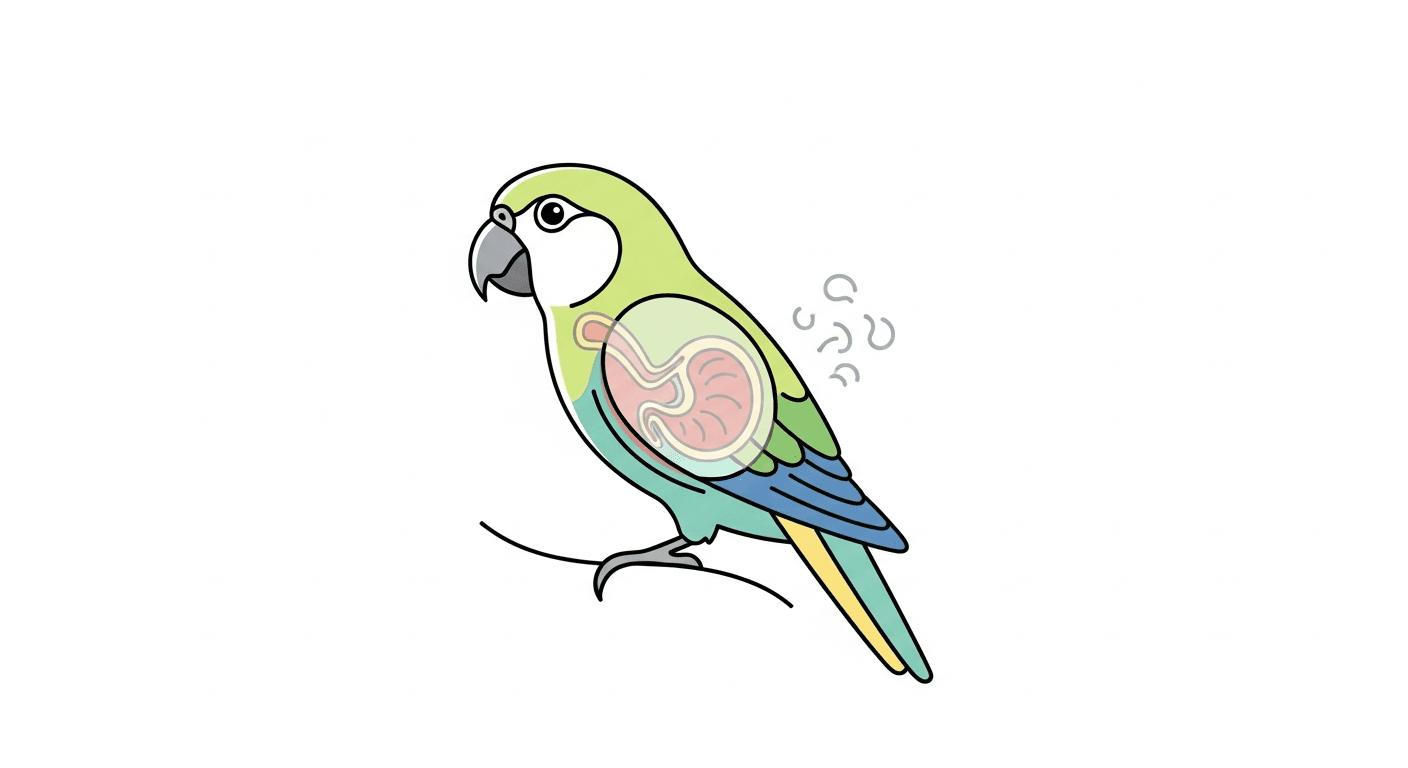
Proventricular Dilatation Disease (PDD), also called Macaw Wasting Syndrome or Avian Ganglioneuritis, is caused by Avian Bornavirus (ABV). The virus damages the nervous system that controls gut motility. The proventriculus (the glandular stomach in birds) and other gastrointestinal segments dilate and become dysfunctional. Affected birds cannot properly digest food — undigested seeds appear in the droppings. The disease also causes neurological signs in some birds. There is no cure, but management can significantly extend quality of life.
Signs of PDD
- Undigested seeds or whole food in droppings (despite appearing to eat normally)
- Progressive weight loss despite good appetite
- Crop distension with food that doesn't move (crop stasis)
- Vomiting or regurgitation of partly digested food
- Neurological signs: ataxia, seizures, abnormal head movements (in some birds)
- Regurgitation immediately after eating
First 3 Steps to Take at Home
- Check droppings for undigested food: The classic sign is whole or barely digested seed pieces in the dropping. In a healthy bird on seed, the seed coat is digested away. If you see whole seeds in the dropping of a bird that appears to be eating normally, this is highly significant.
- Weigh the bird regularly: PDD causes progressive weight loss that owners often attribute to age or stress. Weekly weights reveal the gradual decline that visual assessment misses until it's quite advanced.
- Contact an avian vet for testing: Diagnosis requires crop biopsy (most reliable), proventricular radiograph (characteristic dilatation), and ABV serology. The combination of tests is needed as no single test is 100% reliable.
When to Go to the Vet Immediately
- Bird with undigested food in droppings combined with weight loss
- Neurological symptoms (seizures, head tremors, inability to perch) in any bird
- Crop that remains full and doesn't empty over 24 hours
Follow-Up Care Checklist
- Transition to highly digestible foods: pellets ground fine, soft cooked foods, easily digestible vegetables
- Anti-inflammatory medication (celecoxib or meloxicam) is used to reduce neurological inflammation — this is not a cure but can slow progression
- Isolate from other birds — ABV can spread between birds
- Regular weight monitoring to track disease progression
Track PDD Progression with TailRounds
Weekly weights, dropping observations, and feeding behavior logs in the TailRounds Daily Log are essential for monitoring PDD birds.
Book a Vet Appointment
Suspected PDD requires specialized diagnostic testing. Book at Happy Paws with our avian-experienced exotic team for comprehensive evaluation.
Summary for Your Clinic Visit
Bring a fresh dropping sample, describe the dropping changes, tell your vet the weight history, the current diet, and any neurological symptoms observed.
Continue Reading
 🦜 Bird & Parrot Health
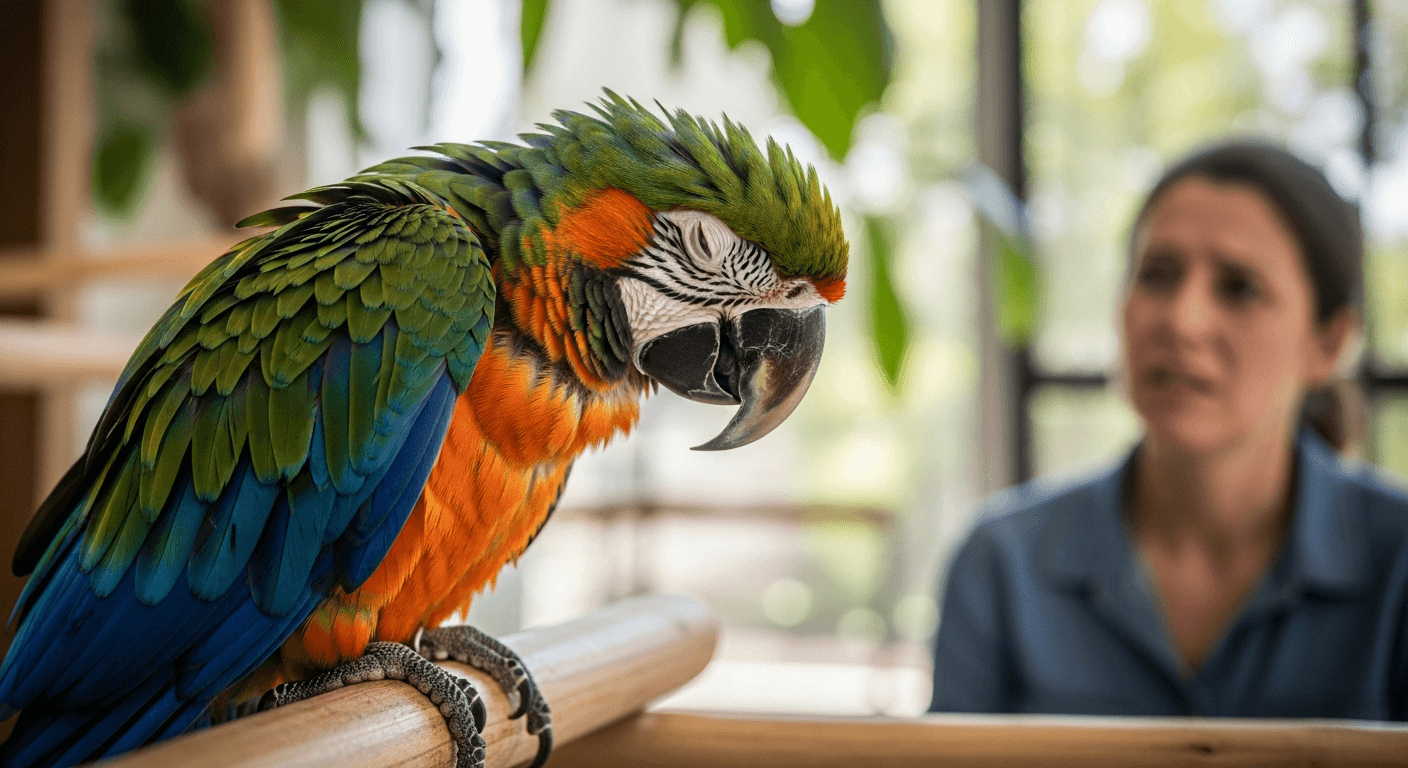
Bird Not Eating: Why It's Always Urgent
Birds hide illness until they cannot compensate. A bird not eating for even one day needs same-day veterinary care. Learn why and what to look for.
 🦜 Bird & Parrot Health
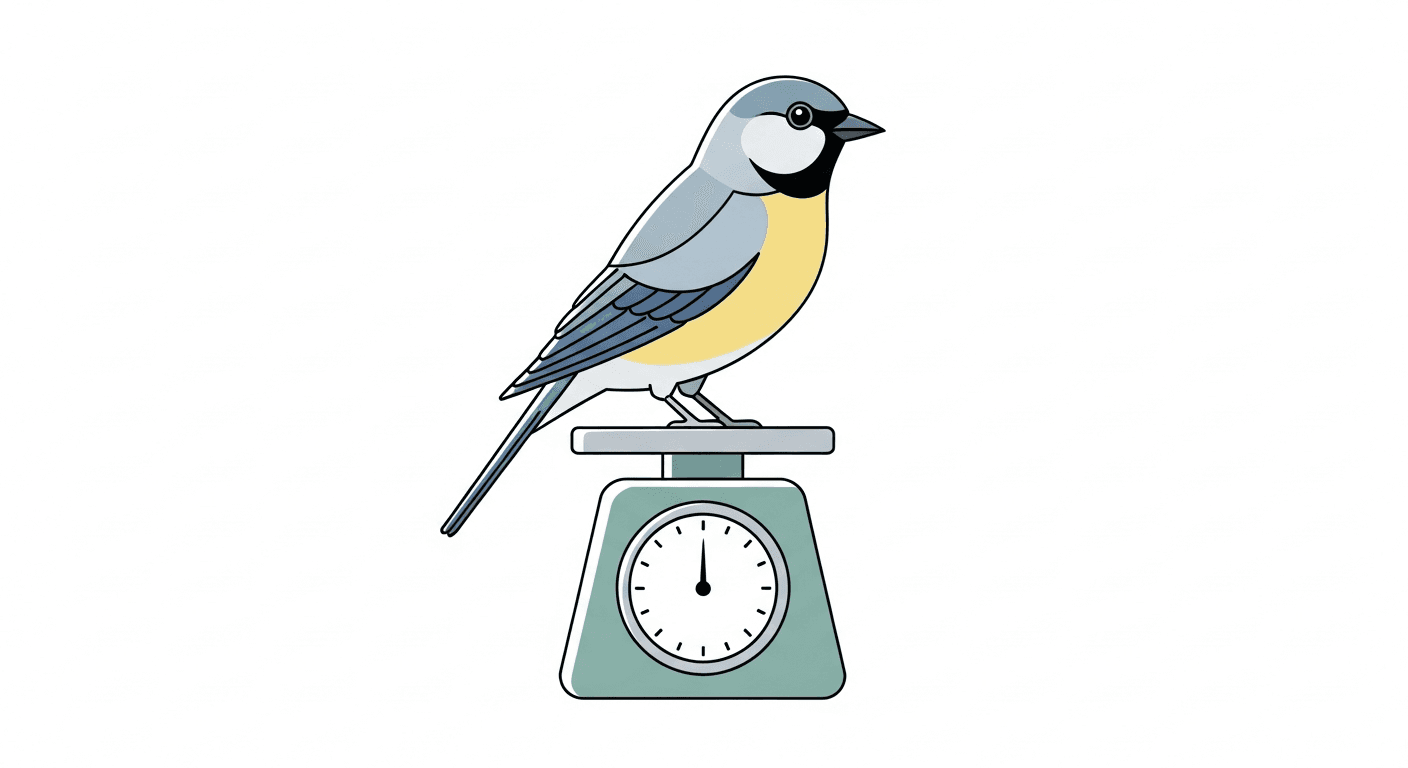
Bird Weight Loss: Why Regular Weighing Is Essential
Birds hide weight loss under their feathers until it's severe. Daily weighing on a gram scale is the most sensitive early disease detection tool for bird owners.
 🦜 Bird & Parrot Health
Lethargic Bird: Always Take It Seriously
A bird that appears lethargic — fluffed, quiet, eyes closing — is seriously unwell. Learn why lethargy is always urgent in birds and what to do immediately.
 🦜 Bird & Parrot Health
Daily Bird Care Routine: Essential Health Monitoring for Pet Birds
A consistent daily care routine is the most powerful disease prevention tool available to bird owners. Learn what to observe every day.