
Why Birds Must Never Miss a Day of Eating
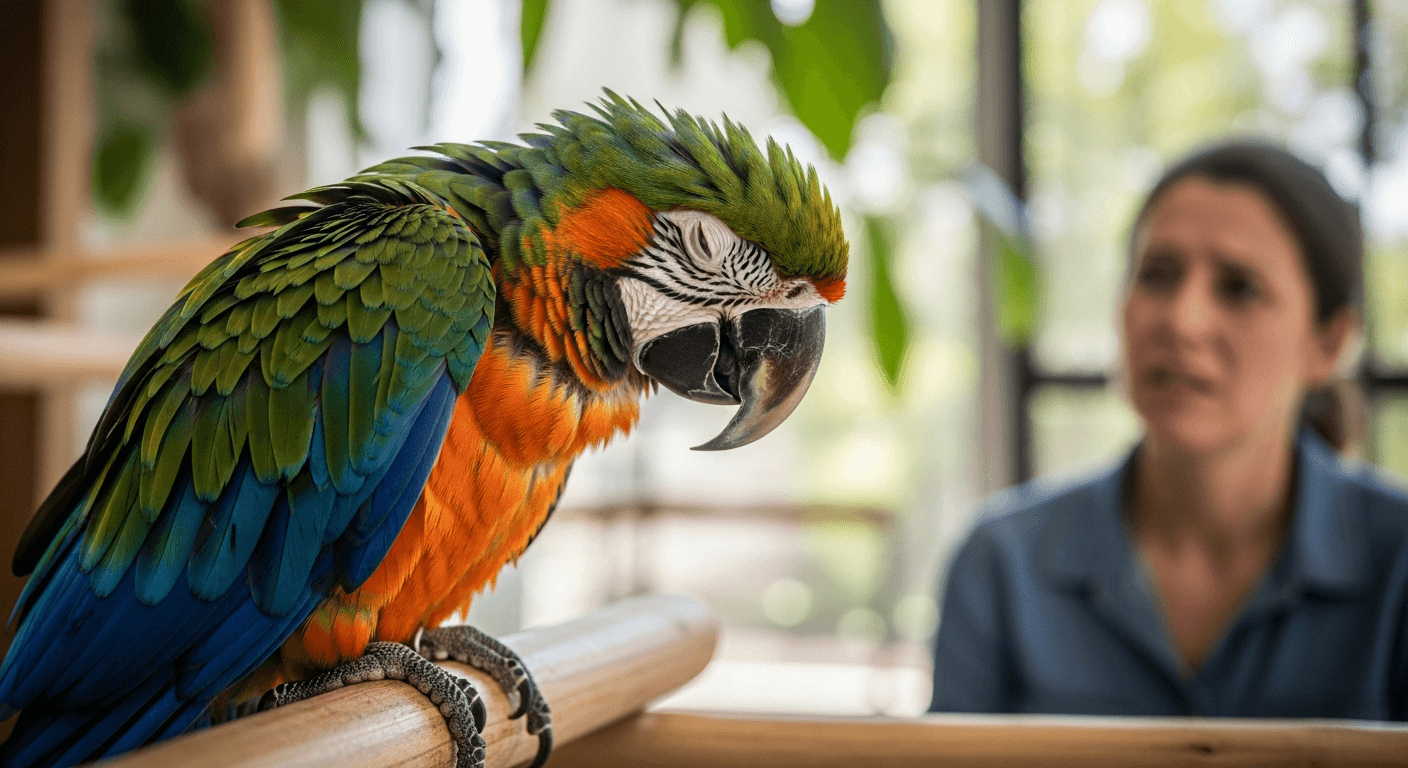
Birds have extremely high metabolic rates and almost no fat reserves to sustain them through illness. A bird that stops eating can develop hypoglycemia and severe debilitation within 24–48 hours. More critically, birds are prey animals with a powerful instinct to appear healthy — by the time a bird is visibly sick, it has typically been unwell for days or longer. A bird that is visibly not eating or looks unwell is already significantly compromised and needs emergency care, not observation.
Common causes include bacterial or viral infections, nutritional deficiencies (particularly common in seed-only diets), heavy metal toxicity, respiratory infection, fungal disease (Aspergillosis), hormonal conditions, and crop problems.
First 3 Steps to Take at Home
- Keep the bird warm immediately: Sick birds lose heat rapidly. Move the bird to a warm, draft-free area (28–32°C for small birds; 26–28°C for larger parrots). A hospital cage with a heat lamp on one side (allowing the bird to move away if too warm) is ideal. Warmth is one of the most important supportive care measures for a sick bird.
- Weigh the bird if possible: Birds lose weight extremely rapidly when ill. If you have a gram scale, weigh the bird and note the result. Any bird that has lost more than 10% of its body weight is in critical condition.
- Contact an avian vet immediately: Unlike most other species, a bird not eating for one day is a same-day emergency. Do not take a wait-and-see approach. Call your avian or exotic vet now.
When to Go to the Vet Immediately
- Not eating for any period combined with visible illness signs (fluffed feathers, eyes closed, tail bobbing)
- Any bird sitting on the cage floor (a severely sick bird sign — healthy birds roost up high)
- Obvious weight loss visible to the eye (keel bone highly prominent)
- Any open-mouth breathing, tail bobbing, or breathing with effort
Follow-Up Care Checklist
- Follow prescribed medication schedule precisely — most avian medications require exact timing
- Provide supportive warmth throughout the recovery period
- Offer favored foods to stimulate appetite, but don't rely on this as a substitute for veterinary care
- Monitor weight daily during recovery using a gram scale
Track Eating with TailRounds
Daily weight and food intake tracking in the TailRounds Daily Log creates the record your avian vet needs to assess severity and treatment response.
Book a Vet Appointment
A bird not eating is always an emergency. Book at Happy Paws immediately with our exotic animal team trained in avian medicine.
Summary for Your Clinic Visit
Tell your vet when the bird last ate, what other symptoms are present, the current diet, any possible toxin exposures in the home, and the bird's species and age.
Continue Reading
 🦜 Bird & Parrot Health
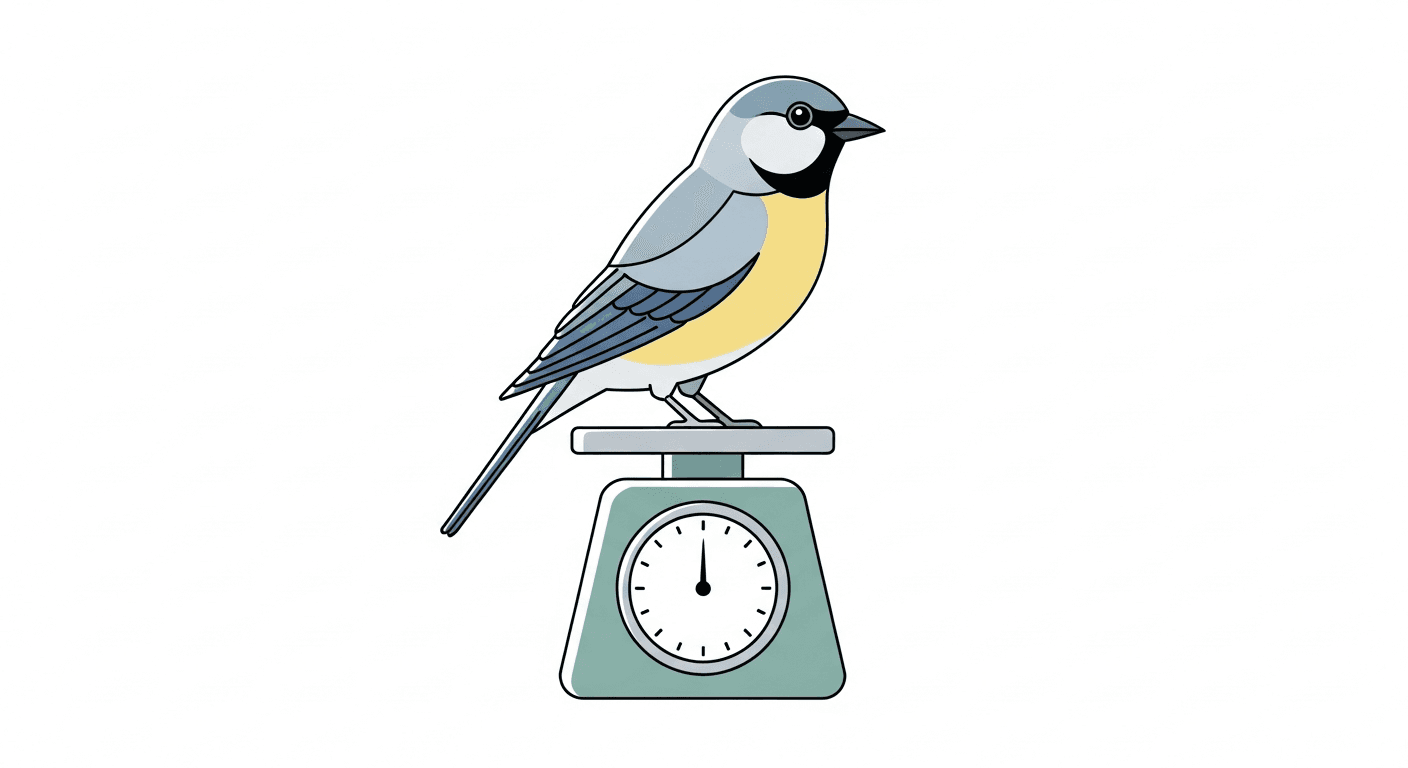
Bird Weight Loss: Why Regular Weighing Is Essential
Birds hide weight loss under their feathers until it's severe. Daily weighing on a gram scale is the most sensitive early disease detection tool for bird owners.
 🦜 Bird & Parrot Health
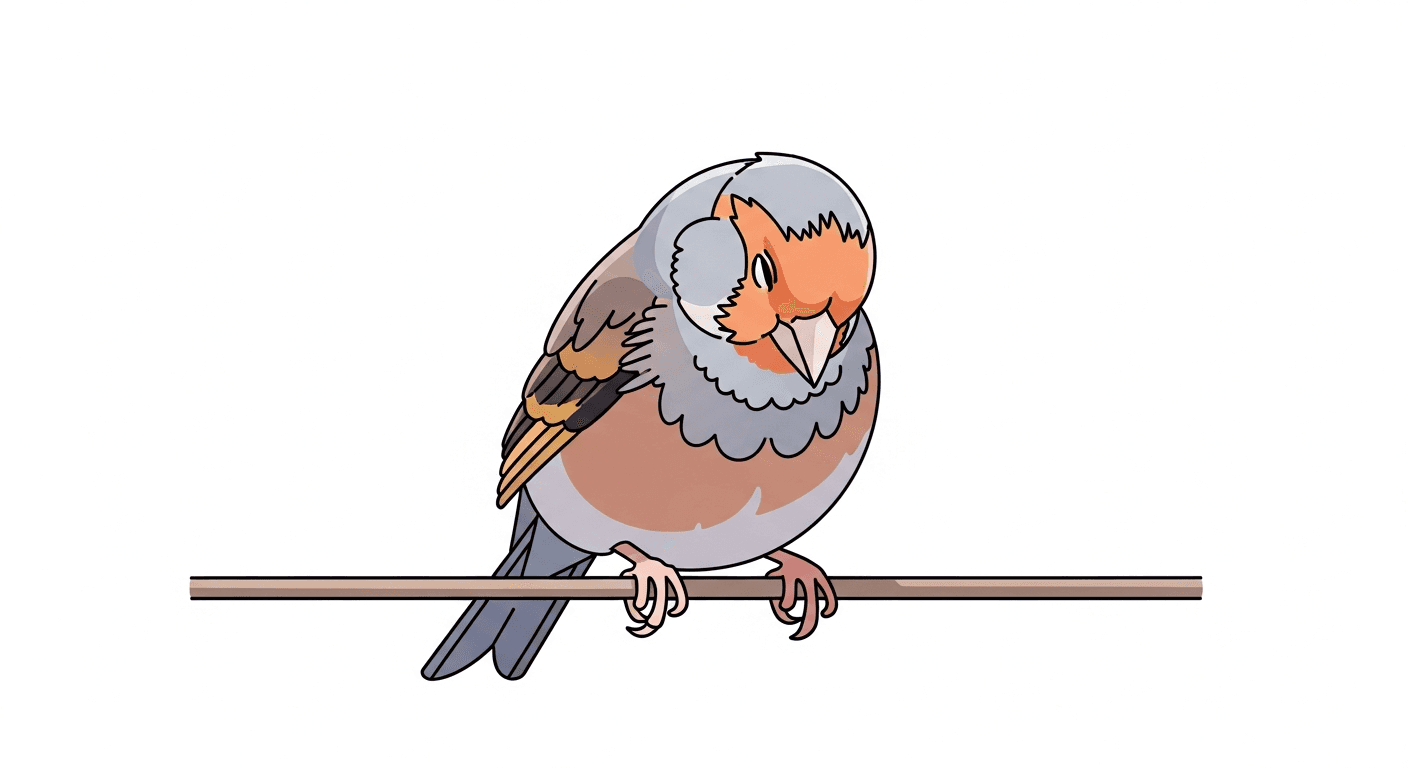
Lethargic Bird: Always Take It Seriously
A bird that appears lethargic — fluffed, quiet, eyes closing — is seriously unwell. Learn why lethargy is always urgent in birds and what to do immediately.
 🦜 Bird & Parrot Health
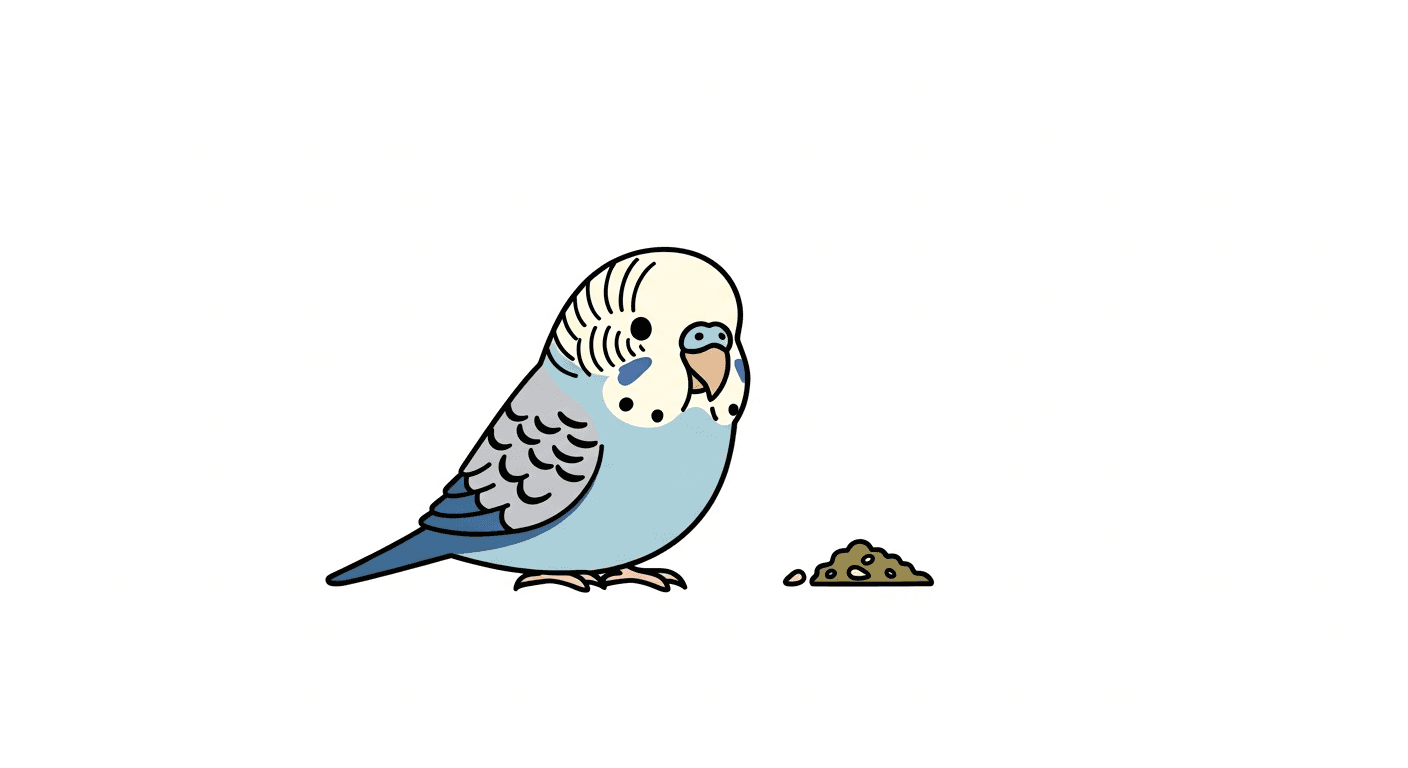
Bird Vomiting vs. Regurgitation: Understanding the Difference
Regurgitation is often a normal social behavior in birds, but vomiting is always a medical problem. Learn to tell them apart and when to seek help.
 🦜 Bird & Parrot Health
Daily Bird Care Routine: Essential Health Monitoring for Pet Birds
A consistent daily care routine is the most powerful disease prevention tool available to bird owners. Learn what to observe every day.