
Why Lethargy in a Bird Is Always Serious
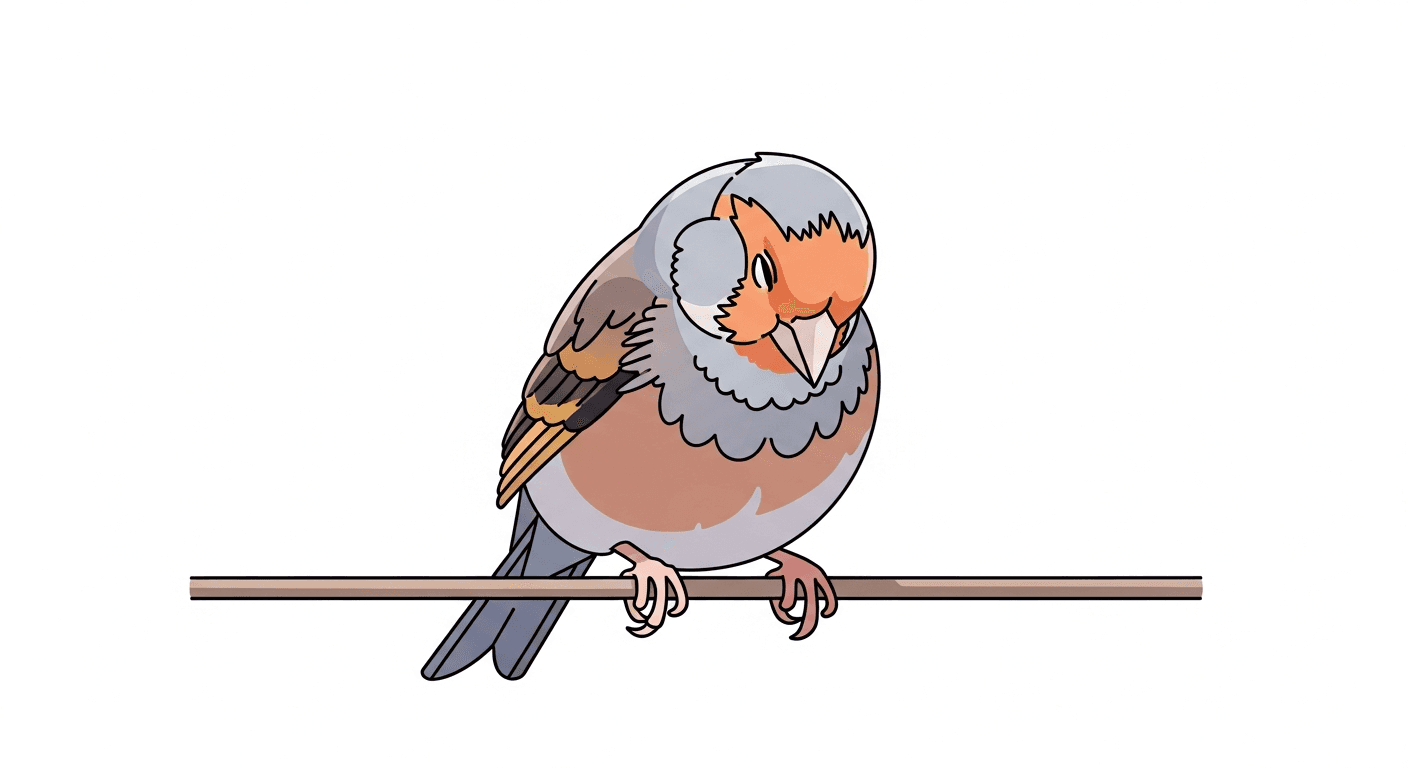
Healthy birds are alert, active, and engaged with their environment. They roost on high perches, hold their feathers smoothly against their bodies, and respond quickly to stimulation. A bird that is fluffed (feathers held out from the body to retain warmth — a sign the bird is trying to conserve heat), sitting on the bottom of the cage, holding eyes partially or fully closed during the day, or unresponsive to normal stimuli is seriously unwell. Because birds mask illness so effectively, visible lethargy represents a bird that can no longer maintain the pretense of health.
First 3 Steps to Take at Home
- Provide warmth immediately: The first thing a sick bird needs is warmth. Set up a warm area (28–32°C for small birds, 26–28°C for larger parrots) while arranging emergency veterinary care. Use a heating pad on low under one side of the enclosure or a heat lamp positioned safely at a distance.
- Weigh the bird if possible: A gram-scale weight measurement gives the vet immediate information about severity. Any bird that is visibly lethargic and has lost 10%+ of body weight is in critical condition.
- Call the avian or exotic vet immediately: Do not wait to see if the bird improves. Birds decline rapidly when ill. A same-hour call and same-day appointment is the appropriate response to visible lethargy in a bird.
When to Go to the Vet Immediately
- Bird sitting on cage floor
- Eyes closed or partially closed during daytime
- Feathers fluffed and not smoothing when alert
- Any lethargy combined with tail bobbing, open-mouth breathing, or not eating
Follow-Up Care Checklist
- Complete all prescribed diagnostics — blood work and cultures reveal the specific cause
- Maintain warmth throughout recovery
- Weigh daily and report any further decline to your vet
Track Energy Level with TailRounds
Log energy level, posture (fluffed or smooth), and time spent on the cage floor daily in the TailRounds Daily Log.
Book a Vet Appointment
A lethargic bird needs emergency care today. Book at Happy Paws immediately — do not wait for a standard appointment.
Summary for Your Clinic Visit
Tell the vet the bird's species, weight if known, specific lethargy signs observed, other symptoms present, diet, and any potential environmental toxin exposures.
Continue Reading
 🦜 Bird & Parrot Health
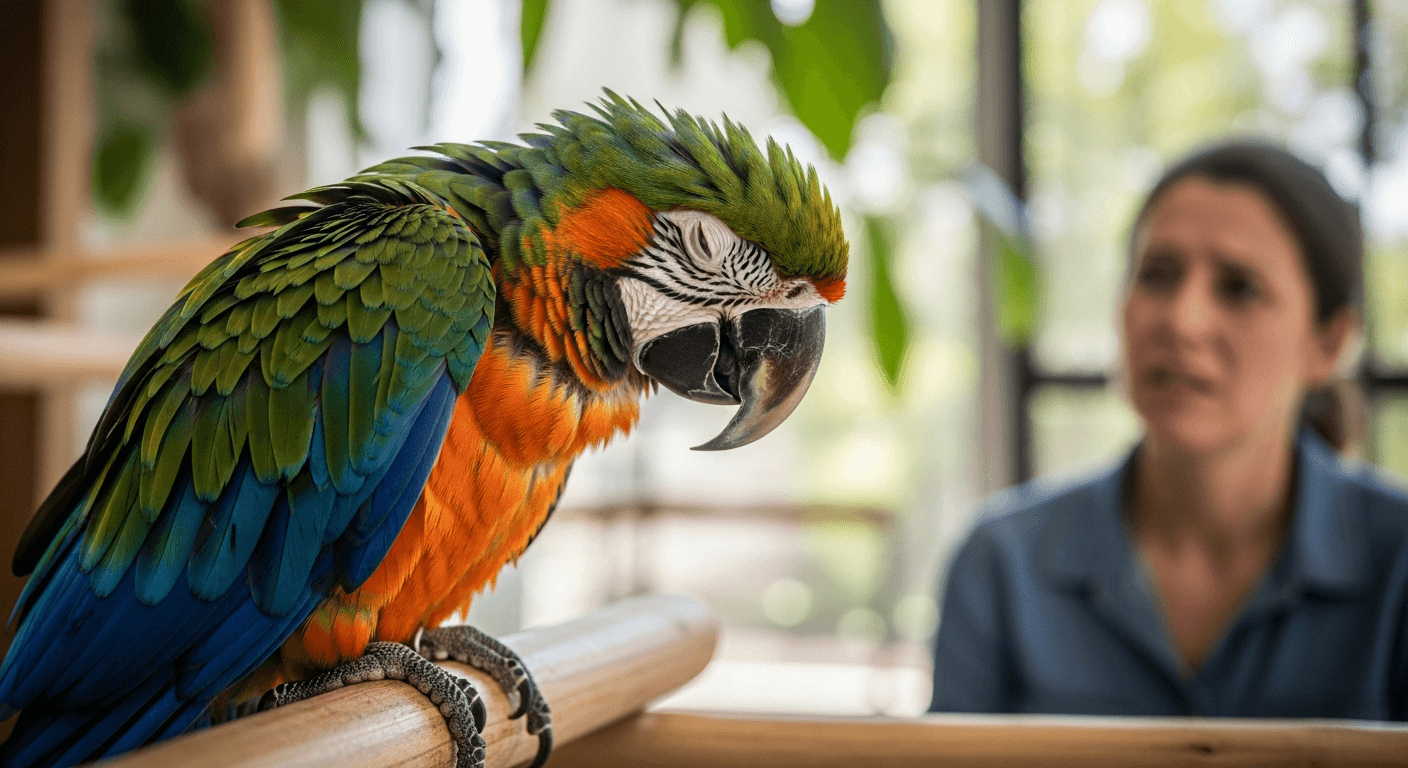
Bird Not Eating: Why It's Always Urgent
Birds hide illness until they cannot compensate. A bird not eating for even one day needs same-day veterinary care. Learn why and what to look for.
 🦜 Bird & Parrot Health
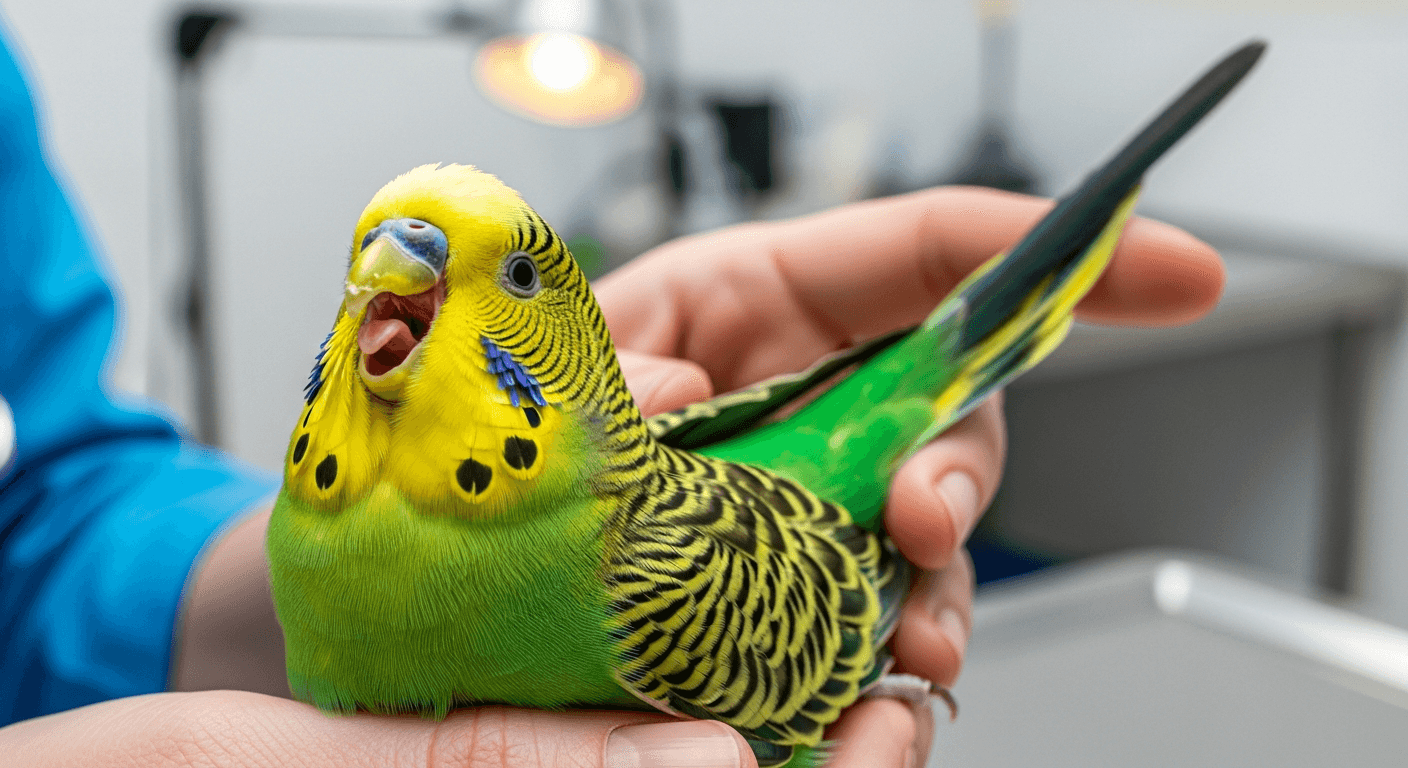
Bird Respiratory Problems: Tail Bobbing, Open-Mouth Breathing, and What to Do
Respiratory disease in birds progresses rapidly. Learn to recognize the signs of respiratory distress, the common causes, and why this is always urgent.
 🦜 Bird & Parrot Health
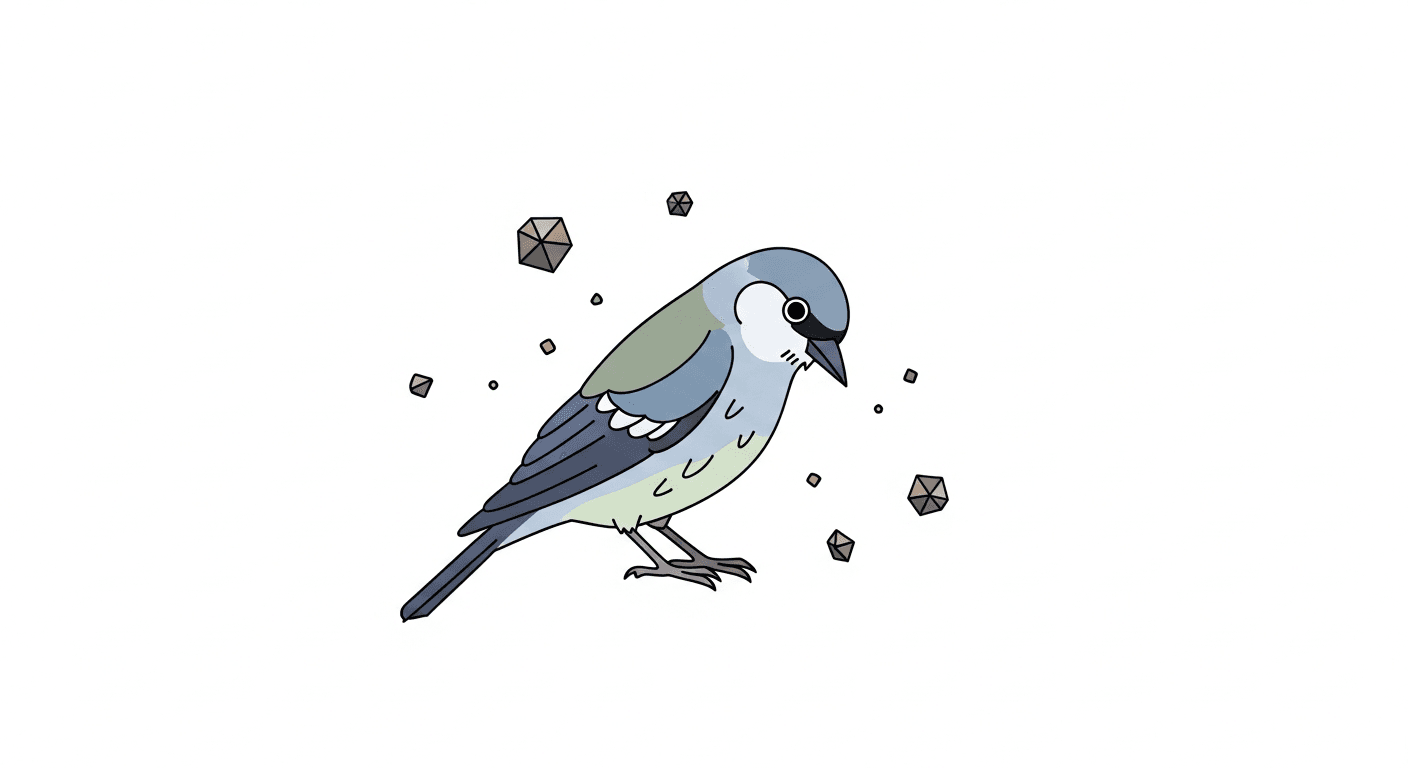
Heavy Metal Toxicity in Birds: Lead and Zinc Poisoning
Lead and zinc poisoning are common causes of sudden illness in pet birds. Learn which household items are dangerous and how to recognize toxicity.
 🦜 Bird & Parrot Health
Daily Bird Care Routine: Essential Health Monitoring for Pet Birds
A consistent daily care routine is the most powerful disease prevention tool available to bird owners. Learn what to observe every day.