
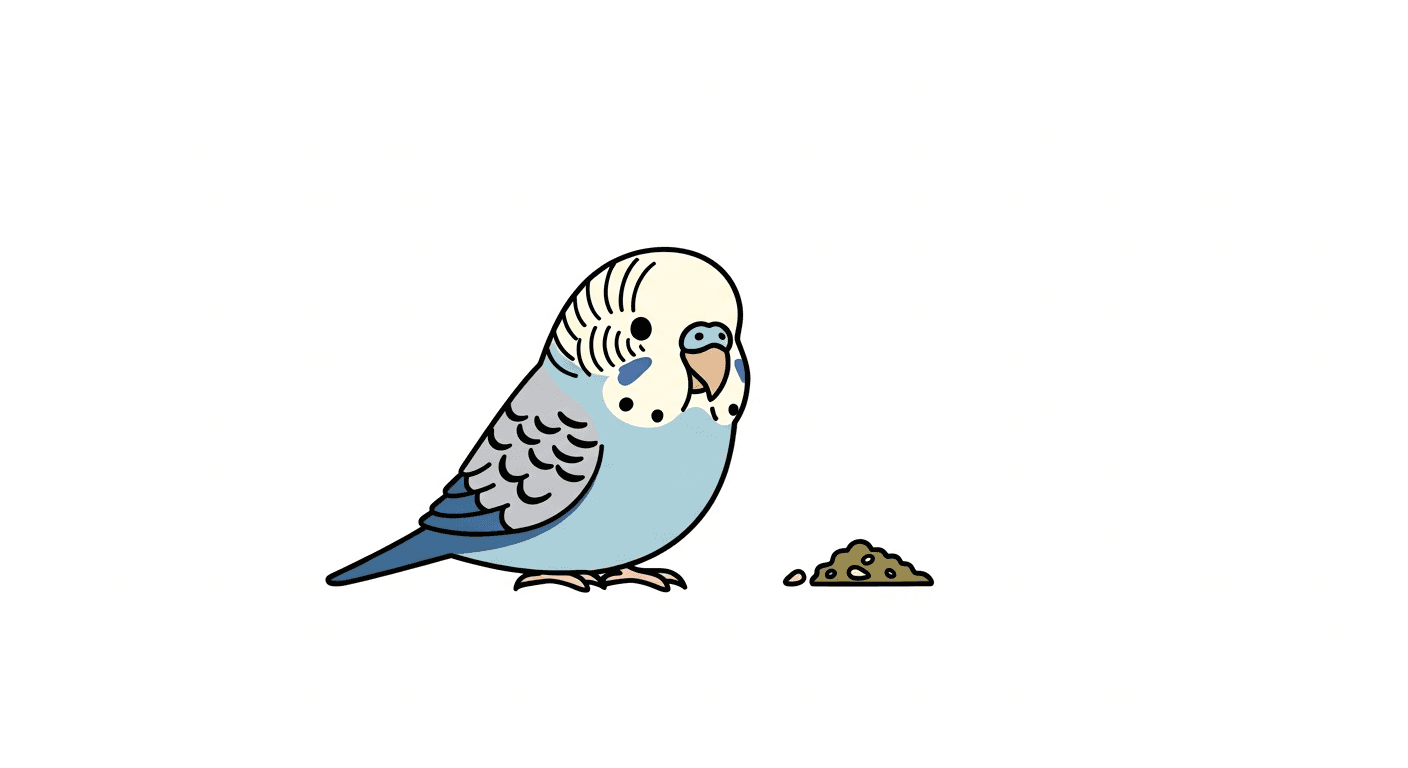
Regurgitation vs. Vomiting in Birds
These two processes look similar but are completely different and have different clinical significance. Regurgitation is the voluntary movement of food from the crop (a food storage organ in birds) back through the mouth. It's a normal social behavior — birds regurgitate to feed their mates and offspring as a bonding gesture. A bird regurgitating to its owner (or a favorite toy) is showing affection, not illness. True vomiting is involuntary expulsion of gastric contents and is always a medical problem.
How to Tell Them Apart
- Regurgitation (normal/behavioral): Preceded by head bobbing; food is relatively intact or minimally digested; bird appears healthy and active before and after; occurs in social context (toward owner, toy, or companion bird)
- Vomiting (medical problem): Uncontrolled; wet, shaken head with food flung onto cage bars; partially digested, bile-tinged, or foul-smelling material; bird appears unwell; may occur repeatedly without social context
First 3 Steps to Take at Home
- Observe the behavior carefully: Does the bird head-bob beforehand (regurgitation) or does food suddenly appear on the cage bars without warning (vomiting)? Is the material formed or liquid?
- Assess the bird's overall condition: A bird regurgitating as a social gesture will otherwise appear healthy, alert, and active. A bird that is vomiting will usually be lethargic, fluffed, or showing other illness signs.
- If true vomiting, contact an avian vet same day: Don't wait to see if it stops. Causes of true vomiting in birds include proventricular disease, heavy metal toxicity, crop infections, and systemic illness — all require diagnostic workup.
When to Go to the Vet Immediately
- Food on cage bars/walls with head shaking (true vomiting)
- Any vomiting combined with lethargy or not eating
- Crop that is visibly distended and doesn't empty
- Vomiting that is repetitive (more than 2–3 times in a day)
Track Vomiting Episodes with TailRounds
Log the type (regurgitation vs. vomiting), frequency, and material character in the TailRounds Daily Log. This detail helps your avian vet significantly.
Book a Vet Appointment
True vomiting in a bird always needs same-day evaluation. Book at Happy Paws with our avian team.
Summary for Your Clinic Visit
Describe whether head bobbing precedes the episode, what the material looks like, how many times it occurred, and any other symptoms present.
Continue Reading
 🦜 Bird & Parrot Health
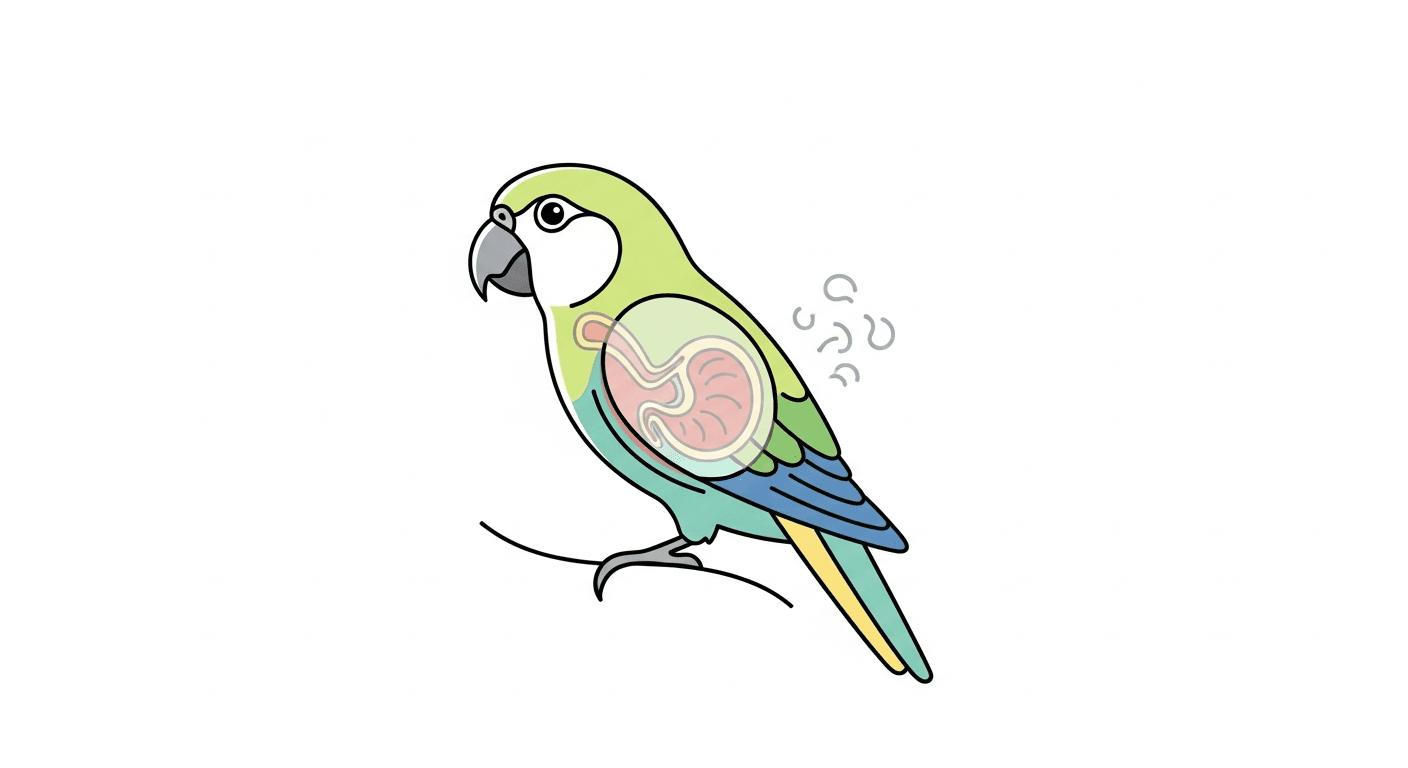
Proventricular Dilatation Disease (PDD) in Parrots
PDD is a fatal neurological and gastrointestinal disease caused by Avian Bornavirus. Learn the signs, how it's diagnosed, and current management approaches.
 🦜 Bird & Parrot Health
Bird Not Eating: Why It's Always Urgent
Birds hide illness until they cannot compensate. A bird not eating for even one day needs same-day veterinary care. Learn why and what to look for.
 🦜 Bird & Parrot Health
Bird Crop Problems: Impaction, Sour Crop, and Pendulous Crop
The crop is a food storage organ unique to birds. When it doesn't empty properly, serious problems follow. Learn to recognize and respond to crop disorders.
 🦜 Bird & Parrot Health
Daily Bird Care Routine: Essential Health Monitoring for Pet Birds
A consistent daily care routine is the most powerful disease prevention tool available to bird owners. Learn what to observe every day.