
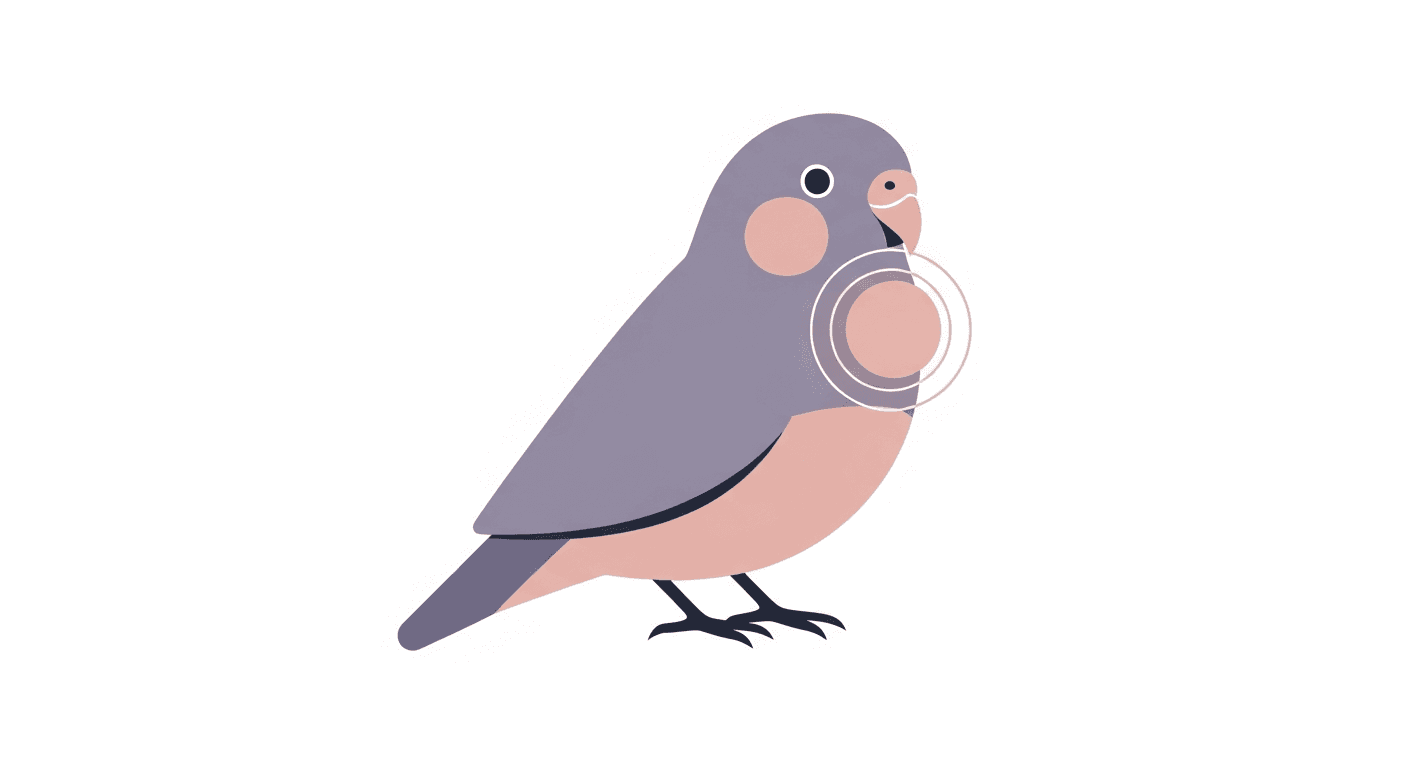
What Is the Crop and What Can Go Wrong?
The crop is a pouch-like organ in the esophagus where birds store food before it passes to the stomach. In a healthy bird, the crop fills after eating and empties within a few hours. Visible problems include: Crop impaction (foreign material or fibrous food blocking the crop — often from grass, string, or inappropriate food); Sour crop (bacterial or yeast overgrowth in the crop causing foul-smelling, delayed emptying — often from antibiotic disruption of normal flora); and Pendulous crop (chronic over-stretching of the crop from overfeeding young birds — the crop loses elasticity and hangs permanently).
First 3 Steps to Assess Crop Function
- Learn to check crop size at consistent times: Check the crop at the same time each morning (before the first feeding). It should be empty or nearly empty. A consistently full or hard crop in the morning indicates failure to empty overnight — a veterinary concern.
- Gently palpate the crop: A normal full crop after eating feels soft and dough-like. A hard or firm crop (impaction) or a sour-smelling, fluid-filled crop (sour crop) are abnormal findings.
- Don't attempt to empty the crop at home: Crop massage to move impacted material, or attempting to express crop contents, risks causing aspiration or trauma to the crop wall. Veterinary crop lavage under sedation is the safe approach.
When to Go to the Vet Immediately
- Crop that is hard or doesn't empty within 12 hours
- Foul smell from the beak (sour crop)
- Bird regurgitating frequently alongside a full, non-emptying crop
- Young bird being hand-fed with a crop that isn't advancing normally
Follow-Up Care Checklist
- Sour crop treatment: antifungal or antibiotic based on culture results, plus probiotic support
- Crop impaction: lavage under sedation, soft diet during recovery
- Preventive: don't feed fibrous material (grass, strings), ensure all foods are small enough to pass easily
Track Crop Health with TailRounds
Log morning crop checks (full/empty) in the TailRounds Daily Log. A crop that stops emptying overnight is often the first sign of crop disease.
Book a Vet Appointment
Any crop that doesn't empty overnight or smells foul needs veterinary crop lavage. Book at Happy Paws with our avian team.
Summary for Your Clinic Visit
Tell your vet when the crop last emptied normally, what the crop feels like (hard, soft, fluid-filled), whether there is any smell from the mouth, and the bird's current diet.
Continue Reading
 🦜 Bird & Parrot Health
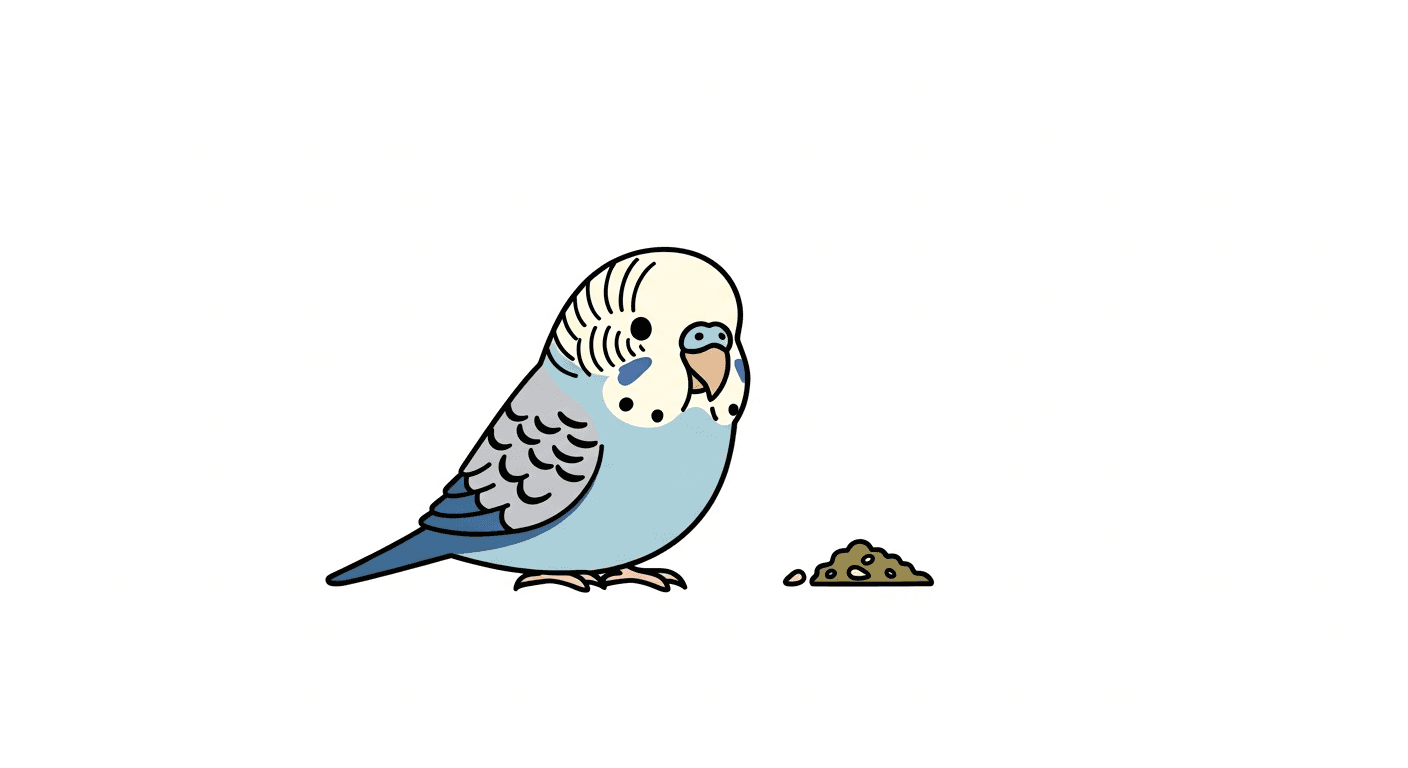
Bird Vomiting vs. Regurgitation: Understanding the Difference
Regurgitation is often a normal social behavior in birds, but vomiting is always a medical problem. Learn to tell them apart and when to seek help.
 🦜 Bird & Parrot Health
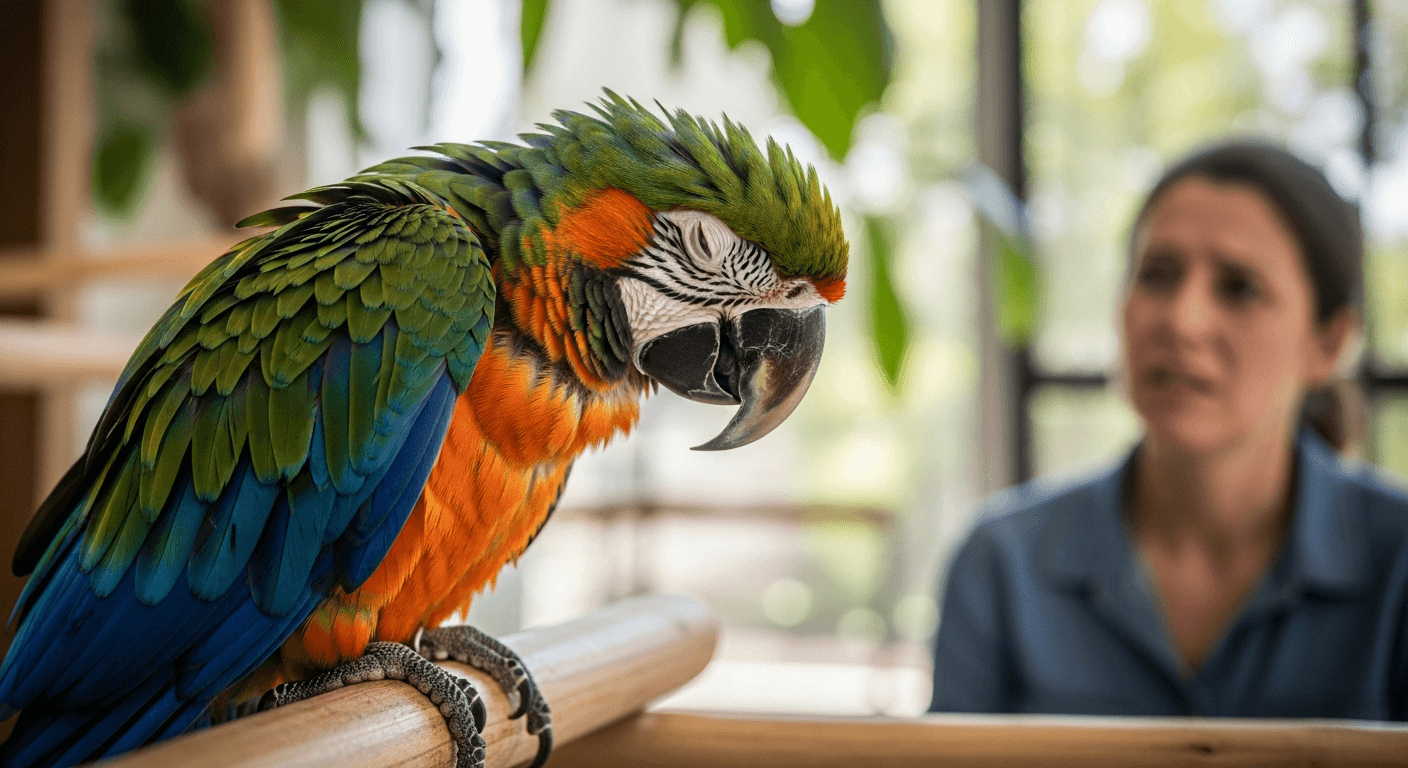
Bird Not Eating: Why It's Always Urgent
Birds hide illness until they cannot compensate. A bird not eating for even one day needs same-day veterinary care. Learn why and what to look for.
 🦜 Bird & Parrot Health
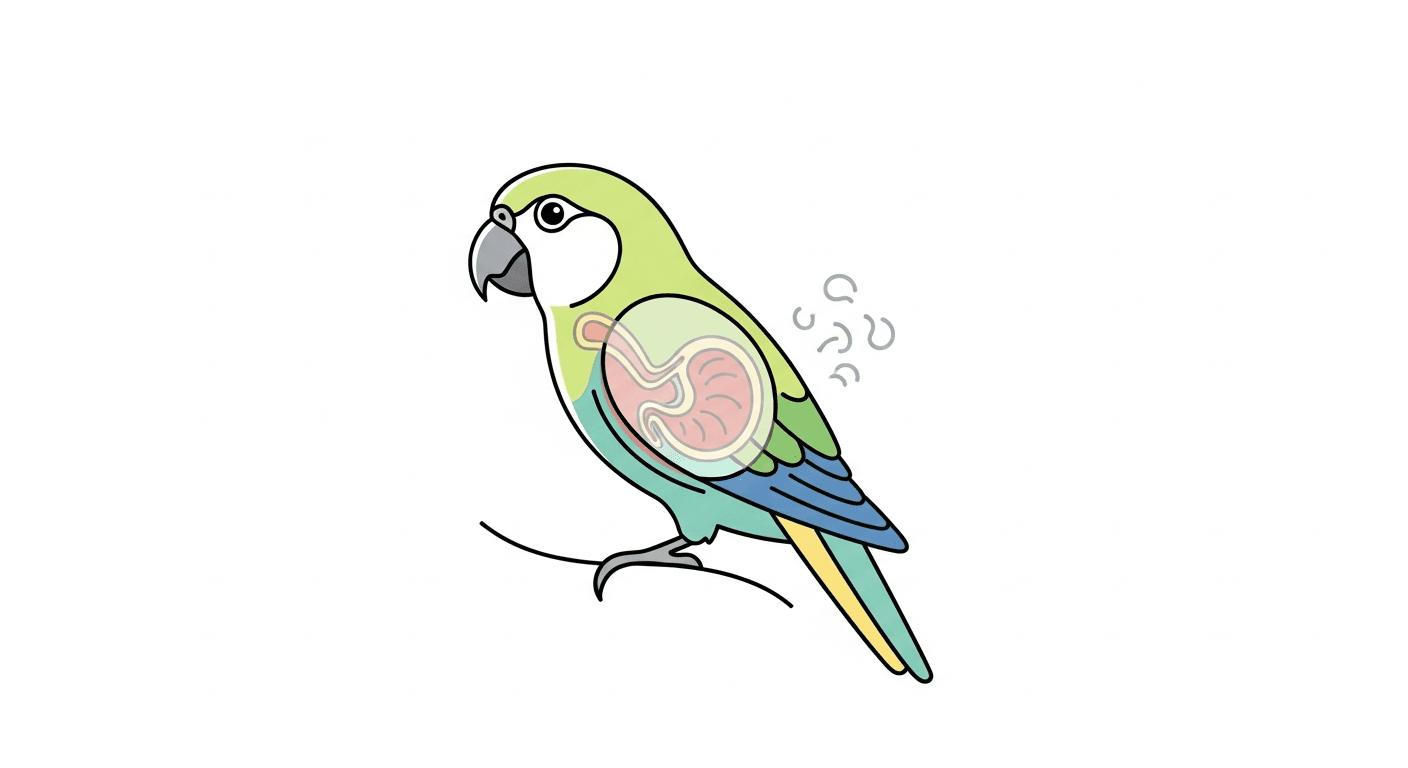
Proventricular Dilatation Disease (PDD) in Parrots
PDD is a fatal neurological and gastrointestinal disease caused by Avian Bornavirus. Learn the signs, how it's diagnosed, and current management approaches.
 🦜 Bird & Parrot Health
Daily Bird Care Routine: Essential Health Monitoring for Pet Birds
A consistent daily care routine is the most powerful disease prevention tool available to bird owners. Learn what to observe every day.