
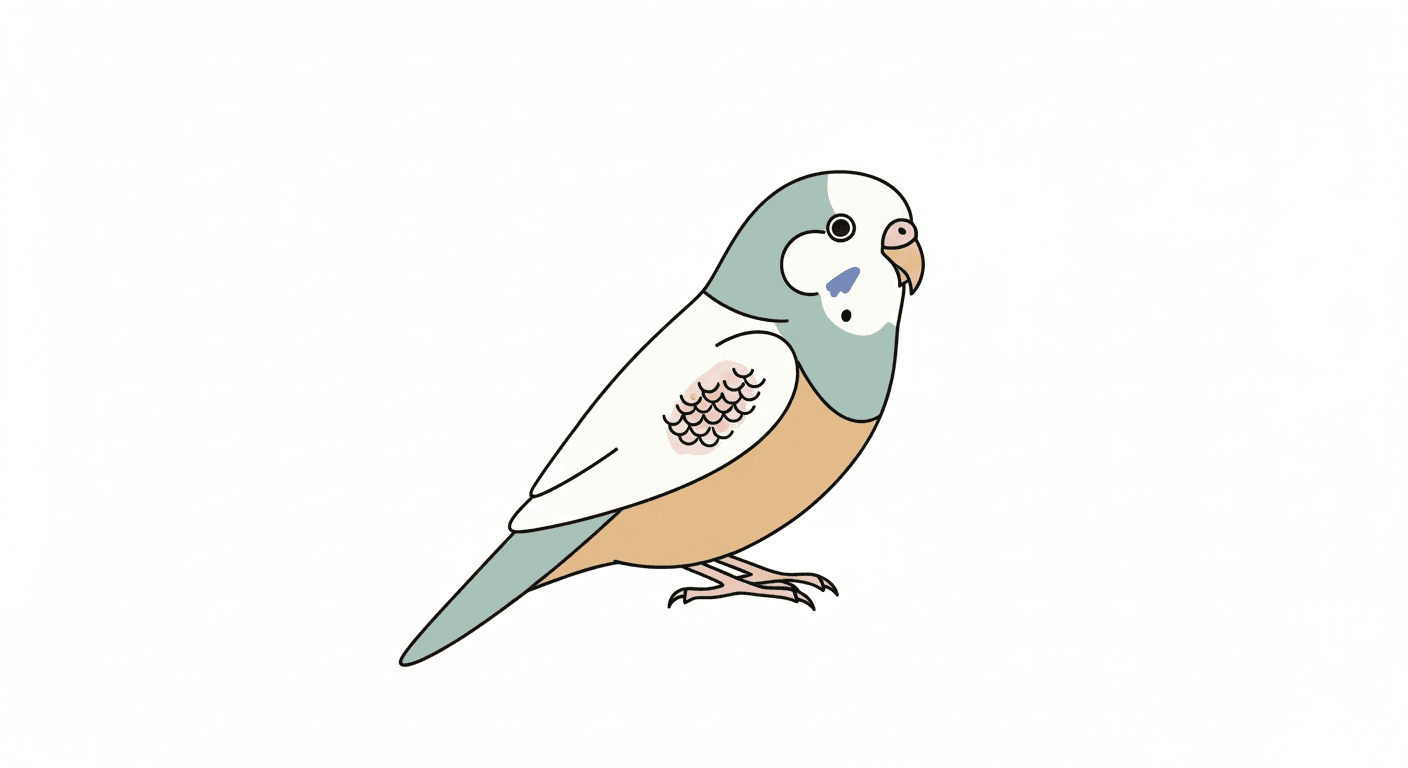
Skin and Feather Problems in Pet Birds
Birds' skin and feather follicles can develop a range of conditions. External parasites include feather lice (Mallophaga), blood mites (Dermanyssus gallinae — also bite humans), and air sac mites (Sternostoma tracheacolum, especially in finches and canaries — causes respiratory signs). Bacterial skin infections often follow feather plucking injuries. Fungal infections can affect follicles. Xanthomas (yellow fatty growths under the skin, usually near the wing tips or keel) are common in obese budgerigars. Bite wounds from cage companions can cause serious infection.
First 3 Steps to Take at Home
- Examine the skin with good lighting: Part feathers gently and look at the skin beneath. Normal skin should be smooth, pale, and clear. Redness, swelling, scaling, or sores are abnormal. Look for any movement that might indicate mites.
- Check for feather lice: Feather lice are visible to the naked eye on close inspection — they're elongated, pale, and move through feathers. They cause feather damage and itching. Treat with an avian-safe pyrethrin spray (never permethrin).
- Separate injured birds from companions: If a bird has bite wounds from a cage companion, separate them immediately. Bird bite wounds become infected rapidly and the source of ongoing trauma must be removed.
When to Go to the Vet Immediately
- Bite wounds with visible tissue damage
- Rapidly spreading skin redness or swelling
- Skin that appears to be breaking down or necrotic
- Any mites suspected to be blood mites (Dermanyssus) — these also bite humans and spread rapidly
Follow-Up Care Checklist
- Treat all birds in the same enclosure for parasites simultaneously
- Clean and disinfect the entire cage and accessories when treating mite infestations
- For xanthomas: dietary management (reducing fat) is primary; surgery may be needed for large ones
Track Skin Health with TailRounds
Log skin observations and treatment progress in the TailRounds Daily Log.
Book a Vet Appointment
Skin infections and parasite infestations in birds require specific diagnosis and appropriate treatment. Book at Happy Paws with our exotic team.
Summary for Your Clinic Visit
Tell your vet the bird's species, which areas are affected, whether parasites are visible, whether other birds are in the same enclosure, and the current diet and environment.
Continue Reading
 🦜 Bird & Parrot Health
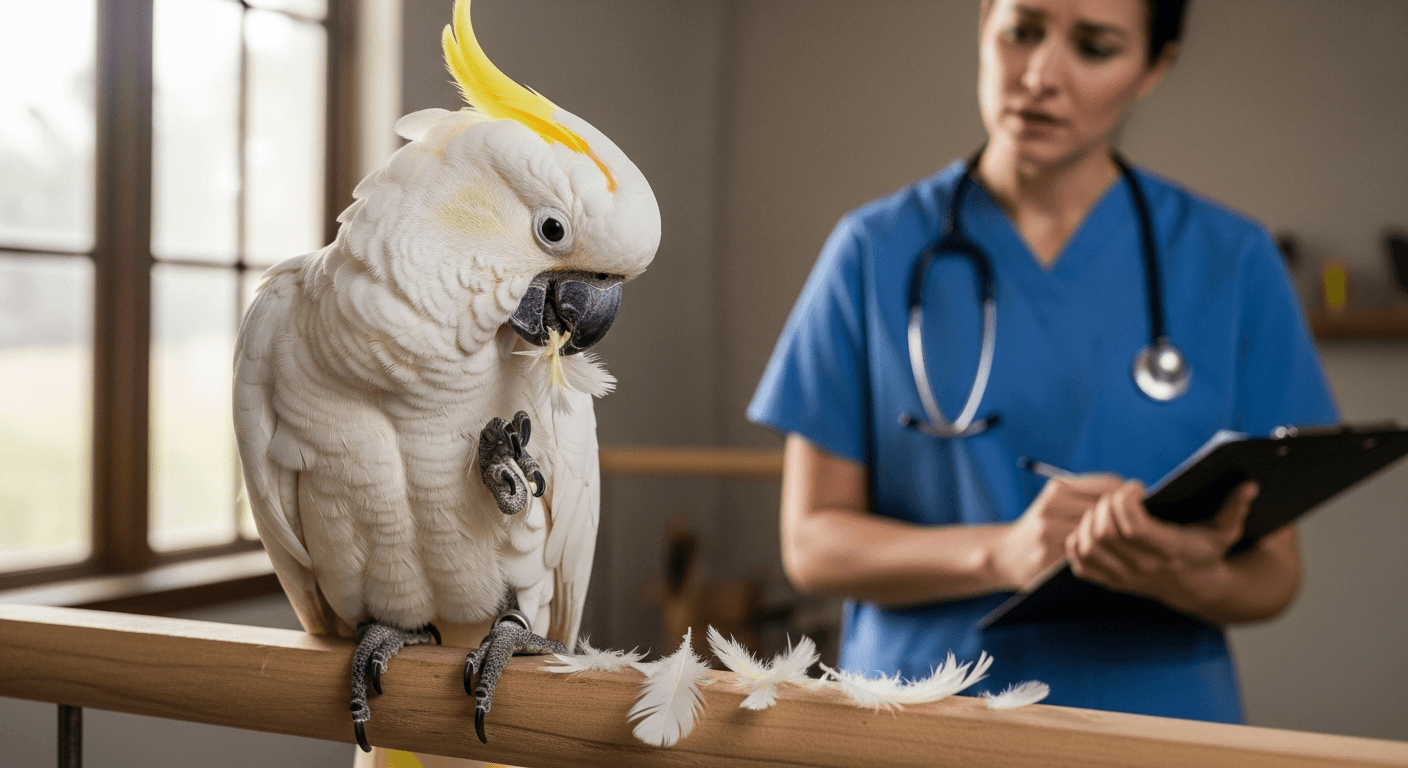
Feather Plucking in Birds: Medical and Behavioral Causes
Feather destructive behavior is one of the most complex conditions in pet birds. Learn the range of causes and why a thorough veterinary workup comes first.
 🦜 Bird & Parrot Health
Bird Not Eating: Why It's Always Urgent
Birds hide illness until they cannot compensate. A bird not eating for even one day needs same-day veterinary care. Learn why and what to look for.
 🦜 Bird & Parrot Health
Daily Bird Care Routine: Essential Health Monitoring for Pet Birds
A consistent daily care routine is the most powerful disease prevention tool available to bird owners. Learn what to observe every day.
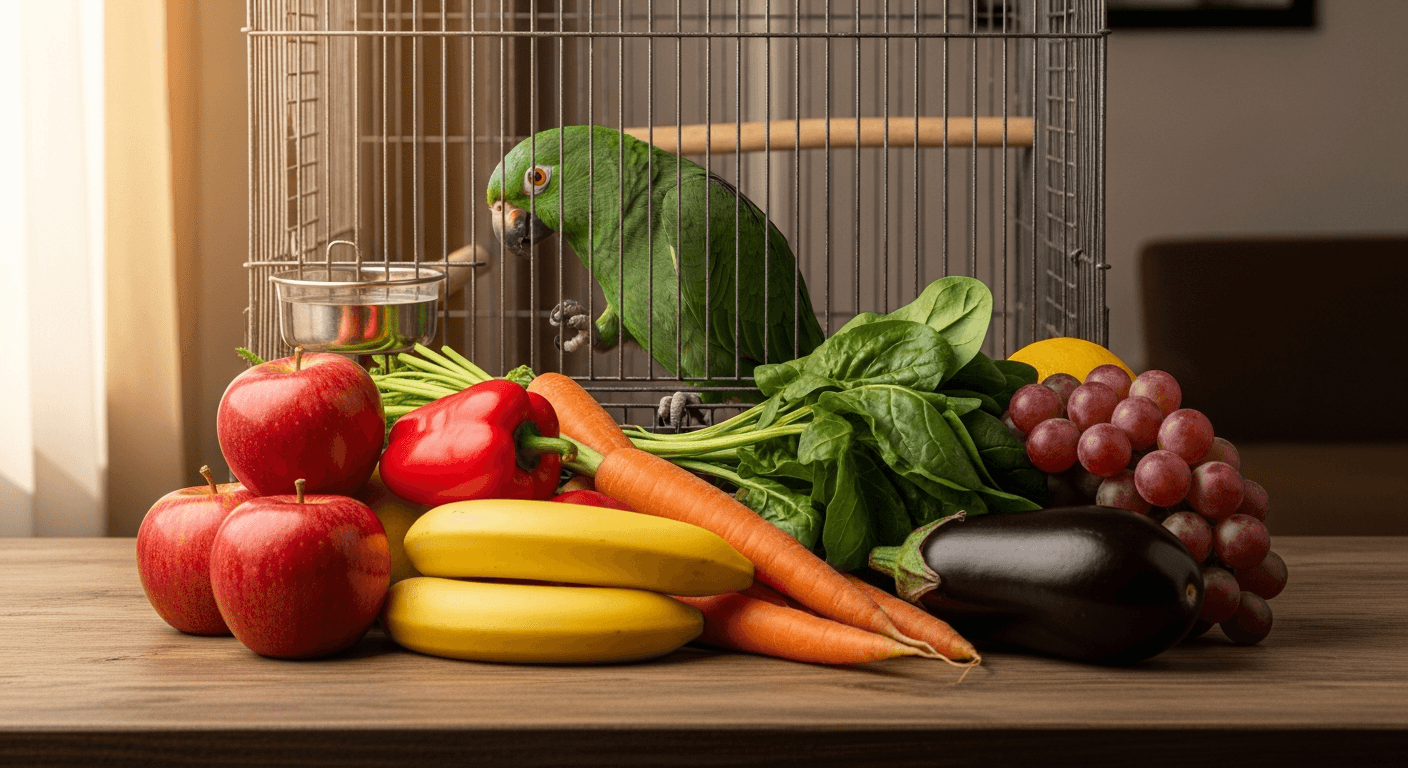 🦜 Bird & Parrot Health
Bird Nutrition Guide: Why Seeds Alone Are Harmful
Seed-only diets cause the majority of preventable disease in pet birds. Learn the correct nutritional approach for common species and how to transition safely.