
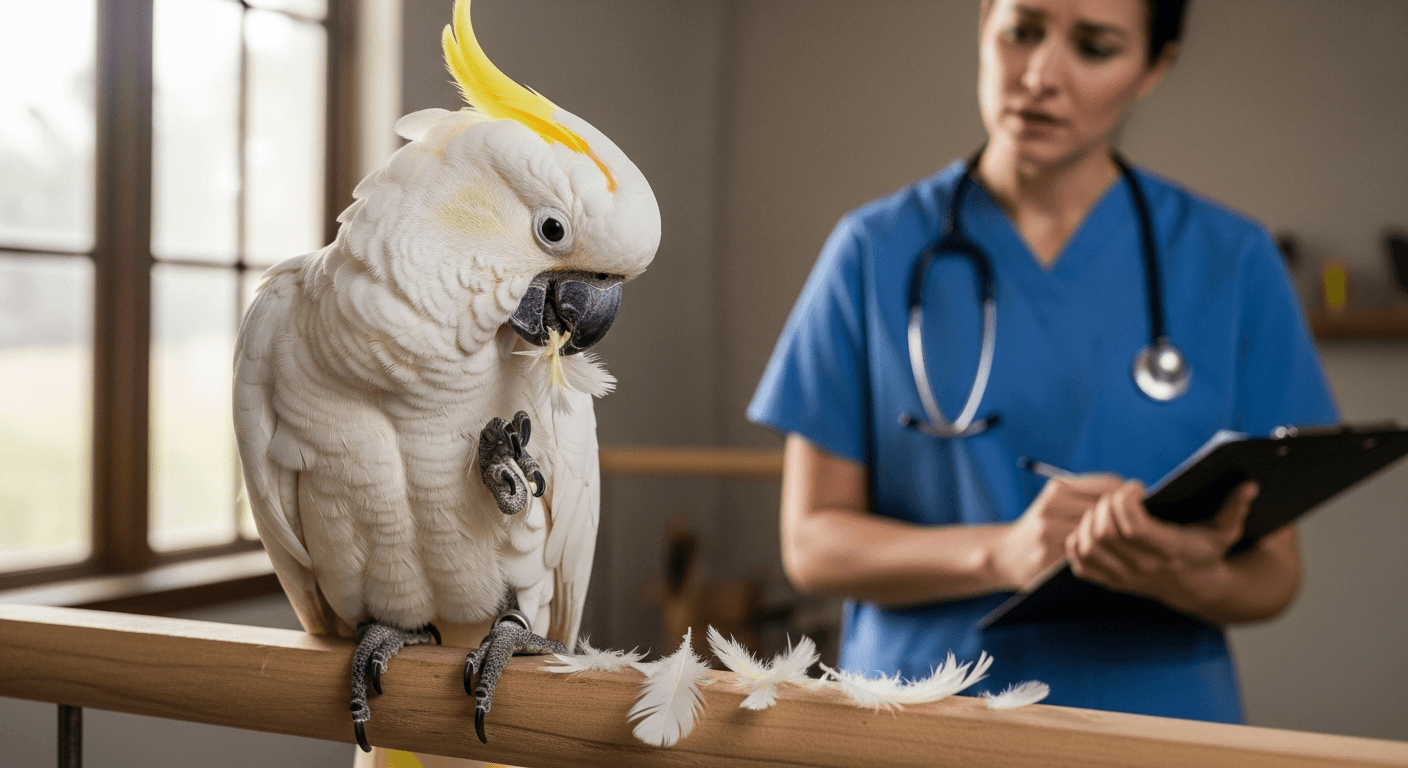
What Is Feather Destructive Behavior?
Feather destructive behavior (FDB) encompasses a spectrum from overpreening and feather chewing to full plucking of feathers down to the skin. It's one of the most common and frustrating conditions in captive parrots. The critical point is that FDB is never "just behavioral" without a thorough medical workup first. Medical causes include bacterial, viral, and fungal infections of the skin and follicles (Psittacine Beak and Feather Disease, or PBFD, is a significant viral cause), external parasites, nutritional deficiencies, hormonal conditions, and heavy metal toxicity. Only after medical causes are excluded can behavioral or psychological causes be addressed.
First 3 Steps to Take at Home
- Document the distribution of feather loss: Photograph the affected areas. Birds cannot reach their own heads — feather loss on the head usually involves another bird or a medical cause causing head scratching. Feather loss on the body that the bird can reach may be self-inflicted. This distinction matters for diagnosis.
- Review the diet: Seed-only diets are dramatically nutritionally deficient. Vitamin A deficiency (very common in seed-fed birds) damages feather follicles and causes abnormal feather growth and itchiness that drives plucking. Transitioning to a pelleted diet as the base (70–80% of diet) significantly improves nutritional status.
- Book an avian vet appointment for full workup: Diagnosis requires physical examination, feather examination under microscopy, skin swabs, blood work (including heavy metal panels for lead and zinc), and possibly PBFD PCR testing. This is not a condition to diagnose at home.
When to Go to the Vet Immediately
- Bird has plucked to the point of self-injury, bleeding skin, or open wounds
- Feather loss spreading rapidly over days
- Any other signs of illness alongside plucking
- Young bird with abnormal feather development from the first molt
Follow-Up Care Checklist
- Complete all prescribed diagnostic testing before assuming the cause is behavioral
- Transition to a species-appropriate pelleted diet with your vet's guidance
- For confirmed behavioral causes: environmental enrichment, increased social interaction, and where appropriate, consultation with an avian behavioral specialist
- E-collars are a last resort and cause significant stress — discuss with your avian vet before fitting one
Track Feather Condition with TailRounds
Photograph the affected areas weekly and log severity in the TailRounds Daily Log. This visual record is invaluable for tracking treatment response.
Book a Vet Appointment
Feather plucking always needs a medical workup before behavioral interventions. Book at Happy Paws with our avian-experienced exotic team.
Summary for Your Clinic Visit
Bring your photographs, describe when plucking started, the current diet, any household changes (new pet, moved home, new family member), noise or light changes, and any prior treatment attempted.
Continue Reading
 🦜 Bird & Parrot Health
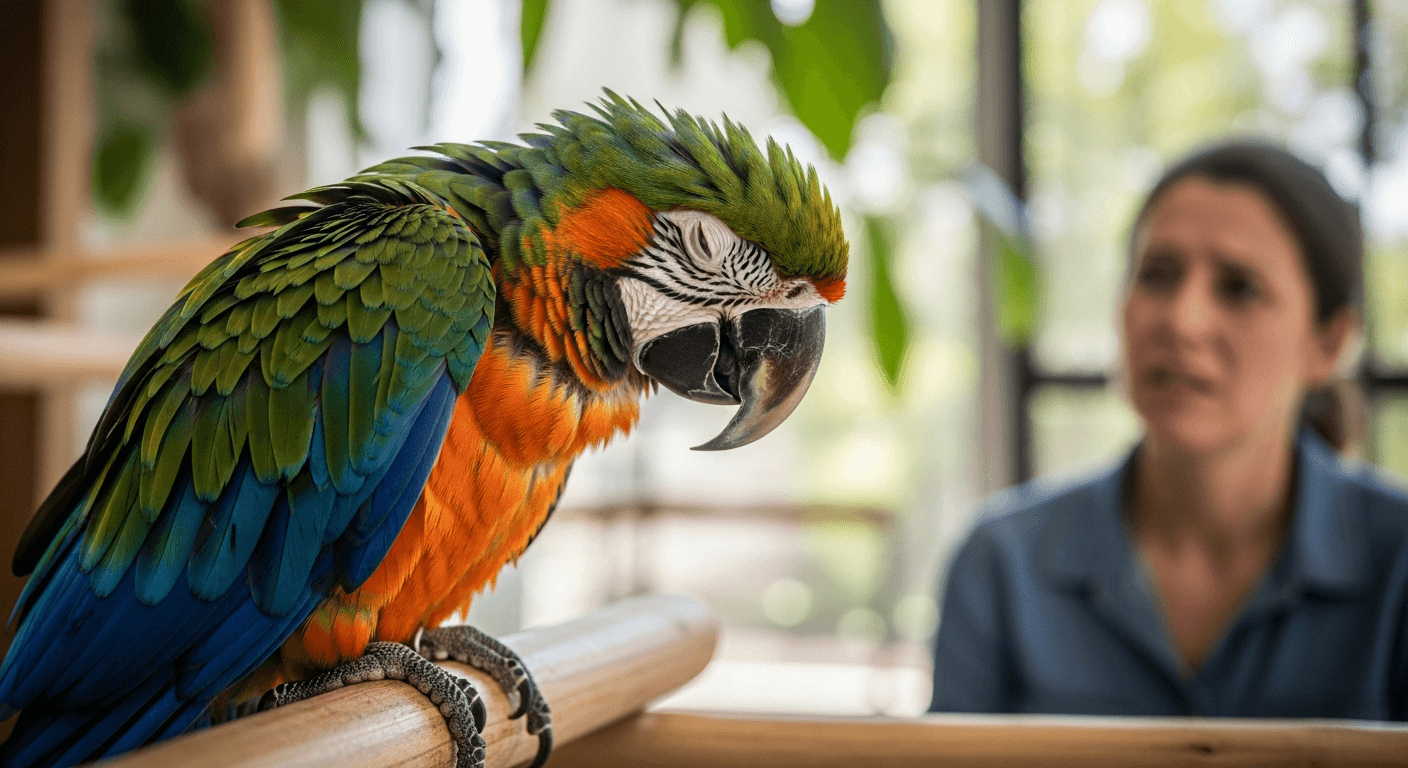
Bird Not Eating: Why It's Always Urgent
Birds hide illness until they cannot compensate. A bird not eating for even one day needs same-day veterinary care. Learn why and what to look for.
 🦜 Bird & Parrot Health
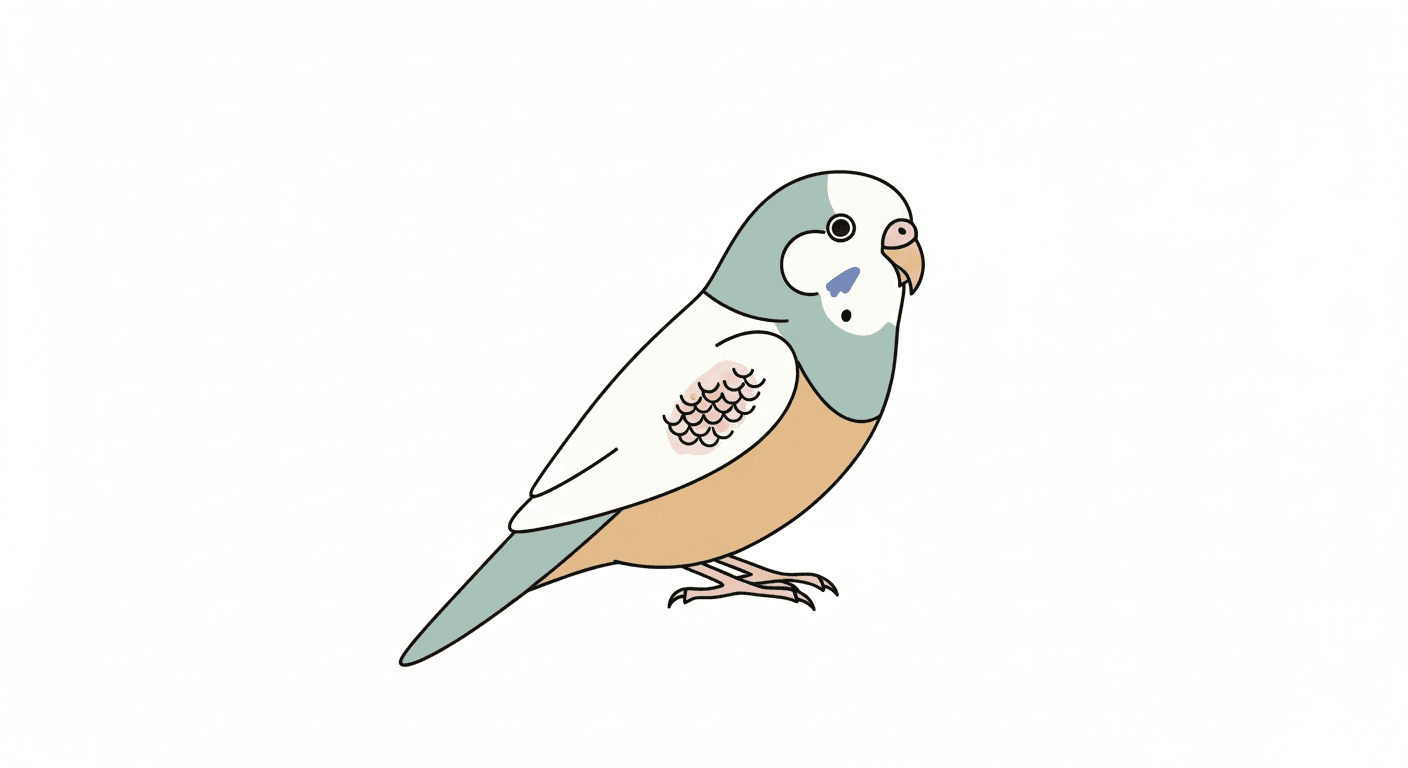
Bird Skin and Feather Follicle Problems: Infections and Injuries
Bacterial, fungal, and parasitic infections of bird skin are more common than most owners realize. Learn the signs and how each is treated.
 🦜 Bird & Parrot Health
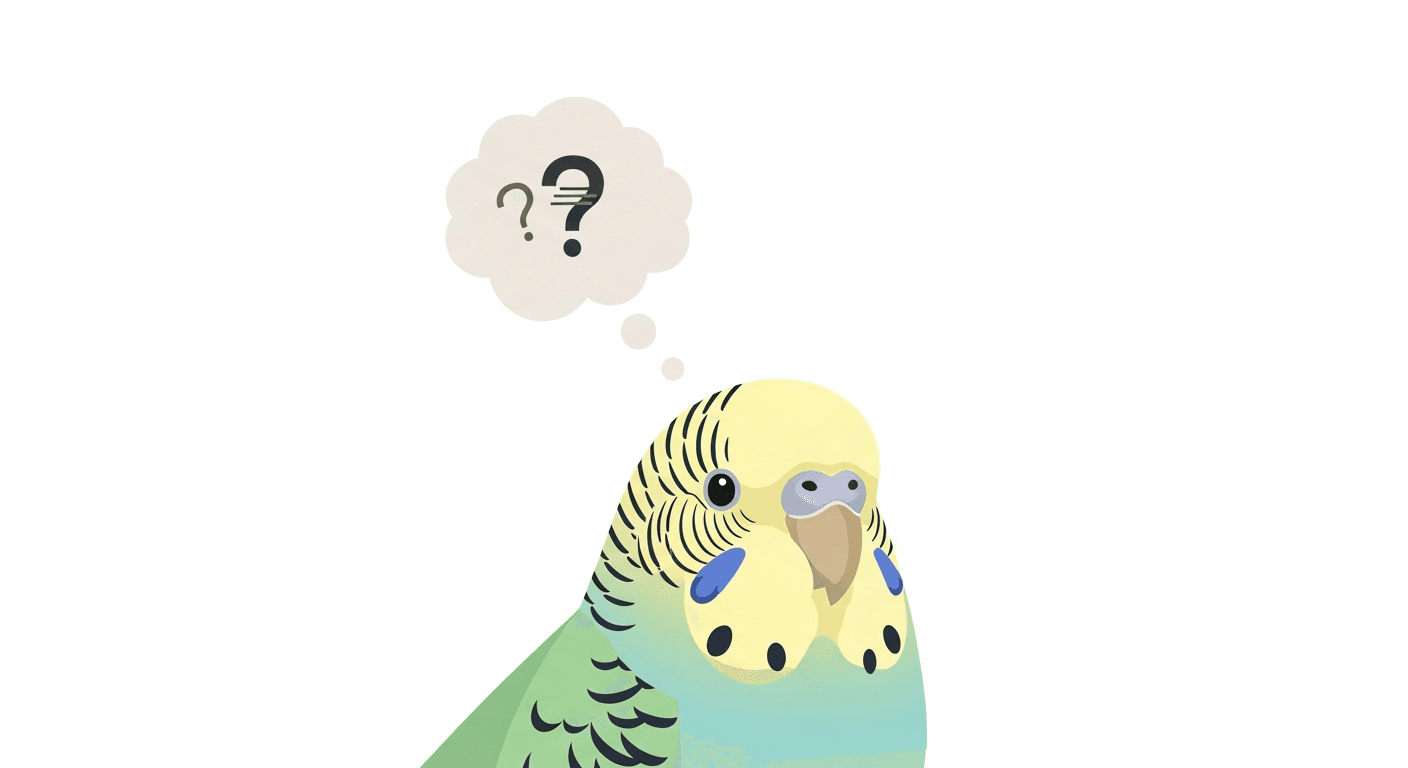
Bird Behavioral Problems: Screaming, Biting, and Feather Destruction
Behavioral problems in parrots are often rooted in unmet needs. Learn how species-appropriate care prevents the most common issues.
 🦜 Bird & Parrot Health
Daily Bird Care Routine: Essential Health Monitoring for Pet Birds
A consistent daily care routine is the most powerful disease prevention tool available to bird owners. Learn what to observe every day.