Why Seed-Only Diets Are Harmful
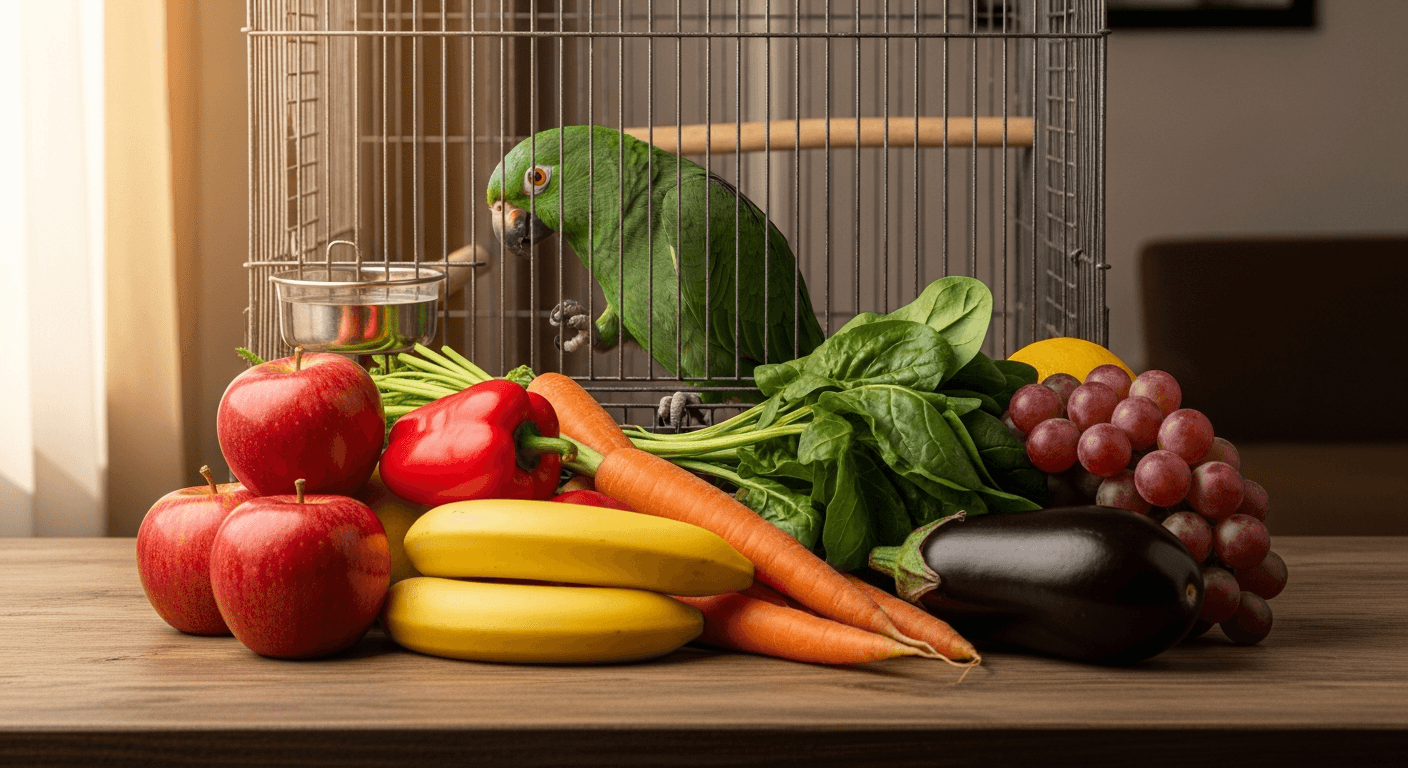
Seeds are high in fat and deficient in protein, calcium, and most vitamins — particularly Vitamin A. Yet seed-only diets remain the most common diet fed to pet birds. The consequences are predictable: Vitamin A deficiency (causing respiratory disease susceptibility, skin problems, reproductive failure), calcium deficiency (causing egg binding, bone problems), protein deficiency (affecting feather quality and immune function), and obesity from high fat seed content. Nutritionally complete pelleted diets were developed to address these deficiencies and should form the foundation of any pet bird's diet.
First 3 Steps to Improve Bird Nutrition
- Begin the transition to pellets gradually: Most birds won't immediately accept pellets if they've been on seeds. Start by mixing 10% pellets with 90% seeds. Increase the pellet ratio by 10% each week. This transition typically takes 4–8 weeks. Never remove seeds abruptly — birds will starve themselves rather than eat unfamiliar food.
- Add colorful vegetables daily: Orange and yellow vegetables (sweet potato, carrot, squash, bell pepper) are particularly important as they contain beta-carotene — a Vitamin A precursor. Dark leafy greens (kale, chard) provide calcium and other micronutrients. Offer fresh vegetables daily alongside whatever the primary diet is.
- Avoid toxic foods: Avocado (all parts), chocolate, caffeine, onions, garlic, alcohol, xylitol, and high-salt foods are toxic to birds. Fruit pits (apple seeds, cherry pits) contain cyanogenic compounds. These must never be offered.
Species-Specific Dietary Notes
- Budgerigars/Parakeets: 60–70% pellets, 20–30% vegetables, small amount of seed as treat/enrichment
- Cockatiels: Similar to budgies — pellets as base, vegetables daily, limited seeds
- African Greys: Higher calcium requirements — pellets with added calcium-rich vegetables; avoid excess Vitamin D3 supplements
- Amazons/Macaws: Lower fat diets — pellets, vegetables, fruit in moderation; Amazons are particularly prone to obesity
- Lories/Lorikeets: Specialized nectar/pollen-based diets; standard seeds and pellets are inappropriate for these species
When to See the Vet
- Before starting a diet transition — your vet can advise on the safest approach for your specific species
- If the bird refuses all foods during transition — hand-feeding or force-feeding by a vet may be needed
Track Diet Changes with TailRounds
Log the daily diet composition and any new foods introduced during the transition in the TailRounds Daily Log.
Book a Vet Appointment
A nutritional consultation for a bird on a seed-only diet can prevent many future health problems. Book at Happy Paws for a dietary assessment and transition plan.
Summary for Your Clinic Visit
Tell your vet the current diet in detail, how long the bird has been on this diet, what previous attempts at dietary improvement have been made, and any health conditions that may relate to nutrition.
Continue Reading
 🦜 Bird & Parrot Health
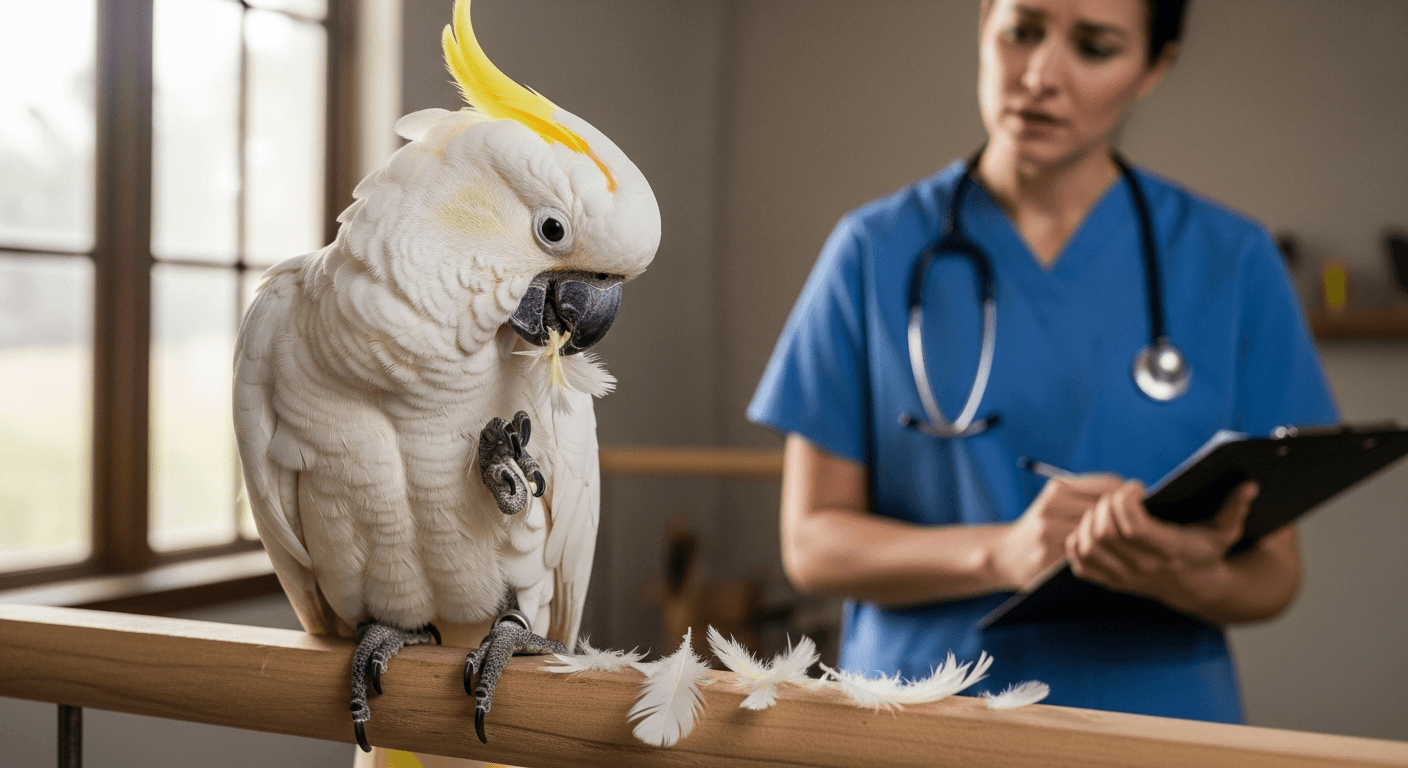
Feather Plucking in Birds: Medical and Behavioral Causes
Feather destructive behavior is one of the most complex conditions in pet birds. Learn the range of causes and why a thorough veterinary workup comes first.
 🦜 Bird & Parrot Health
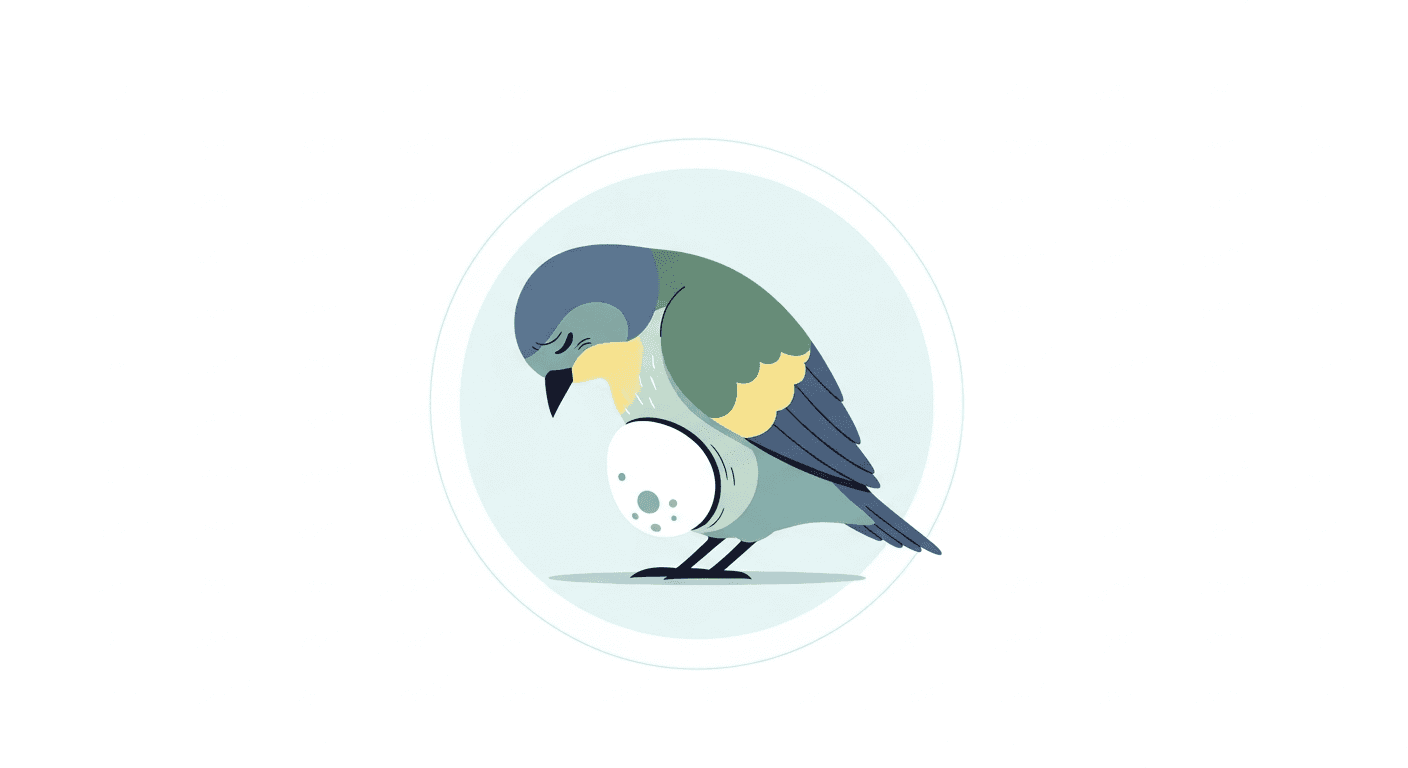
Egg Binding in Female Birds: A Life-Threatening Emergency
Egg binding is one of the most common and life-threatening reproductive emergencies in female birds. Learn to recognize it and act within hours.
 🦜 Bird & Parrot Health
Aspergillosis in Birds: A Silent but Deadly Fungal Disease
Aspergillosis is a fungal respiratory disease that develops silently in birds. Learn the risk factors, symptoms, and why early detection matters.
 🦜 Bird & Parrot Health
Daily Bird Care Routine: Essential Health Monitoring for Pet Birds
A consistent daily care routine is the most powerful disease prevention tool available to bird owners. Learn what to observe every day.