
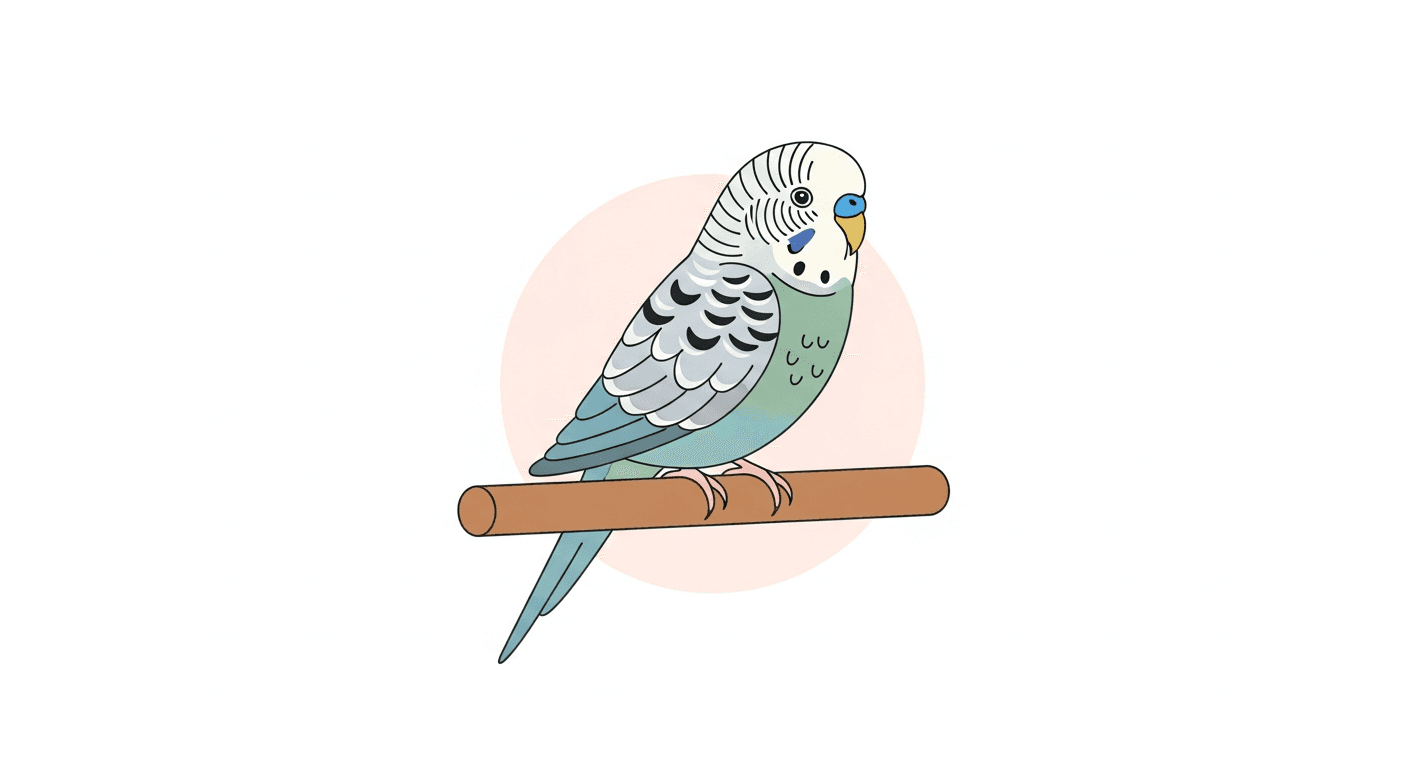
When Is a Bird "Senior"?
The answer varies enormously by species. A budgerigar is senior at age 5–6 (lifespan 8–12 years); a cockatiel at 15–18 (lifespan 20–25 years); a macaw at 30–40 (lifespan 50–80 years). The common thread is that as birds age, their organ reserve decreases, they become more sensitive to nutritional inadequacy, and age-related diseases emerge. Senior birds benefit from annual (or semi-annual) full health assessments including bloodwork rather than waiting for visible signs of illness.
First 3 Steps for Senior Bird Care
- Increase monitoring frequency: Daily weight, weekly full behavioral assessment, and twice-yearly vet exams with blood chemistry provide the earliest possible disease detection in a senior bird.
- Ensure optimal nutrition: Senior birds are less able to compensate for nutritional gaps. A high-quality pelleted diet with fresh vegetables becomes even more important. Discuss specific senior nutritional supplements (calcium, vitamins, joint support) with your avian vet.
- Evaluate and adapt the environment: Senior birds with arthritis (common in older parrots) need lower perches, easier cage access, and perch surfaces that are gentle on aging feet. Reduce environmental stressors — predictability becomes more important with age.
Common Senior Bird Conditions
- Articular gout — urate crystal deposits in joints
- Liver disease — from cumulative dietary and toxic exposure
- Cataracts — reduced vision
- Reproductive disease (females) — ovarian cysts, egg-related peritonitis
- Kidney disease — increased thirst, changes in urine output
- Atherosclerosis — increasingly common in older Amazons and Grey parrots
When to Go to the Vet Immediately
- Rapid weight loss
- Any respiratory symptoms
- Sudden changes in behavior or activity level
- Dropping changes (green urates, bloody droppings)
Track Senior Health with TailRounds
Daily weight, twice-weekly dropping assessments, and behavioral observations should all be logged in the TailRounds Daily Log for senior birds.
Book a Vet Appointment
Semi-annual wellness exams are the standard for senior birds. Book at Happy Paws for a comprehensive senior bird assessment including bloodwork and behavioral evaluation.
Summary for Your Clinic Visit
Bring your weight log, describe any behavioral changes, note the diet in detail, and raise any quality-of-life concerns with your avian vet.
Continue Reading
 🦜 Bird & Parrot Health
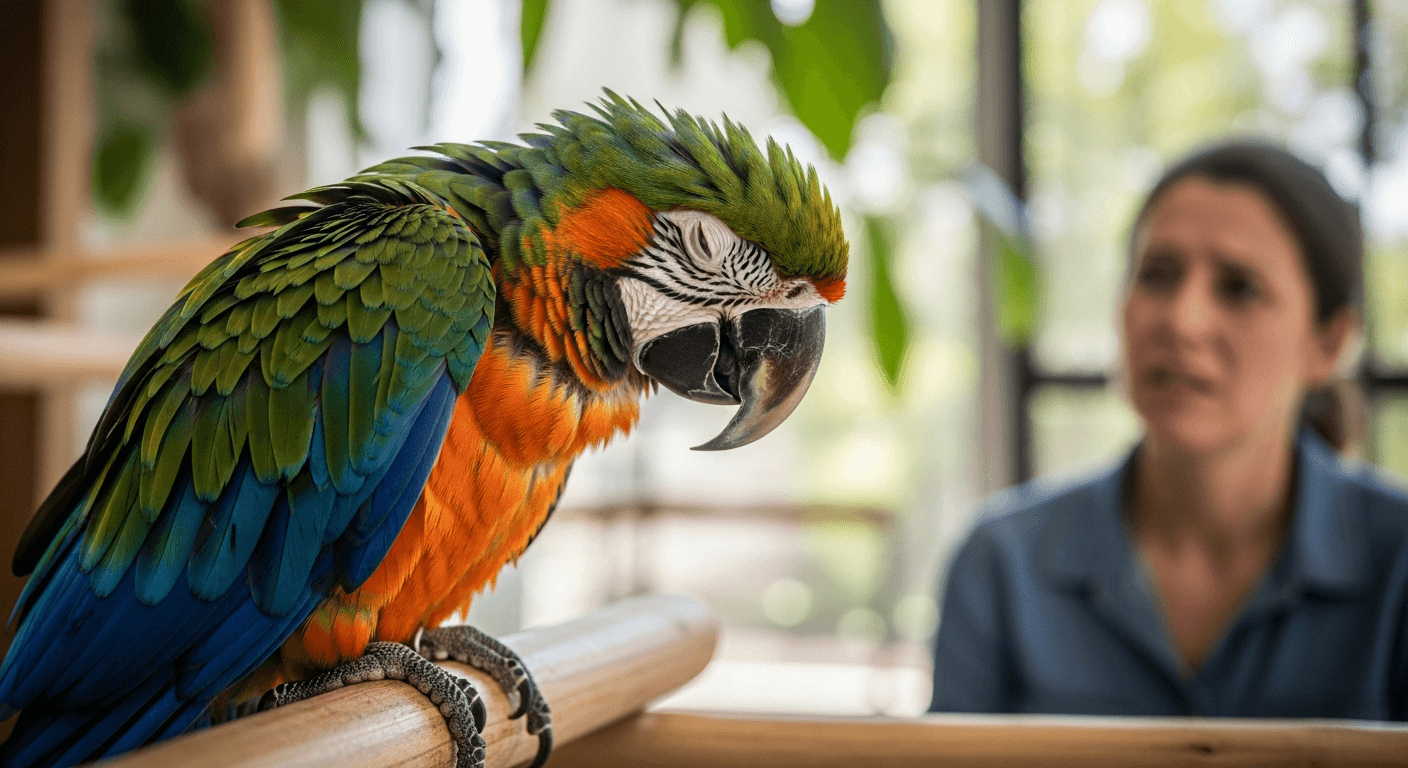
Bird Not Eating: Why It's Always Urgent
Birds hide illness until they cannot compensate. A bird not eating for even one day needs same-day veterinary care. Learn why and what to look for.
 🦜 Bird & Parrot Health
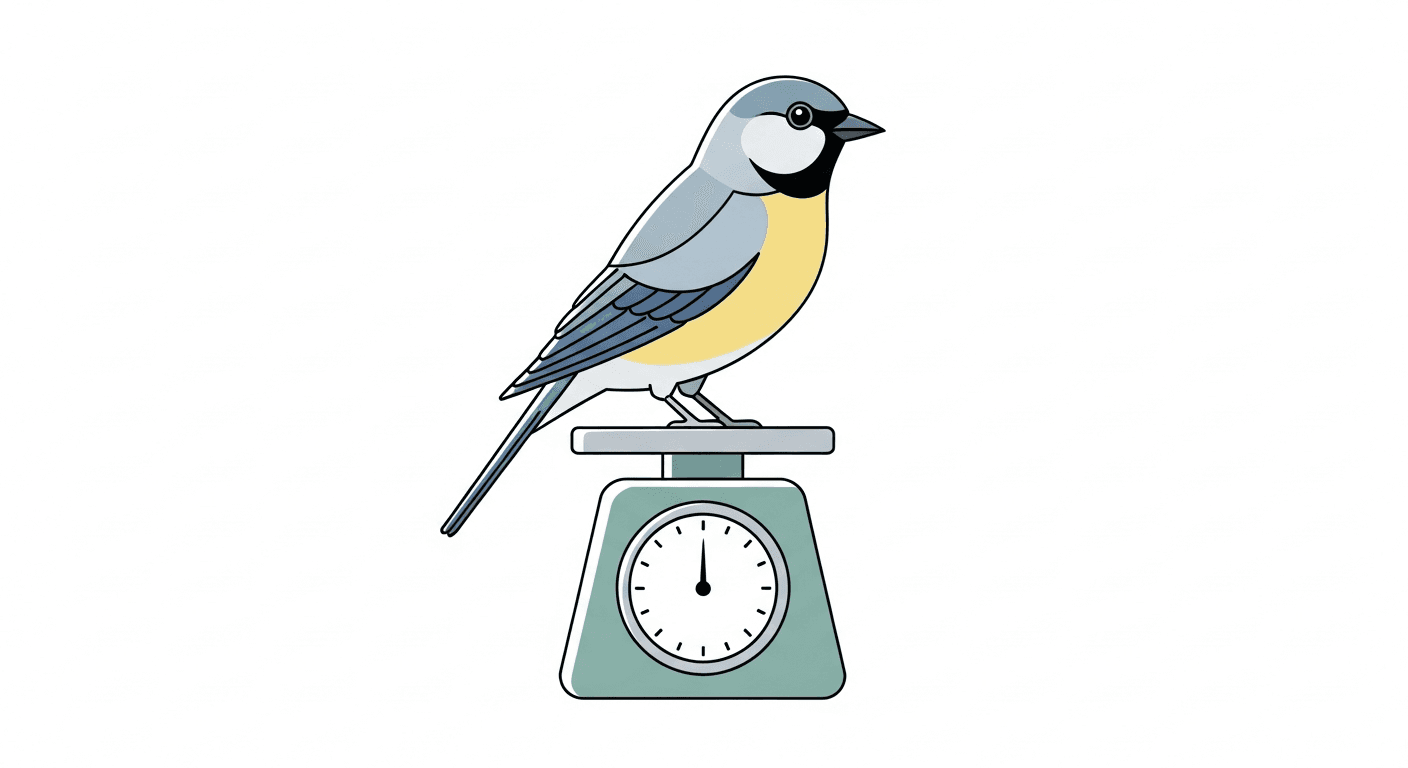
Bird Weight Loss: Why Regular Weighing Is Essential
Birds hide weight loss under their feathers until it's severe. Daily weighing on a gram scale is the most sensitive early disease detection tool for bird owners.
 🦜 Bird & Parrot Health
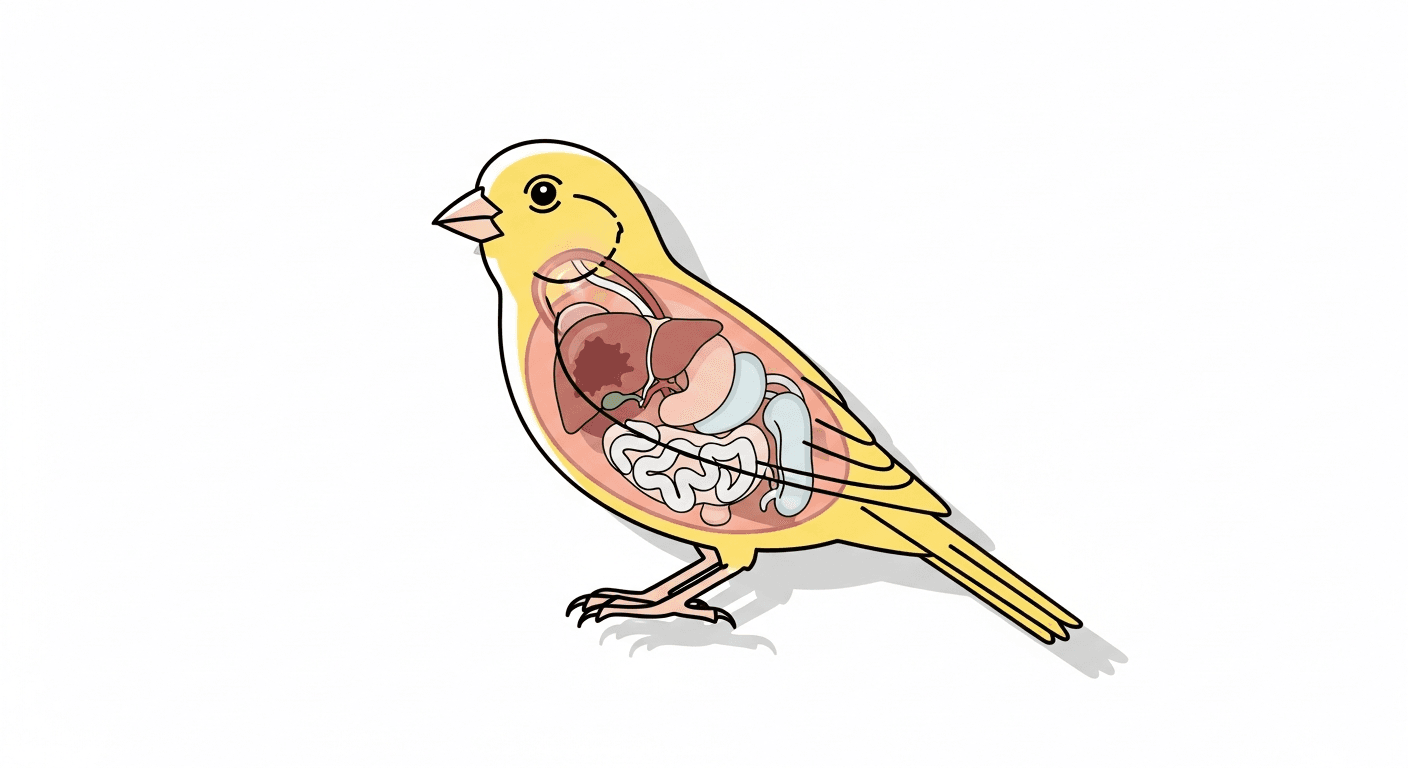
Liver Disease in Birds: Signs, Causes, and Management
Liver disease is common in pet birds, particularly those on seed-heavy diets. Learn the signs, which species are most at risk, and how it's treated.
 🦜 Bird & Parrot Health
Daily Bird Care Routine: Essential Health Monitoring for Pet Birds
A consistent daily care routine is the most powerful disease prevention tool available to bird owners. Learn what to observe every day.