
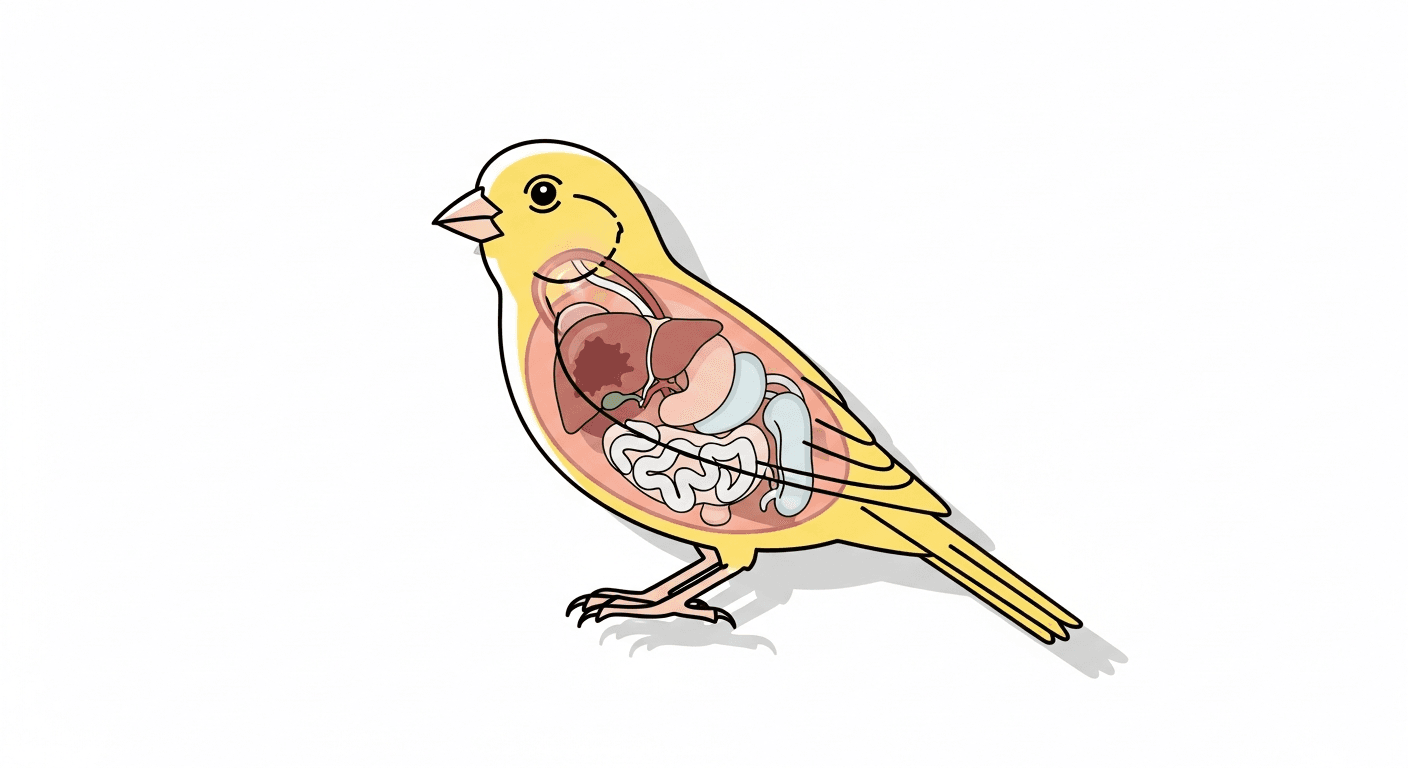
Liver Disease in Pet Birds
The liver is the most metabolically active organ in birds, and it's frequently compromised in captive birds due to dietary indiscretion. Hepatic lipidosis (fatty liver disease) is the most common form — caused by high-fat seed diets that overwhelm the liver's ability to process fats. Over time, fat accumulates in the liver cells, impairing function. Budgerigars, Amazon parrots, and Galahs are particularly susceptible. Other causes include viral hepatitis, bacterial septicemia, heavy metal toxicity, aflatoxin from moldy food, and chronic Chlamydiosis.
Signs of Liver Disease in Birds
- Greenish-yellow or dark (black-green) urates in droppings — bile pigments overflowing into urine
- Progressive weight loss despite eating
- Abdominal enlargement from liver enlargement or ascites (fluid)
- Abnormal beak growth — beak grows faster and becomes more brittle with liver disease
- Lethargy and reduced activity
- Feather abnormalities in some species
First 3 Steps to Take at Home
- Monitor droppings for color changes: Normal bird urates are white. Green or yellow-tinged urates persistently are a liver warning sign. Dark green or black urates represent more severe liver involvement.
- Remove high-fat foods immediately: Sunflower seeds, peanuts, and high-fat treats should be removed entirely. Transition to a pellet-based diet with fresh vegetables as described in the nutrition guide.
- Book an avian vet appointment for bloodwork: Liver enzyme elevation (AST, GGT, bile acids) on blood chemistry confirms the diagnosis. This is a treatable condition when caught before permanent liver damage occurs.
When to Go to the Vet Immediately
- Black or very dark green urates (severe liver involvement)
- Visible abdominal distension
- Bird not eating alongside these signs
Follow-Up Care Checklist
- Milk thistle supplementation (silymarin) is commonly used as a hepatoprotectant in birds — discuss dosing with your avian vet
- Dietary transition to low-fat, high-fiber pellet-based diet is the most important long-term intervention
- Recheck liver enzymes in 4–6 weeks to confirm dietary improvement is working
Track Urine Color with TailRounds
Log dropping appearance daily — urate color changes are often the earliest visible sign of liver disease. Note this in the TailRounds Daily Log.
Book a Vet Appointment
Persistent green urates or abdominal changes need blood chemistry evaluation. Book at Happy Paws for avian blood work and dietary consultation.
Summary for Your Clinic Visit
Bring a dropping sample if possible, describe the urate color changes, tell your vet the current diet (especially seed content), and note how long the changes have been present.
Continue Reading
 🦜 Bird & Parrot Health
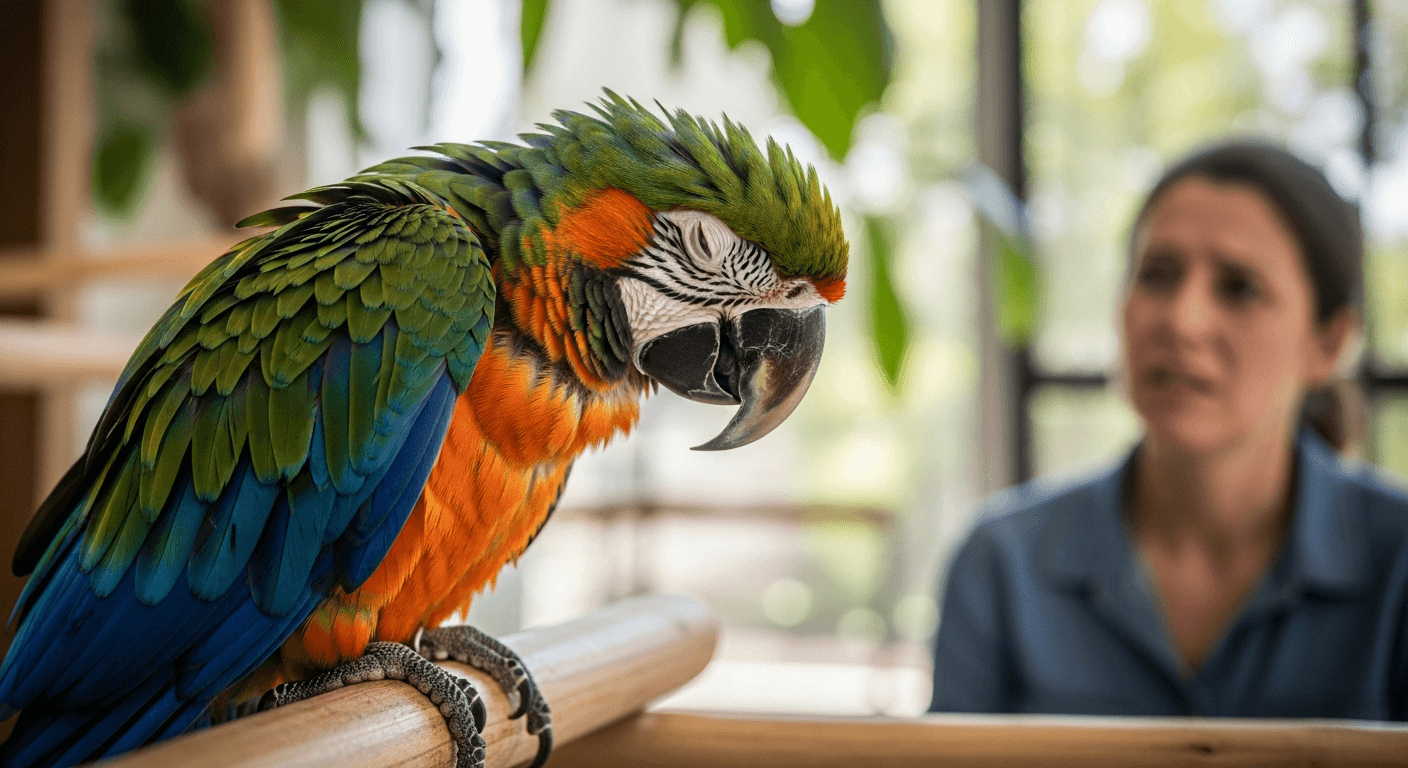
Bird Not Eating: Why It's Always Urgent
Birds hide illness until they cannot compensate. A bird not eating for even one day needs same-day veterinary care. Learn why and what to look for.
 🦜 Bird & Parrot Health
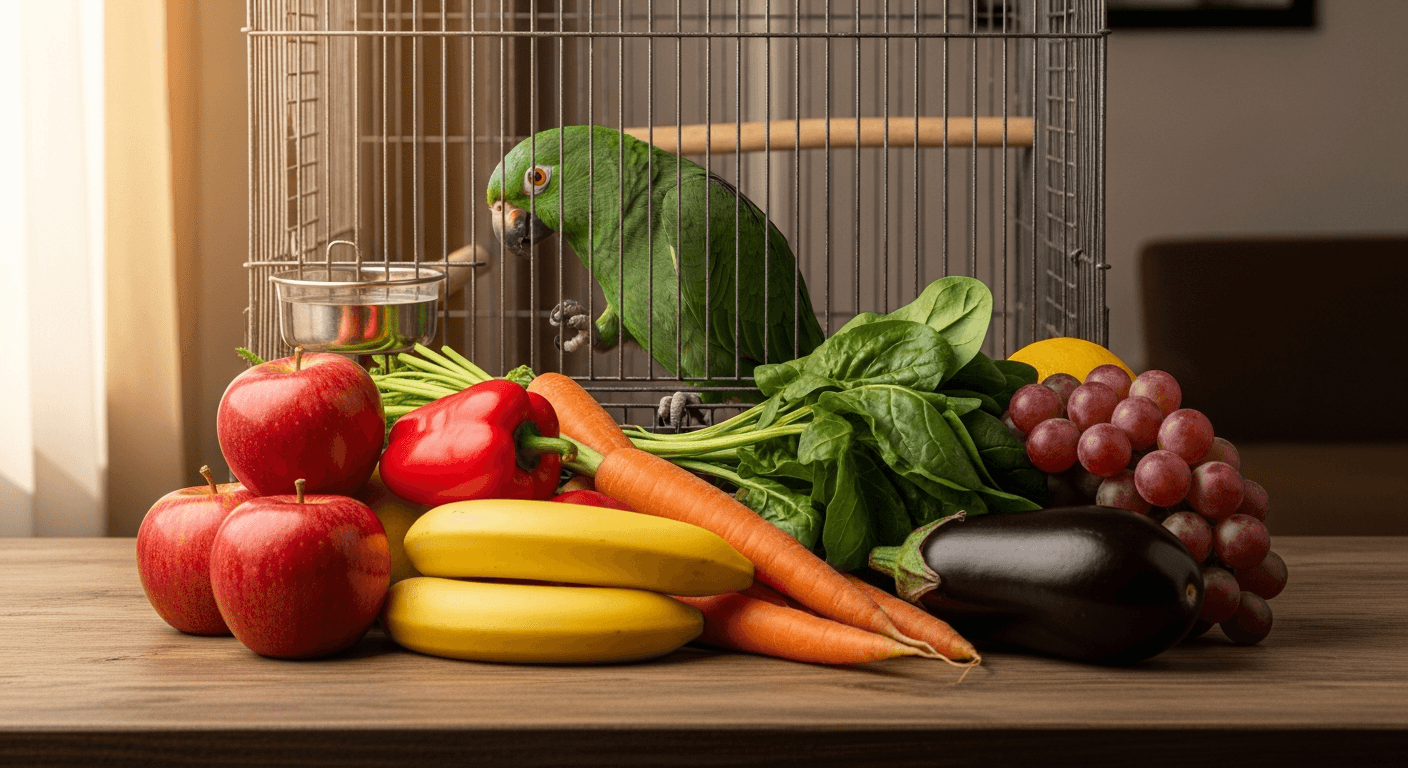
Bird Nutrition Guide: Why Seeds Alone Are Harmful
Seed-only diets cause the majority of preventable disease in pet birds. Learn the correct nutritional approach for common species and how to transition safely.
 🦜 Bird & Parrot Health
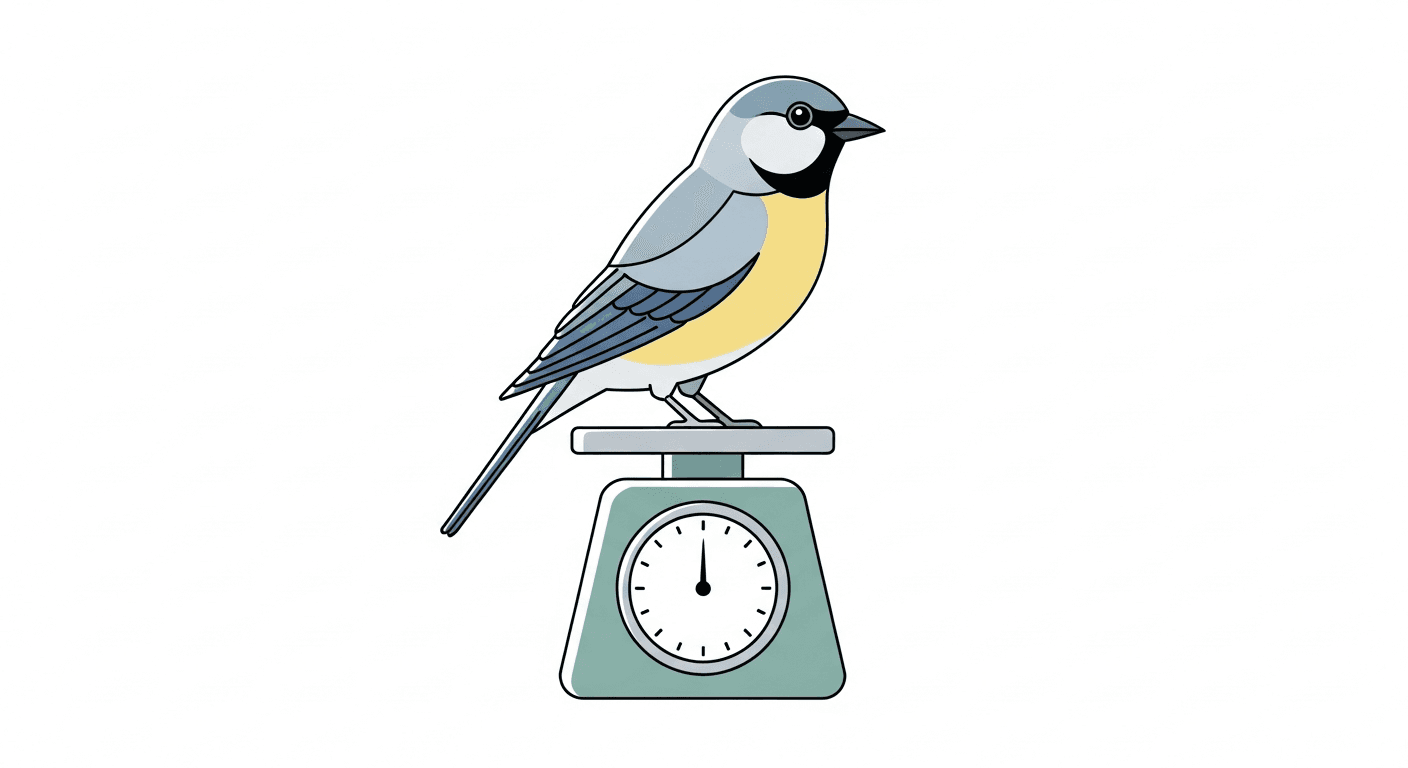
Bird Weight Loss: Why Regular Weighing Is Essential
Birds hide weight loss under their feathers until it's severe. Daily weighing on a gram scale is the most sensitive early disease detection tool for bird owners.
 🦜 Bird & Parrot Health
Daily Bird Care Routine: Essential Health Monitoring for Pet Birds
A consistent daily care routine is the most powerful disease prevention tool available to bird owners. Learn what to observe every day.