
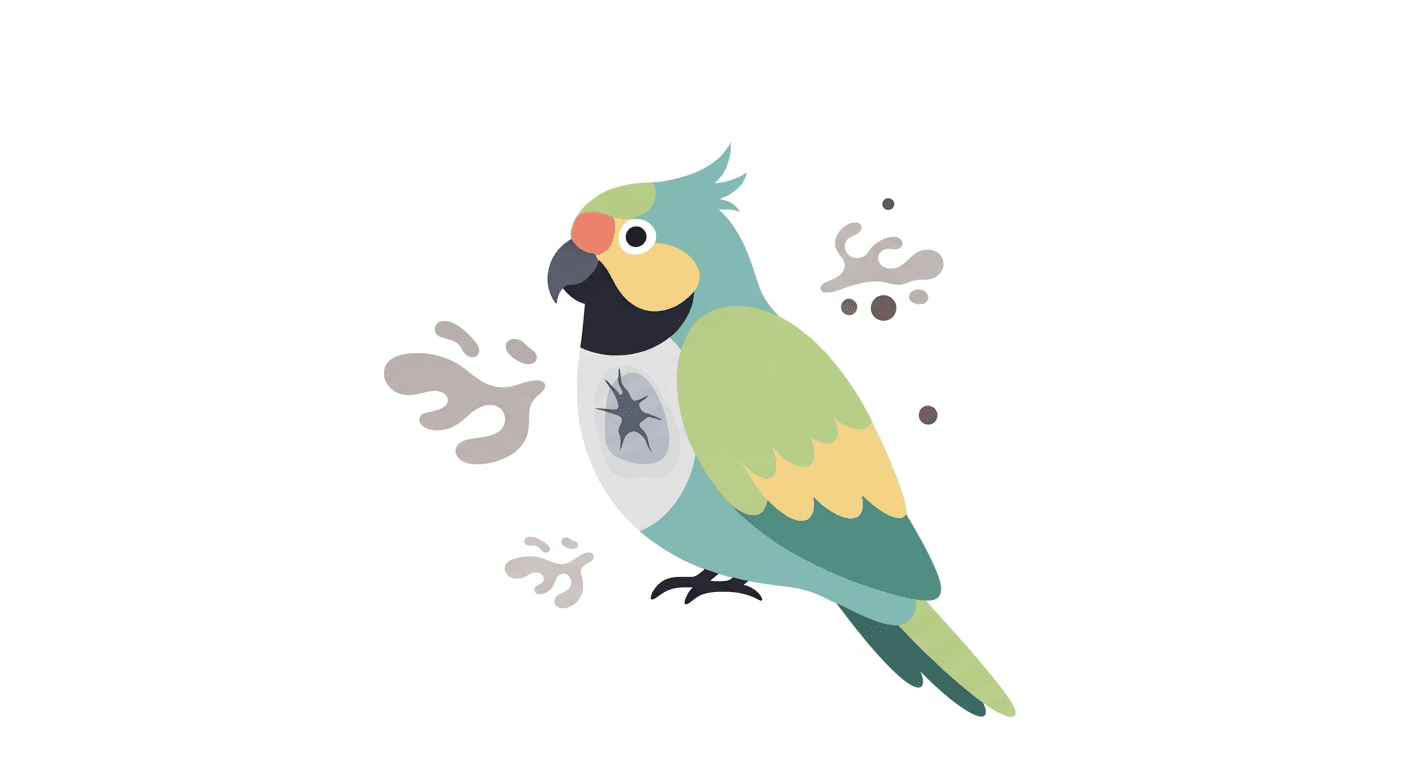
What Is Aspergillosis?
Aspergillosis is a fungal infection caused by Aspergillus species, most commonly A. fumigatus. Aspergillus spores are ubiquitous in the environment — found in hay, straw, damp bedding, decaying organic matter, and potting soil. Most healthy birds are exposed to spores without developing disease. The problem arises in birds with suppressed immune systems — from stress, concurrent illness, nutritional deficiency, or heavy antibiotic use. The fungus colonizes the respiratory tract (especially the air sacs) and is notoriously difficult to treat once established.
Aspergillosis is particularly insidious because birds develop it gradually and hide symptoms. By the time obvious respiratory distress appears, the infection may be very advanced.
Risk Factors for Aspergillosis
- Exposure to moldy food, hay, or damp substrate
- Poor ventilation or high humidity in the bird's environment
- Prolonged antibiotic therapy (disrupts protective bacteria)
- Chronic stress or concurrent illness
- Vitamin A deficiency (seed-only diets) — dramatically increases susceptibility
- Species predisposition: African Grey parrots are particularly susceptible
First 3 Steps to Reduce Risk
- Ensure excellent ventilation: Stagnant, damp air promotes spore accumulation. Provide good air circulation without direct drafts on the bird. Clean the bird's environment thoroughly and regularly.
- Transition from a seed-only diet to pellets: Vitamin A, found in high-quality pellets and orange-yellow vegetables, is critical for maintaining the integrity of the respiratory mucosa — the first line of defense against Aspergillus. Seed diets are severely deficient in vitamin A.
- Minimize unnecessary antibiotic courses: When antibiotics are required, ensure they are given at the correct dose and duration — partial courses are worse than none. Discuss prophylactic antifungal use with your vet when prolonged antibiotics are needed.
When to Go to the Vet Immediately
- Any respiratory symptoms in a bird known to be at high risk for Aspergillosis
- Weight loss and lethargy without obvious cause
- Any African Grey parrot with respiratory symptoms — prompt diagnosis is critical
Follow-Up Care Checklist
- Treatment requires long-term antifungal therapy (voriconazole or itraconazole) — weeks to months depending on severity
- Monitoring with imaging (radiographs or CT scan) to assess treatment response
- Remove all environmental mold sources permanently
- Nutritional support to address underlying deficiencies
Track Respiratory Health with TailRounds
Log daily respiratory rate, breathing quality, and weight in the TailRounds Daily Log for birds undergoing Aspergillosis treatment.
Book a Vet Appointment
Any respiratory symptoms in an at-risk bird needs prompt evaluation. Book at Happy Paws for avian diagnostics including endoscopy and culture if needed.
Summary for Your Clinic Visit
Tell your vet the bird's species, diet, environment (humidity, ventilation), any recent antibiotic treatment, and the timeline and character of respiratory symptoms.
Continue Reading
 🦜 Bird & Parrot Health
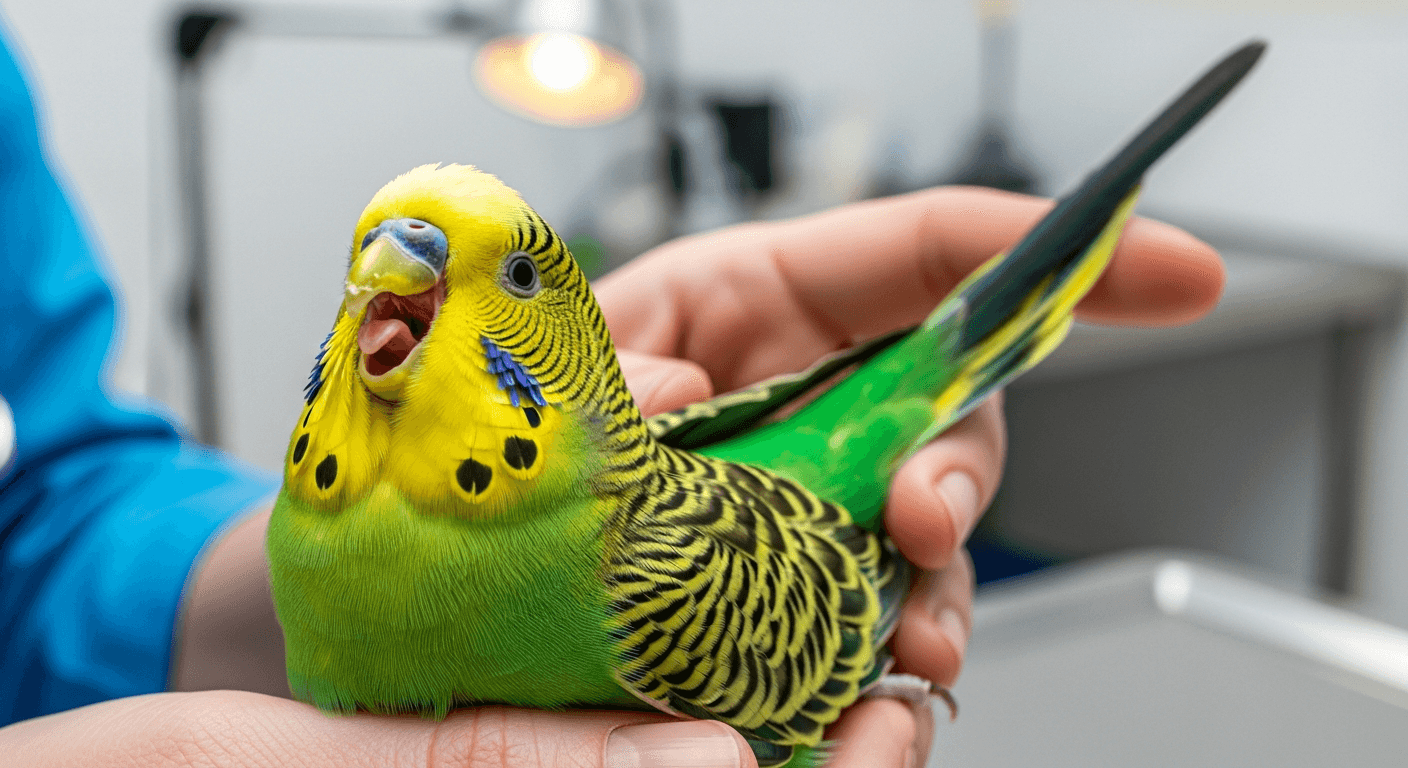
Bird Respiratory Problems: Tail Bobbing, Open-Mouth Breathing, and What to Do
Respiratory disease in birds progresses rapidly. Learn to recognize the signs of respiratory distress, the common causes, and why this is always urgent.
 🦜 Bird & Parrot Health
Bird Not Eating: Why It's Always Urgent
Birds hide illness until they cannot compensate. A bird not eating for even one day needs same-day veterinary care. Learn why and what to look for.
 🦜 Bird & Parrot Health
Lethargic Bird: Always Take It Seriously
A bird that appears lethargic — fluffed, quiet, eyes closing — is seriously unwell. Learn why lethargy is always urgent in birds and what to do immediately.
 🦜 Bird & Parrot Health
Daily Bird Care Routine: Essential Health Monitoring for Pet Birds
A consistent daily care routine is the most powerful disease prevention tool available to bird owners. Learn what to observe every day.