
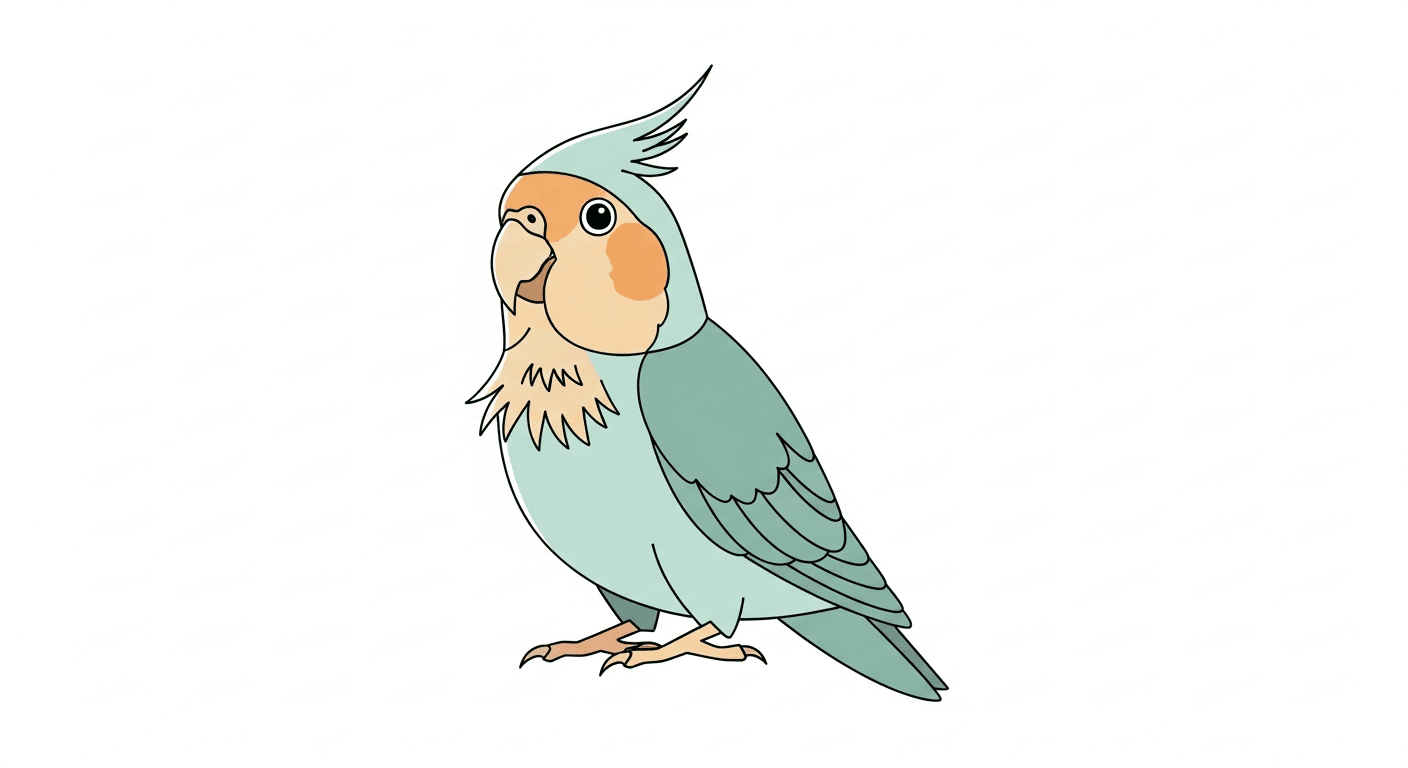
What Is PBFD?
Psittacine Beak and Feather Disease (PBFD) is caused by Beak and Feather Disease Virus (BFDV), a circovirus. It primarily affects psittacines (parrots, cockatoos, lorikeets, and related species) worldwide and is one of the most significant infectious diseases in captive birds. The virus attacks the immune system and feather follicles, causing progressive, irreversible feather abnormalities and immunosuppression. Most affected birds eventually die from secondary infections as their immune system fails. There is no cure.
Signs of PBFD
- Abnormal feathers: short, club-shaped, retained in sheaths, discolored, or breaking easily
- Feather loss progressing over successive molts
- Beak abnormalities in advanced cases: overgrowth, fractures, loss of normal beak color or texture
- General deterioration: weight loss, lethargy, susceptibility to secondary infections
- Young birds may develop peracute disease with rapid death before feather changes appear
First 3 Steps to Protect Your Birds
- Test any new bird before introducing to your flock: PCR testing of blood and feather samples detects BFDV. Any bird testing positive should be kept strictly isolated from other psittacines. Quarantine new birds for at least 90 days and test twice — once at arrival and once before introduction.
- Understand transmission routes: PBFD spreads through feather dust, dried feces, crop secretions, and aerosols. Infected birds shed virus even before showing symptoms. Contaminated environments remain infectious for months.
- Test birds showing abnormal feathers promptly: Distinguishing PBFD from nutritional feather problems, PSITTACOSIS, or behavioral plucking requires PCR testing. Early diagnosis allows decisions about isolation and management of other birds.
When to Go to the Vet Immediately
- Any bird with abnormal feathers from the first molt — young bird PBFD can progress rapidly
- Any bird in a collection where PBFD is suspected or confirmed
- A new bird developing feather abnormalities within weeks of purchase
Follow-Up Care Checklist
- Confirmed PBFD birds: focus on quality supportive care and prevention of secondary infections
- Strict isolation from all other psittacines for life
- Disinfection of all shared equipment — BFDV is resistant to many common disinfectants; use appropriately diluted oxidizing disinfectants
- Annual testing of all birds in a collection where exposure has occurred
Track Health with TailRounds
Log feather condition, weight, and general health in the TailRounds Daily Log for all psittacines, especially newly acquired birds.
Book a Vet Appointment
Abnormal feather development in a parrot requires PBFD testing. Book at Happy Paws immediately for PCR testing and isolation advice.
Summary for Your Clinic Visit
Tell your vet the bird's species, age, where it was acquired, which feathers are abnormal, any other birds in the household, and whether any in-contact birds have similar signs.
Continue Reading
 🦜 Bird & Parrot Health
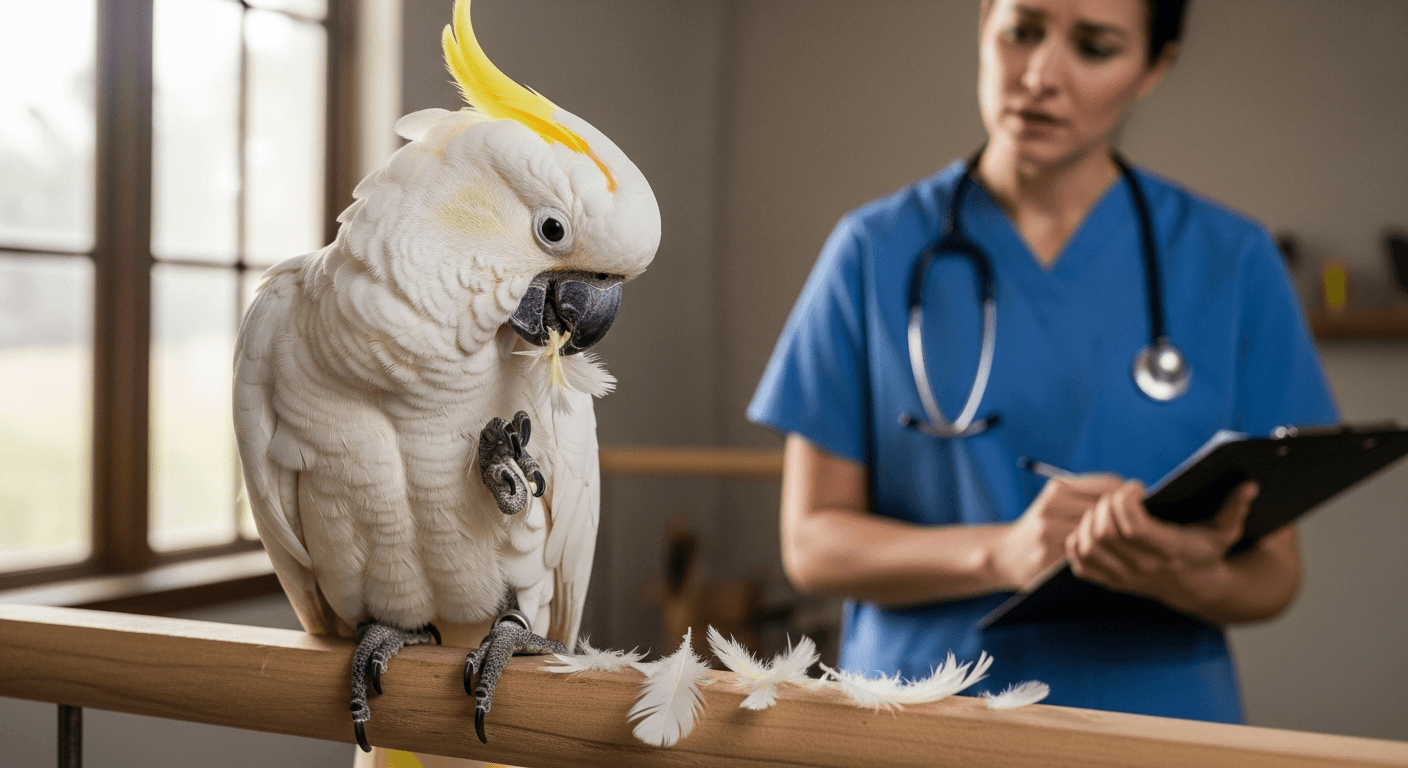
Feather Plucking in Birds: Medical and Behavioral Causes
Feather destructive behavior is one of the most complex conditions in pet birds. Learn the range of causes and why a thorough veterinary workup comes first.
 🦜 Bird & Parrot Health
Bird Not Eating: Why It's Always Urgent
Birds hide illness until they cannot compensate. A bird not eating for even one day needs same-day veterinary care. Learn why and what to look for.
 🦜 Bird & Parrot Health
Lethargic Bird: Always Take It Seriously
A bird that appears lethargic — fluffed, quiet, eyes closing — is seriously unwell. Learn why lethargy is always urgent in birds and what to do immediately.
 🦜 Bird & Parrot Health
Daily Bird Care Routine: Essential Health Monitoring for Pet Birds
A consistent daily care routine is the most powerful disease prevention tool available to bird owners. Learn what to observe every day.