
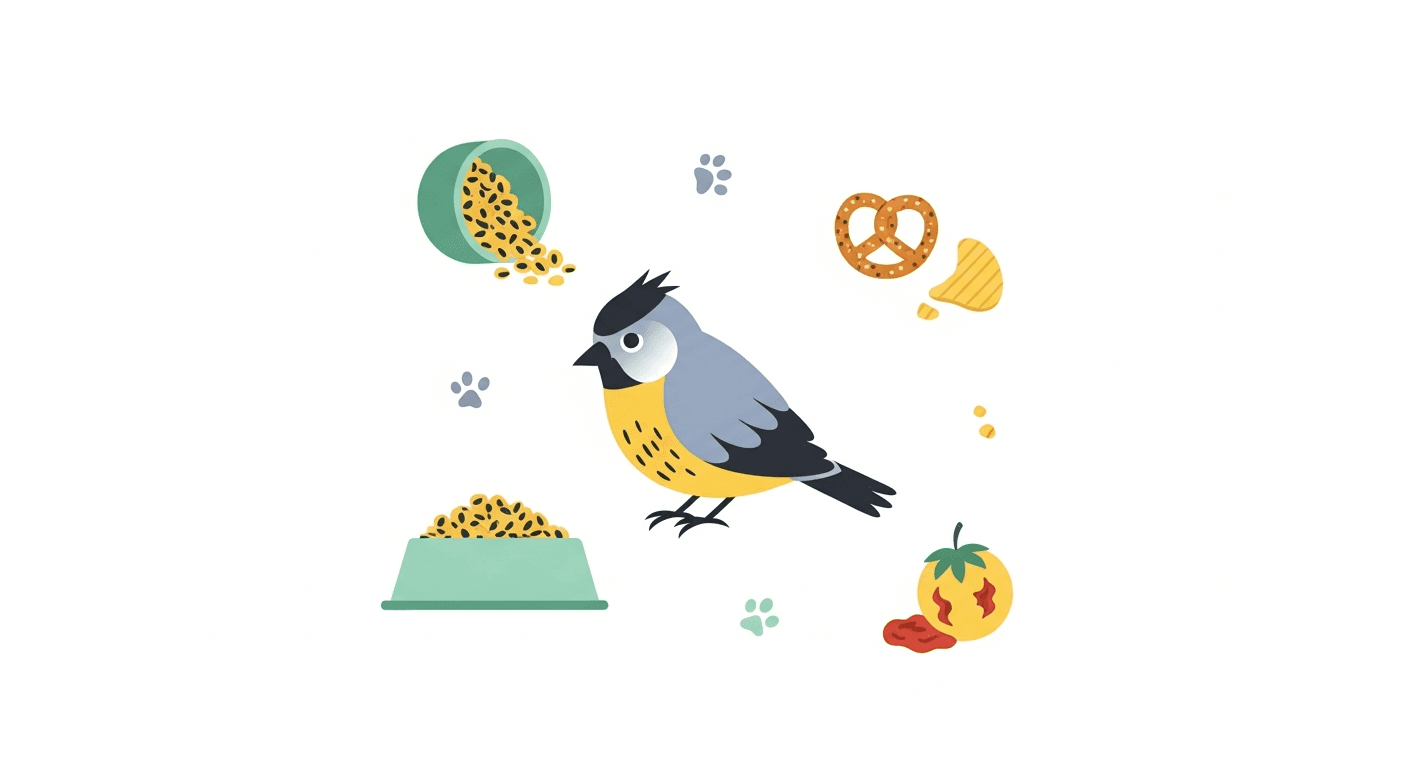
Why Seed-Only Diets Are a Leading Cause of Bird Death
Seeds are high in fat and carbohydrates and deficient in virtually every vitamin and amino acid a bird needs for long-term health. A bird living on seeds alone is in a state of chronic nutritional deficiency — similar to a human surviving on nothing but white bread. The consequences accumulate invisibly: vitamin A deficiency leads to respiratory and immune problems, calcium deficiency causes egg binding and soft bones, and fatty liver disease from excess fat shortens lifespan by years.
This is entirely preventable, but transitioning a seed-addicted bird to a balanced diet requires patience and strategy.
First 3 Steps at Home
- Introduce pellets alongside seeds: Do not remove seeds abruptly — a bird that refuses new food and goes without eating for more than 24–48 hours is at risk of dangerous weight loss. Offer a high-quality pellet (Harrison's, Roudybush, Zupreem natural) alongside the current diet, and gradually reduce the seed proportion over 6–12 weeks. Weigh daily during the transition.
- Add fresh vegetables daily: Even before pellet transition is complete, begin offering dark leafy greens (kale, chard, romaine), orange vegetables (sweet potato, carrot), and legumes. These provide vitamins A and K that seeds lack. Introduce one new food at a time so the bird can explore without overwhelm.
- Remove unsafe foods permanently: Avocado, chocolate, onion, garlic, caffeine, alcohol, and fruit seeds (apple, cherry, peach pits) are all toxic to birds to varying degrees. Grapes and raisins are high risk. Salt should be avoided. Many bird owners unknowingly offer harmful foods.
When to Go to the Vet Immediately
- Weight loss of more than 5–10% of body weight during diet transition
- Bird refusing all new foods and eating minimal seeds for 48 hours
- Signs of vitamin A deficiency: nasal discharge, eye discharge, respiratory wheezing, dull feathers
- Suspected toxin ingestion — any toxic food eaten, even a small amount
Follow-Up Care Checklist
- Target a diet of 60–70% high-quality pellets, 20–30% fresh vegetables and fruits, and less than 10% seeds/treats for most species
- Weigh your bird weekly — weight is the most reliable indicator of dietary adequacy
- Provide a calcium source: cuttlebone or mineral block freely available
- Schedule a nutritional wellness exam annually
- Avoid fruit-only diets — high sugar, low protein and fat for most species
Track Diet with TailRounds
Log everything your bird eats daily in the TailRounds Daily Log alongside weekly weight. This record helps you measure transition progress and provides your vet with accurate dietary history for any health assessment.
Book a Vet Appointment
A nutritional consultation with an avian vet is one of the best investments in your bird's longevity. Book at Happy Paws for a dietary assessment and personalized feeding plan.
Summary for Your Clinic Visit
Bring a detailed record of the current diet including brand names of any pellets and seeds, what fresh foods are offered, and your bird's current weight trend over the past 2–4 weeks.
Continue Reading
 🦜 Bird & Parrot Health
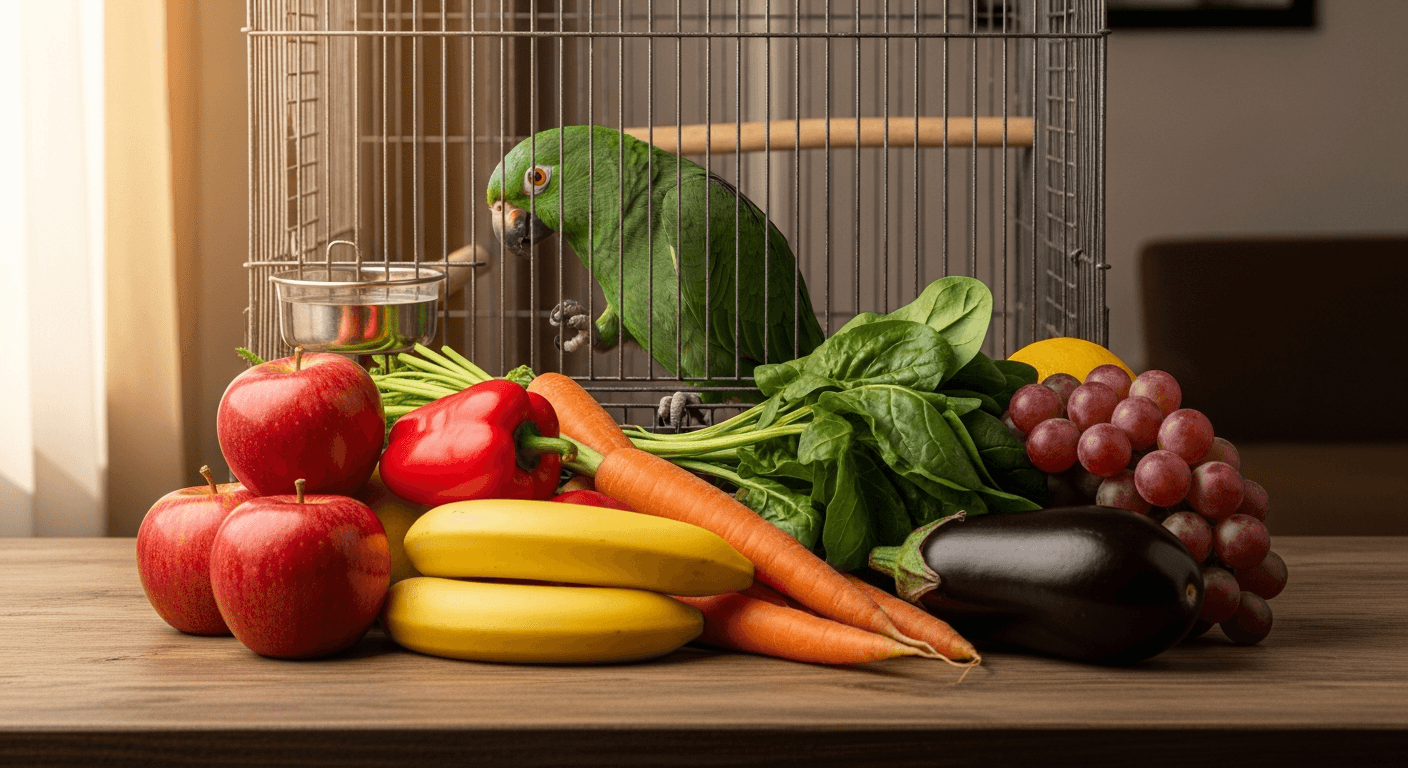
Bird Nutrition Guide: Why Seeds Alone Are Harmful
Seed-only diets cause the majority of preventable disease in pet birds. Learn the correct nutritional approach for common species and how to transition safely.
 🦜 Bird & Parrot Health
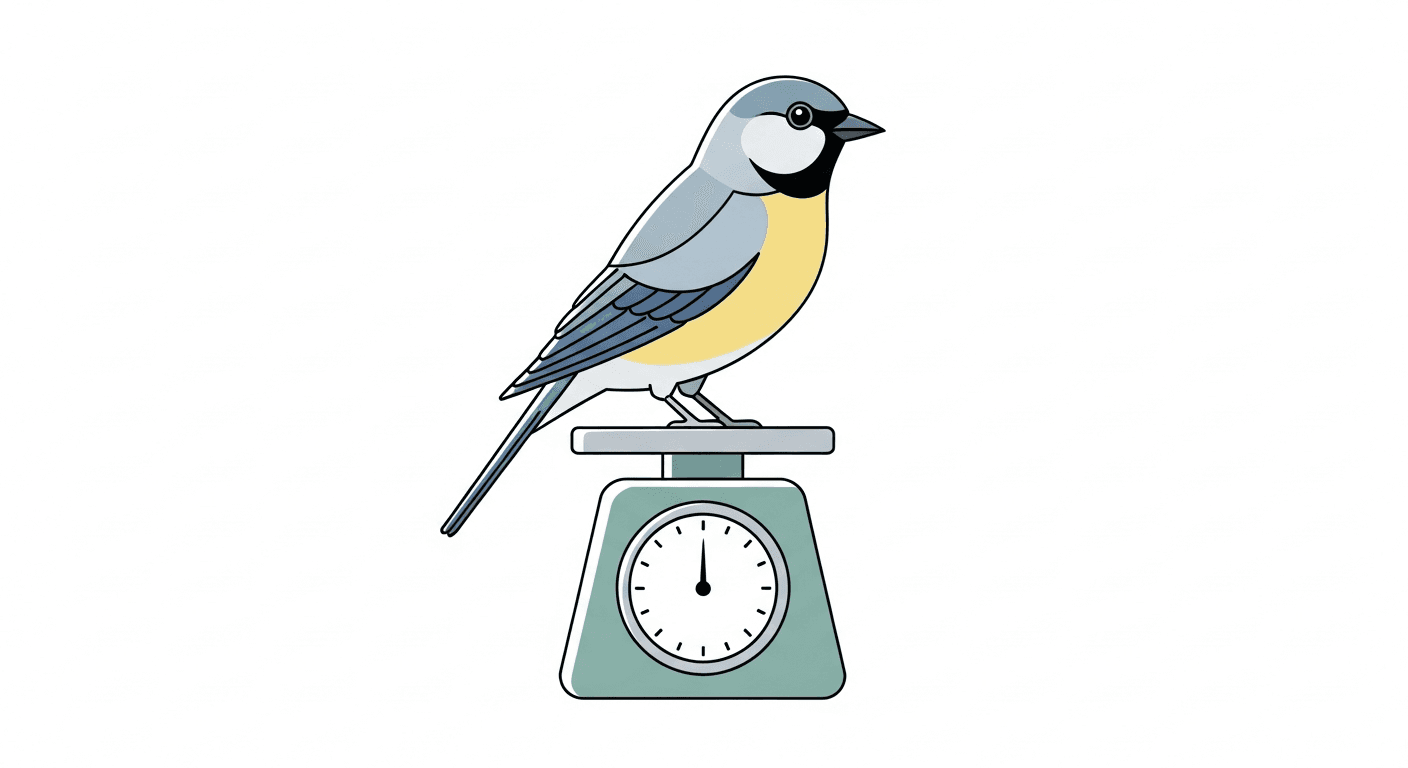
Bird Weight Loss: Why Regular Weighing Is Essential
Birds hide weight loss under their feathers until it's severe. Daily weighing on a gram scale is the most sensitive early disease detection tool for bird owners.
 🦜 Bird & Parrot Health
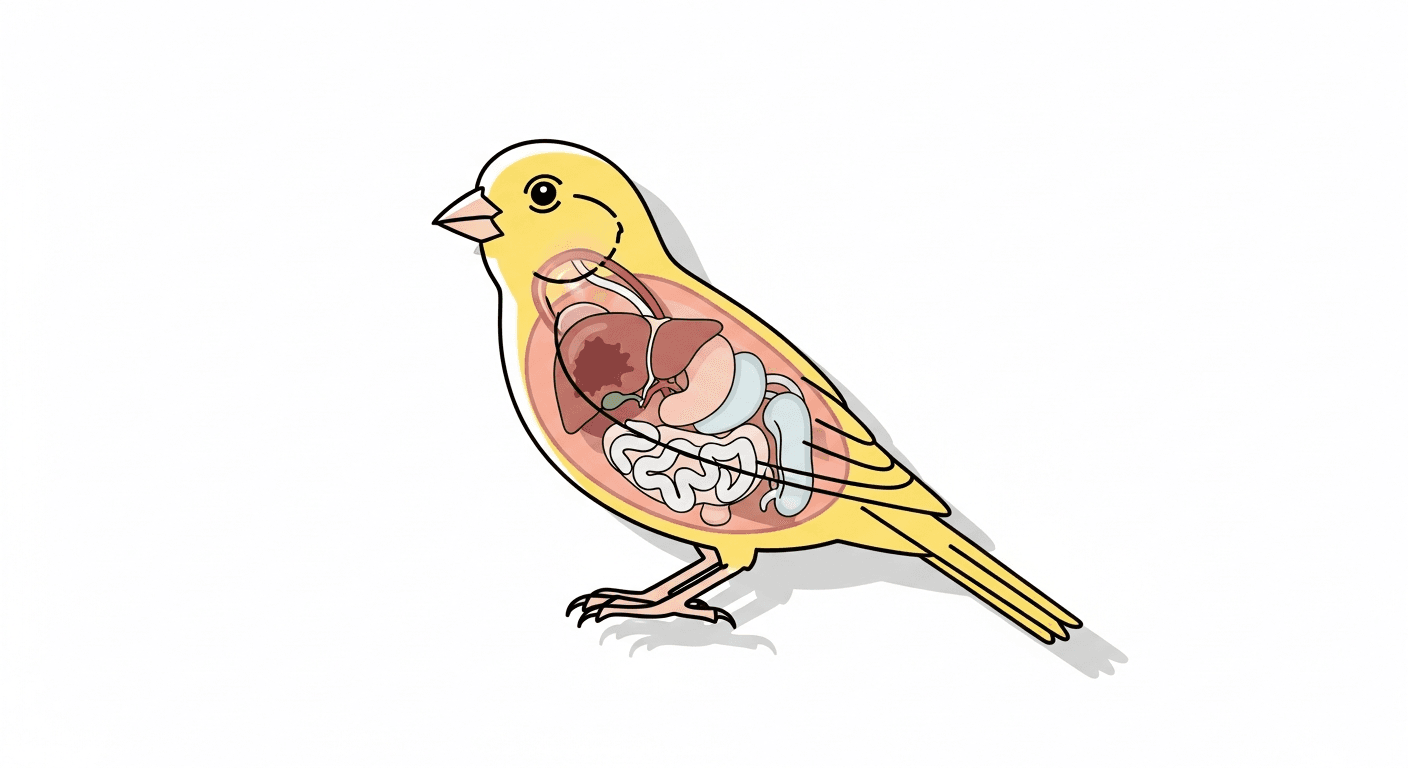
Liver Disease in Birds: Signs, Causes, and Management
Liver disease is common in pet birds, particularly those on seed-heavy diets. Learn the signs, which species are most at risk, and how it's treated.
 🦜 Bird & Parrot Health
Daily Bird Care Routine: Essential Health Monitoring for Pet Birds
A consistent daily care routine is the most powerful disease prevention tool available to bird owners. Learn what to observe every day.