
What Is Molting in Birds?
Molting is the natural process of shedding old feathers and growing new ones. Most birds molt 1–2 times per year, and the timing often corresponds to seasonal light changes. During molt, the bird grows pin feathers — blood feathers with an active blood supply — that gradually unfurl into full feathers over days to weeks.
A molting bird is often temporarily more irritable, tired, and may eat more as the feather-growing process is nutritionally demanding. This is all normal. What is not normal is excessive feather loss with no replacement, broken feathers, or feather loss concentrated in areas the bird can reach with its beak.
First 3 Steps at Home
- Distinguish molting from plucking: Normal molt results in symmetric, gradual feather loss across the body, with new pin feathers visible growing in. Plucking results in bare patches (often on the chest, under wings, or legs — places the bird can reach) with no pin feathers visible. If in doubt, check whether the lost feathers have a complete shaft or appear pulled/chewed.
- Increase nutritional support during molt: Feather production requires significant protein (keratin) and micronutrients. Temporarily increase protein-rich foods during heavy molt — cooked egg, legumes, high-quality pellets. Ensure calcium and vitamin D are adequate as feathers compete with bone for nutrients.
- Provide warmth and reduce stress: Molting birds are slightly more vulnerable to cold and stress. Keep the bird at the warmer end of its comfortable temperature range and minimize changes to routine or environment during heavy molt periods.
When to Go to the Vet Immediately
- Bleeding pin feather — blood feathers that are damaged bleed significantly; the feather may need to be removed by the vet
- Feather loss with no regrowth visible after 4–6 weeks
- Apparent pain around the feather follicles — flinching when touched near bare patches
- Feather loss in areas the bird cannot reach with its beak — suggests systemic cause, not plucking
- Any concurrent illness signs alongside feather changes
Follow-Up Care Checklist
- Help with preening hard-to-reach pin feathers on the head if the bird is bonded to you — this reduces discomfort
- Offer bathing opportunities during molt — wet feathers unfurl more easily from the pin stage
- Avoid handling pin feathers directly — they are sensitive and handling causes pain
- Monitor for plucking behaviors that begin during a molt and continue after it should have ended
Track Molt Progress with TailRounds
Log daily feather condition observations, any notable feather loss, appetite, and energy level during molt in the TailRounds Daily Log. This helps you identify when a normal molt transitions into a problematic one.
Book a Vet Appointment
If feather loss is concerning or molt seems prolonged, book an avian wellness exam. Book at Happy Paws — our team can assess feather follicle health and check for nutritional or hormonal causes of abnormal molt.
Summary for Your Clinic Visit
Describe the pattern of feather loss (symmetric or localized), whether pin feathers are visible, current diet, molt timing relative to the year, and any behavioral changes during this period.
Continue Reading
 🦜 Bird & Parrot Health
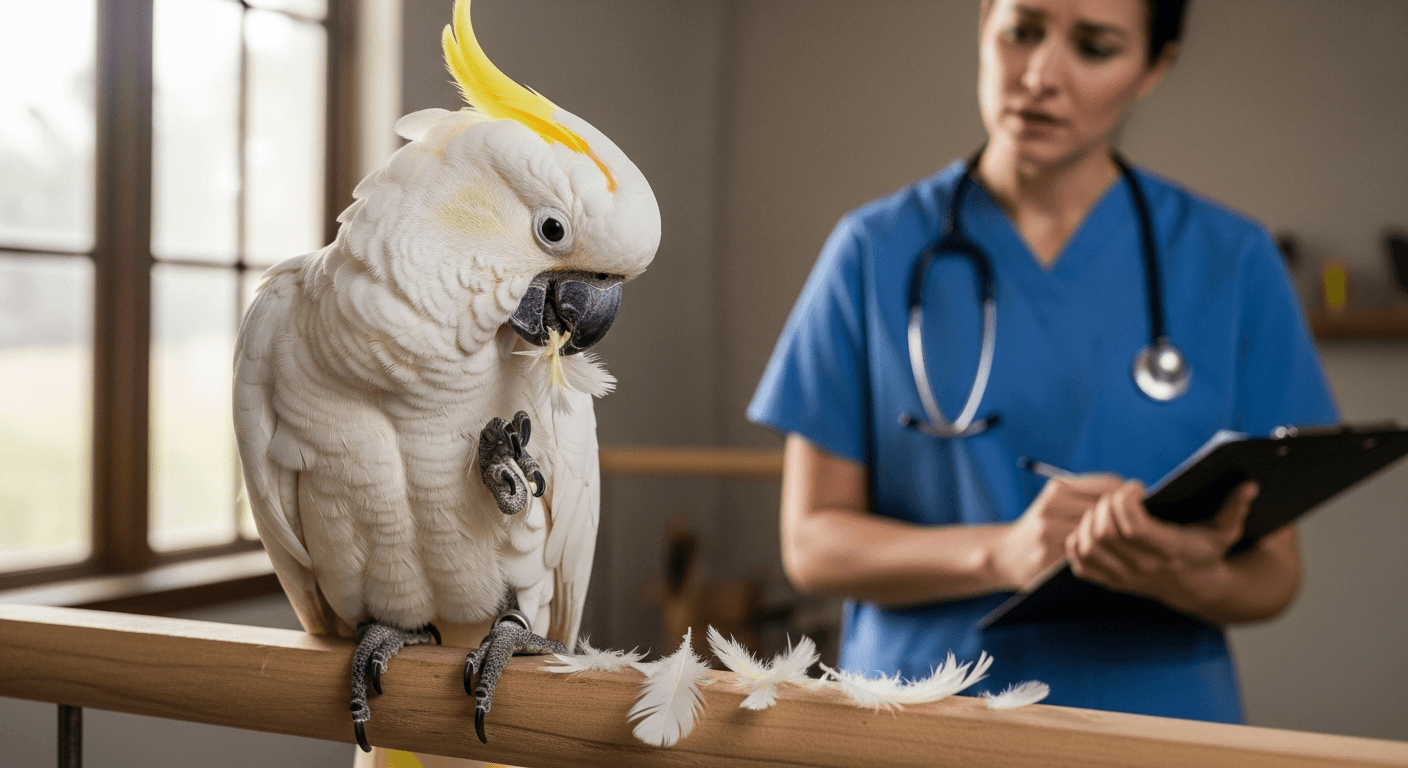
Feather Plucking in Birds: Medical and Behavioral Causes
Feather destructive behavior is one of the most complex conditions in pet birds. Learn the range of causes and why a thorough veterinary workup comes first.
 🦜 Bird & Parrot Health
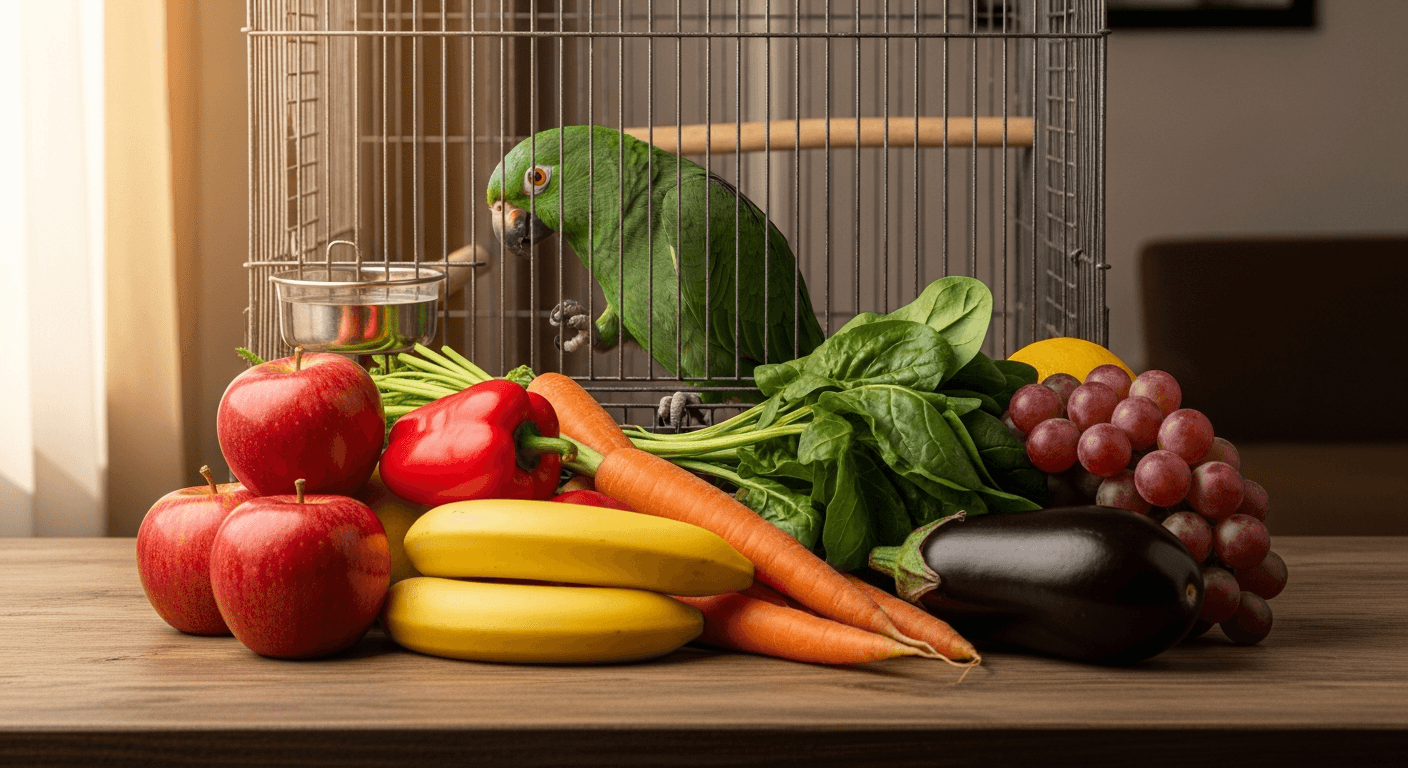
Bird Nutrition Guide: Why Seeds Alone Are Harmful
Seed-only diets cause the majority of preventable disease in pet birds. Learn the correct nutritional approach for common species and how to transition safely.
 🦜 Bird & Parrot Health
Bird Skin and Feather Follicle Problems: Infections and Injuries
Bacterial, fungal, and parasitic infections of bird skin are more common than most owners realize. Learn the signs and how each is treated.
 🦜 Bird & Parrot Health
Daily Bird Care Routine: Essential Health Monitoring for Pet Birds
A consistent daily care routine is the most powerful disease prevention tool available to bird owners. Learn what to observe every day.