
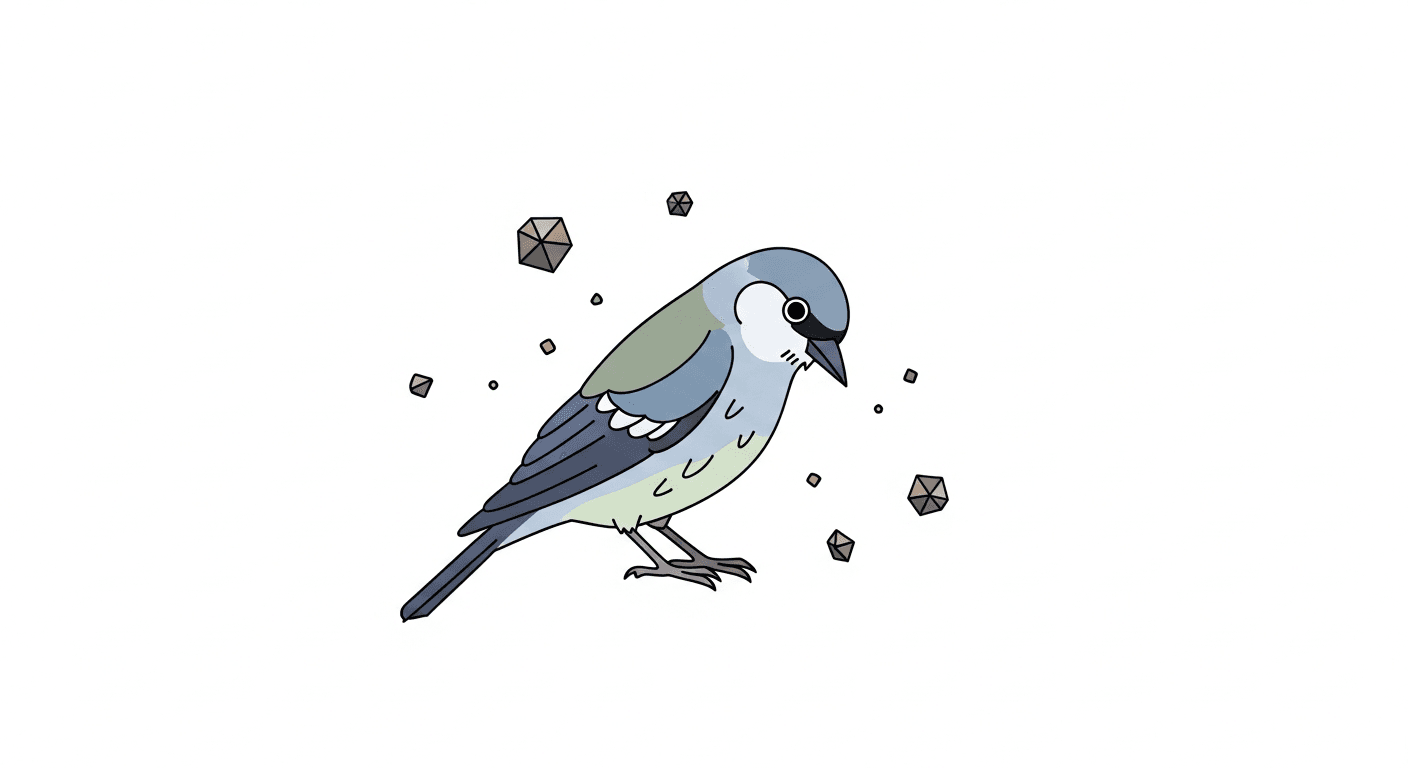
Why Heavy Metal Toxicity Is Common in Birds
Birds are naturally curious and chew everything. This behavior puts them at risk from heavy metals found in many common household items. Lead sources include old paint (especially in older homes pre-1978), stained glass and lead-framing, some costume jewelry, fishing weights, certain battery components, and wine bottle foil. Zinc sources include galvanized cage wire (newly galvanized wire leaches zinc), certain toys with metallic components, pennies (post-1982 U.S. cents are 97.5% zinc), and some padlocks. Both metals cause severe neurological damage and organ failure.
Signs of Heavy Metal Toxicity
- Neurological signs: seizures, tremors, ataxia, weakness, falling off perch
- Gastrointestinal signs: vomiting, diarrhea (often blood-tinged or dark), straining
- Extreme lethargy or complete collapse
- Polyuria (large amounts of dilute urine in droppings)
- Green-colored urates (liver involvement)
- Sudden behavioral changes: aggression, self-mutilation
First 3 Steps to Take at Home
- Remove all suspected metal sources immediately: Survey the bird's environment for any metallic items the bird may have chewed — galvanized wire, old toys with metallic parts, jewelry. Remove them now even before diagnosis is confirmed.
- Go to the vet immediately — do not wait: Heavy metal toxicity progresses to irreversible neurological damage within hours. Any bird showing neurological signs, extreme lethargy, or gastrointestinal bleeding after possible metal exposure needs emergency treatment.
- Don't induce vomiting: Birds cannot vomit voluntarily and have a very different GI anatomy — do not attempt to make the bird vomit at home.
When to Go to the Vet Immediately
- Any neurological signs (seizures, tremors, inability to balance)
- Blood in droppings with known metal exposure
- Sudden complete collapse in a bird known to have access to metal items
Follow-Up Care Checklist
- Chelation therapy (CaEDTA or DMSA) is the primary treatment — requires hospitalization or intensive outpatient management
- Replace all galvanized wire with stainless steel in bird cages permanently
- Remove all non-stainless metal toys, clips, and accessories from the bird's environment
- Recheck blood metals levels after chelation to confirm successful treatment
Track Post-Treatment Recovery with TailRounds
Log neurological symptom severity, appetite, and dropping appearance daily during and after treatment using the TailRounds Daily Log.
Book a Vet Appointment
Heavy metal toxicity is always an emergency. Contact Happy Paws immediately — blood metal levels and radiographs for metallic foreign bodies can be assessed urgently.
Summary for Your Clinic Visit
Describe all symptoms and when they started, any metallic items the bird may have accessed, the cage construction material, and any toys or objects recently added to the environment.
Continue Reading
 🦜 Bird & Parrot Health
Bird Not Eating: Why It's Always Urgent
Birds hide illness until they cannot compensate. A bird not eating for even one day needs same-day veterinary care. Learn why and what to look for.
 🦜 Bird & Parrot Health
Lethargic Bird: Always Take It Seriously
A bird that appears lethargic — fluffed, quiet, eyes closing — is seriously unwell. Learn why lethargy is always urgent in birds and what to do immediately.
 🦜 Bird & Parrot Health
Daily Bird Care Routine: Essential Health Monitoring for Pet Birds
A consistent daily care routine is the most powerful disease prevention tool available to bird owners. Learn what to observe every day.