
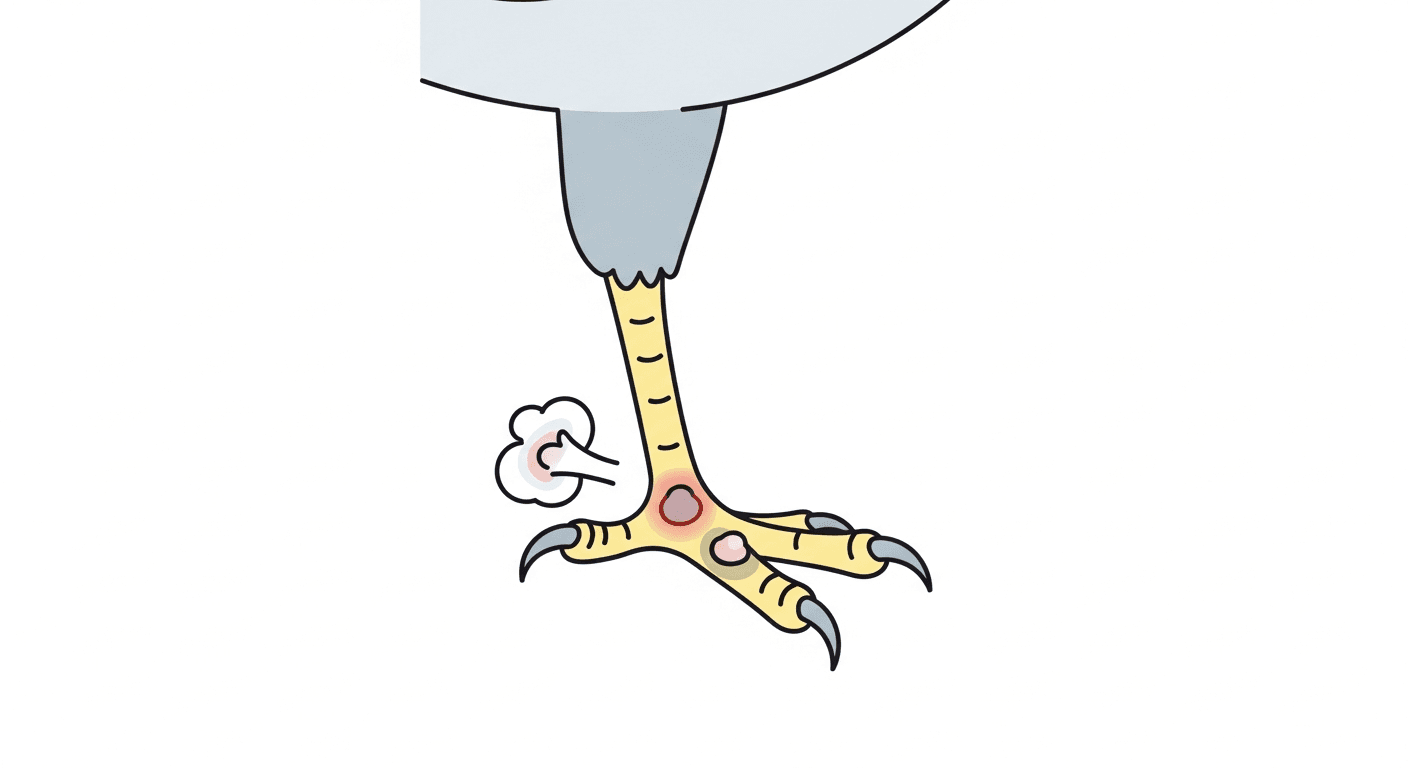
Foot and Leg Conditions in Pet Birds
Birds' feet are in constant contact with their perches — making foot health directly dependent on perch quality and variety. Bumblefoot (pododermatitis) begins as inflammation from prolonged contact with inappropriate perches (same-diameter, smooth, or synthetic perches) and progresses to ulceration and bone infection. Articular gout (urate crystal deposition in the joints) causes swollen, painful, hot joints — especially in birds on high-protein diets or with kidney disease. Constricted toe syndrome in young birds (from fiber wrapping around toes) can cause tissue death and toe loss.
First 3 Steps to Maintain Foot Health
- Provide perch variety: Offer multiple perch diameters so the foot position changes constantly. Natural wood branches of varied diameter (ensuring the foot wraps about 2/3 around the perch) are ideal. Sandpaper perch covers are harmful — they abrade rather than naturally condition feet.
- Check feet regularly: Weekly visual inspection of the foot pads. Normal foot pads are smooth, uniformly scaled, and without redness or swelling. Any redness, swelling, or soft spot on the foot pad warrants veterinary evaluation.
- Remove all stringy materials from the enclosure: Frayed rope toys, string, and fabric threads are the primary cause of constricted toe syndrome. Inspect all cage enrichment regularly and remove any fraying materials immediately.
When to Go to the Vet Immediately
- Open sore or ulceration on the foot pad
- Visibly swollen, hot, or painful joints in the foot or leg
- Any tight material found wrapped around a toe — emergency
- Bird unable to grip or stand normally
Follow-Up Care Checklist
- Bumblefoot treatment: padding, appropriate antibiotic/antifungal, improved perch situation — this is a long-term management commitment
- Gout: dietary modification (reduce protein), increased hydration, manage underlying kidney disease
- Annual foot assessment at wellness exam
Track Foot Health with TailRounds
Log weekly foot inspections and note any redness or swelling in the TailRounds Daily Log.
Book a Vet Appointment
Any foot abnormality in a bird needs prompt evaluation. Book at Happy Paws with our avian team.
Summary for Your Clinic Visit
Tell your vet which foot is affected, describe the appearance, how long you've noticed it, what perch types are in use, and whether the bird is bearing weight normally.
Continue Reading
 🦜 Bird & Parrot Health
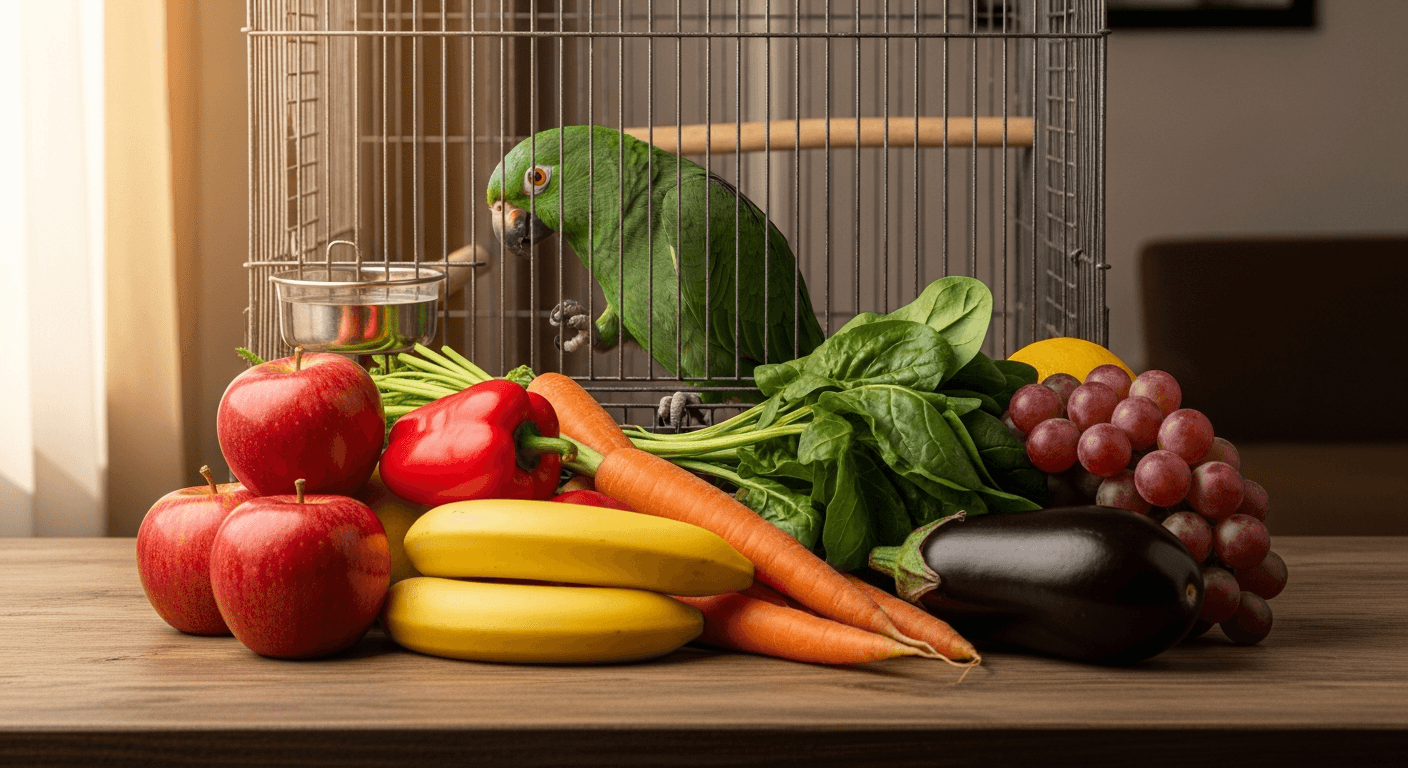
Bird Nutrition Guide: Why Seeds Alone Are Harmful
Seed-only diets cause the majority of preventable disease in pet birds. Learn the correct nutritional approach for common species and how to transition safely.
 🦜 Bird & Parrot Health
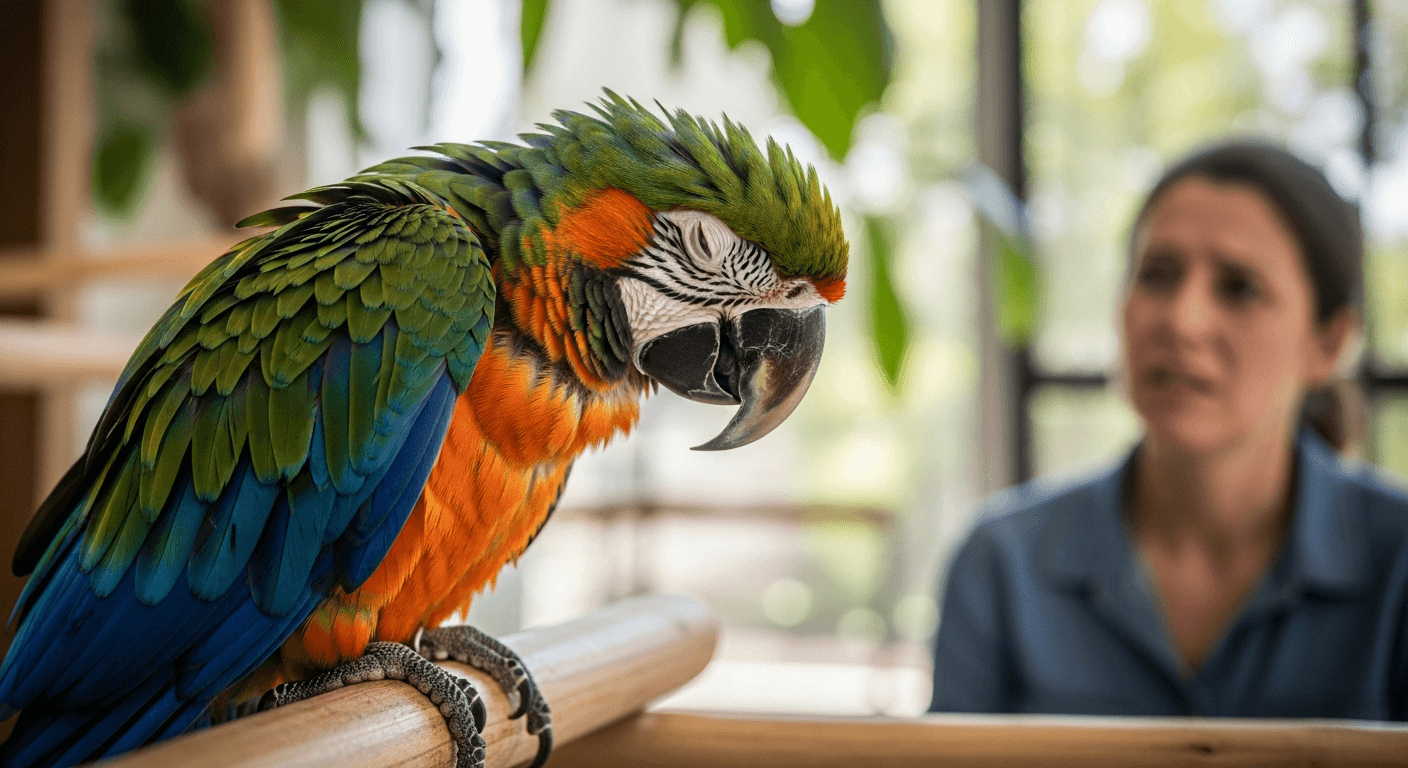
Bird Not Eating: Why It's Always Urgent
Birds hide illness until they cannot compensate. A bird not eating for even one day needs same-day veterinary care. Learn why and what to look for.
 🦜 Bird & Parrot Health
Daily Bird Care Routine: Essential Health Monitoring for Pet Birds
A consistent daily care routine is the most powerful disease prevention tool available to bird owners. Learn what to observe every day.
 🦜 Bird & Parrot Health
Bird Weight Loss: Why Regular Weighing Is Essential
Birds hide weight loss under their feathers until it's severe. Daily weighing on a gram scale is the most sensitive early disease detection tool for bird owners.