
Understanding Parrot Behavior
Parrots are highly intelligent, long-lived, and socially complex animals. Most behavioral problems in captive parrots result from needs that aren't being met: social interaction (parrots are flock animals that need hours of daily engagement), mental stimulation, appropriate diet, sleep (parrots need 10–12 hours of undisturbed darkness), appropriate physical space, and species-appropriate interaction. Before addressing any behavioral problem, medical causes must be excluded.
Common Behavioral Problems and Their Causes
- Contact calling/screaming: Normal flock behavior — parrots call to locate flock members. Excessive screaming develops when owners inadvertently reinforce it by responding consistently. "Ignore screaming, reward quiet" is the behavioral principle — but this only works after medical causes are excluded.
- Biting: Usually fear-based, hormonal (during breeding season), or from overstimulation/petting-induced aggression. Body language reading — dilated pupils, pinned eyes, raised neck feathers — precedes most bites and allows intervention before biting occurs.
- Feather destructive behavior: Complex, with both medical and behavioral causes — see the dedicated article on this topic. Always requires medical workup first.
First 3 Steps to Address Behavioral Problems
- Rule out medical causes with a full veterinary workup: Many behavioral changes have medical roots. A bird that has become suddenly aggressive may be in pain. A bird that screams more than usual may be sick. Never start behavioral modification without a clean bill of health from an avian vet.
- Improve the environment to meet species needs: Ensure a large, bird-appropriate enclosure; 2–4 hours daily out-of-cage time; foraging enrichment (hiding food in foraging toys); natural light cycles (10–12 hours dark); and species-appropriate social interaction.
- Learn positive reinforcement techniques: Parrots respond exceptionally well to positive reinforcement training (rewarding desired behaviors). Punishment (spray bottles, yelling, physical correction) damages trust and escalates behavioral problems.
When to See the Vet or Behaviorist
- Behavioral problem is causing injury to the bird or owners
- Problem persists after environmental improvement for 4+ weeks
- Bird seems distressed (beyond normal behavioral issues)
Track Behavior with TailRounds
Log daily interaction time, problem behavior frequency, and enrichment provided in the TailRounds Daily Log. Tracking helps identify triggers and measure improvement.
Book a Vet Appointment
Before behavioral intervention, get a full medical workup. Book at Happy Paws for an avian health assessment.
Summary for Your Clinic Visit
Describe the specific behavioral problem, when it started, what has changed in the environment, the current daily routine, and any interventions already attempted.
Continue Reading
 🦜 Bird & Parrot Health
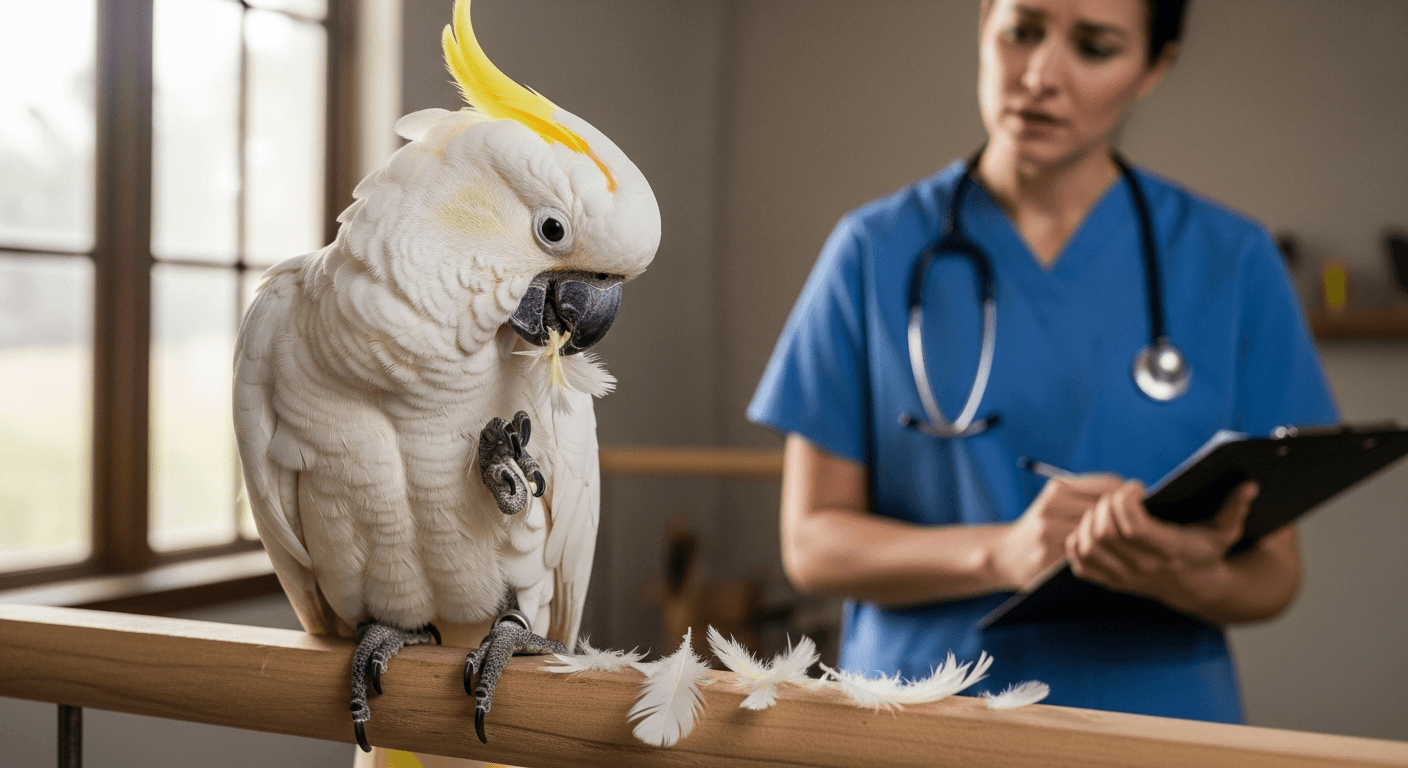
Feather Plucking in Birds: Medical and Behavioral Causes
Feather destructive behavior is one of the most complex conditions in pet birds. Learn the range of causes and why a thorough veterinary workup comes first.
 🦜 Bird & Parrot Health
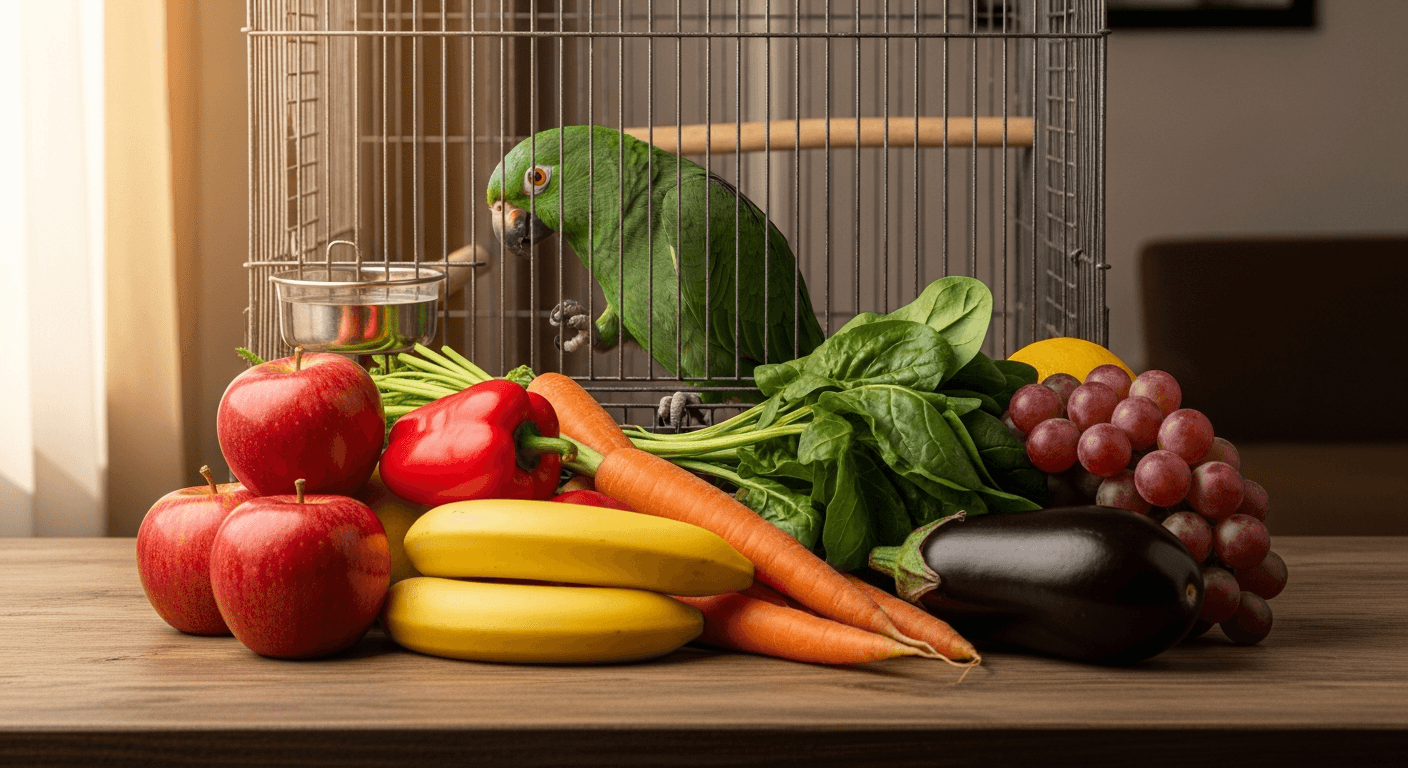
Bird Nutrition Guide: Why Seeds Alone Are Harmful
Seed-only diets cause the majority of preventable disease in pet birds. Learn the correct nutritional approach for common species and how to transition safely.
 🦜 Bird & Parrot Health
Daily Bird Care Routine: Essential Health Monitoring for Pet Birds
A consistent daily care routine is the most powerful disease prevention tool available to bird owners. Learn what to observe every day.
 🦜 Bird & Parrot Health
Bird Not Eating: Why It's Always Urgent
Birds hide illness until they cannot compensate. A bird not eating for even one day needs same-day veterinary care. Learn why and what to look for.