
Why Bird Emergencies Require Immediate Action
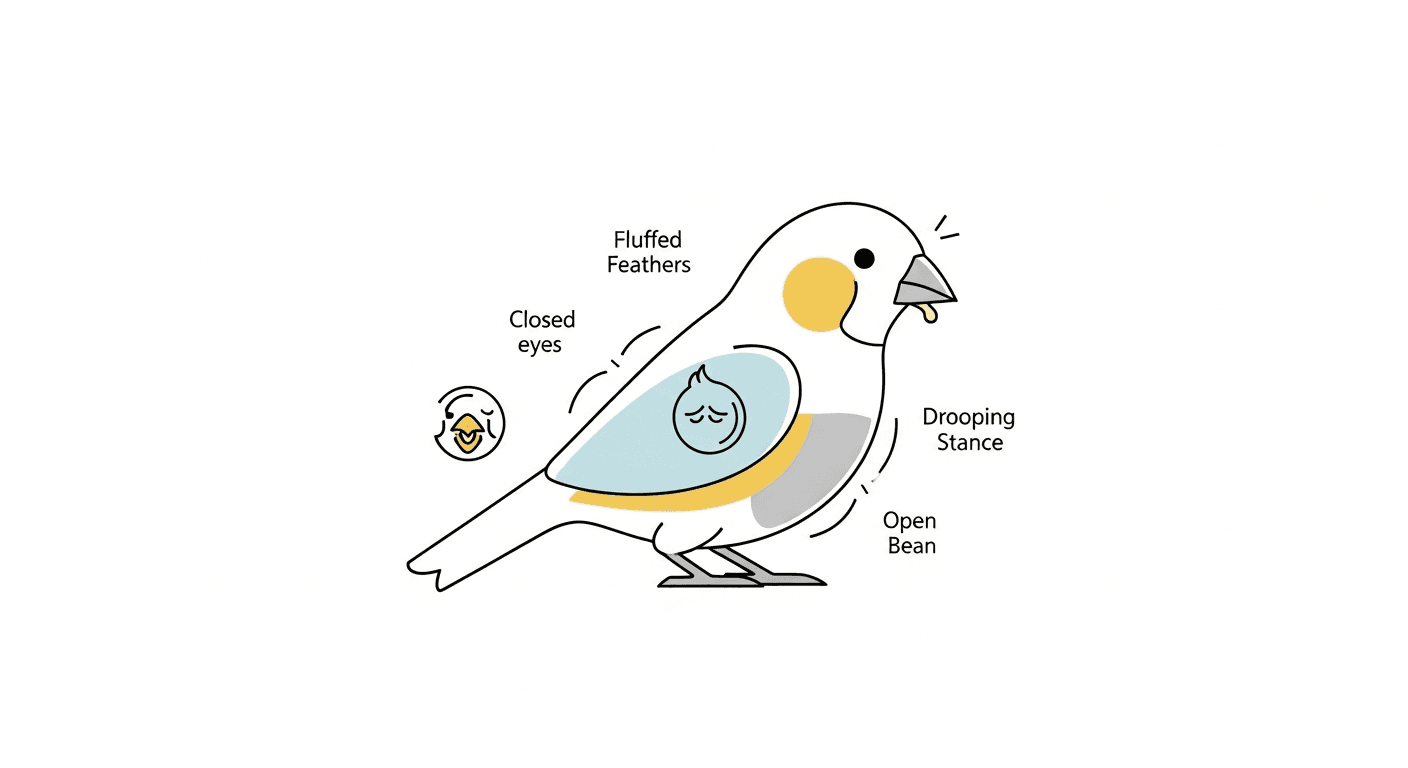
Birds are prey animals that instinctively mask illness until they physically cannot. By the time a bird shows obvious signs of being sick — sitting on the cage floor, fluffed up, eyes closed during the day — it has been ill for some time and is now too weak to hide it. This means that apparent sudden illness is rarely as sudden as it seems, and that any obvious illness sign in a bird is already serious.
The window for effective treatment in a critically ill bird is often measured in hours, not days.
First 3 Steps at Home
- Keep the bird warm: A sick bird loses heat rapidly. Place the bird in a small, secure box lined with a warm cloth. Target 28–30°C (82–86°F) for a visibly ill bird. A heating pad on the lowest setting under half the box — so the bird can move away if too hot — is effective. Do not use heat lamps directly without careful distance management.
- Do not force food or water: An ill bird often has impaired swallowing and aspiration (inhaling liquid into the lungs) is a serious risk. Offer water in a shallow dish at the bird's level and let the bird choose. Do not use a syringe to force fluids at home without vet guidance.
- Call the vet immediately and transport calmly: Cover the carrier with a light cloth to reduce visual stimulation during transport. Minimize noise and sudden movements. Stress during transport can cause cardiac arrest in severely ill birds. Call ahead so the team can prepare.
When to Go to the Vet Immediately
- Sitting on the cage floor — birds that can grip a perch do so; floor-sitting is an emergency sign
- Eyes closed during daytime hours
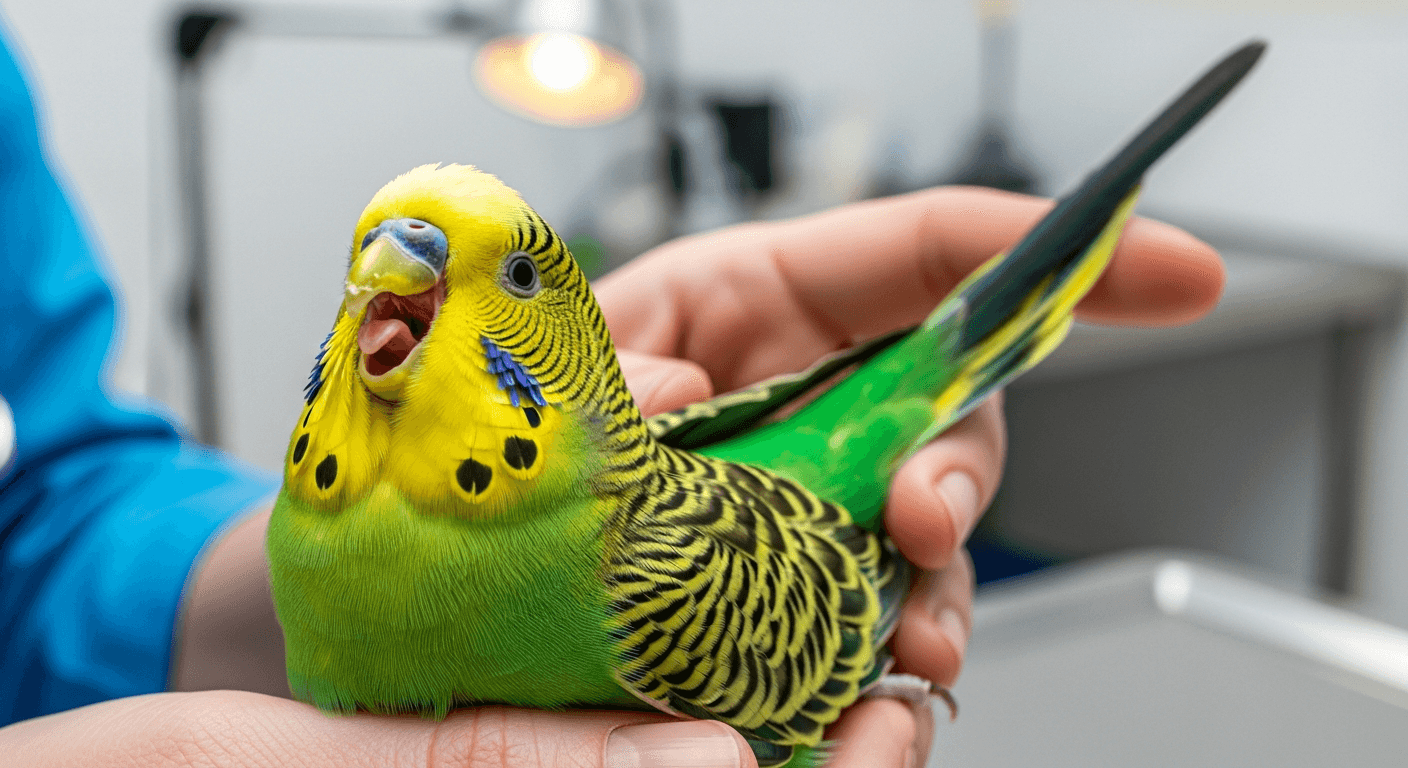
- Labored breathing, tail bobbing, or open-beak breathing
- Bleeding from any location that doesn't stop within 2 minutes
- Seizures or loss of consciousness
- Inability to grip a perch or stand
- Prolapsed vent — tissue visible outside the cloaca
- Suspected toxin ingestion — any fume exposure, toxic food, or toxic plant
- Egg binding — hen straining with no egg produced within 20–30 minutes
- Severe injury from a fall, cat attack, or door collision
Follow-Up Care Checklist
- Identify an avian-experienced vet before an emergency — not all exotic vets have avian experience
- Keep a well-ventilated transport carrier available at all times
- Maintain a daily health log — weight, appetite, droppings, behavior — so you notice change early
- Know your bird's normal baseline so deviations are immediately apparent
- Schedule annual wellness exams to establish your bird in the vet's records before a crisis
Track Health Daily with TailRounds
The TailRounds Daily Log is your single best tool for catching bird illness before it reaches emergency status. Daily weighing, dropping observation, and activity notes create the baseline that makes subtle changes immediately visible.
Book a Vet Appointment
Don't wait until an emergency to establish care with an avian vet. Book a wellness exam at Happy Paws today so your team knows your bird before a crisis occurs.
Summary for Your Clinic Visit
Bring your weight log and dropping observation record. Note exactly when you first noticed the current symptoms, what the bird has eaten in the past 24 hours, any possible exposures to toxins or stressors, and any medications currently being given.
Continue Reading
 🦜 Bird & Parrot Health
Bird Respiratory Problems: Tail Bobbing, Open-Mouth Breathing, and What to Do
Respiratory disease in birds progresses rapidly. Learn to recognize the signs of respiratory distress, the common causes, and why this is always urgent.
 🦜 Bird & Parrot Health
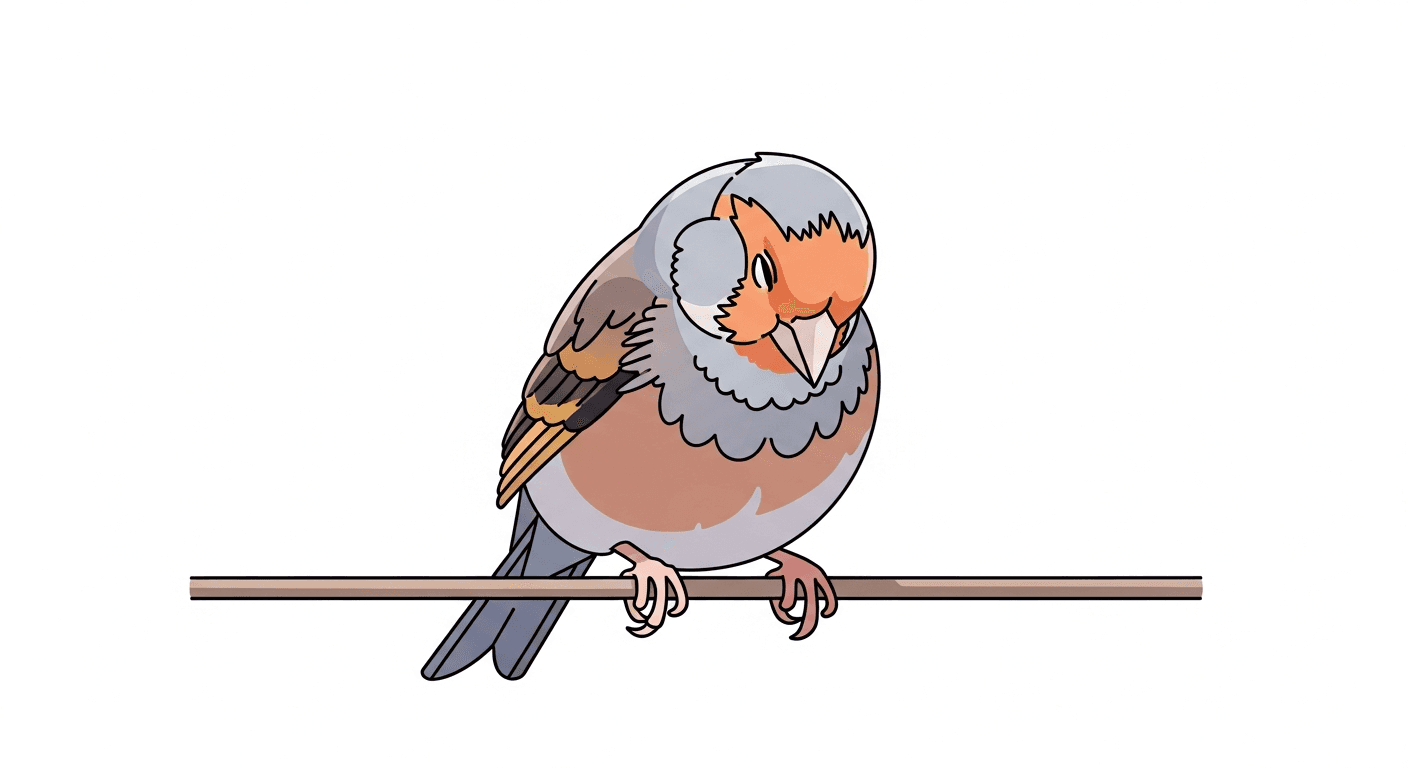
Lethargic Bird: Always Take It Seriously
A bird that appears lethargic — fluffed, quiet, eyes closing — is seriously unwell. Learn why lethargy is always urgent in birds and what to do immediately.
 🦜 Bird & Parrot Health
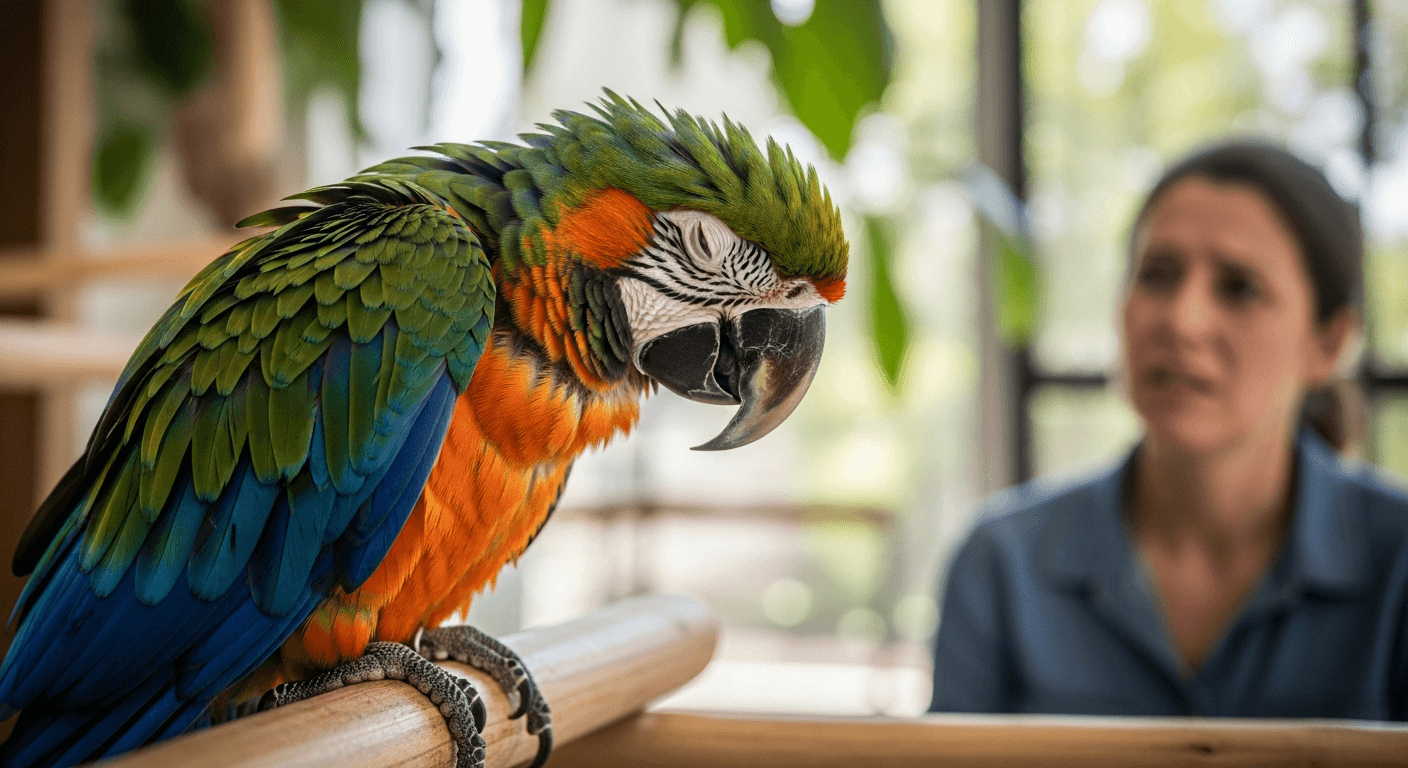
Bird Not Eating: Why It's Always Urgent
Birds hide illness until they cannot compensate. A bird not eating for even one day needs same-day veterinary care. Learn why and what to look for.
 🦜 Bird & Parrot Health
Daily Bird Care Routine: Essential Health Monitoring for Pet Birds
A consistent daily care routine is the most powerful disease prevention tool available to bird owners. Learn what to observe every day.