
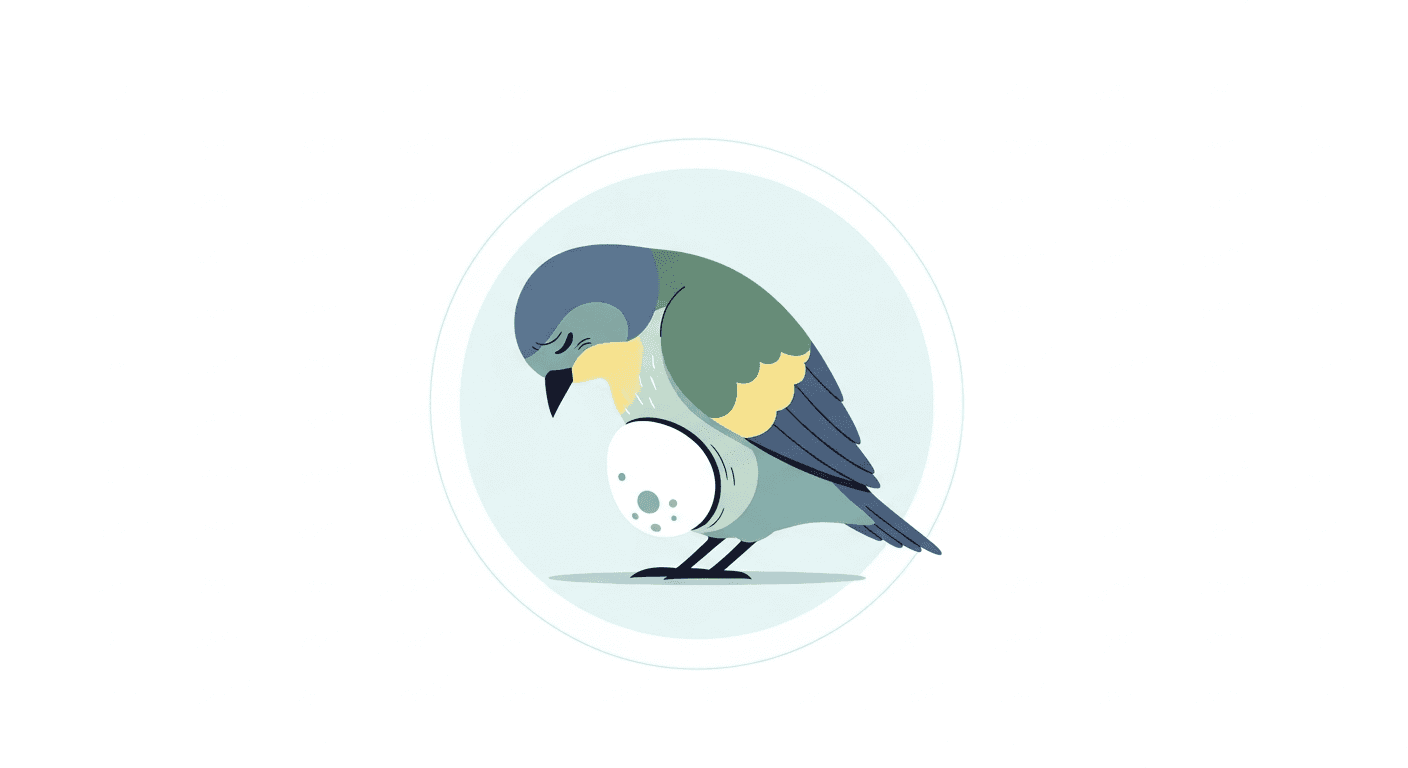
What Is Egg Binding?
Egg binding occurs when a female bird cannot expel an egg from the reproductive tract within a normal timeframe. It can affect any egg-laying female bird — canaries, finches, cockatiels, and budgerigars are most commonly affected among pet birds. The egg may be stuck due to its abnormal size or shape, nutritional deficiency (especially calcium), muscle weakness, infection, obesity, or an underlying reproductive disorder. Without treatment, the retained egg compresses the surrounding organs, causes nerve damage, and leads to death within 24–48 hours.
Signs of Egg Binding
- Bird sitting on the cage floor (always a serious sign in birds)
- Tail bobbing or labored breathing
- Wide stance or obviously wide-based gait
- Straining motions without passing an egg
- Fluffed feathers, lethargy
- Abdominal swelling sometimes visible in small birds
- Paralysis of the legs (nerve compression from the egg) in severe cases
First 3 Steps to Take at Home
- Keep the bird warm immediately: Warmth relaxes the muscles and may help the bird pass the egg naturally. A hospital cage at 32–35°C with high humidity (can be achieved by placing the bird in a warm bathroom with running hot water briefly) may allow passage. Do not exceed 38°C.
- Do not attempt to manipulate the egg: Attempting to palpate or move the egg risks rupturing it inside the bird — which is life-threatening. Only a vet should attempt egg removal.
- Transport to an avian vet within 1–2 hours: Egg binding progresses rapidly. If the egg hasn't passed within 1–2 hours of warmth and support, this is a veterinary emergency that cannot wait.
When to Go to the Vet Immediately
- Any female bird sitting on the floor, straining, or showing leg weakness
- Any female bird known to be laying eggs that suddenly becomes very lethargic
- Egg visible in the vent but not being passed
Follow-Up Care Checklist
- Calcium supplementation in the diet long-term — the most preventable cause of egg binding
- Discuss GnRH implants (hormonal egg-laying suppression) with your vet for birds with recurrent egg binding
- Ensure a balanced, pelleted diet — seed-only diets are deficient in the calcium and nutrients needed for egg formation
Track Reproductive Health with TailRounds
Log laying frequency, egg-related behaviors, and any abnormal signs in female birds using the TailRounds Daily Log.
Book a Vet Appointment
Egg binding is always an emergency. Contact Happy Paws immediately — our avian team can provide warmth, calcium injection, and oxytocin to assist egg expulsion.
Summary for Your Clinic Visit
Tell the vet the bird's species, age, how long it's been showing signs, whether it's been laying recently, and the current diet including any calcium supplementation.
Continue Reading
 🦜 Bird & Parrot Health
Bird Not Eating: Why It's Always Urgent
Birds hide illness until they cannot compensate. A bird not eating for even one day needs same-day veterinary care. Learn why and what to look for.
 🦜 Bird & Parrot Health
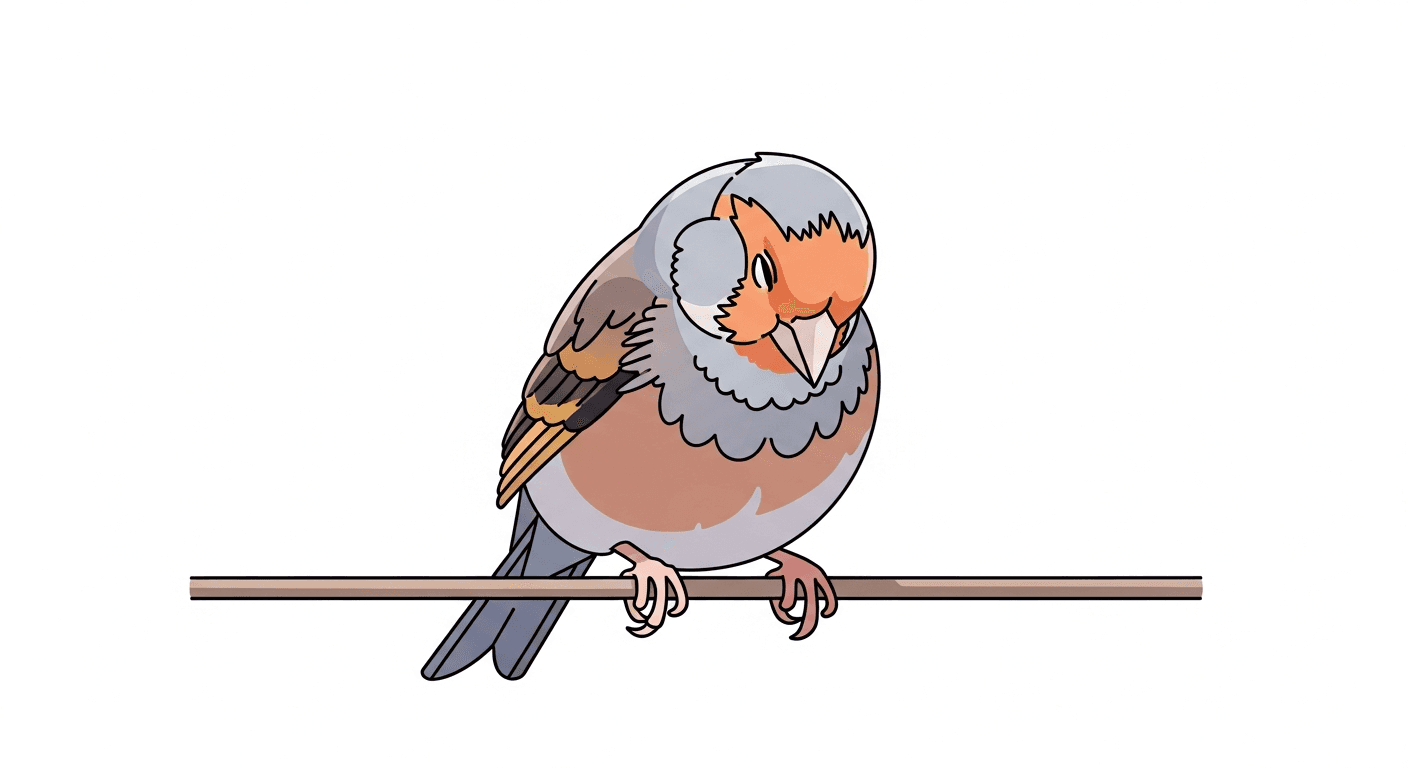
Lethargic Bird: Always Take It Seriously
A bird that appears lethargic — fluffed, quiet, eyes closing — is seriously unwell. Learn why lethargy is always urgent in birds and what to do immediately.
 🦜 Bird & Parrot Health
Daily Bird Care Routine: Essential Health Monitoring for Pet Birds
A consistent daily care routine is the most powerful disease prevention tool available to bird owners. Learn what to observe every day.
 🦜 Bird & Parrot Health
Bird Weight Loss: Why Regular Weighing Is Essential
Birds hide weight loss under their feathers until it's severe. Daily weighing on a gram scale is the most sensitive early disease detection tool for bird owners.