What Can Go Wrong with a Bird's Beak?
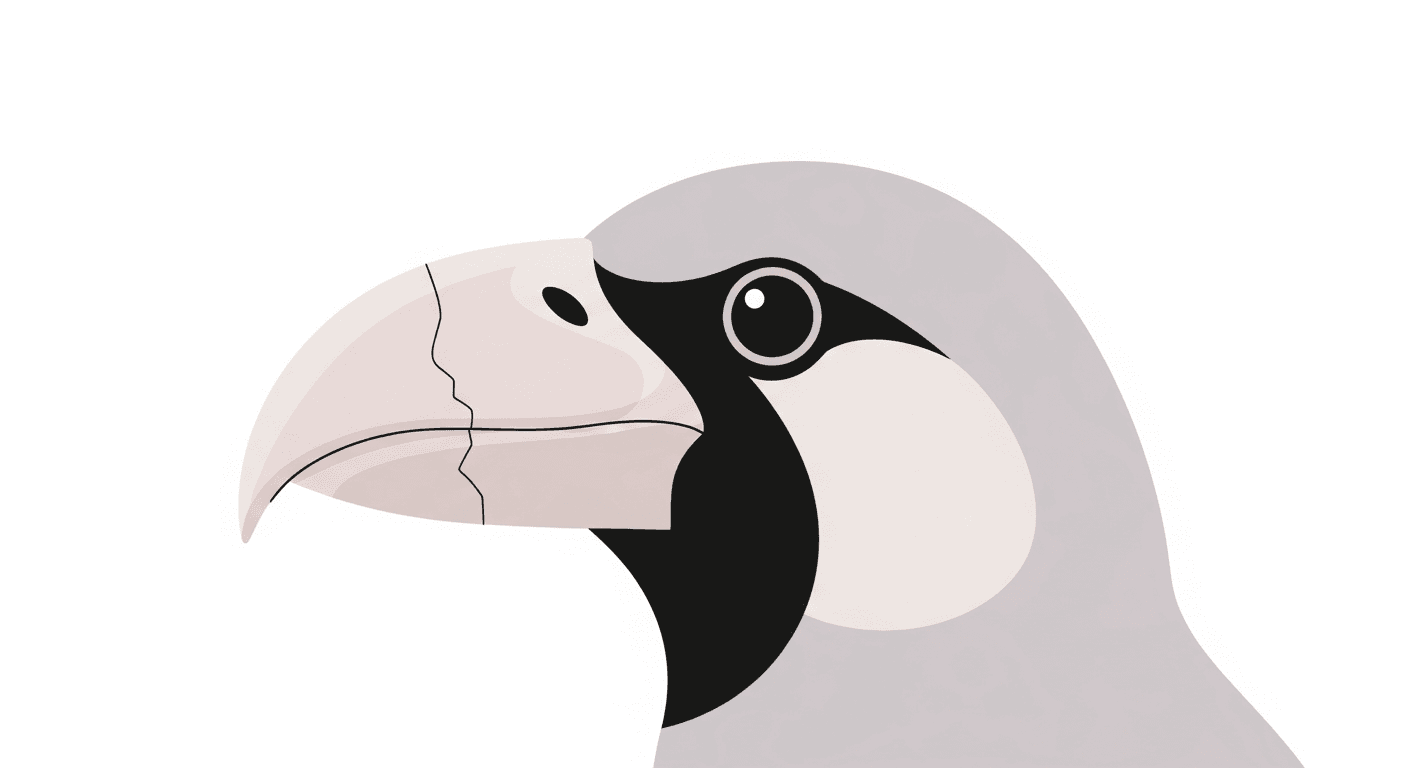
The beak is made of keratin and grows continuously in birds. Normal wear from eating maintains proper length and shape. Problems arise when this balance is disrupted. Beak overgrowth (ram's horn beak in budgerigars from Knemidokoptes mites, or elongated upper beak from trauma) impairs eating and causes long-term jaw problems. Beak injuries from cage accidents, other birds, or cat/dog encounters can cause fractures, lacerations, and tissue death. PBFD causes beak softening and fractures in advanced cases. Liver disease often manifests as abnormal beak texture and growth.
First 3 Steps to Take at Home
- Examine the beak in good lighting monthly: Check that both upper and lower beak align properly, the surface is smooth and uniformly colored, and there is no flaking, chalky texture, or abnormal texture near the base. Normal budgerigar beaks should be smooth — any ridging or crusty texture suggests Knemidokoptes mites.
- Don't attempt to trim the beak at home: The beak has a blood supply — improper trimming causes bleeding and severe pain. Beak trimming requires veterinary training, proper equipment, and usually sedation.
- Address Knemidokoptes mites if suspected: These mites affect budgerigars specifically, causing a honeycombed, crusty texture on the beak and around the nostrils and legs. They're treatable with ivermectin prescribed by your vet.
When to Go to the Vet Immediately
- Beak fracture or significant chip
- Beak bleeding or open wound
- Bird cannot close its beak
- Beak soft or flexible (PBFD, severe liver disease)
- Not eating due to beak discomfort
Follow-Up Care Checklist
- Provide appropriate beak-wearing materials: hard vegetables, mineral blocks, wooden chews
- Regular beak assessment at annual wellness exams
- Treat any liver disease identified as an underlying cause of beak abnormality
Track Beak Health with TailRounds
Log monthly beak observations and any changes in the TailRounds Daily Log.
Book a Vet Appointment
Any beak abnormality benefits from professional assessment. Book at Happy Paws with our avian-experienced exotic team.
Summary for Your Clinic Visit
Describe the beak abnormality, how long you've noticed it, whether the bird is eating normally, and any other health changes observed alongside the beak problem.
Continue Reading
 🦜 Bird & Parrot Health
Bird Not Eating: Why It's Always Urgent
Birds hide illness until they cannot compensate. A bird not eating for even one day needs same-day veterinary care. Learn why and what to look for.
 🦜 Bird & Parrot Health
Psittacine Beak and Feather Disease (PBFD): What Owners Must Know
PBFD is a fatal viral disease of parrots that destroys feathers and the immune system. Learn about transmission, diagnosis, and how to protect uninfected birds.
 🦜 Bird & Parrot Health
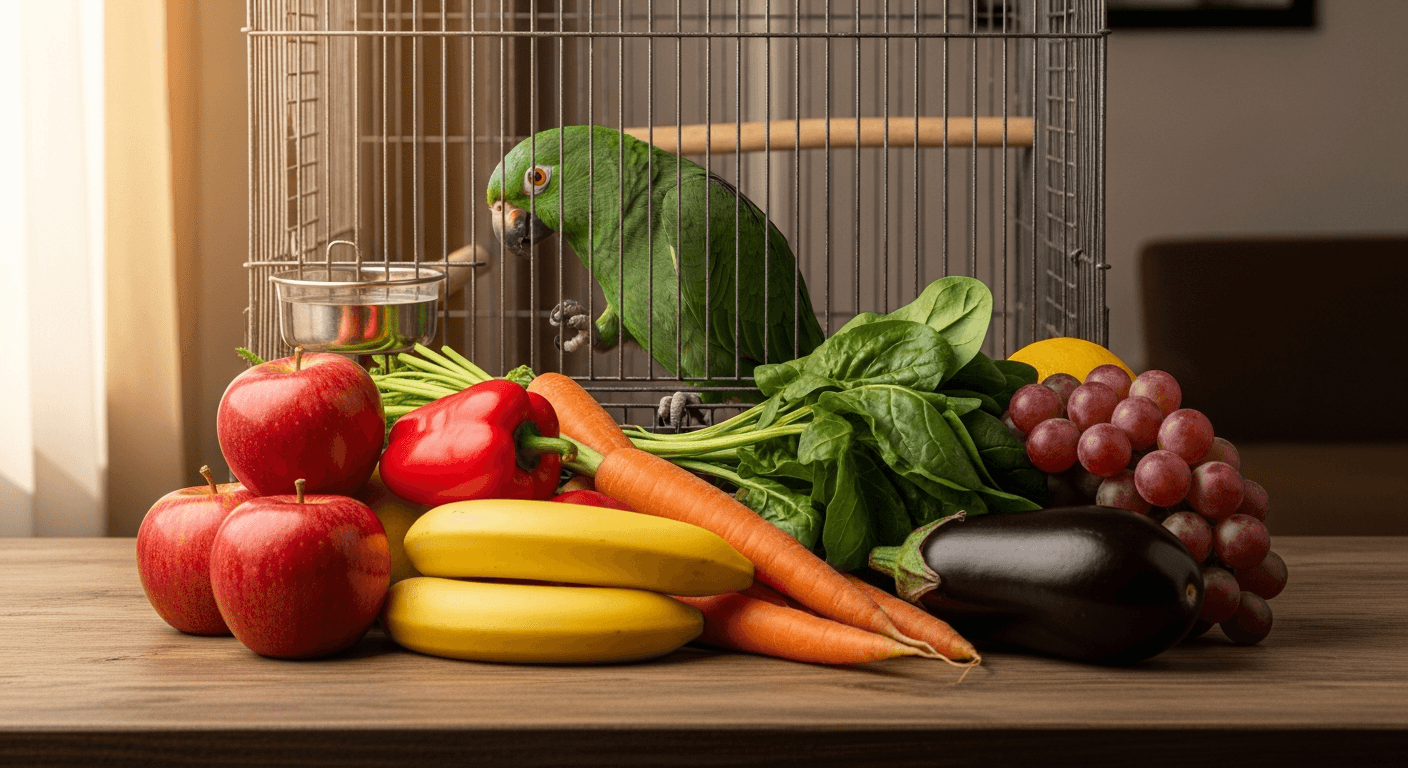
Bird Nutrition Guide: Why Seeds Alone Are Harmful
Seed-only diets cause the majority of preventable disease in pet birds. Learn the correct nutritional approach for common species and how to transition safely.
 🦜 Bird & Parrot Health
Daily Bird Care Routine: Essential Health Monitoring for Pet Birds
A consistent daily care routine is the most powerful disease prevention tool available to bird owners. Learn what to observe every day.