
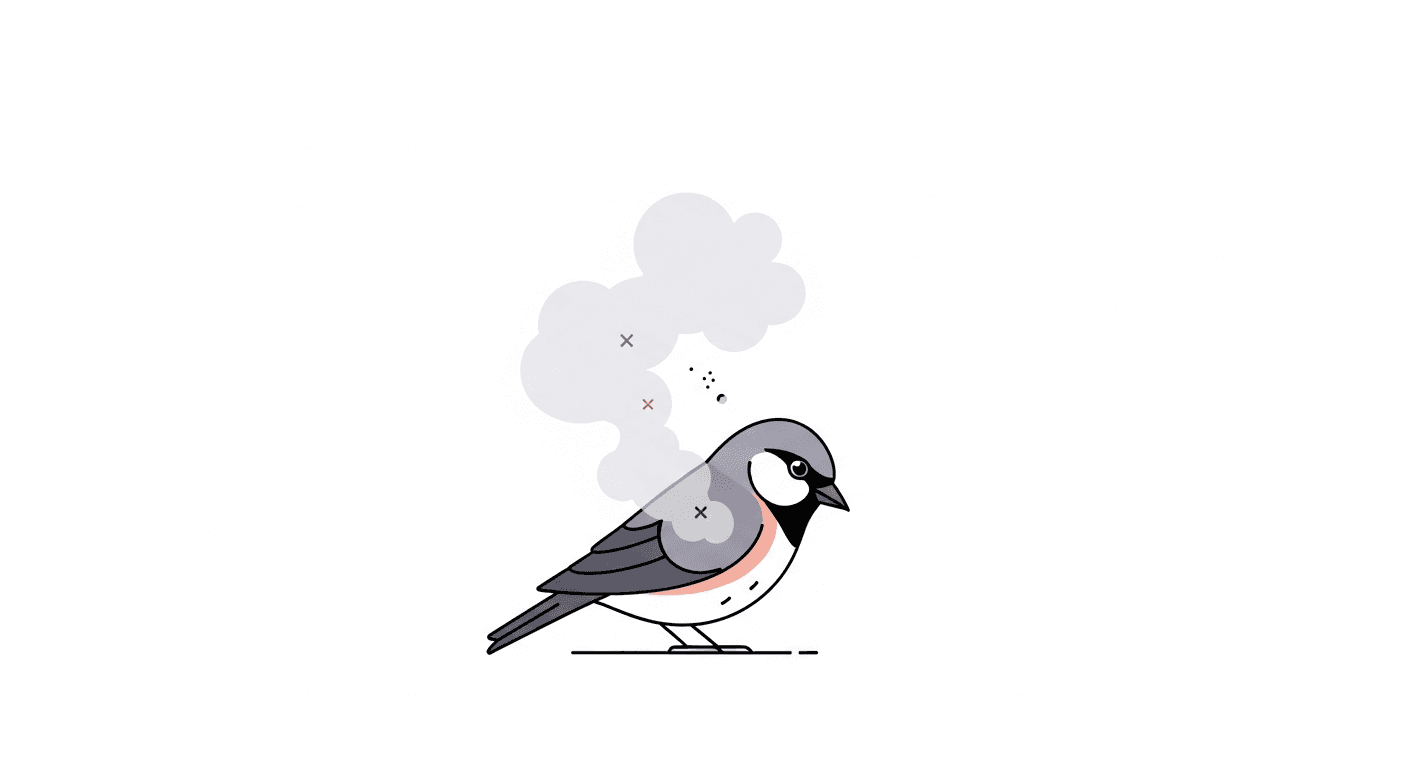
Why Air Quality Is a Life-or-Death Issue for Birds
Birds breathe more efficiently than mammals — their respiratory system cycles air through in a one-way loop with air sacs, meaning they extract far more of any airborne substance with each breath. What takes a human weeks to develop toxic effects from can kill a bird in minutes. This efficiency, which evolved to supply oxygen at altitude during flight, becomes a lethal vulnerability in a modern home full of synthetic materials.
Most bird owners are unaware of the number of everyday items that pose lethal risks.
First 3 Steps at Home
- Remove all non-stick cookware immediately: Polytetrafluoroethylene (PTFE), found in Teflon and other non-stick coatings, releases invisible, odorless toxic fumes when overheated (above 260°C/500°F) — a temperature easily reached on a forgotten pan. PTFE fume toxicity kills birds within minutes. Remove all non-stick pans, appliances, and baking sheets from a home with birds, or at minimum ensure the bird is housed far from any cooking area with excellent ventilation.
- Audit your home for other aerosolized dangers: Scented candles, incense, air freshener sprays, cleaning sprays (especially bleach or ammonia-based), perfumes sprayed near the bird, and cigarette or vape smoke are all significant respiratory irritants and some are acutely toxic. Keep the bird's room scent-free and use unscented, bird-safe cleaning products.
- Ensure adequate ventilation: Cooking fumes — even from clean pans — paint and varnish off-gassing, and new furniture off-gassing can all harm birds. Ventilate thoroughly when painting or using any adhesives, and do not return the bird to the room until off-gassing has completely stopped (48–72 hours minimum for fresh paint).
When to Go to the Vet Immediately
- Sudden collapse, loss of consciousness, or convulsions after any potential air quality exposure
- Labored breathing, open-beak breathing, or tail bobbing
- Uncoordinated movement or inability to perch after fume exposure
- Multiple birds simultaneously showing symptoms — flock toxic events require immediate emergency response
Follow-Up Care Checklist
- Replace all non-stick cookware with stainless steel, cast iron, or ceramic
- Use only unscented, bird-safe cleaning products in the home
- Never use spray air fresheners or aerosol products in any room the bird inhabits
- Do not allow smoking of any kind indoors in the home
- Install carbon monoxide and smoke detectors near the bird room
Track Respiratory Health with TailRounds
Log daily respiratory rate, any tail-bobbing observations, activity level, and any air quality events in the TailRounds Daily Log. This data becomes crucial context if a respiratory problem develops.
Book a Vet Appointment
After any suspected air quality exposure, book an urgent vet assessment even if the bird appears to have recovered. Delayed toxicity effects are common. Book at Happy Paws with our avian-experienced exotic team.
Summary for Your Clinic Visit
Tell your vet exactly what the bird was exposed to, how long the exposure lasted, when symptoms appeared, and what ventilation changes you made. Bring the bird in a well-ventilated carrier.
Continue Reading
 🦜 Bird & Parrot Health
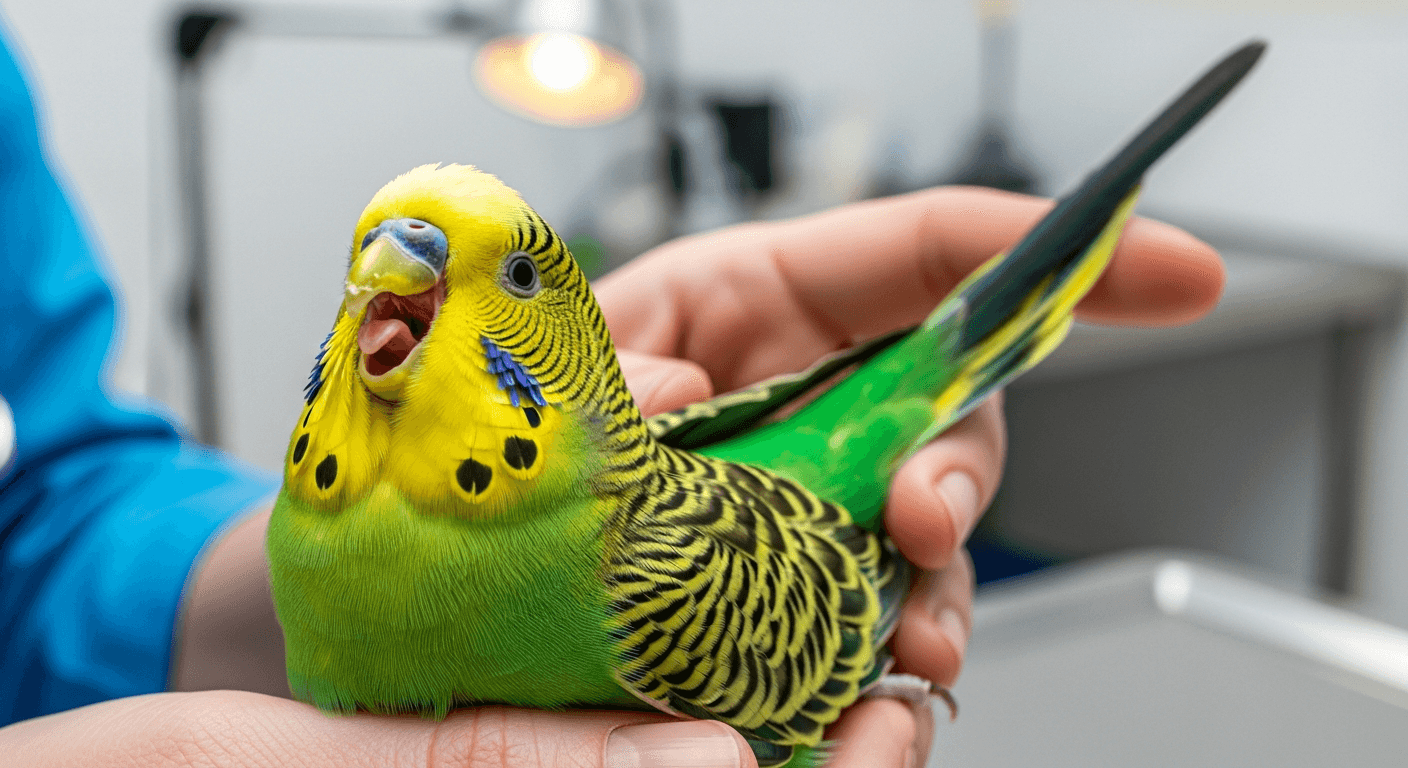
Bird Respiratory Problems: Tail Bobbing, Open-Mouth Breathing, and What to Do
Respiratory disease in birds progresses rapidly. Learn to recognize the signs of respiratory distress, the common causes, and why this is always urgent.
 🦜 Bird & Parrot Health
Heavy Metal Toxicity in Birds: Lead and Zinc Poisoning
Lead and zinc poisoning are common causes of sudden illness in pet birds. Learn which household items are dangerous and how to recognize toxicity.
 🦜 Bird & Parrot Health
Aspergillosis in Birds: A Silent but Deadly Fungal Disease
Aspergillosis is a fungal respiratory disease that develops silently in birds. Learn the risk factors, symptoms, and why early detection matters.
 🦜 Bird & Parrot Health
Daily Bird Care Routine: Essential Health Monitoring for Pet Birds
A consistent daily care routine is the most powerful disease prevention tool available to bird owners. Learn what to observe every day.