
What Is a Pet Microchip?
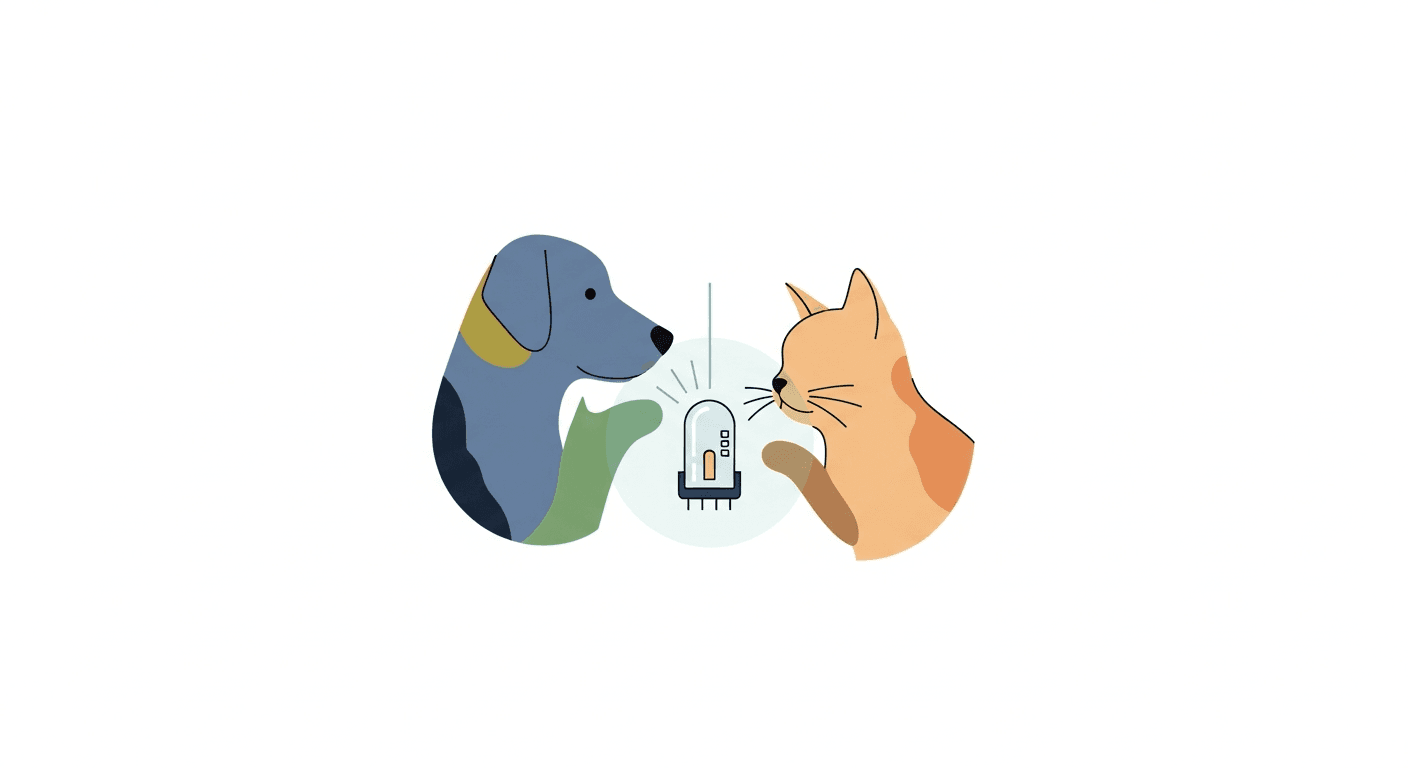
A microchip is a tiny electronic device — roughly the size of a grain of rice — that is implanted under your pet's skin. It contains a unique identification number (typically 15 digits under the ISO standard) that can be read by a handheld scanner. When a lost pet is brought to a shelter or veterinary clinic, staff scan for a chip, retrieve the ID number, and look it up in a registry database to find the owner's contact information.
Unlike collars and tags, a microchip cannot fall off, fade, or be removed by the pet. It is a permanent form of identification that stays with your pet for life. In many countries, microchipping is legally required for dogs. Even where it is not mandatory, it is the single most reliable way to be reunited with a lost pet.
How the Implantation Process Works
Microchip implantation is a quick, low-risk procedure performed without anesthesia in most cases:
- The chip is pre-loaded into a sterile needle, similar to a standard vaccination syringe
- The vet or technician inserts the needle under the skin between the shoulder blades
- The chip is deposited and the needle withdrawn — the whole process takes seconds
- The site requires no stitches and heals quickly
Most pets show no reaction beyond the brief sensation of the needle. If you prefer, the procedure can be done while your pet is already under anesthesia for spaying, neutering, or a dental procedure. Book a vet appointment at Happy Paws to have your pet microchipped, or find a clinic near you.
Registration: The Step Most Owners Forget
The microchip itself is useless unless it is registered in a database with your current contact information. After implantation, your vet should register the chip with a national or international registry. The most common failure point is that owners move or change phone numbers without updating the registry — which means the chip leads to a dead end.
- Register the chip with a major registry immediately after implantation
- Update contact information any time you move or change your phone number
- Have your vet scan the chip at annual checkups to confirm it is still readable
- Keep the chip number and registry information in your pet's records
Store your pet's chip number in My Pets on TailRounds so it is always accessible if your pet goes missing.
International Travel and Microchipping
If you travel internationally with your pet, a microchip is not just helpful — it is legally required for entry into many countries, including all EU member states. The chip must conform to ISO standard 11784/11785 (15-digit chip). Pets microchipped with older 9- or 10-digit chips may need re-chipping with an ISO-compliant device. Always check the specific entry requirements for your destination country before traveling.
Does the Microchip Track Location?
No — a standard pet microchip is a passive device with no battery, no GPS, and no tracking capability. It only transmits its unique ID number when activated by a scanner held close to it. Some GPS-enabled collar tags exist separately as active tracking devices, but they are different from implanted microchips. For a found pet, the chip simply provides a means of identifying the owner — the actual reunification depends on the registry record being accurate and up to date.
Continue Reading
 💉 Vaccines & Preventive Care
Spaying and Neutering: Benefits and Timing
Spaying and neutering reduce cancer risk, improve behavior, and prevent overpopulation. Learn the right age for your pet and what to expect from the procedure.
 💉 Vaccines & Preventive Care
Annual Vet Checkup: What Happens
Demystify your pet's annual wellness visit. Here is exactly what the vet checks, why each part matters, and how to get the most from the appointment.
 💉 Vaccines & Preventive Care
Why Pet Vaccine Records Matter
Vaccine records protect your pet, your household, and your legal standing. Learn why keeping accurate records matters and how to organize them.
 💉 Vaccines & Preventive Care
Pet Wellness Exam: What Happens at Each Visit
A thorough look at what veterinarians check during a wellness exam, why each component matters, and how to prepare your pet for a smooth visit.