
Why Annual Checkups Are the Foundation of Preventive Care
The annual wellness visit is the most important scheduled appointment in your pet's calendar. Unlike sick visits that focus on solving an immediate problem, the wellness exam is designed to catch problems before they become serious — and to confirm that everything is on track when it is. Pets age much faster than humans (a 1-year-old dog is roughly equivalent to a 15-year-old human in developmental terms), which means a year without a vet visit is a long time.
Regular checkups also establish a baseline for your pet's vital signs and weight, making it easier to identify subtle changes over time. Many conditions — dental disease, early kidney disease, heart murmurs, early cancer — are detectable during a routine exam long before the pet shows noticeable symptoms. Early detection consistently leads to better outcomes. Book a vet appointment at Happy Paws for your pet's next annual checkup.
What the Vet Examines: A System-by-System Review
A thorough annual exam covers every body system:
- Weight and body condition score: Tracks trends in obesity or unexplained weight loss
- Temperature, pulse, respiration: Vital signs establish a healthy baseline
- Eyes: Checks for cataracts, corneal changes, discharge, and pressure (glaucoma)
- Ears: Inspects for infection, mites, polyps, and early hearing loss
- Teeth and gums: Dental disease affects 80% of dogs and 70% of cats over age 3 — early detection saves teeth and prevents systemic infection
- Heart and lungs: Listens for murmurs, arrhythmias, abnormal lung sounds
- Abdomen: Feels for organ size changes, masses, pain responses
- Lymph nodes: Checks for swelling that may indicate infection or cancer
- Skin and coat: Looks for parasites, lumps, hair loss, allergic changes
- Musculoskeletal: Assesses joints for arthritis, gait for pain or weakness
Vaccines and Parasite Prevention Review
The annual exam is the natural time to review and update vaccines, heartworm prevention, flea/tick prevention, and deworming. Your vet will check your pet's records and recommend which vaccines are due. For dogs over 3 years, some core vaccines may be extended to every 3-year intervals; for non-core vaccines like leptospirosis and bordetella, annual or biannual boosters remain important.
A heartworm blood test is performed annually before refilling heartworm prevention. Fecal tests for intestinal parasites are also recommended at the annual visit for most pets. Keep all records accessible in My Pets on TailRounds.
Diagnostics: When Blood Work Is Recommended
Not every annual exam requires blood work, but your vet may recommend it in specific situations:
- Pets over 7–8 years (senior screening)
- Pets on long-term medications (to monitor organ function)
- Prior to any anesthesia
- Pets with chronic conditions
- Any time the physical exam findings raise questions
A basic wellness panel typically includes a complete blood count (CBC), biochemistry profile (kidney, liver, blood sugar, electrolytes), and urinalysis. Together, these tests can detect a surprising range of problems before clinical signs appear.
Making the Most of Your Annual Visit
Come prepared:
- Bring previous vaccine records if visiting a new clinic
- Note any behavioral changes, appetite shifts, or physical changes you have observed
- Bring a fresh fecal sample if your vet requests one
- Write down questions beforehand so you do not forget them in the moment
- If your pet is on any medications or supplements, bring the bottles or a list
The TailRounds Daily Log is a great way to track symptoms, behaviors, and observations between visits so you arrive at the annual exam with accurate, dated information to share with your vet.
Continue Reading
 💉 Vaccines & Preventive Care
Pet Wellness Exam: What Happens at Each Visit
A thorough look at what veterinarians check during a wellness exam, why each component matters, and how to prepare your pet for a smooth visit.
 💉 Vaccines & Preventive Care
Why Pet Vaccine Records Matter
Vaccine records protect your pet, your household, and your legal standing. Learn why keeping accurate records matters and how to organize them.
 💉 Vaccines & Preventive Care
Preventive Care for Senior Pets
Older pets need more frequent exams, senior bloodwork, and targeted prevention. Here is what changes in preventive care when your pet enters their senior years.
 💉 Vaccines & Preventive Care
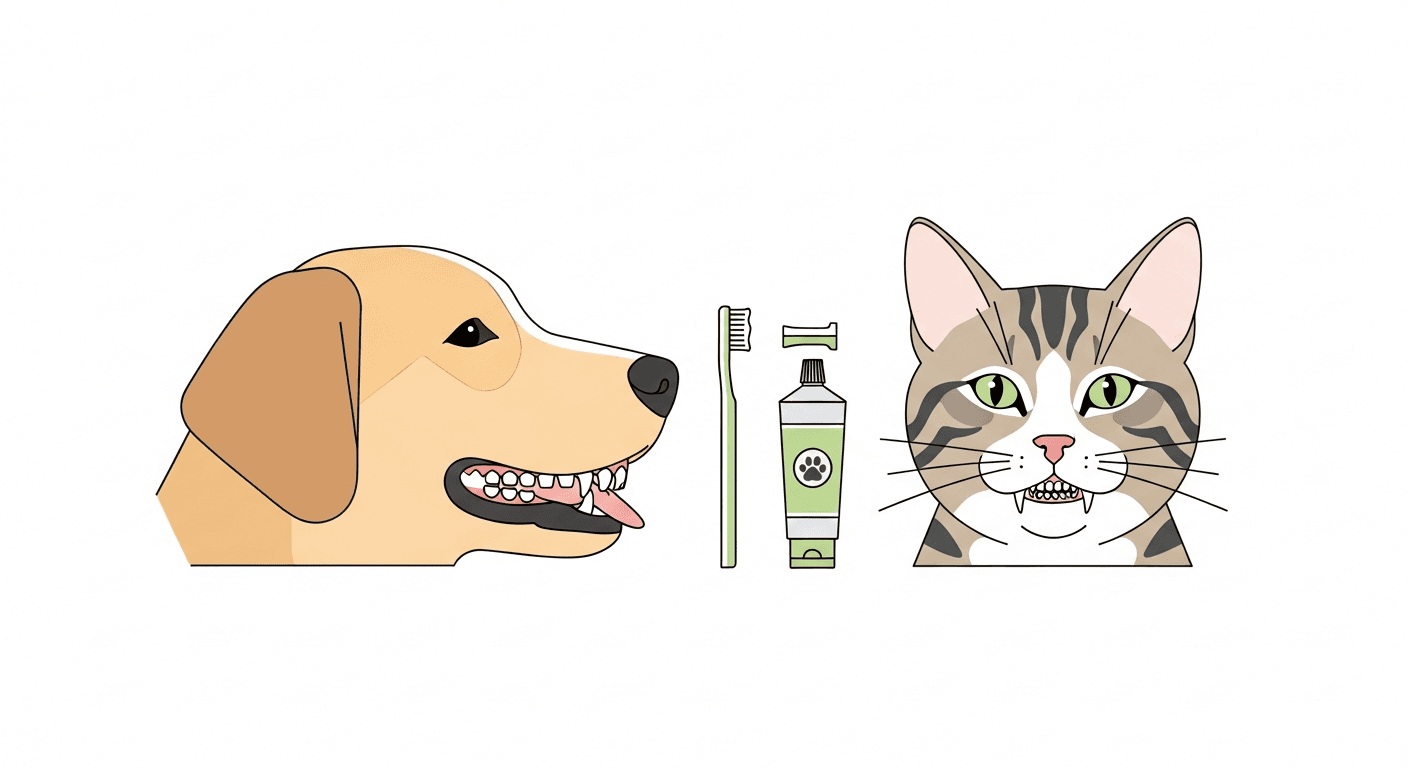
Professional Dental Cleaning for Pets
Dental disease affects most adult pets and causes serious systemic health problems. Here is what professional dental cleaning involves and why it matters.