
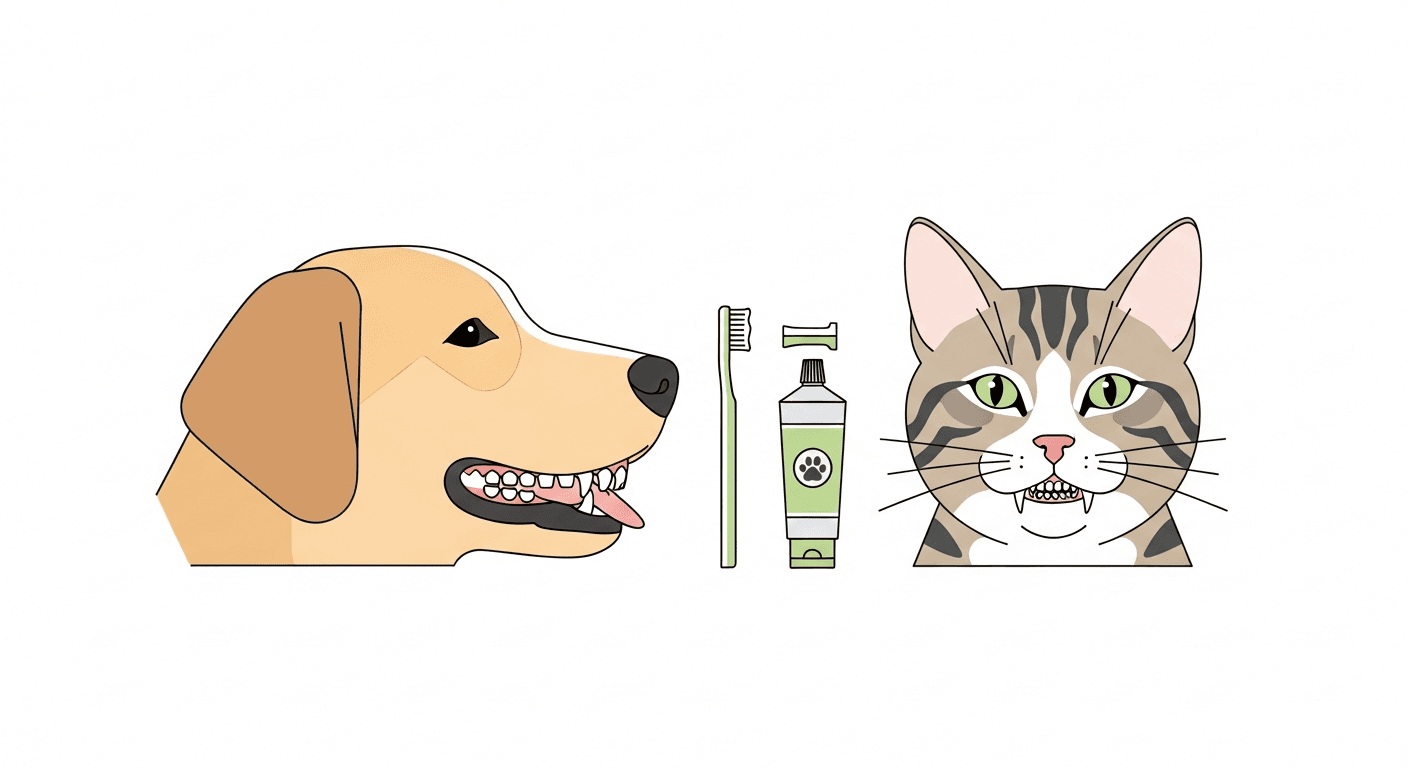
The Scale of Dental Disease in Pets
Dental disease is the most common health problem in adult dogs and cats — more prevalent than obesity, arthritis, or heart disease. Studies consistently show that 80% of dogs and 70% of cats have some degree of dental disease by age 3. Yet it remains one of the most undertreated conditions, partly because pets hide oral pain, and partly because owners underestimate the systemic consequences of untreated dental infections.
Bacteria from periodontal disease enter the bloodstream and have been linked to kidney disease, heart valve disease, and liver problems. Treating dental disease is not cosmetic care — it is genuine health care. Book a vet appointment at Happy Paws to have your pet's teeth assessed.
Signs That Your Pet Needs a Dental Cleaning
Pets rarely stop eating even with significant oral pain — their survival instinct overrides discomfort. Watch for subtler signs:
- Bad breath (halitosis) — the most common owner-reported sign
- Yellow or brown tartar buildup on teeth, especially molars
- Red, swollen, or bleeding gums
- Drooling more than usual
- Pawing at the mouth
- Chewing only on one side
- Reluctance to chew hard food or toys they previously enjoyed
- Visible broken or missing teeth
If you notice any of these signs, use the TailRounds AI Triage tool to assess urgency, then schedule a dental evaluation.
What Happens During a Professional Dental Cleaning
A professional dental cleaning for pets is performed under general anesthesia. Anesthesia-free dental cleaning only polishes the visible surfaces of teeth and cannot address the critical subgingival disease that causes serious harm. Here is what a proper veterinary dental cleaning involves:
- Pre-anesthetic assessment: Blood work to ensure safe anesthesia and oral exam before going under.
- Anesthesia and monitoring: IV catheter, inhalant anesthesia, continuous vital sign monitoring throughout.
- Supragingival scaling: Removal of tartar and plaque above the gum line using an ultrasonic scaler.
- Subgingival scaling: The critical part — cleaning below the gum line where bacteria cause periodontal disease.
- Probing and dental charting: Each tooth is measured for pocket depth. Pockets deeper than normal indicate bone loss and periodontal disease.
- Dental X-rays: Reveal root disease, bone loss, and problems not visible on the surface. Considered the standard of care.
- Extractions if needed: Teeth that cannot be saved are removed — this dramatically improves comfort and health.
- Polishing: Smooth tooth surfaces to slow re-accumulation of plaque.
How Often Does a Pet Need Dental Cleaning?
Frequency depends on the individual pet's genetics, diet, and home care routine:
- Small breed dogs (especially toy breeds) typically need cleaning annually or even twice yearly
- Large breed dogs with good tooth conformation may go 2–3 years between cleanings with good home care
- Cats generally need cleaning every 1–2 years
Home care between cleanings — daily toothbrushing with pet-safe toothpaste — is the most effective way to slow tartar accumulation. Dental chews, water additives, and dental diets offer supplemental benefit. Track dental cleaning dates in My Pets on TailRounds so you never miss a recommended interval.
Continue Reading
 💉 Vaccines & Preventive Care
Annual Vet Checkup: What Happens
Demystify your pet's annual wellness visit. Here is exactly what the vet checks, why each part matters, and how to get the most from the appointment.
 💉 Vaccines & Preventive Care
Pet Wellness Exam: What Happens at Each Visit
A thorough look at what veterinarians check during a wellness exam, why each component matters, and how to prepare your pet for a smooth visit.
 💉 Vaccines & Preventive Care
Preventive Care for Senior Pets
Older pets need more frequent exams, senior bloodwork, and targeted prevention. Here is what changes in preventive care when your pet enters their senior years.
 💉 Vaccines & Preventive Care
Spaying and Neutering: Benefits and Timing
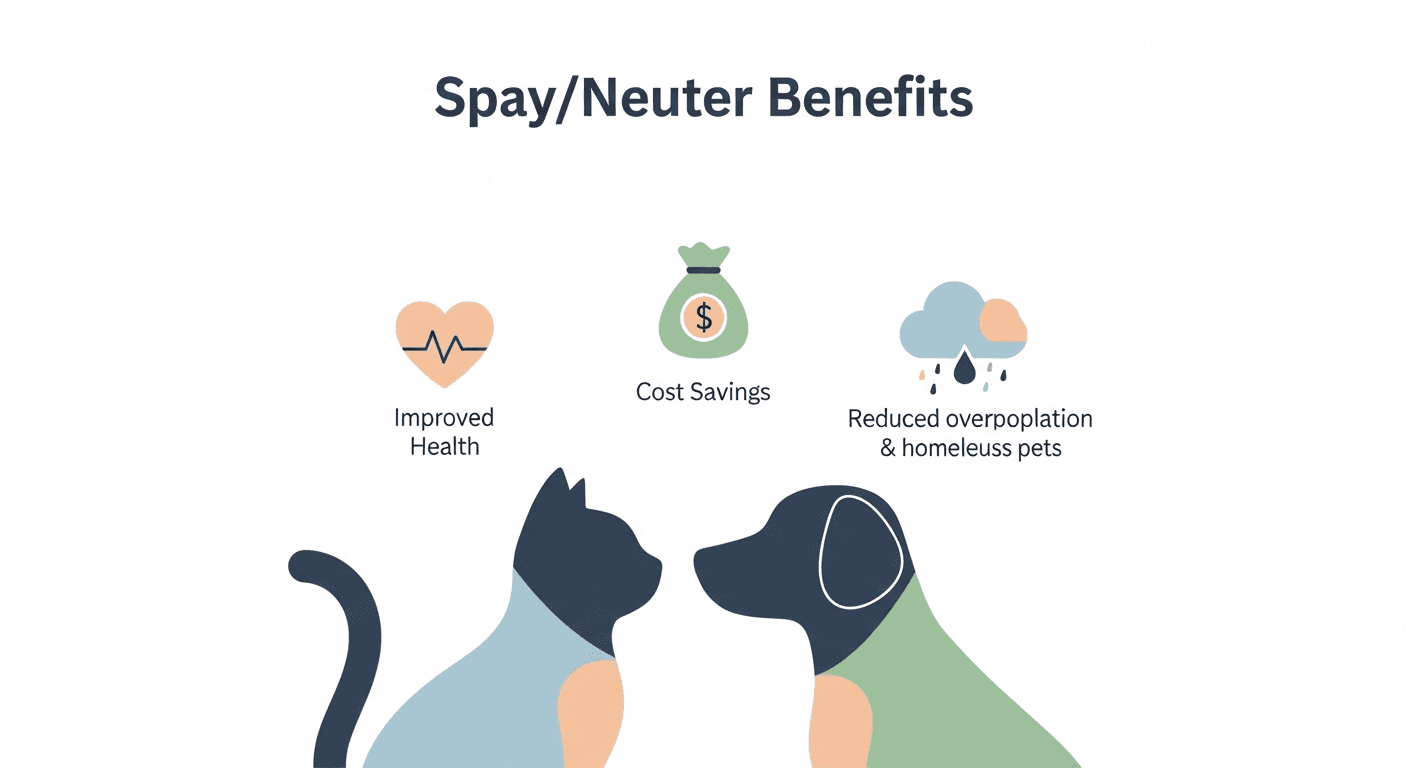
Spaying and neutering reduce cancer risk, improve behavior, and prevent overpopulation. Learn the right age for your pet and what to expect from the procedure.