
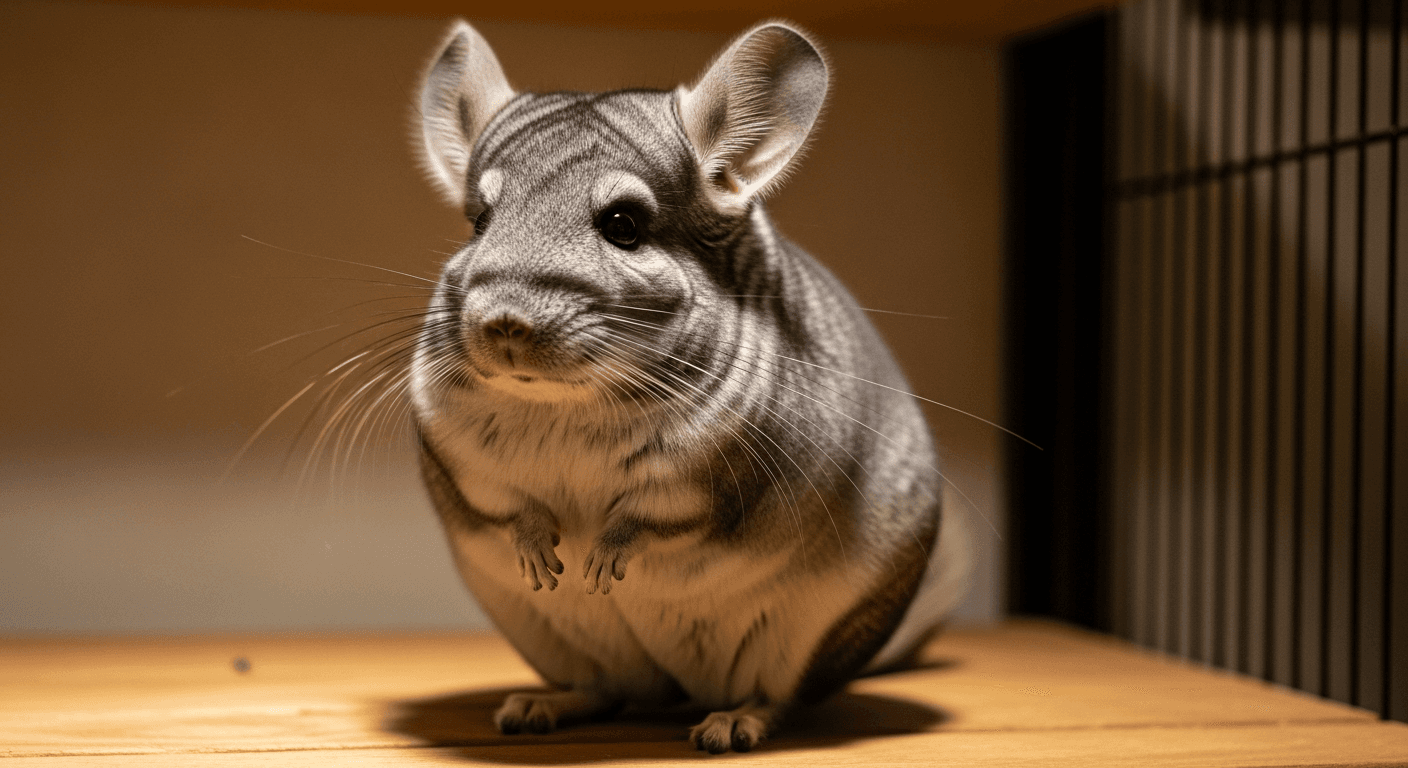
What Makes Chinchillas Special — and Challenging
Chinchillas are native to the cool, dry Andes mountains of South America, where they live at altitudes up to 14,000 feet. They have the densest fur of any land animal (60–80 hairs per follicle) and are exceptionally clean, odorless animals. With proper care, they live 10–15 years, and some reach 20 years. They are intelligent, fast, and can become quite affectionate with patient handling — but they are delicate, easily stressed, and have specific environmental needs that make them unsuitable for young children or casual care.
Housing and Temperature: Critical Requirements
Temperature is the single most critical environmental factor for chinchillas. They are extremely susceptible to heat stress:
- Temperature range: 60–70°F (15–21°C) is ideal. Above 75°F (24°C) risk of heat stress begins. Above 80°F (27°C) is life-threatening. Air conditioning is not optional in warm climates.
- Cage size: Minimum 3 feet wide × 2 feet deep × 3 feet tall for a single chinchilla — larger multi-level cages with solid shelves (not wire, which injures feet) are much better.
- Wire spacing: No more than 0.5 inches. Chinchillas can squeeze through surprisingly small gaps.
- Shelves and hiding places: Wood shelves, wooden hiding boxes (untreated kiln-dried wood only). Avoid cedar and other aromatic woods (toxic).
- Exercise wheel: Essential — a solid-surface wheel (no mesh) at least 14–16 inches in diameter. Chinchillas run miles nightly.
- Out-of-cage time: Supervised chinchilla-proofed playtime for at least 1 hour daily, preferably in the evenings when they are naturally active.
Diet: Hay Is the Foundation
Unlike many small pets, chinchillas have very specific digestive systems that require a high-fiber, low-fat, low-sugar diet:
- Grass hay (unlimited): Timothy hay should make up 75–80% of the diet. Chinchillas need constant access. Hay supports proper GI motility and dental wear.
- Pellets (1–2 tablespoons daily): High-quality chinchilla pellets (plain, not with colorful pieces or dried fruit). Oxbow Essentials Chinchilla Food is a well-regarded choice.
- Water: Fresh water daily via sipper bottle. Bowls tip over too easily.
- Treats (sparingly — once or twice weekly maximum): A small piece of plain Cheerio, a raisin, or a small piece of dried rosehip. High-sugar treats disrupt gut flora.
- Do not feed: Fruit, vegetables with high water content (cause bloating and diarrhea), nuts, seeds, dairy, anything processed, or foods high in fat or sugar.
Dust Baths: Coat Care Without Water
Chinchillas groom their fur with dust baths, not water. Bathing a chinchilla in water disrupts the natural oils in their dense fur and can cause skin infections and hypothermia. Provide a dust bath:
- Use commercial chinchilla dust (volcanic ash/pumice) — not sand, which is too coarse
- Offer 2–4 times per week, for 10–15 minutes per session
- Use a deep bowl or enclosed dust bath container to contain the dust
- Remove the dust bath after use — leaving it in the cage allows overuse, which dries the skin
Monitor your chinchilla's fur quality, eating habits, and droppings daily in the TailRounds Daily Log. Any change in dropping size, consistency, or quantity is an early illness signal. Use TailRounds AI Triage if you notice concerning signs, and book a vet visit with an exotic-experienced vet. Find an exotic animal clinic near you.
Continue Reading
 🐇 Small Pets
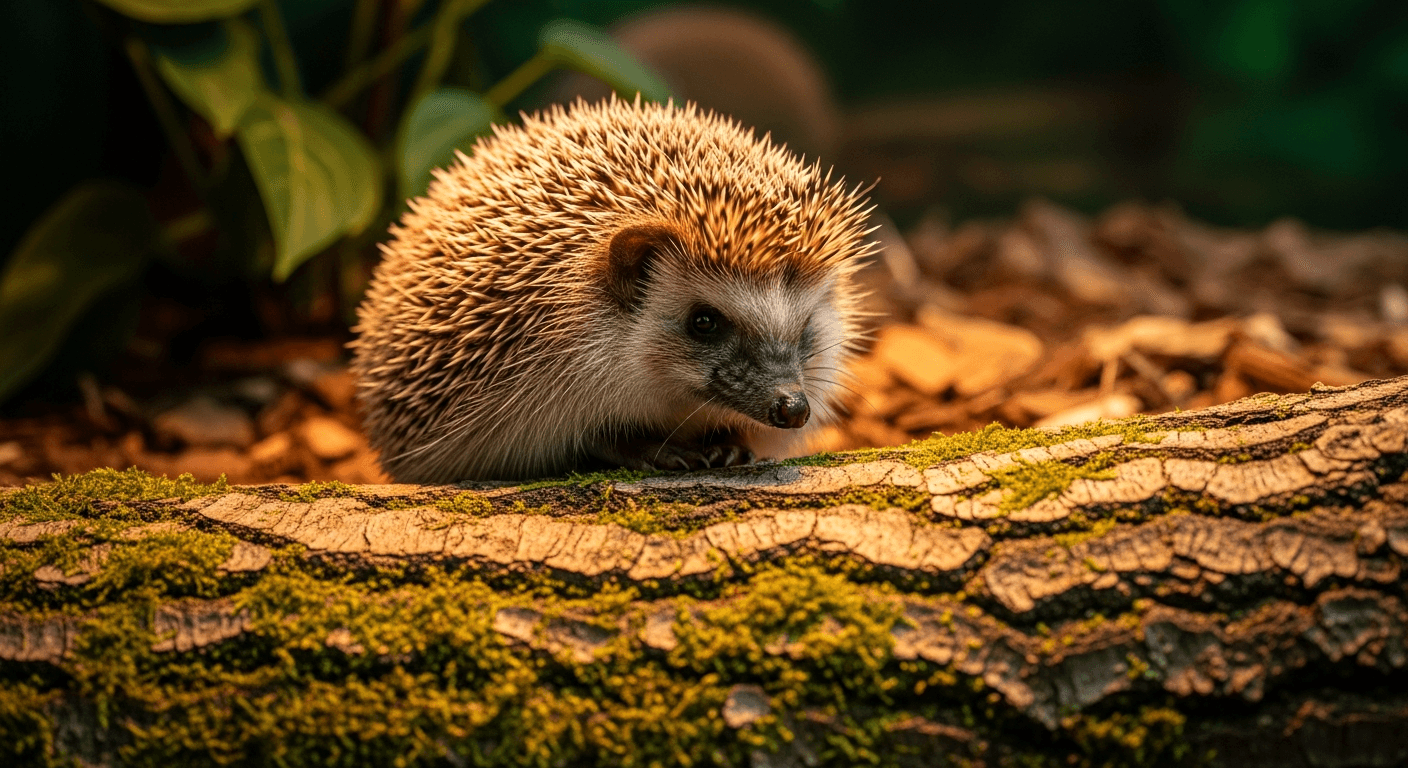
Hedgehog Care Guide: What Every Hedgehog Owner Needs to Know
A complete hedgehog care guide covering housing, diet, wheel exercise, handling, hibernation risks, and common health problems in African pygmy hedgehogs.
 🐇 Small Pets
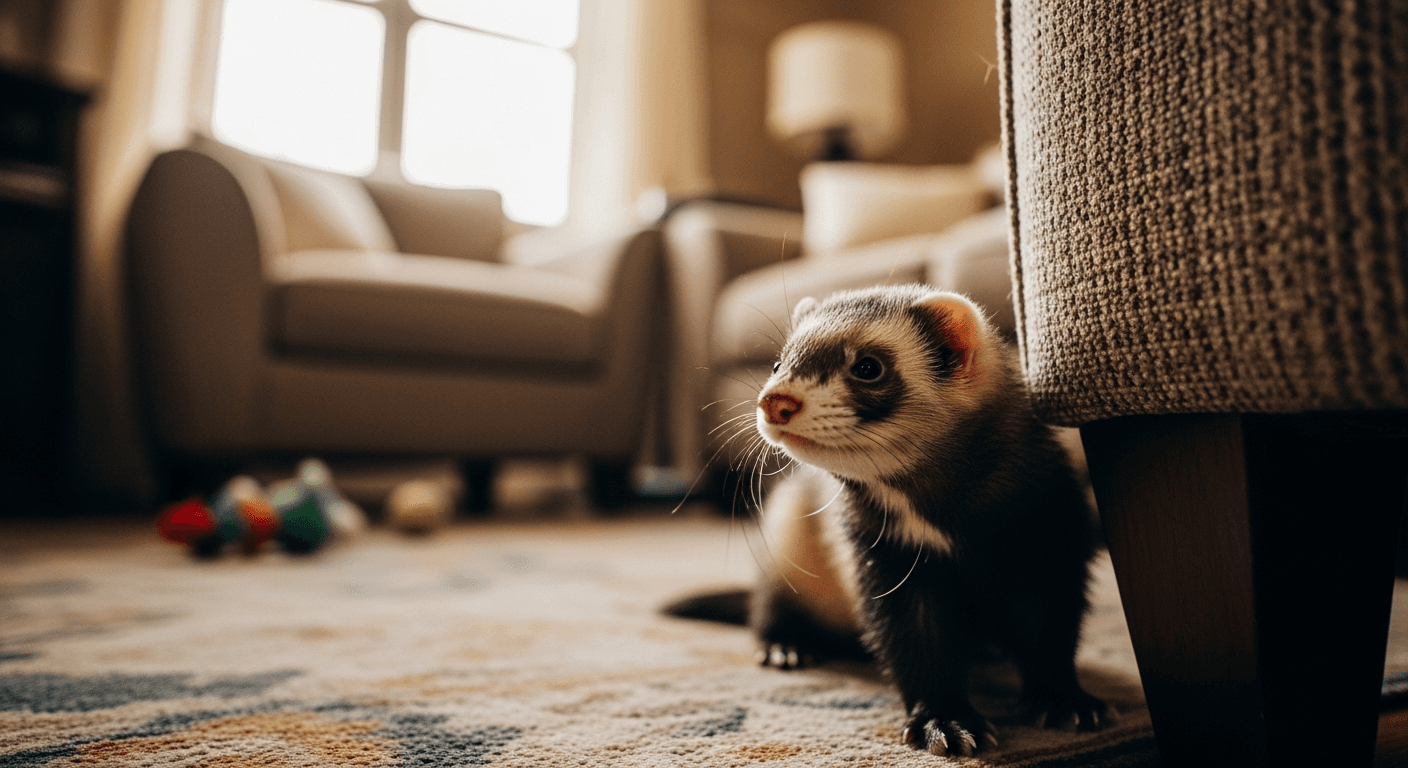
Ferret Care Guide: Everything First-Time Ferret Owners Need to Know
How to care for a ferret — housing, diet, health care, handling, and the common diseases that every ferret owner should know about.
 🐇 Small Pets
When Does a Small Pet Need a Vet? Signs You Shouldn't Ignore
How to know when a small animal — bird, rodent, reptile, fish, or invertebrate — needs veterinary care, and how to find an exotic-experienced vet near you.
 🐇 Small Pets
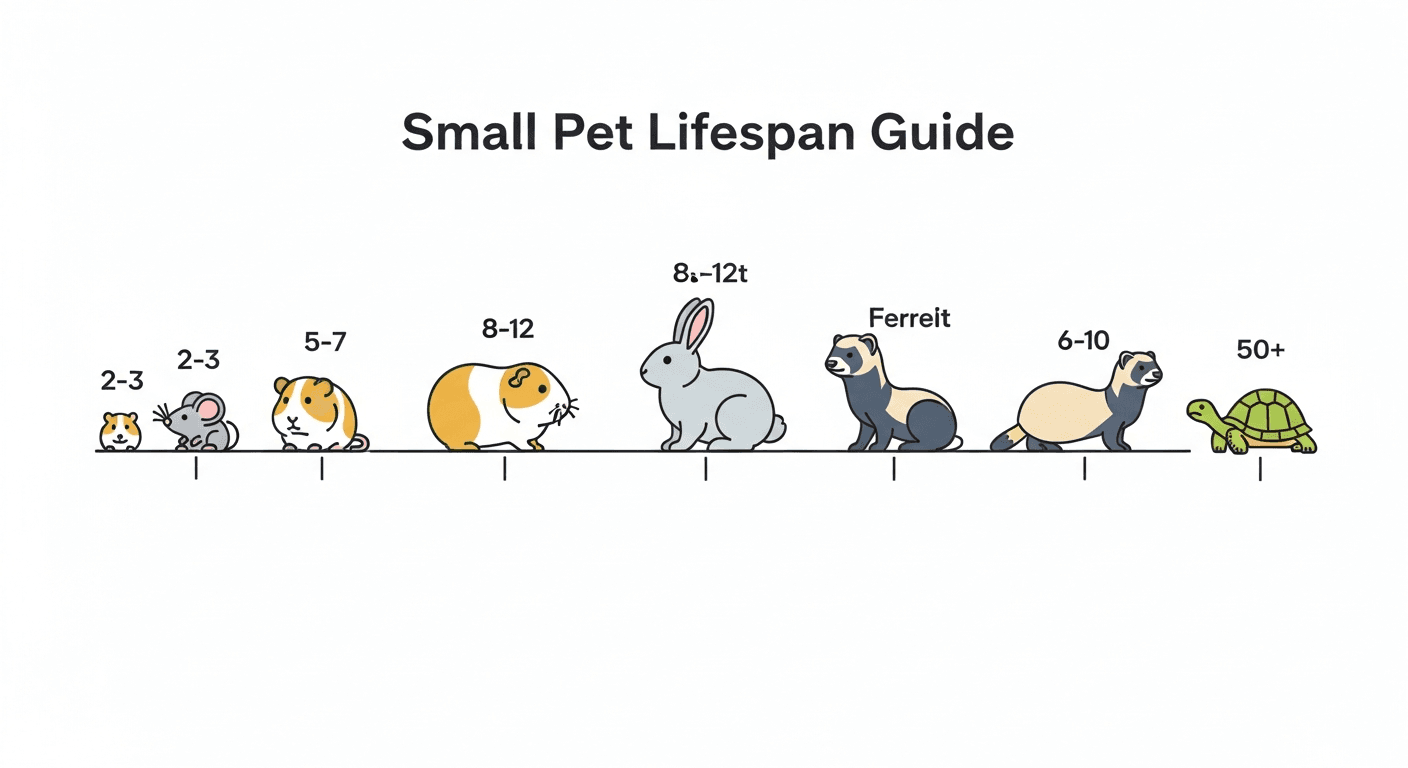
Small Pet Lifespans: What to Expect and How to Plan for It
A realistic guide to the lifespan of popular small pets — from hamsters to tortoises — and how to provide the best care at each life stage.