
Why Homemade Cat Food Is More Complex Than Dog Food
Preparing nutritionally complete food for a cat at home is genuinely challenging — more so than for dogs. Cats are obligate carnivores with unique metabolic requirements that cannot be met without careful formulation. They cannot synthesize taurine, arachidonic acid, or vitamin A from plant sources. They require preformed niacin from animal tissue. They need arginine at every meal to prevent ammonia toxicity. Miss any of these, and within weeks to months your cat will develop serious — sometimes fatal — deficiency diseases.
This doesn't mean homemade cat food is impossible. It means it requires professional guidance and consistent execution. If you're committed to home feeding, start with a consultation — Book a vet appointment at Happy Paws — and use the TailRounds Daily Log to track your cat's health throughout the transition.
Nutrients Cats Cannot Compromise On
| Nutrient | Why Critical | Deficiency Consequence | Best Food Sources |
|---|---|---|---|
| Taurine | Heart, eyes, reproduction | DCM, retinal degeneration, reproductive failure | Heart, dark chicken meat, clams |
| Arachidonic acid (AA) | Inflammatory signaling, reproduction | Reproductive failure, poor skin | Animal fat, especially poultry fat |
| Vitamin A (preformed) | Vision, immune function, skin | Blindness, poor immunity, skin lesions | Liver (use carefully — toxic in excess) |
| Niacin | Energy metabolism | Tongue ulcers, weight loss, death | Meat, fish, poultry |
| Arginine | Ammonia detoxification | Ammonia toxicity — vomiting, neurological signs within hours | All animal protein sources |
| DHA | Brain, eye development | Cognitive and visual impairment | Fish, especially oily fish |
Safe Ingredients for Homemade Cat Food
Proteins (the foundation — should be 60–70% of the diet):
- Chicken (dark meat preferred — higher taurine than breast)
- Turkey (whole ground turkey including dark meat)
- Rabbit (excellent protein profile for cats)
- Beef (lean ground or minced)
- Salmon, sardines, mackerel (excellent DHA source — limit to 2–3 times per week to avoid mercury and thiamine-destroying enzymes in some fish)
- Whole eggs (cooked — raw egg whites block biotin absorption)
Organs (important but carefully limited):
- Chicken liver — excellent vitamin A and taurine source. Limit to 5% of diet. Excess causes vitamin A toxicity (bone deformities, joint pain).
- Heart (chicken or beef) — excellent taurine source, should be 10–15% of diet
- Kidney — B vitamins, iron, selenium
Vegetables (optional, small amounts only): Cats do not need vegetables — their digestive systems handle them poorly. Small amounts of cooked, pureed pumpkin (digestive fiber), cooked zucchini, or leafy greens can be included but should not exceed 5–10% of diet.
What Must Never Go in Cat Food
- Onions, garlic, leeks, chives: Heinz body hemolytic anemia — cats are more sensitive than dogs
- Grapes and raisins: Kidney failure risk
- Xylitol: Hypoglycemia, liver failure
- Alcohol: Highly toxic even in tiny amounts
- Raw egg whites (consistently): Biotin deficiency — cook eggs or use yolk only
- Raw fish as the sole diet: Thiaminase enzymes in some fish destroy thiamine (vitamin B1) causing neurological disease
- Dog food as cat food: Does not contain adequate taurine, arachidonic acid, or vitamin A for cats
- Vegetarian or vegan cat food: Cats cannot survive on plant-based diets long-term
For a complete toxic food reference, see our guide to foods toxic to cats.
Essential Supplementation for Homemade Cat Food
Even with perfect ingredients, most homemade cat diets need supplementation. At minimum:
- Taurine: 200–500 mg per day (depending on recipe composition)
- Calcium: Ground eggshell (approx. 900 mg calcium per ½ teaspoon) or bone meal, unless raw meaty bones provide bone content
- Fish oil (DHA/EPA): 50–100 mg DHA per day
- Feline-specific multivitamin: BalanceIT Feline supplement or equivalent, dosed per recipe
- Iodine: Unless using iodized salt or seafood ingredients
The gold standard is a veterinary nutritionist-formulated recipe (DACVN). Websites like BalanceIT.com and RawFedAndNatural.com offer formulated feline recipes with supporting supplements. Find a Clinic near you for a nutritional consultation, and monitor your cat's health carefully with the TailRounds Daily Log.
Continue Reading
 🥩 Pet Nutrition
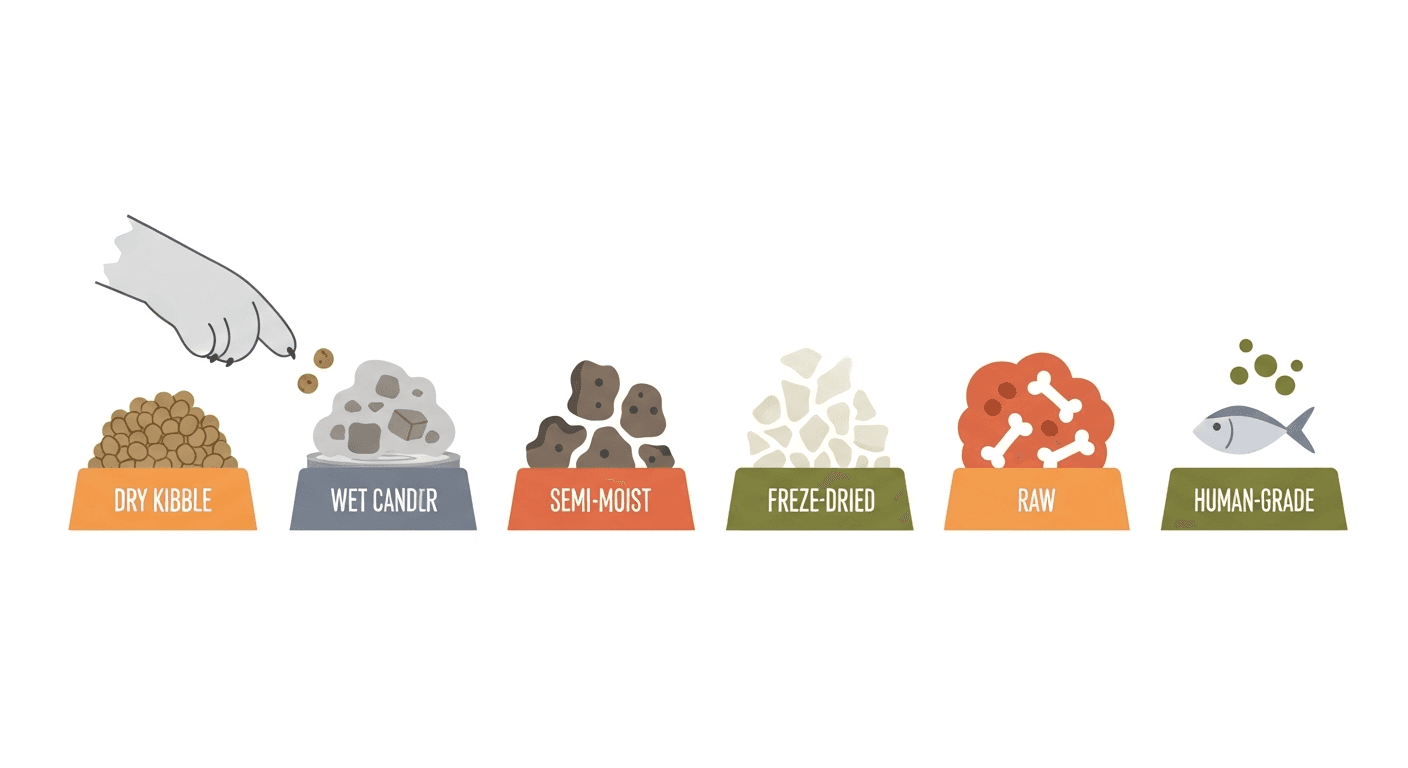
Dry vs Wet vs Raw Cat Food: What's Best for Your Cat?
Explore the differences between dry, wet, and raw cat food formats. Learn which diet suits your cat's health needs, hydration, and life stage.
 🥩 Pet Nutrition
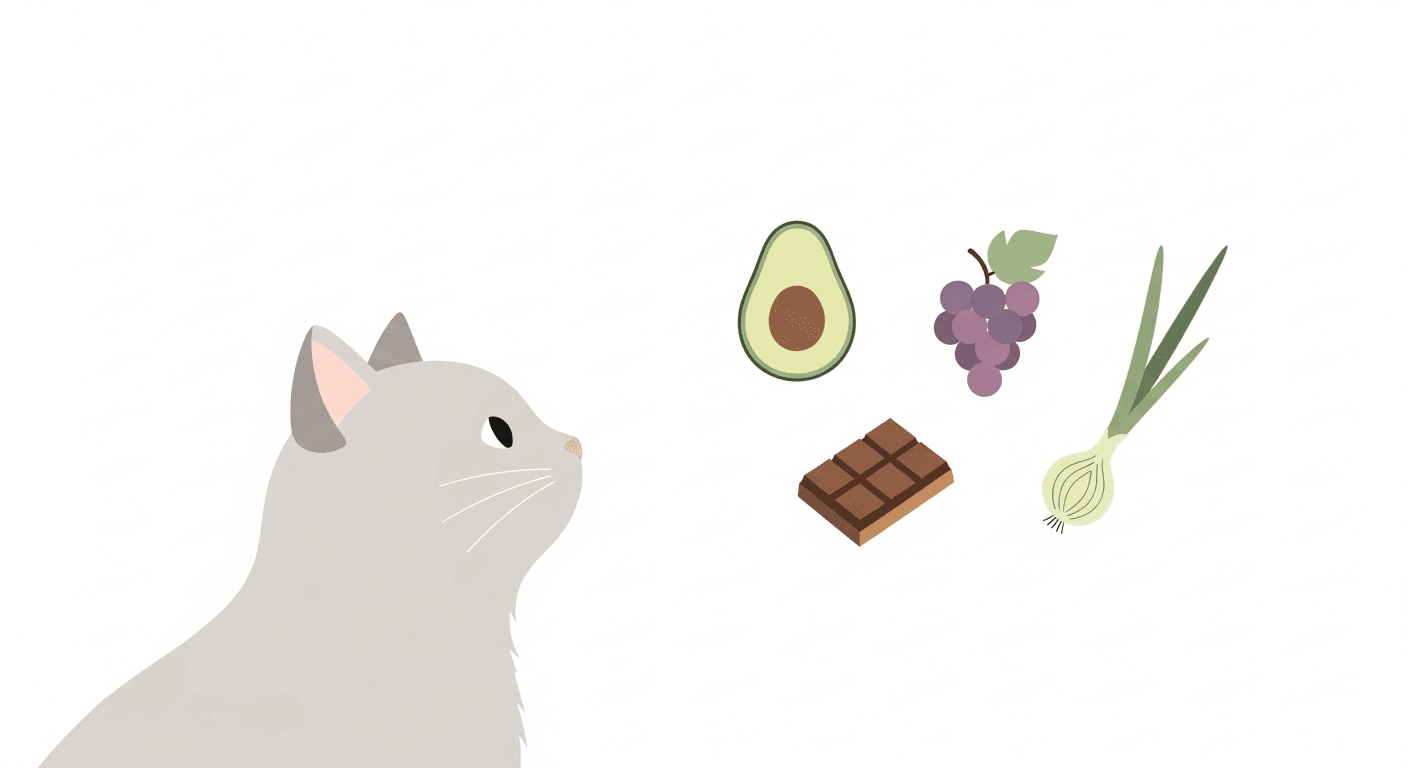
Foods That Are Toxic to Cats: A Complete Safety Guide
Discover which common foods are dangerous or fatal to cats, the symptoms of toxicity, and exactly what to do in a cat poisoning emergency.
 🥩 Pet Nutrition
Food Allergies in Cats: Symptoms, Diagnosis, and the Right Diet
Understand how food allergies affect cats, what symptoms to look for, how to perform an elimination diet trial, and which foods are best for allergic cats.
 🥩 Pet Nutrition
How to Read Pet Food Ingredient Labels: A Complete Owner's Guide
Decode pet food labels with confidence. Learn what AAFCO statements mean, how ingredients are listed, what marketing terms actually mean, and red flags to avoid.