
Do Cats Even Need Treats?
Unlike dogs, cats do not have the same deep-rooted social motivation to please and interact through food. However, treats play important roles in feline life: they can be effective training reinforcers, serve as bonding tools, provide enrichment through puzzle feeders, encourage shy cats to associate humans with positive experiences, and can even serve as a medication delivery method.
The key is proportion and quality. Treats are not a replacement for meals, and many cats develop strong preferences for treats over their nutritionally complete main food — a situation that can cause nutritional imbalance if it gets out of hand. Track your cat's treat consumption alongside meals using the TailRounds Daily Log, and Book a vet appointment at Happy Paws if your cat has been gaining weight or refusing main meals.
How Many Treats Are Safe? The 10% Rule for Cats
The 10% rule applies to cats just as it does to dogs: treats should represent no more than 10% of your cat's total daily caloric intake. For an average 4 kg indoor neutered cat needing approximately 200 kcal/day, this means a maximum of 20 kcal from treats.
What 20 kcal looks like in practice:
- Temptations Classic treats: ~2 kcal each → 10 treats maximum
- Greenies Feline dental treats: ~2–3 kcal each → 7–10 treats maximum
- Freeze-dried chicken treat (small piece): ~3–5 kcal → 4–7 pieces
- Churu tube treat (entire tube): ~12 kcal → 1–2 tubes maximum
Most owners significantly underestimate treat calories. A cat getting 20 Temptations treats per day is already at their entire treat calorie budget — add more and you're displacing essential nutrients from their balanced main food.
What Makes a Good Cat Treat
| Feature | What to Look For | What to Avoid |
|---|---|---|
| Primary ingredient | Named meat or fish first | Corn, wheat, or sugar as first ingredient |
| Protein content | High (>30% DM) | Low protein, high carb formulas |
| Additives | Minimal, recognizable ingredients | Artificial colors, BHA, BHT, ethoxyquin |
| Moisture | High moisture (liquid treats, wet treats) preferred | Dry-only treats as sole treat option |
| Calorie density | Low calorie per treat | High-calorie chew treats given frequently |
| Toxins | Free of onion, garlic, xylitol | Any onion/garlic powder; xylitol |
Best Natural Treat Options for Cats
Whole-food treats can be excellent choices for cats, as long as they are appropriate species and are offered in small amounts:
- Plain cooked chicken breast (small pieces): High protein, low fat, highly palatable. The ultimate feline treat for most cats.
- Plain cooked salmon or tuna (occasionally): Rich in omega-3s. Limit to 2–3 times per week — mercury concern and thiaminase in some fish with frequent feeding.
- Plain cooked shrimp (small, no seasoning): Low calorie, high protein. A special-occasion treat.
- Plain cooked egg yolk (small amounts): Nutritious, palatable. Avoid raw egg white which blocks biotin.
- Plain cooked turkey (no skin): Another excellent protein-based treat.
What NOT to use as cat treats:
- Anything with onion or garlic (includes many baby food meat flavors)
- Dog treats — not formulated for feline taurine and nutritional needs
- Raw fish as a staple treat (thiaminase risk)
- Milk or cream — most adult cats are lactose intolerant
- Deli meats — very high in sodium
If your cat is gaining weight from treats, consult your vet. Find a Clinic near you to access weight management support. Remember that occasional special treats are fine — it's daily habits that shape health outcomes over months and years.
Continue Reading
 🥩 Pet Nutrition
How Much to Feed Your Cat: A Complete Portion Sizing Guide
Calculate the right daily food portions for your cat by weight, age, and activity level. Prevent obesity and undernutrition with this vet-informed guide.
 🥩 Pet Nutrition
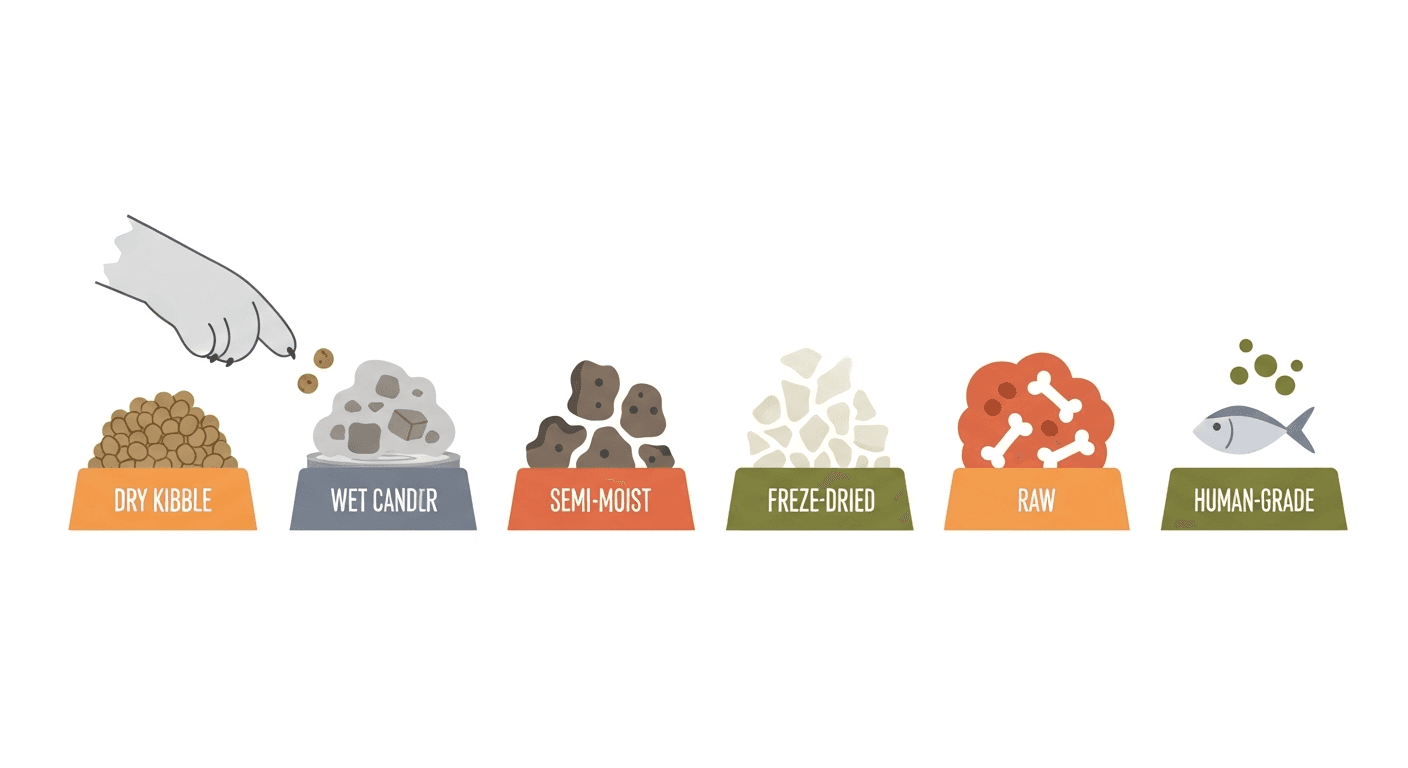
Dry vs Wet vs Raw Cat Food: What's Best for Your Cat?
Explore the differences between dry, wet, and raw cat food formats. Learn which diet suits your cat's health needs, hydration, and life stage.
 🥩 Pet Nutrition
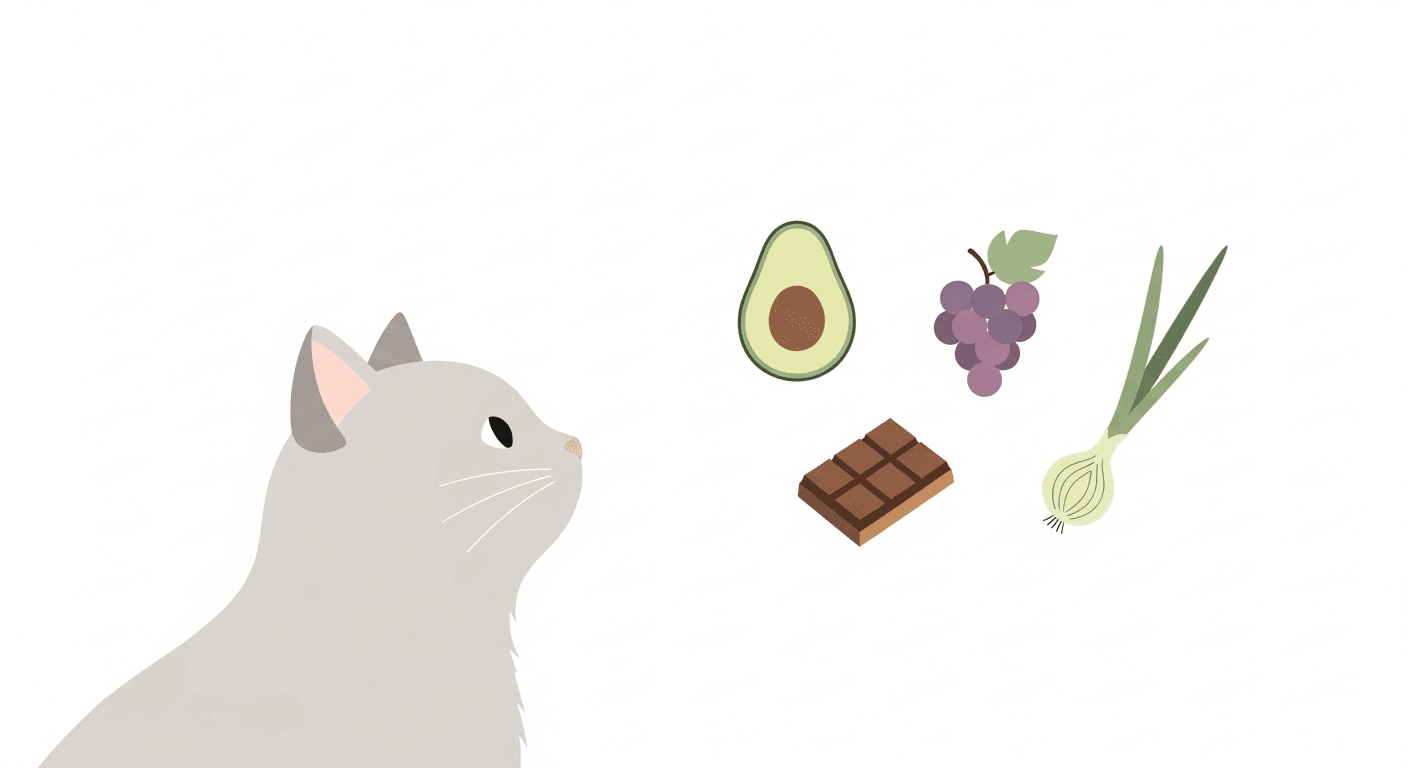
Foods That Are Toxic to Cats: A Complete Safety Guide
Discover which common foods are dangerous or fatal to cats, the symptoms of toxicity, and exactly what to do in a cat poisoning emergency.
 🥩 Pet Nutrition
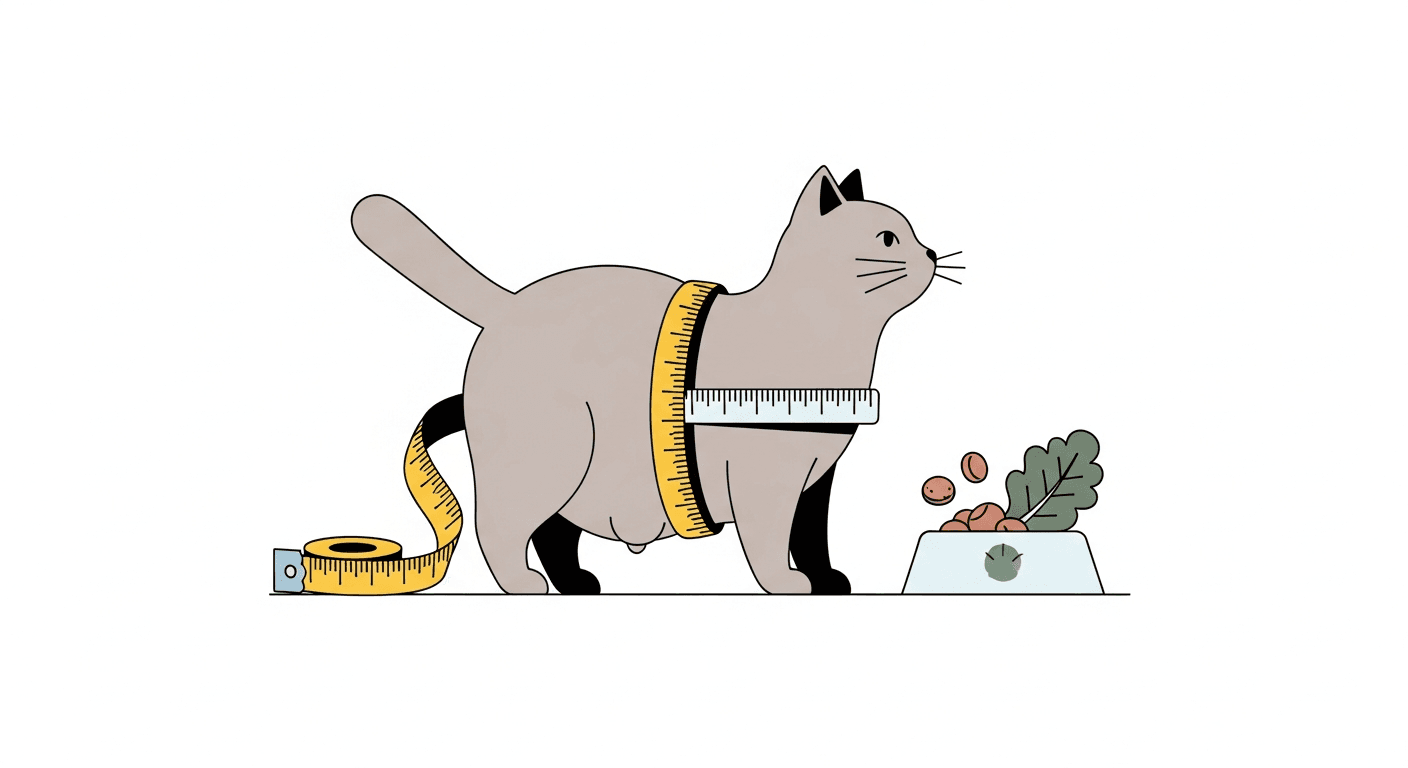
Weight Loss Diet for Overweight Cats: Safe and Effective Strategies
Guide your overweight cat to a healthy weight safely. Covers calorie targets, food choices, feeding schedules, and why slow cat weight loss is critical.