

What Makes Post-Surgical Recovery Challenging in Hamsters
Hamsters are high-risk surgical patients due to their small size, high metabolic rate, and susceptibility to hypothermia and hypoglycemia. Even brief fasting pre-surgery can cause dangerous blood sugar drops, and anesthesia recovery requires careful temperature management.
Post-operative care at home is equally important — preventing wound interference, maintaining warmth, supporting eating, and monitoring for complications are all owner responsibilities in the first 72 hours after discharge.
First 3 Steps at Home
- Create a warm, quiet recovery space: Set up a separate, small enclosure with minimal bedding (easier to monitor wounds), no wheel, no climbing objects, and ambient temperature of 22–24°C. Stress and exertion in the immediate post-op period increase complication risk significantly.
- Offer food and water immediately: Hamsters need calories quickly post-surgery to prevent hypoglycemia. Offer soft, easily digestible foods — cooked egg, soft fruit, mashed banana — in addition to their regular food. Make water easily accessible at floor level rather than requiring climbing to a bottle.
- Check the wound without touching: Every few hours in the first 24–48 hours, visually inspect the wound site. Normal: slightly pink, closed edges. Abnormal: redness spreading outward, discharge other than minimal clear fluid, opening of the wound edges, swelling beyond the wound margins.
When to Go to the Vet Immediately
- Wound dehiscence — wound opening or sutures pulling out
- Hamster chewing at the wound site — may need an e-collar or topical deterrent from the vet
- Discharge from the wound that is yellow, green, or foul-smelling
- Complete refusal to eat for more than 6 hours post-surgery
- Ongoing hypothermia — hamster feels cold to touch despite warming measures
- Repeated attempts to escape the enclosure, vocalization, or signs of pain
Follow-Up Care Checklist
- Administer all prescribed medications on schedule — pain control supports healing and appetite
- Keep the enclosure spotlessly clean to minimize infection risk — daily substrate change near the wound area
- Restrict activity for the full recovery period recommended by your vet (typically 10–14 days)
- Attend scheduled follow-up appointments for suture removal or wound assessment
- Gradually reintroduce normal housing setup as healing progresses
Track Recovery with TailRounds
Log wound appearance, food and water intake, energy level, and medication timing in the TailRounds Daily Log every day during recovery. This record helps your vet assess progress at follow-up visits.
Book a Vet Appointment
Plan follow-up visits before discharge from surgery. If complications arise between scheduled visits, don't hesitate to book urgently. Book at Happy Paws — our exotic team monitors post-surgical recovery closely.
Summary for Your Clinic Visit
Bring your wound observation log, note the last time the hamster ate and drank, list all medications given with exact timing, and describe any concerns about the wound appearance or the hamster's behavior during recovery.
Continue Reading
 🐭 Hamster Health
Hamster Tumors: When to Worry About Lumps
Hamsters have a high rate of tumor development, especially after age 1. Learn what types of tumors are common, how to spot them early, and what treatment looks like.
 🐭 Hamster Health
Hamster Abscesses: Causes, Signs, and Treatment
Abscesses from bite wounds, dental problems, or cheek pouch injury are common in hamsters. Learn to recognize them early and understand what treatment involves.
 🐭 Hamster Health
Lethargic Hamster: Hibernation, Illness, or Torpor?
A hamster that won't move may be sleeping normally, entering torpor from cold, or seriously ill. Learn how to tell the difference and when to act.
 🐭 Hamster Health
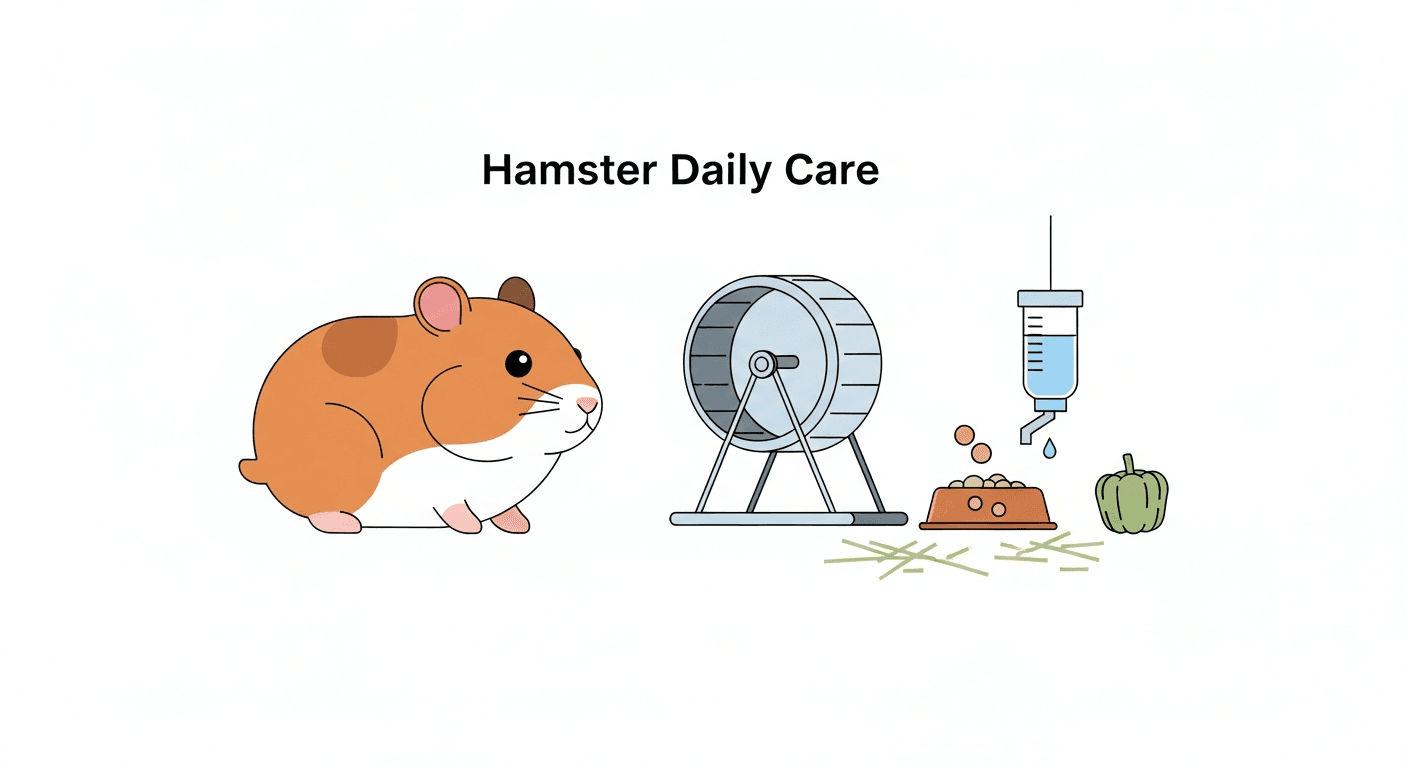
Daily Hamster Care Routine: Health Monitoring Checklist
A consistent daily routine is the best early warning system for hamster health problems. Learn what to check every day and how to build a baseline.