

Dental Disease in Hamsters
Hamsters have four continuously growing incisors (two upper, two lower) that wear against each other during gnawing. When the teeth become misaligned, they overgrow — sometimes curling into the gum or palate. This is painful and prevents eating. Hamsters also have large cheek pouches that extend from the cheek down to the shoulder — they use these to cache food. Cheek pouches can become impacted with sticky foods, infected (abscess), or everted (turned inside out, protruding from the mouth).
First 3 Steps to Take at Home
- Check the teeth monthly: Hamster incisors should be yellow-orange (not white), relatively straight, and of even length (upper slightly longer than lower is normal). Any significant deviation, curving, or length asymmetry warrants veterinary assessment.
- Watch for cheek pouch problems: Normal cheek pouch use involves stuffing food into puffed cheeks and emptying them at the nest. A hamster with one continuously puffed cheek, discharge from the mouth, or a pink tissue mass protruding from the mouth has a cheek pouch problem requiring veterinary attention.
- Provide appropriate chew materials: Wooden chew toys, hay cubes, and hard seeds help maintain normal tooth wear and give the hamster appropriate gnawing outlets.
When to Go to the Vet Immediately
- Teeth visibly growing into the gum or palate
- Hamster cannot close its mouth
- Pink tissue protruding from the mouth (everted cheek pouch)
- Swelling of the cheek or jaw (abscess)
- Not eating for more than 24 hours
Follow-Up Care Checklist
- Tooth trimming under anesthesia by an experienced exotic vet — not at home with nail clippers (this fractures teeth)
- Everted cheek pouches may need surgical removal if they cannot be replaced — many hamsters live well without their pouches
- Soft foods during dental recovery to ensure calorie intake
Track Dental Health with TailRounds
Log monthly incisor checks and any eating difficulty in the TailRounds Daily Log.
Book a Vet Appointment
Any dental abnormality in a hamster requires expert assessment. Book at Happy Paws with our exotic animal team for evaluation and treatment.
Summary for Your Clinic Visit
Tell your vet when you noticed the dental problem, what the teeth look like, whether the hamster is eating, and what chew materials are provided in the enclosure.
Continue Reading
 🐭 Hamster Health
Hamster Not Eating: Causes and What to Do
A hamster that stops eating quickly loses dangerous weight. Learn the common causes of appetite loss and when to seek urgent veterinary care.
 🐭 Hamster Health
Hamster Weight Loss: Causes and How to Monitor Effectively
Weight loss in hamsters is a serious sign — their small size means even small losses are significant. Learn to detect and respond to weight loss early.
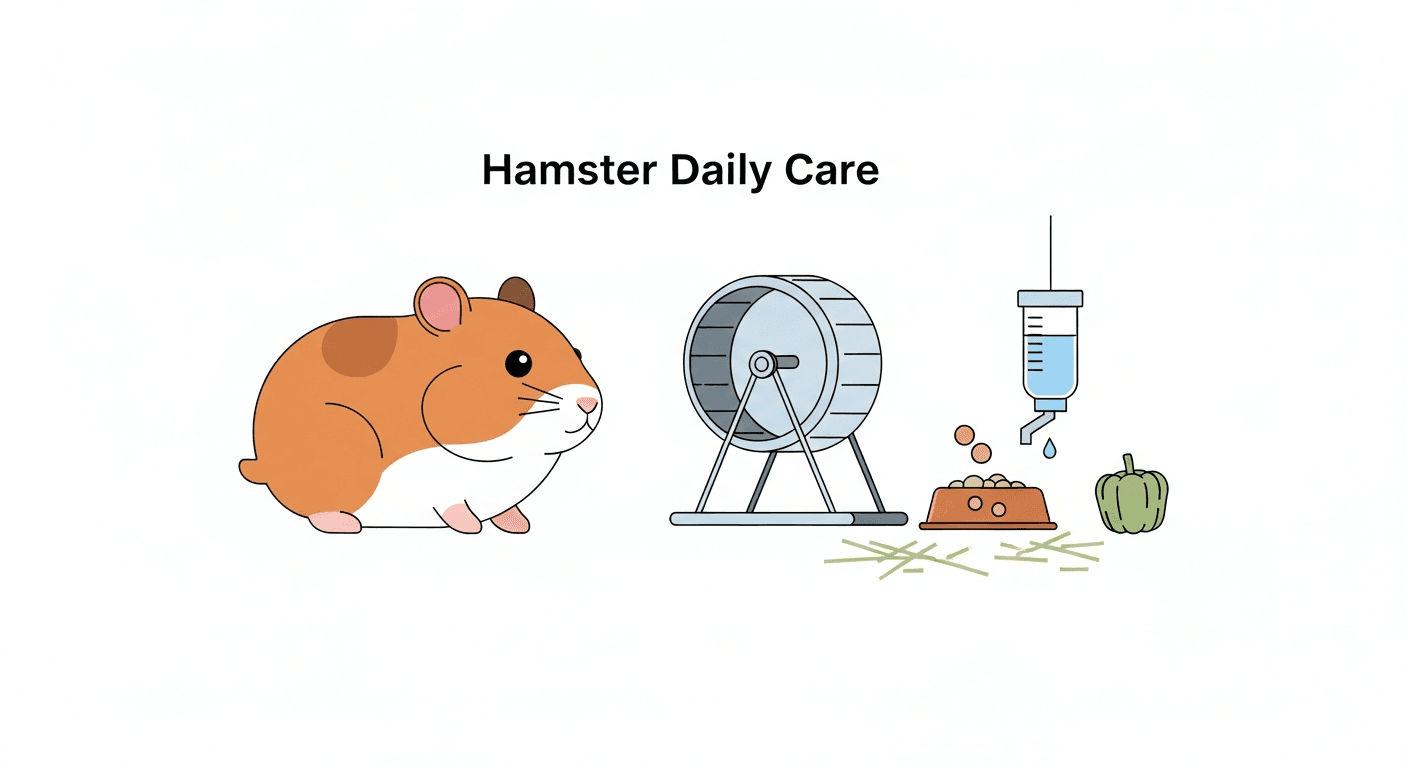 🐭 Hamster Health
Daily Hamster Care Routine: Health Monitoring Checklist
A consistent daily routine is the best early warning system for hamster health problems. Learn what to check every day and how to build a baseline.
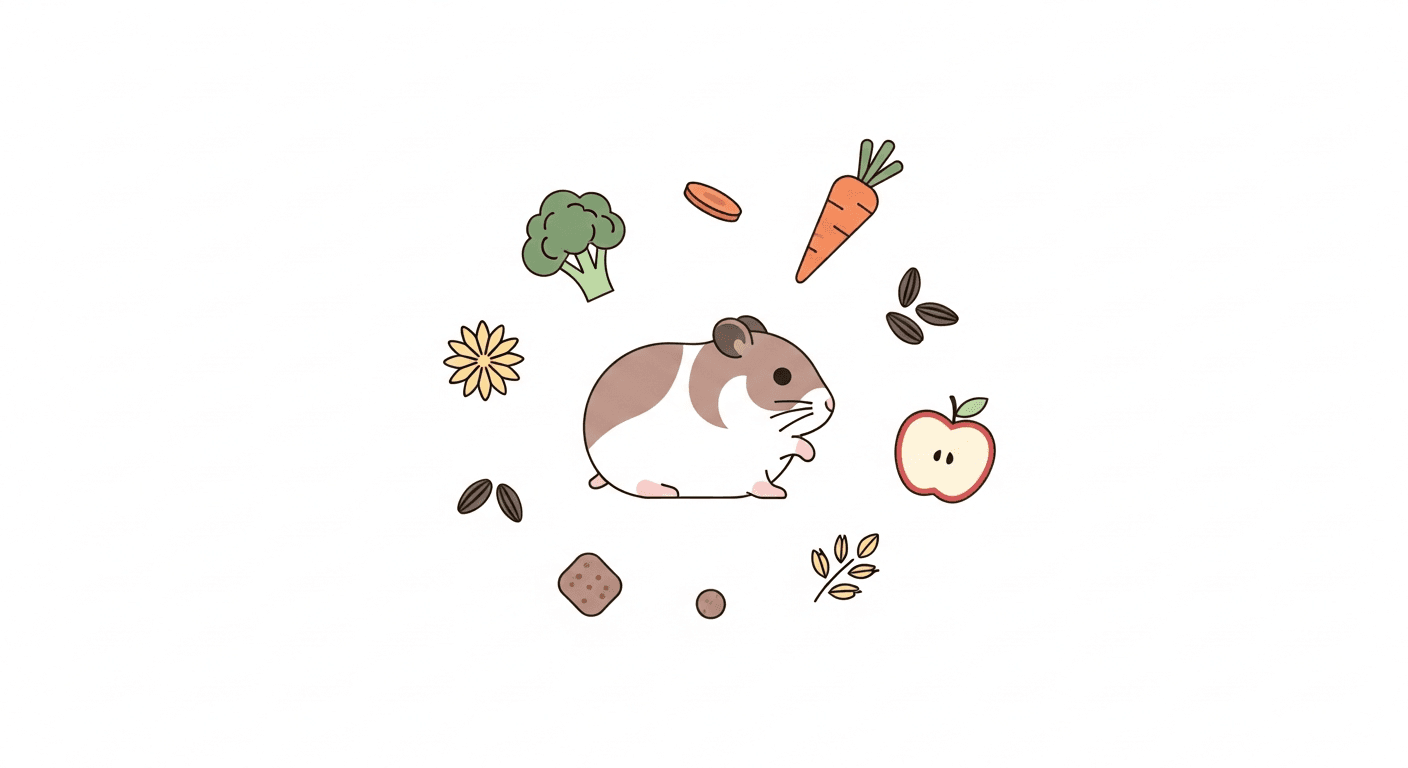 🐭 Hamster Health
Hamster Diet Guide: What to Feed for Optimal Health
The right diet prevents common hamster diseases. Learn which foods are safe, which cause diabetes and obesity, and how to provide variety safely.