
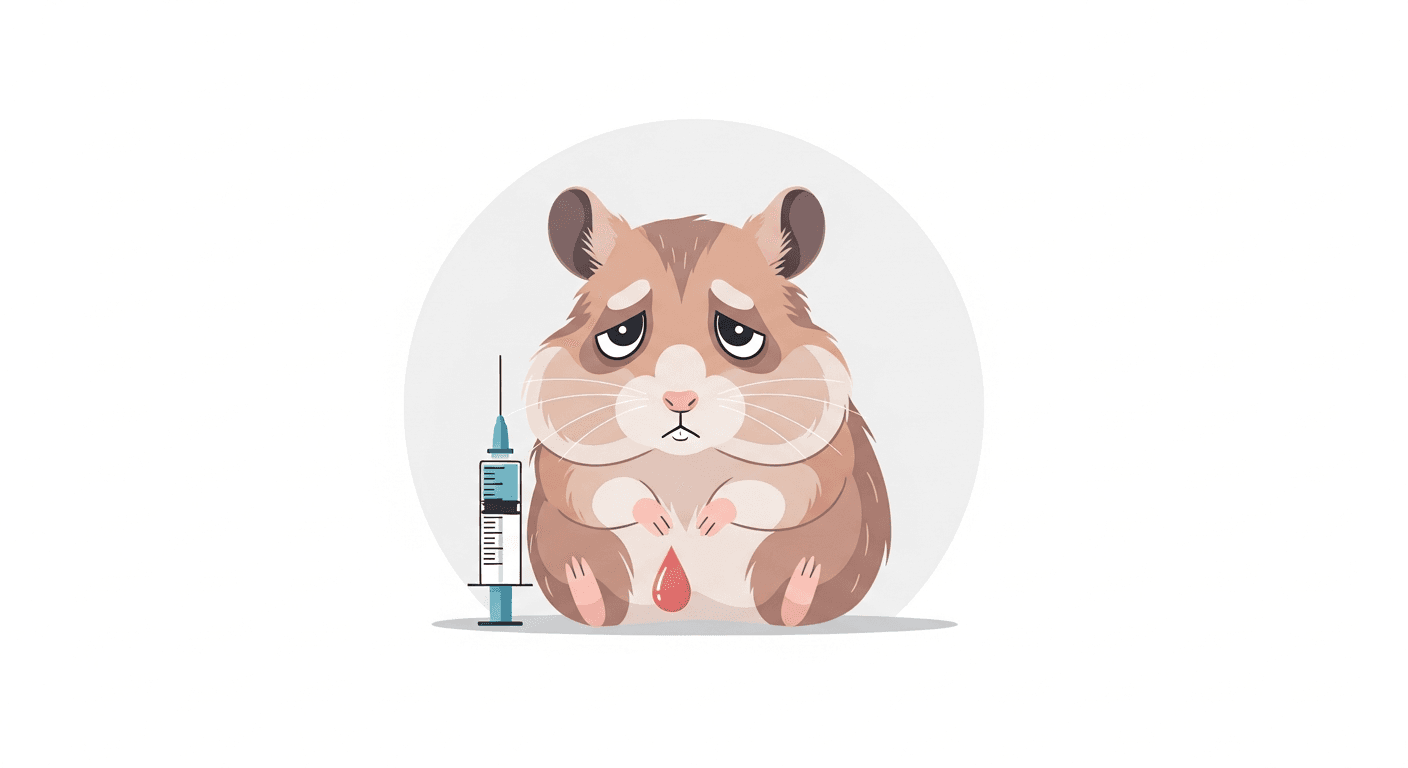
Diabetes in Dwarf Hamsters
Diabetes mellitus is extremely common in Chinese hamsters (Cricetulus griseus) and is also seen in Russian dwarf hamsters (Phodopus campbelli). Syrian hamsters are also susceptible, particularly with high-sugar diets. The condition involves elevated blood glucose due to insulin resistance or insufficient insulin production. Unlike cats and dogs, diabetes in hamsters is rarely fully controlled with insulin injection — dietary management is the primary approach. Early diagnosis and appropriate diet can significantly extend quality of life.
Classic Signs of Hamster Diabetes
- Dramatically increased water intake — the water bottle empties noticeably faster
- Increased urination — wet bedding around the sleeping area, bedding soaked quickly
- Weight loss despite apparently eating normally
- Sweet smell to the urine (glucose in urine)
- Lethargy and reduced activity
- Cataracts developing in the eyes (diabetes accelerates cataract formation)
First 3 Steps to Take at Home
- Remove all sugar-containing foods immediately: Fruit, honey sticks, yogurt drops, seed mixes with dried fruit — all of these must be removed from the diet. A diabetic hamster must have all dietary sugar eliminated.
- Measure water intake: Fill the water bottle with a measured amount and check how much is consumed in 24 hours. This baseline is useful for your vet and for monitoring treatment response.
- Book a veterinary appointment for blood and urine testing: Glucose in the urine (glucosuria) can be detected with simple urine test strips. Blood glucose measurement confirms diabetes. These tests are quick and inexpensive and guide management decisions.
When to Go to the Vet Immediately
- Hamster is collapsing or unresponsive (hypoglycemic episode if on insulin, or severe hyperglycemia)
- Rapid weight loss over a few days alongside dramatic thirst
- Eye changes — sudden clouding may indicate diabetic cataract progression
Follow-Up Care Checklist
- Transition to a low-sugar diet permanently: whole grains, plain pellets, vegetables, small amounts of protein
- Monitor water intake weekly as an indicator of glucose control
- Some hamsters benefit from insulin injections — discuss feasibility with your vet given the hamster's size and temperament
- Recheck glucose quarterly or when symptoms change
Track Diabetes Management with TailRounds
Log daily water intake and weekly weight in the TailRounds Daily Log. Changes in water consumption are the most accessible home indicator of glucose control.
Book a Vet Appointment
Suspected diabetes in a hamster requires blood and urine testing. Book at Happy Paws with our exotic animal team for diagnosis and dietary management planning.
Summary for Your Clinic Visit
Tell your vet the hamster's breed, age, observed symptoms, current diet, how much water is consumed daily, and the appearance of the urine and bedding.
Continue Reading
 🐭 Hamster Health
Hamster Not Eating: Causes and What to Do
A hamster that stops eating quickly loses dangerous weight. Learn the common causes of appetite loss and when to seek urgent veterinary care.
 🐭 Hamster Health
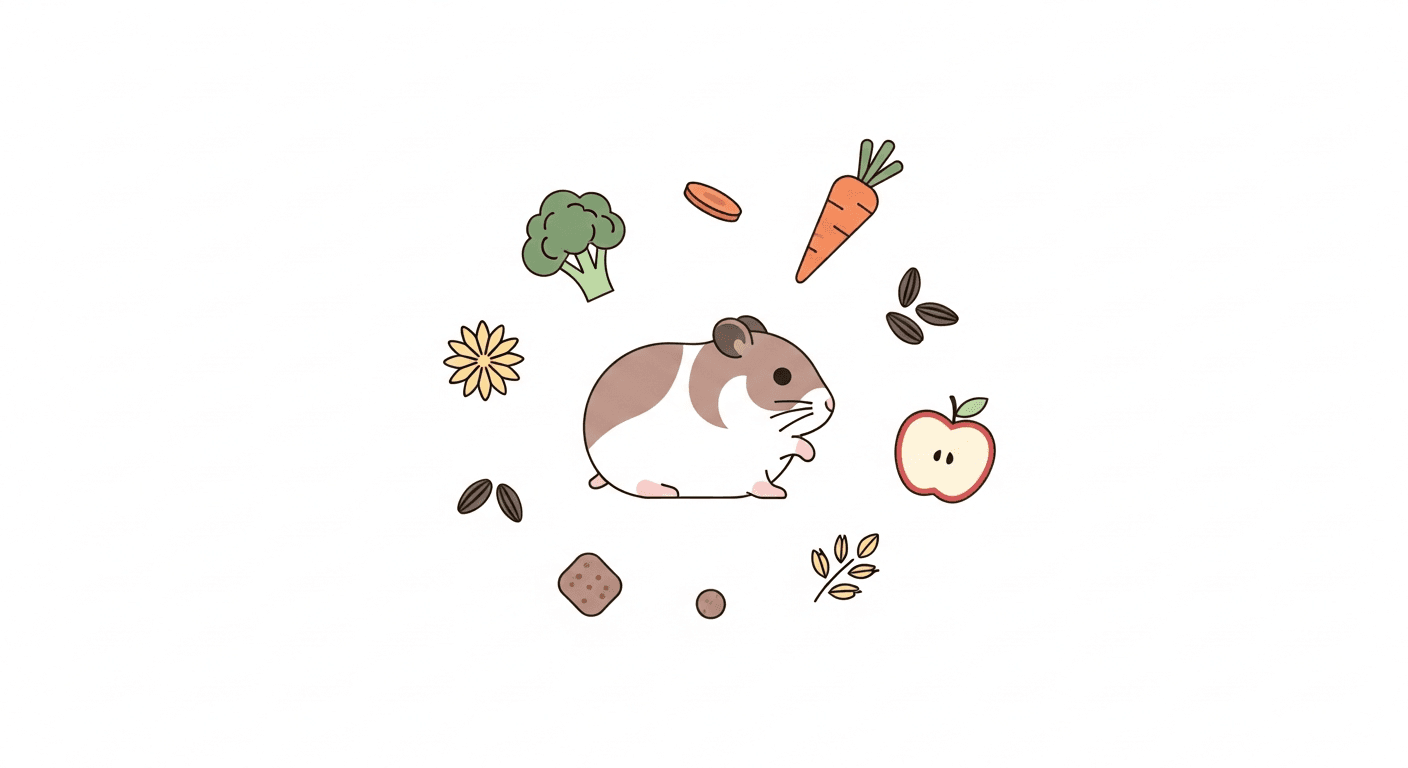
Hamster Diet Guide: What to Feed for Optimal Health
The right diet prevents common hamster diseases. Learn which foods are safe, which cause diabetes and obesity, and how to provide variety safely.
 🐭 Hamster Health
Hamster Weight Loss: Causes and How to Monitor Effectively
Weight loss in hamsters is a serious sign — their small size means even small losses are significant. Learn to detect and respond to weight loss early.
 🐭 Hamster Health
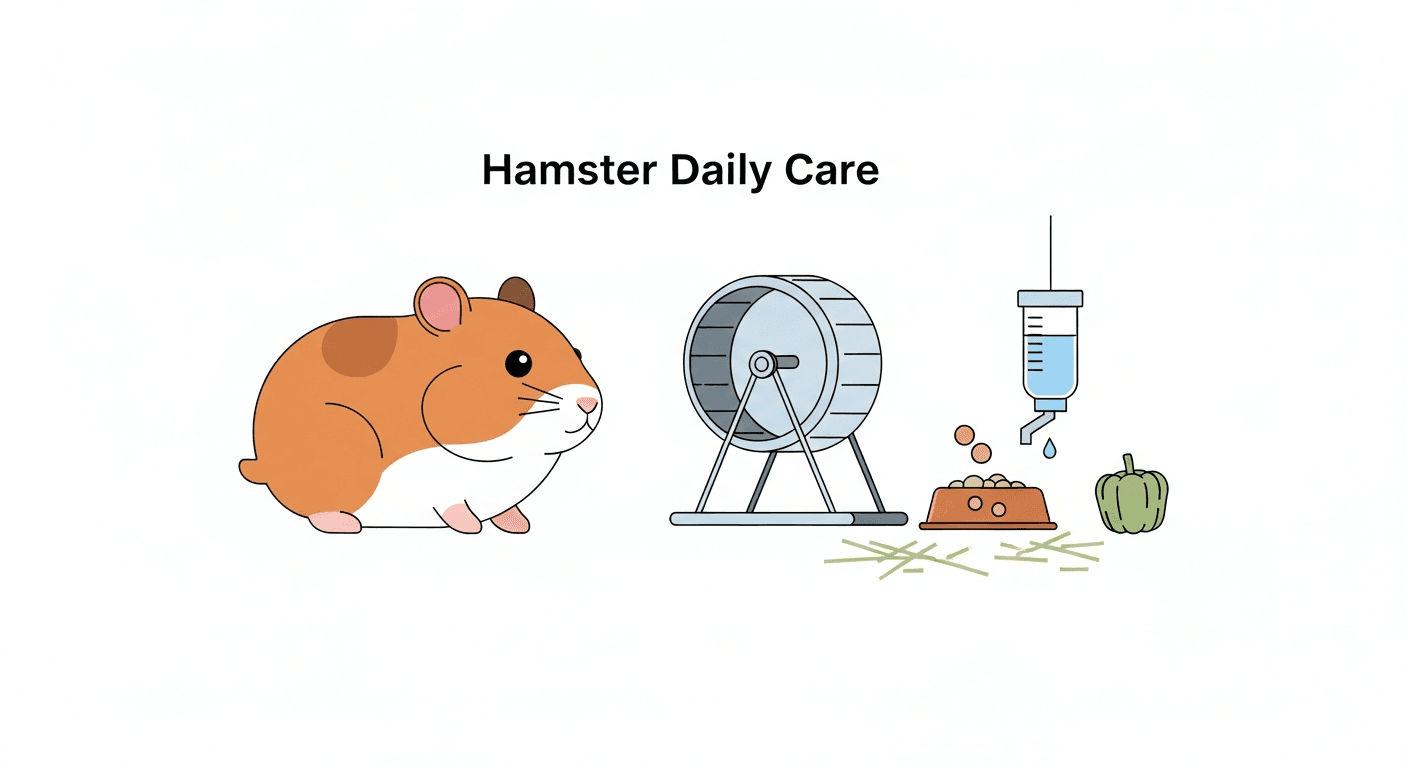
Daily Hamster Care Routine: Health Monitoring Checklist
A consistent daily routine is the best early warning system for hamster health problems. Learn what to check every day and how to build a baseline.