

What Are Cheek Pouch Problems in Hamsters?
Hamsters use their cheek pouches to transport food, and these pouches can extend from the cheek all the way back to the shoulder blades when full. This remarkable adaptation also makes them vulnerable to specific problems: impaction (food stuck and unable to be emptied), prolapse (the pouch turns inside out and protrudes from the mouth), and infection (often secondary to impaction or injury).
All three are medical conditions that require veterinary treatment. Home management is limited to recognition and safe transport.
First 3 Steps at Home
- Observe without attempting to manually empty the pouch: A hamster with a swollen cheek that has not emptied after several hours may have impaction. Do not attempt to squeeze or manually extract the contents — this can rupture the pouch lining.
- Identify prolapse immediately: If you see pink, red, or dark tissue protruding from the corner of the hamster's mouth, this is a cheek pouch prolapse. Keep the tissue moist with a drop of clean saline if available and get to a vet within the hour. Do not attempt to push it back.
- Check for infection signs: Warmth, swelling, and discharge around the cheek, combined with the hamster rubbing its face or refusing to eat, suggests abscess or infection. Begin arranging vet care immediately.
When to Go to the Vet Immediately
- Visible prolapsed tissue from the mouth — this is an emergency
- Cheek swelling that has not reduced within 6–8 hours
- Any discharge from the cheek area
- Hamster pawing repeatedly at its mouth or refusing to eat
- Signs of pain or distress alongside swollen cheeks
Follow-Up Care Checklist
- Avoid sticky foods — peanut butter, soft candy, gummy treats — which cause impaction
- Do not offer nesting materials that can be hoarded in pouches (cotton wool is the most common culprit)
- Use paper-based nesting material that passes safely if accidentally pouched
- After any pouch procedure, feed soft foods until the vet confirms healing
- Monitor closely for any recurrence of swelling
Track Feeding and Pouch Health with TailRounds
Log daily food offered and pouch appearance in the TailRounds Daily Log. Knowing what the hamster ate in the 24 hours before a problem appeared can help your vet identify the cause.
Book a Vet Appointment
Cheek pouch problems require hands-on veterinary assessment. Book at Happy Paws urgently if you suspect any pouch problem — most cases resolve completely with prompt treatment.
Summary for Your Clinic Visit
Describe what you observed, when the swelling or prolapse appeared, what the hamster had eaten recently, and any home care you provided. Photos of the affected area before arriving are very helpful for the vet team.
Continue Reading
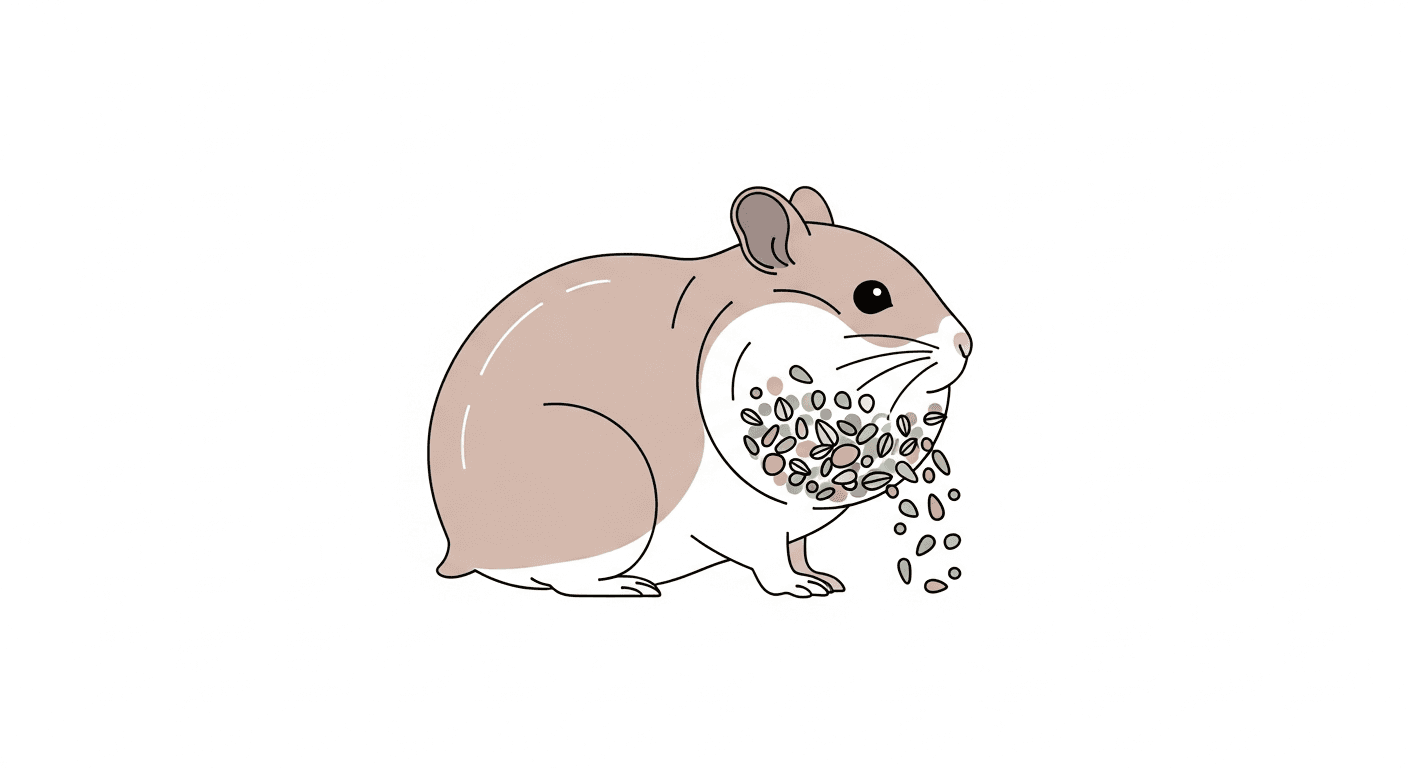 🐭 Hamster Health
Hamster Cheek Pouch Impaction: Signs and Treatment
A hamster with a permanently full, hard cheek pouch likely has impaction. Learn the causes, how to help, and when veterinary removal is needed.
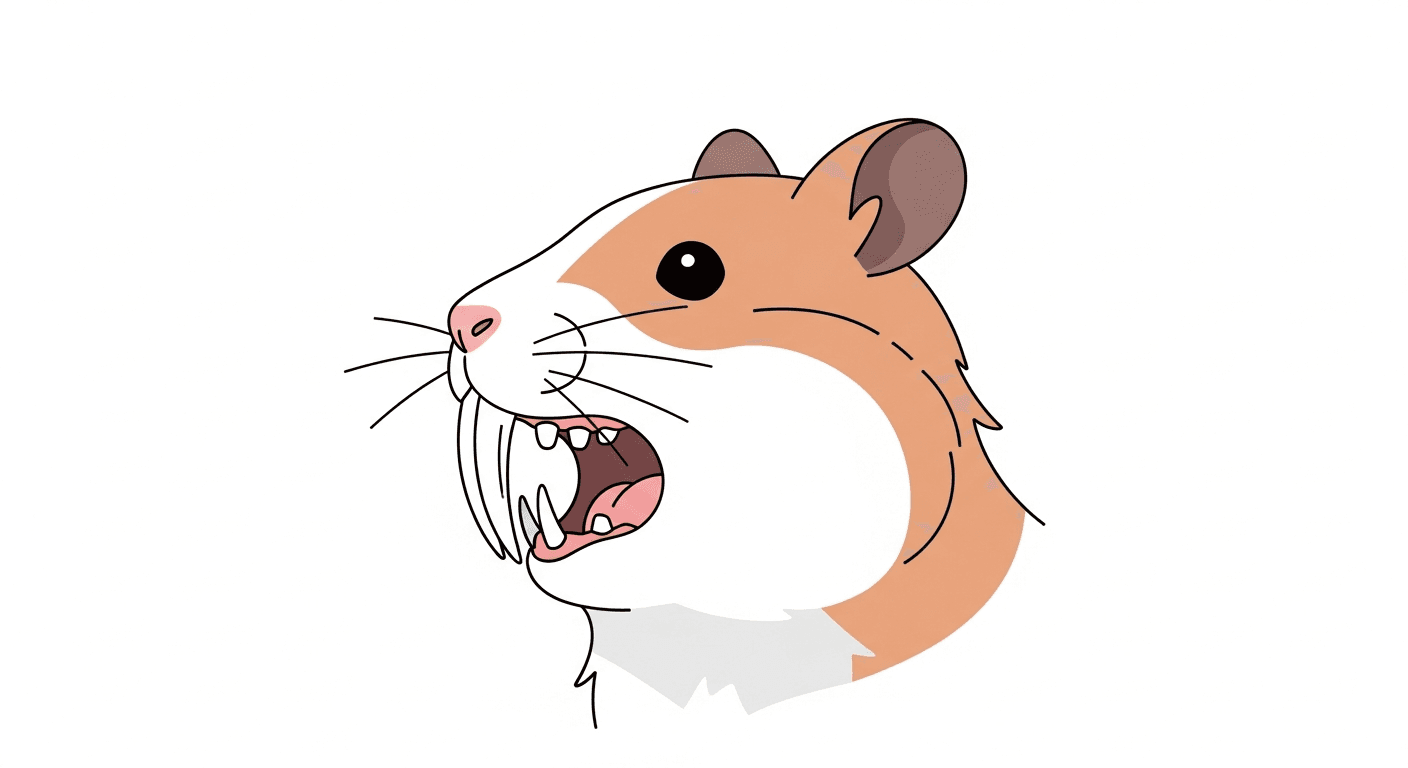 🐭 Hamster Health
Hamster Dental Problems: Overgrown Teeth and Cheek Pouch Issues
Hamsters have continually growing teeth and large cheek pouches that can develop serious problems. Learn the signs and how dental disease is treated.
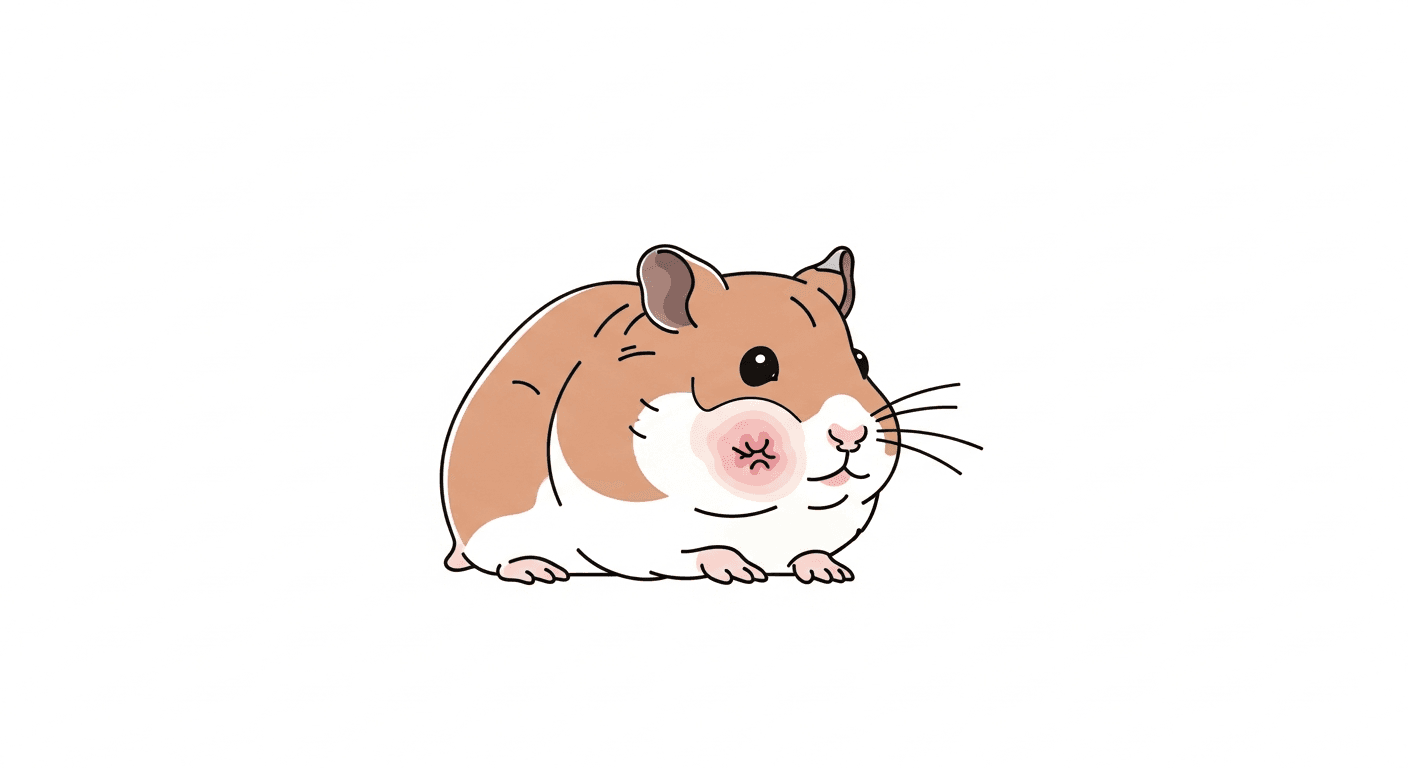 🐭 Hamster Health
Hamster Abscesses: Causes, Signs, and Treatment
Abscesses from bite wounds, dental problems, or cheek pouch injury are common in hamsters. Learn to recognize them early and understand what treatment involves.
 🐭 Hamster Health
Hamster Not Eating: Causes and What to Do
A hamster that stops eating quickly loses dangerous weight. Learn the common causes of appetite loss and when to seek urgent veterinary care.