
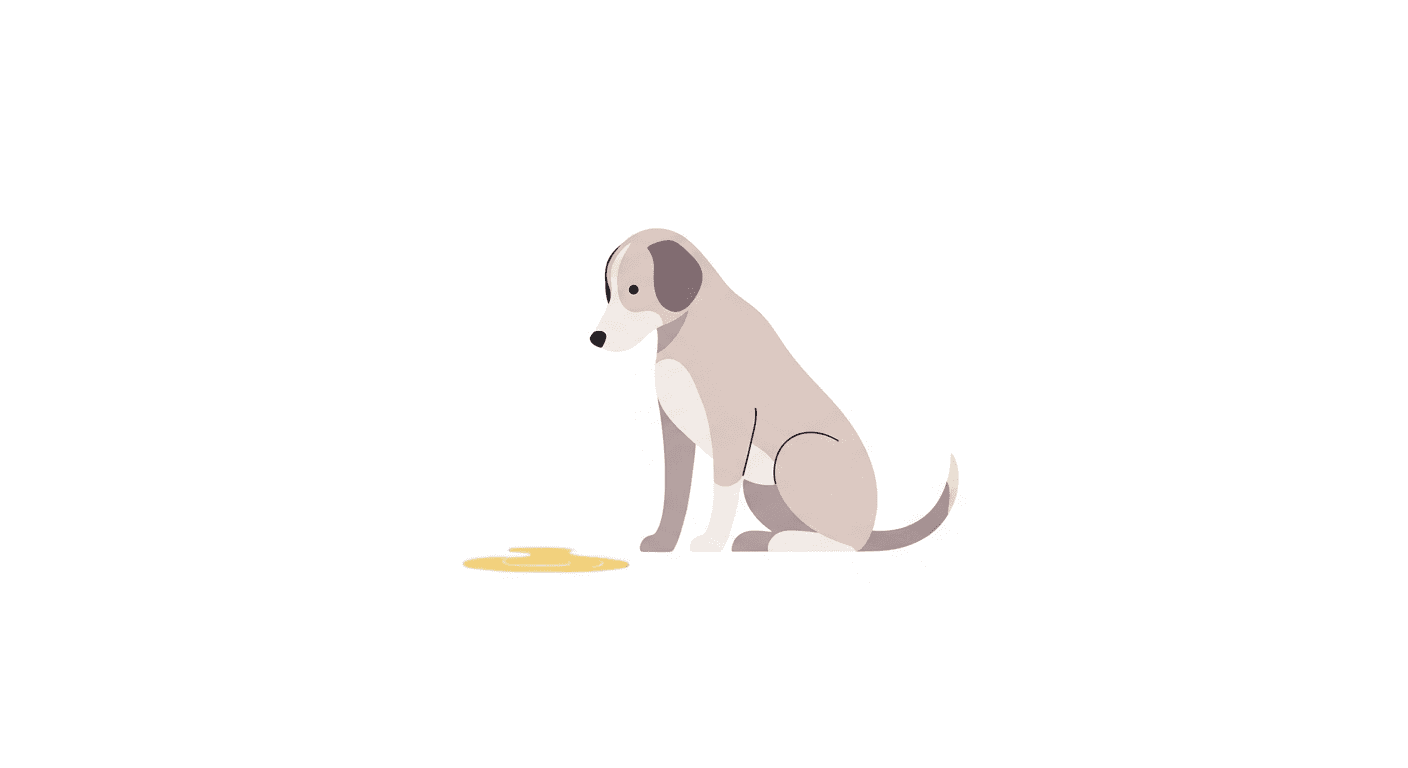
What Is Yellow Bile Vomiting in Dogs?
Yellow or greenish bile vomiting — often happening in the early morning before breakfast — is a common and usually benign condition in dogs called bilious vomiting syndrome. The bile from the small intestine refluxes back into the stomach when it's empty for too long, irritating the stomach lining and triggering vomiting. It's the dog equivalent of the nausea you might feel on an empty stomach in the morning. While the classic presentation (healthy dog, vomits yellow bile in the morning, fine otherwise) is typically harmless, repeated episodes or bile vomiting alongside other symptoms warrants investigation.
First 3 Steps You Can Take at Home
- Try a small late-night snack: The most effective simple fix for bilious vomiting syndrome is feeding a small portion of food last thing before bed. This keeps something in the stomach overnight, reducing the bile reflux irritation. A small handful of kibble or a tablespoon of plain cooked chicken is enough. This single change resolves morning bile vomiting in many dogs completely.
- Split daily meals into smaller, more frequent portions: Dogs prone to bilious vomiting syndrome often do better on 3 smaller meals per day rather than 2 larger ones. This keeps the stomach from going empty for long stretches. If you feed twice a day and bile vomiting happens in the late afternoon as well as the morning, moving to three meals often solves both episodes.
- Note whether it's truly just bile: Yellow or green liquid with white foam and no undigested food, right after waking and before eating, is classic bilious vomiting. This is very different from yellow vomit that contains other material, happens after eating, or is accompanied by lethargy, appetite loss, or pain. If the vomit is yellow but has a slimy stringy appearance, smells very different from bile, or is happening repeatedly regardless of meal timing, contact your vet.
When to Go to the Vet Immediately
- Bile vomiting multiple times a day regardless of feeding adjustments
- Bile vomiting accompanied by lethargy or loss of appetite
- Blood in the vomit at any point
- Significant weight loss alongside recurring bile vomiting
Follow-Up Care Checklist
- ☐ Add a small late-night snack for 7 days and assess if morning vomiting resolves
- ☐ Split daily food into 3 smaller meals if currently feeding twice a day
- ☐ Log the time and pattern of vomiting episodes
- ☐ Report recurring episodes to your vet — medication like omeprazole can help
📋 Log This With TailRounds
Track meal times and vomiting episodes in the TailRounds daily log to confirm whether the pattern matches bilious vomiting syndrome and whether the late-night snack fix is working.
Start Free →Book a Vet Appointment
If simple meal timing adjustments don't resolve the yellow bile vomiting within a week, or if episodes are frequent, it's worth a check-up. Gastroesophageal reflux, pancreatitis, and GI inflammation can all present similarly to bilious vomiting syndrome. Book an appointment at Happy Paws Veterinary Clinic — same-week slots are usually available.
Summary for Your Clinic
Pet concern: Dog Vomiting Yellow Bile
Timing: [morning before eating / other times], frequency: [X times per week]
Meal schedule: [X meals per day, timing], late-night snack tried: [yes/no]
Other symptoms: [present/absent]
Questions for vet: Is this bilious vomiting syndrome? Would an antacid help?
Related Articles
Continue Reading
 🐕 Dog Health
Dog Vomiting: What to Do First at Home
Learn the first steps to take when your dog vomits, which signs mean danger, and when to call your vet immediately.
 🐕 Dog Health
Dog Vomiting White Foam: What It Signals
What white foamy vomit in dogs usually means, when it's kennel cough or an empty stomach, and when bloat makes it an emergency.
 🐕 Dog Health
Dog Not Eating: Common Causes and What to Do
Why your dog might stop eating, which causes are harmless, and which ones need a vet visit. Practical home steps included.
 🐕 Dog Health
Dog Diarrhea: When to Worry and When to Wait
A practical guide to dog diarrhea — home care steps, warning signs that need a vet, and how to firm up loose stools safely.