
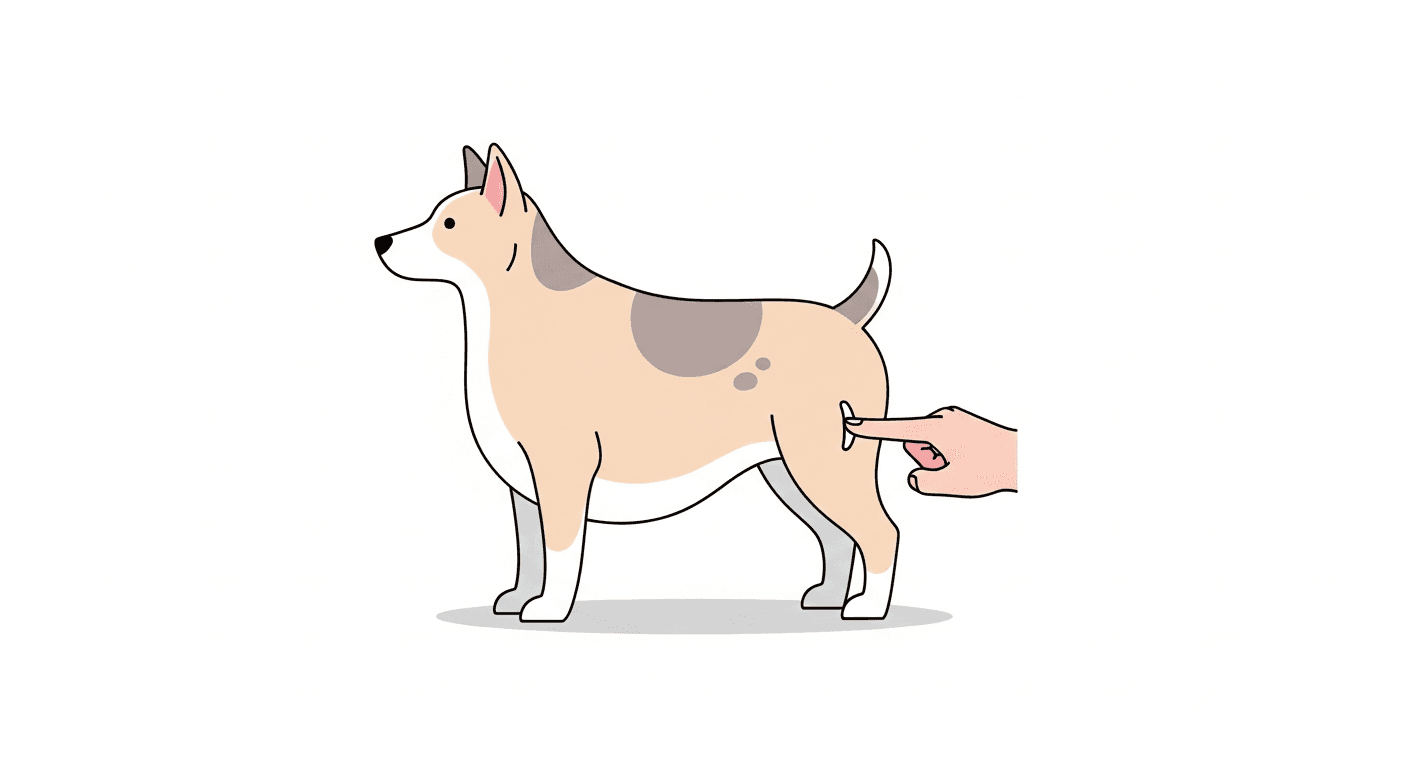
Why Dog Obesity Is a Serious Health Problem
More than half of dogs in many countries are overweight or obese — yet owners often don't recognize it because a chubby dog is culturally normalized and often considered cute. But excess weight is one of the most significant factors driving arthritis, diabetes, respiratory problems, heart disease, surgical complications, and shortened lifespan in dogs. A dog at a healthy weight lives an average of 1.8 years longer than an overweight counterpart. Weight management isn't about vanity — it's one of the highest-impact health decisions you can make for your dog.
First 3 Steps You Can Take at Home
- Learn the body condition score (BCS) system: Vets use a 1–9 scale to assess body condition. Ideal is 4–5/9. You should be able to easily feel your dog's ribs when running your hands along the sides without pressing hard — but they shouldn't be clearly visible. Looking from above, your dog should have a visible waist. Looking from the side, there should be a tummy tuck (the abdomen should rise up from the chest). If ribs require firm pressure to feel and there's no waist, your dog is overweight. If the ribs are hidden under a layer of fat and the belly hangs low, they are obese.
- Calculate your dog's ideal daily calorie intake: Portion size is the #1 intervention for dog weight loss. Most owners dramatically overestimate what a "cup" of food looks like, and the calorie guidelines on food bags are often for active adult dogs — not the reality of a sedentary, middle-aged, neutered companion. Ask your vet for your dog's target calorie intake for weight loss (typically 20–30% below maintenance), and weigh food with a digital kitchen scale rather than estimating by cup.
- Increase activity appropriately: Add 10–15 minutes of walking per day and gradually increase over weeks. For a very overweight dog with joint pain, start with short, flat walks or even swimming if accessible — water exercise is excellent for joint-compromised dogs because it's non-weight-bearing. Exercise supports weight loss but isn't the primary driver — nutrition is. You cannot out-exercise a calorie surplus in a dog any more than you can in a human.
When to Go to the Vet Immediately
- Your dog is obese and showing breathing difficulty, reluctance to exercise, or lameness
- Unexplained rapid weight gain that doesn't match calorie intake — possible hypothyroidism or Cushing's
Follow-Up Care Checklist
- ☐ Weigh your dog every 2 weeks and record the results
- ☐ Target 1–2% of body weight loss per week — slower is healthier than fast crash dieting
- ☐ Switch to a veterinary weight management food if home calorie restriction isn't working
- ☐ Measure all food with a kitchen scale — never eyeball portions
- ☐ Count treats as part of daily calorie budget — treats should be <10% of daily intake
📋 Log This With TailRounds
Track your dog's weight and food intake weekly in the TailRounds daily log. A visual graph of weight over time makes the trend obvious and keeps you motivated when progress feels slow.
Start Free →Book a Vet Appointment
A vet-supervised weight loss program is far more successful than going it alone. Your vet can rule out hormonal causes, calculate a precise calorie target, recommend the right food, and track progress at regular weigh-ins that keep you accountable. Book an appointment at Happy Paws Veterinary Clinic — same-week slots are usually available.
Summary for Your Clinic
Pet concern: Dog Overweight / Obesity
Estimated BCS: [owner assessment], current weight: [X kg], approximate target weight
Current diet: [food brand, daily amount], treat intake
Exercise level: [X minutes walking per day]
Questions for vet: What's the target weight? What daily calorie intake should we aim for? Could a hormonal issue be contributing?
Related Articles
Continue Reading
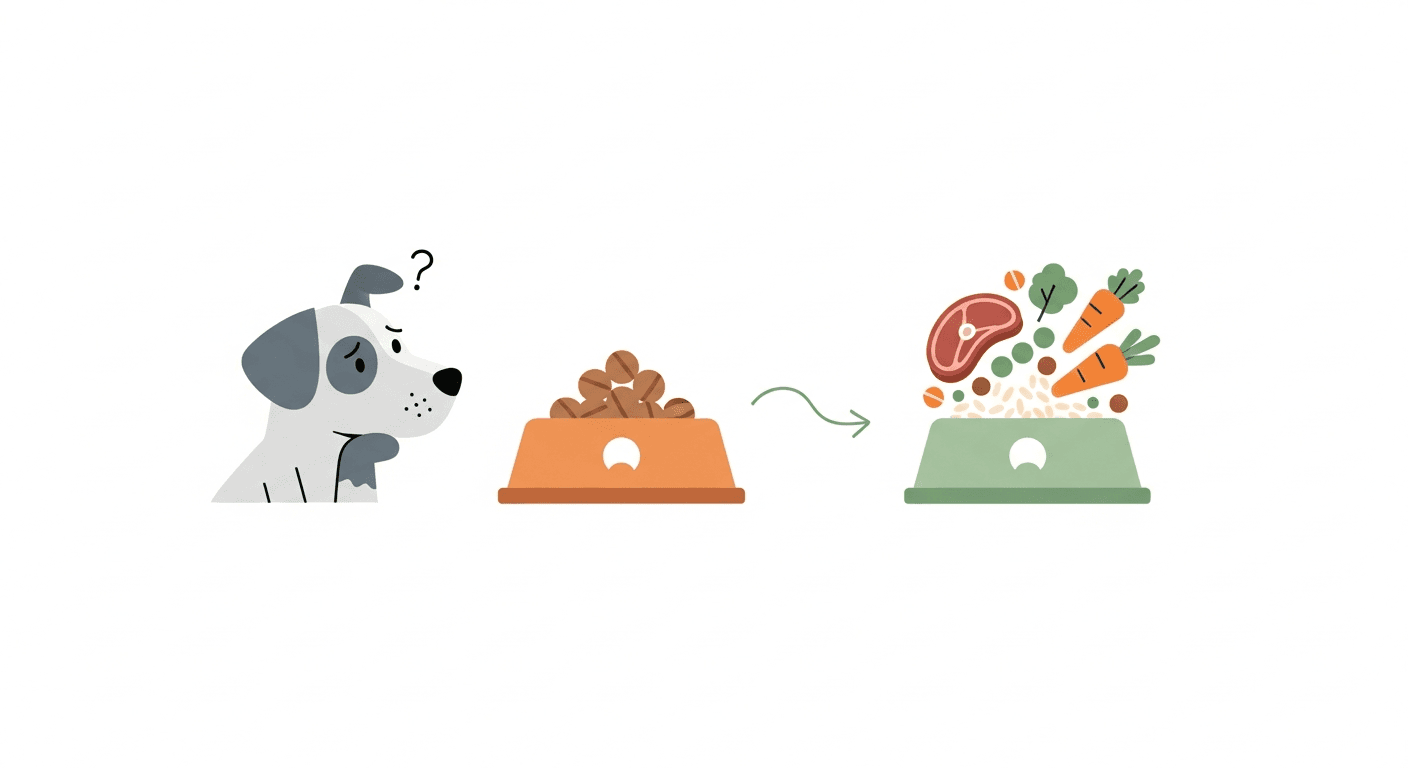 🦴 Dog Care
Dog Diet Change: How to Switch Food
Why slow food transitions matter for dogs and the exact step-by-step method to switch food without causing stomach upset.
 🐕 Dog Health
Dog Not Eating: Common Causes and What to Do
Why your dog might stop eating, which causes are harmless, and which ones need a vet visit. Practical home steps included.
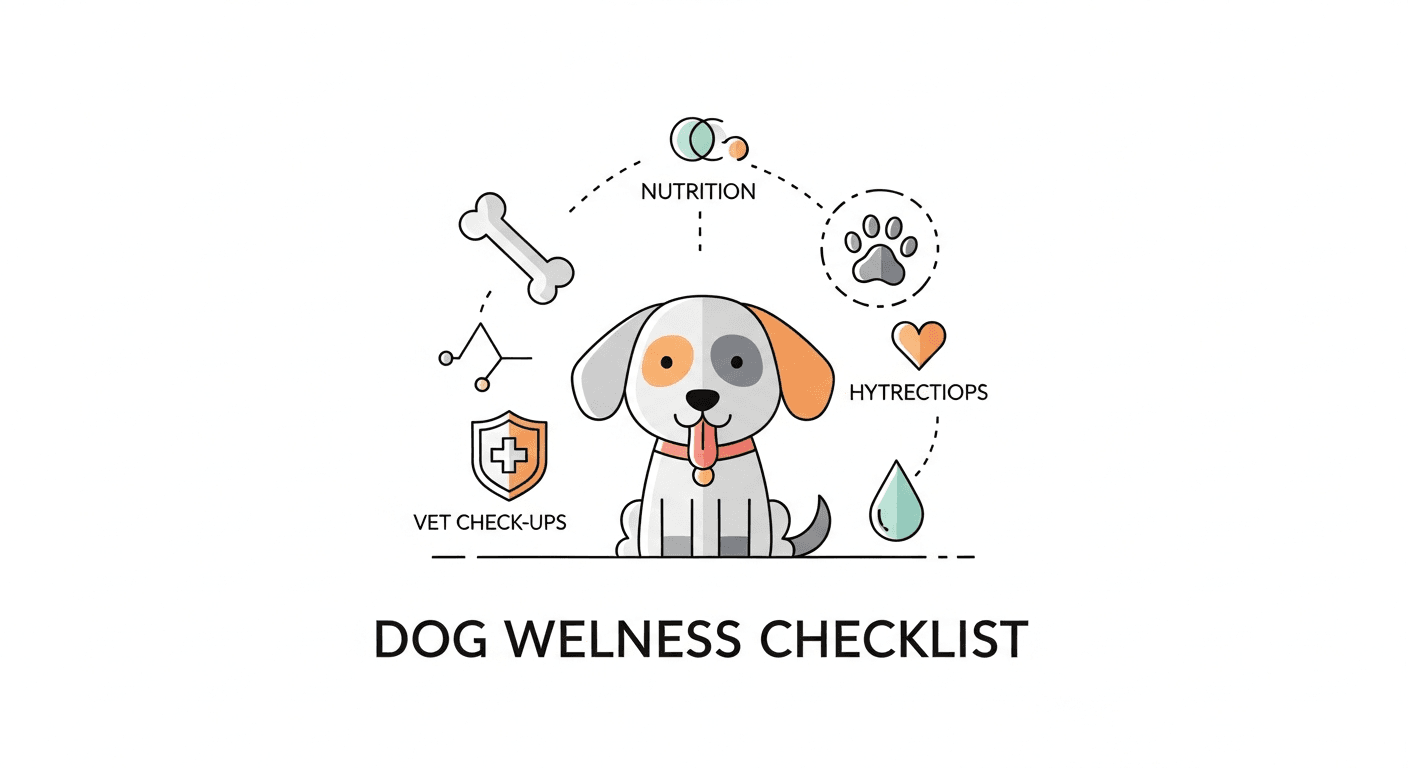 🦴 Dog Care
Dog Wellness Checklist by Life Stage
What preventive care your dog needs at every age — from puppy vaccines to senior blood work. A practical year-by-year wellness guide.