
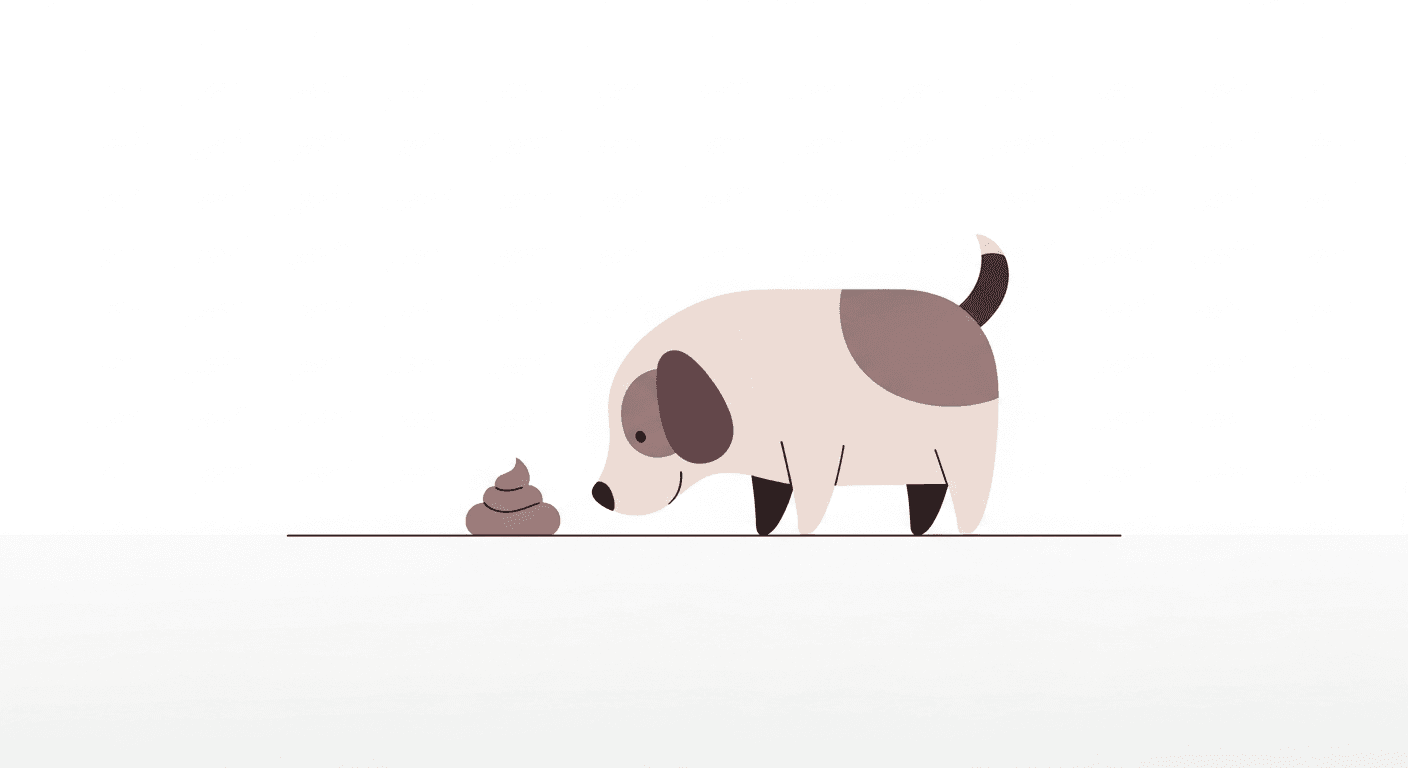
What Is Coprophagia and Why Does It Happen?
Coprophagia — the consumption of feces — is one of the most revolting behaviors for owners but it's actually quite common in dogs. The causes are multiple and sometimes interacting. Puppies often do it out of normal exploratory behavior and most grow out of it. Adult dogs may eat poop due to: nutritional deficiency (especially enzyme or B-vitamin deficiency — the stool of other animals may actually contain nutrients their body is craving), boredom or stress, attention-seeking (owner reacts strongly → dog learns it gets attention), overcrowded living conditions, or simply because they find the smell appealing. Cat feces in particular are very appealing to dogs due to high protein content.
First 3 Steps You Can Take at Home
- Clean up immediately and supervise outdoors: The most effective prevention is removing access. Clean up your dog's feces immediately after they defecate — don't leave piles in the yard. On walks, keep your dog on leash near areas where other dogs defecate and use "leave it" training proactively. If you have cats, place the litter box somewhere the dog can't access (baby gate works well). This is boring but effective — you cannot train away a behavior the dog is reinforcing themselves through practice.
- Evaluate diet and supplementation: Some dogs improve significantly with digestive enzyme supplementation or a high-quality food with complete nutritional profile. Proteolytic enzyme deficiency can drive dogs to seek nutrients from feces. Ask your vet about pancreatic enzyme supplements as a trial. Certain supplements that make feces taste unpleasant (For-Bid, Deter) work for some dogs but inconsistently across individuals. Strong bitter sprays applied to feces in controlled settings can also help train avoidance.
- Address boredom and stress: Dogs that eat poop out of boredom or stress need more enrichment, exercise, and attention — not punishment. Punishment for coprophagia is ineffective (the dog simply learns to do it when you're not watching) and can increase stress, which worsens the behavior. Mental enrichment (food puzzles, training sessions, regular walks with sniffing opportunities) reduces the boredom-driven behaviors significantly.
When to Go to the Vet Immediately
- Your dog is eating their own stool excessively alongside weight loss and appetite changes — possible malabsorption disorder
- Sudden onset of coprophagia in a dog who never did it before — can occasionally indicate a metabolic or neurological change
Follow-Up Care Checklist
- ☐ Clean up all feces immediately and consistently
- ☐ Ensure parasite control is current — intestinal parasites can worsen nutritional deficiency driving coprophagia
- ☐ Try digestive enzyme supplementation for 4–6 weeks as a trial
- ☐ Increase exercise and enrichment if boredom is suspected
- ☐ Teach a solid "leave it" cue for management outdoors
📋 Log This With TailRounds
Log coprophagia incidents alongside diet, exercise, and stool consistency in the TailRounds daily log. Patterns — like it happening more when the dog is left alone or after certain meals — help identify the trigger.
Start Free →Book a Vet Appointment
If coprophagia is severe, persists despite management, or accompanies weight loss or digestive symptoms, a vet visit to check for malabsorption syndrome, exocrine pancreatic insufficiency, or nutritional deficiency is worthwhile. Book an appointment at Happy Paws Veterinary Clinic — same-week slots are usually available.
Summary for Your Clinic
Pet concern: Dog Coprophagia
Frequency: [daily/occasional], whose feces: [own/other dogs/cats], onset: [puppy behavior or new]
Diet: [current food], any weight or appetite changes
Questions for vet: Could this be a nutritional deficiency? Should we try enzyme supplementation?
Related Articles
Continue Reading
 🐕 Dog Health
Dog Parasite Control Schedule
A complete year-round parasite prevention guide for dogs — fleas, ticks, heartworm, and intestinal worms with recommended treatment intervals.
 🐕 Dog Health
Dog Not Eating: Common Causes and What to Do
Why your dog might stop eating, which causes are harmless, and which ones need a vet visit. Practical home steps included.
 🦴 Dog Care
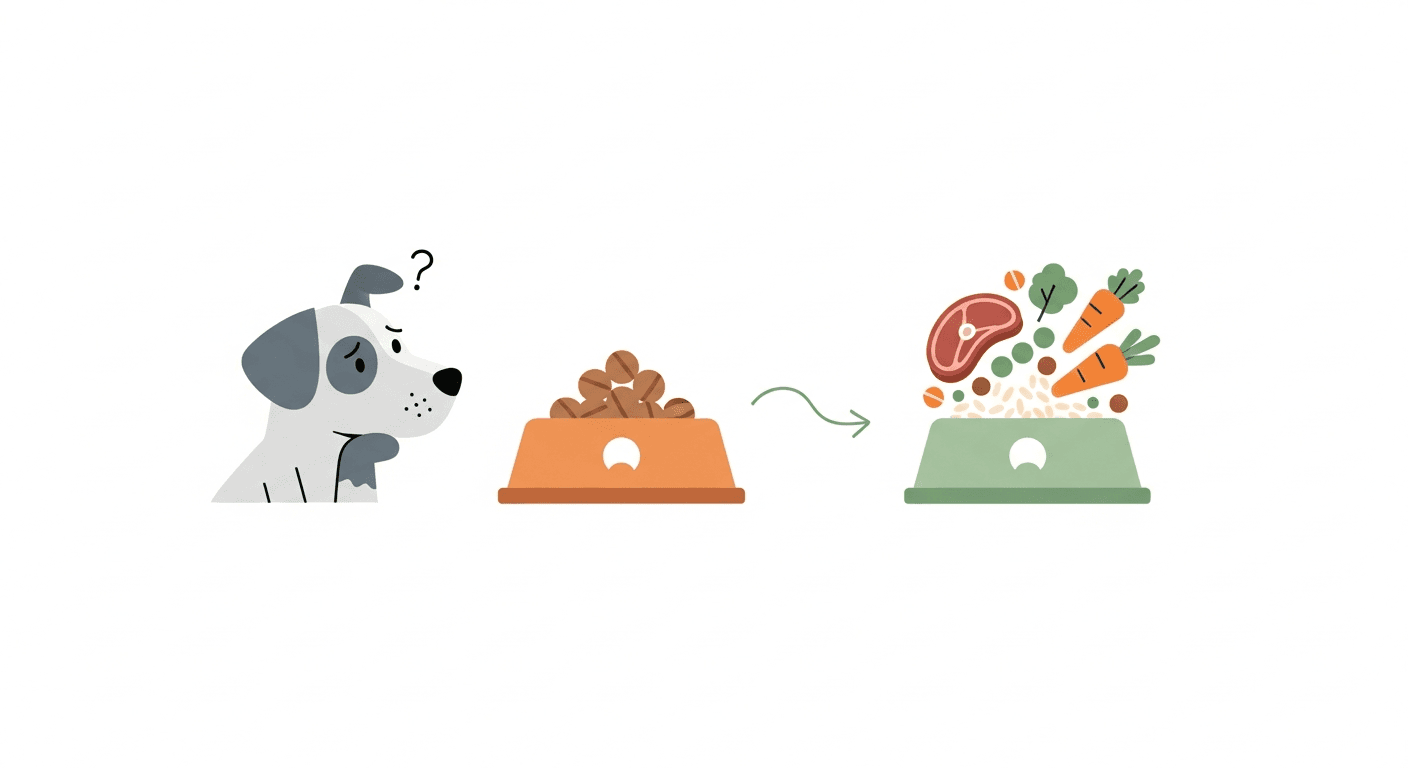
Dog Diet Change: How to Switch Food
Why slow food transitions matter for dogs and the exact step-by-step method to switch food without causing stomach upset.