
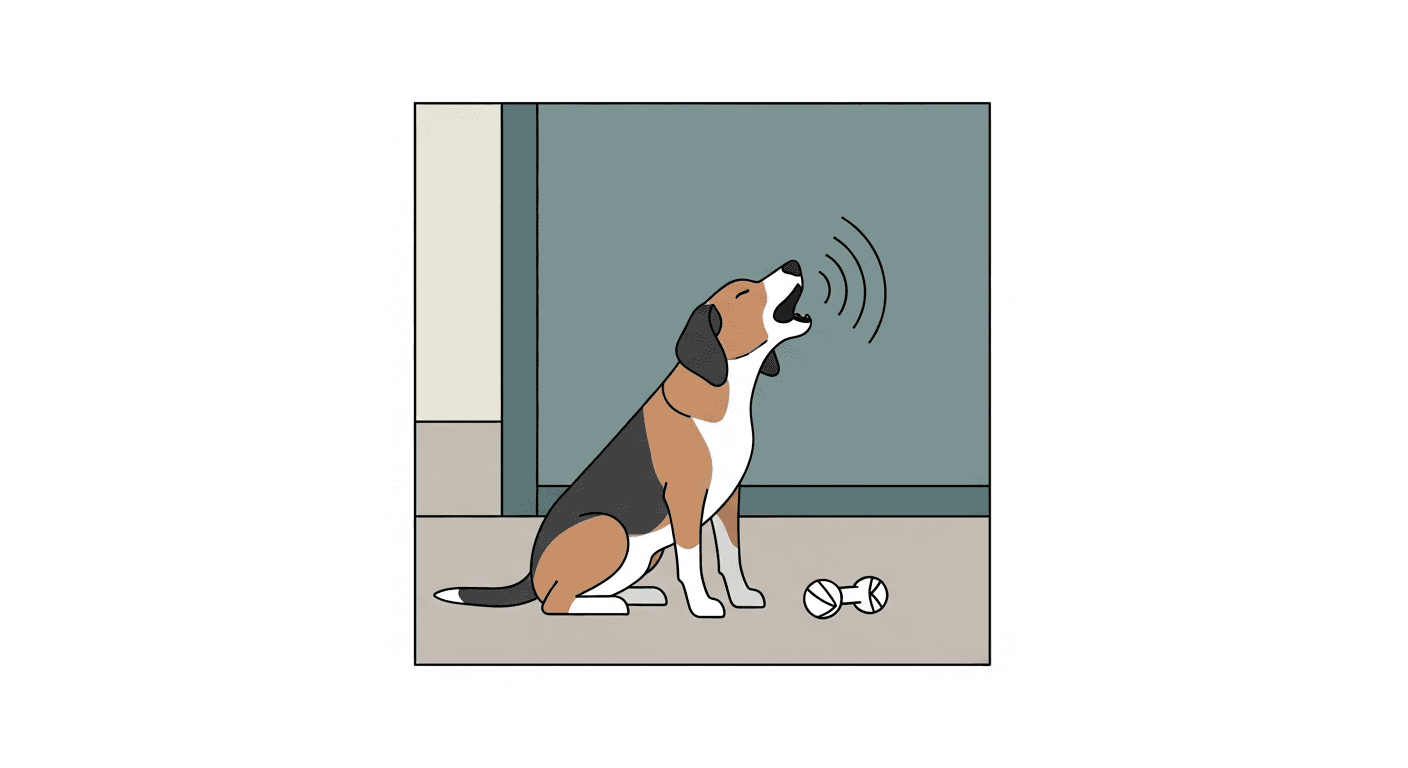
Why Do Dogs Bark Excessively?
Barking is a normal dog communication behavior — they bark to alert, to get attention, out of boredom, from fear, from excitement, and in response to other dogs. Excessive barking becomes a problem when it's chronic, disruptive, or out of proportion to the stimulus. Before trying to reduce barking, identify the type: alert/territorial barking (reacting to things outside the window), demand barking (trained owners to respond to barking with attention), anxiety barking (separation anxiety, new environments), boredom barking (under-stimulated dogs), and reactive barking toward people or dogs. Each type has different solutions — there's no one-size-fits-all fix.
First 3 Steps You Can Take at Home
- Identify the trigger and type of barking: Spend a day observing and noting what sets the barking off. Is it triggered by movement outside the window? Only happens when you leave? Only at specific people? Only when they want something? Understanding the trigger lets you address the motivation rather than just the symptom. Alert barking at the window is managed very differently from demand barking for dinner, which is managed very differently from separation anxiety barking.
- Never reward the barking: The most common mistake owners make is reinforcing barking accidentally. If your dog barks and you give attention — even to tell them off, even to give them what they were barking for, even to comfort them — you have reinforced that barking works. For demand barking: completely withdraw all attention when barking starts and reward only when the dog is quiet. For separation barking: working on the underlying anxiety (see our separation anxiety guide) is more effective than responding to the barking itself.
- Address the energy and enrichment deficit: Many dogs bark excessively because they are bored, under-exercised, and under-stimulated. A dog that has had a 45-minute sniff walk, a training session, and a food puzzle in the morning simply has less energy to invest in frantic barking. Increasing physical and mental exercise is one of the most reliably effective interventions for boredom and frustration barking — not because it exhausts the dog into silence but because it meets their needs in appropriate ways.
When to Go to the Vet Immediately
- Sudden onset of excessive barking in an older dog with no obvious trigger — possible pain, cognitive decline, or sensory loss (dogs with hearing loss may bark more)
- Barking accompanied by self-injurious behavior or extreme anxiety
Follow-Up Care Checklist
- ☐ Identify and document the bark triggers
- ☐ Never reward barking with attention, food, or access to what they want
- ☐ Increase daily exercise and mental enrichment
- ☐ For window/alert barking: block visual access to the stimulus (frosted window film)
- ☐ Consider working with a positive reinforcement trainer for chronic cases
- ☐ Anti-bark devices (spray collars, shock collars) are generally not recommended — they don't address the motivation
📋 Log This With TailRounds
Track barking frequency, triggers, and what reduced or stopped each episode in the TailRounds daily log. Pattern recognition is key to solving nuisance barking.
Start Free →Book a Vet Appointment
If excessive barking is connected to anxiety or fear, your vet can discuss whether medication would support behavior modification efforts. Some dogs with severe anxiety benefit significantly from pharmacological support alongside training. Book an appointment at Happy Paws Veterinary Clinic — same-week slots are usually available.
Summary for Your Clinic
Pet concern: Excessive Dog Barking
Trigger type: [alert/separation/demand/boredom/fear], frequency: [constant/intermittent]
Management tried: [list], exercise level: [daily amount]
Questions for vet: Could anxiety medication help? Should we see a behaviorist?
Related Articles
Continue Reading
 🐕 Dog Health
Dog Anxiety When Left Alone: Practical Solutions
Understanding and managing dog separation anxiety — from mild distress to severe panic, with practical strategies that actually work.
 🦴 Dog Care
Dog Aggression Toward Visitors
Why some dogs become aggressive around unfamiliar people, and a practical step-by-step approach to managing and reducing this behavior.
 🦴 Dog Care
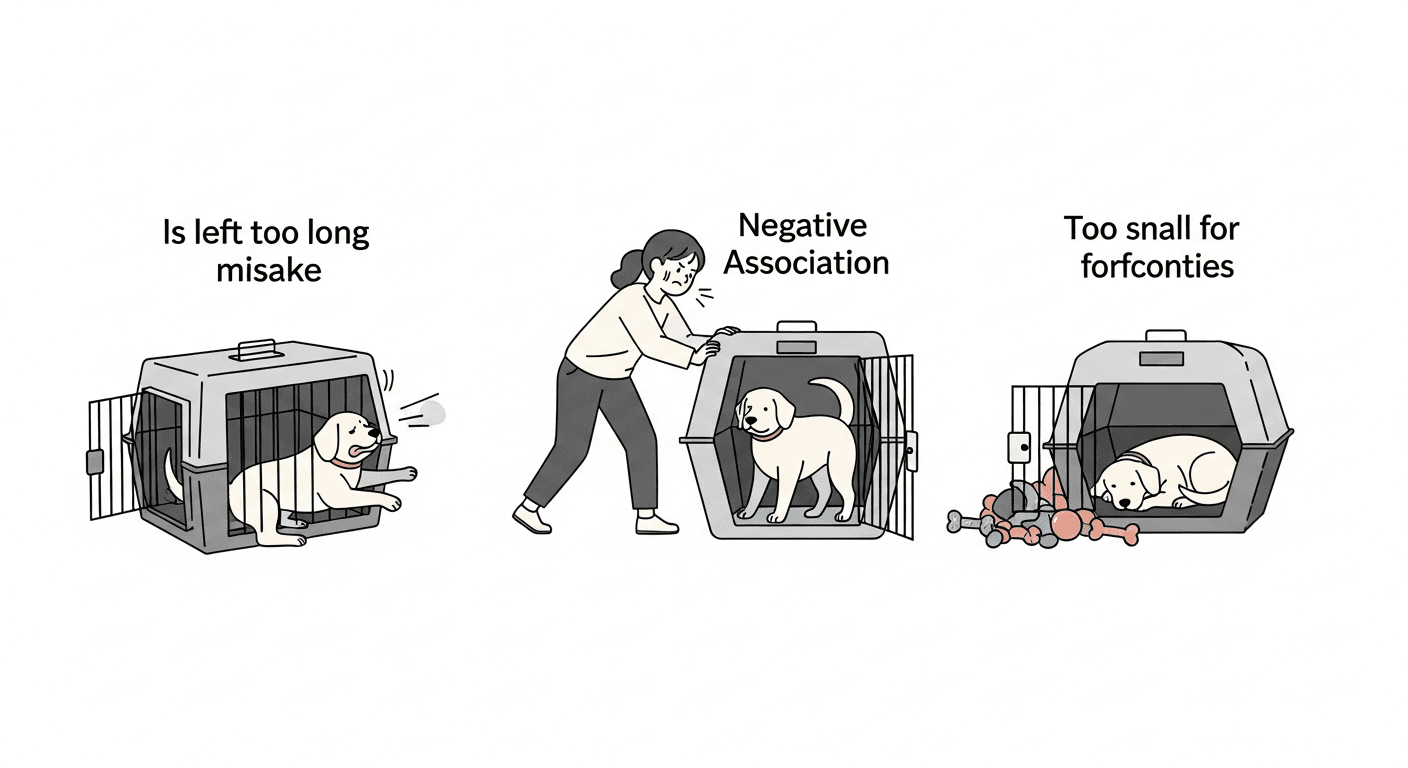
Dog Crate Training Mistakes to Avoid
The most common mistakes owners make with crate training and how to build genuine crate comfort that helps your dog feel safe, not trapped.