
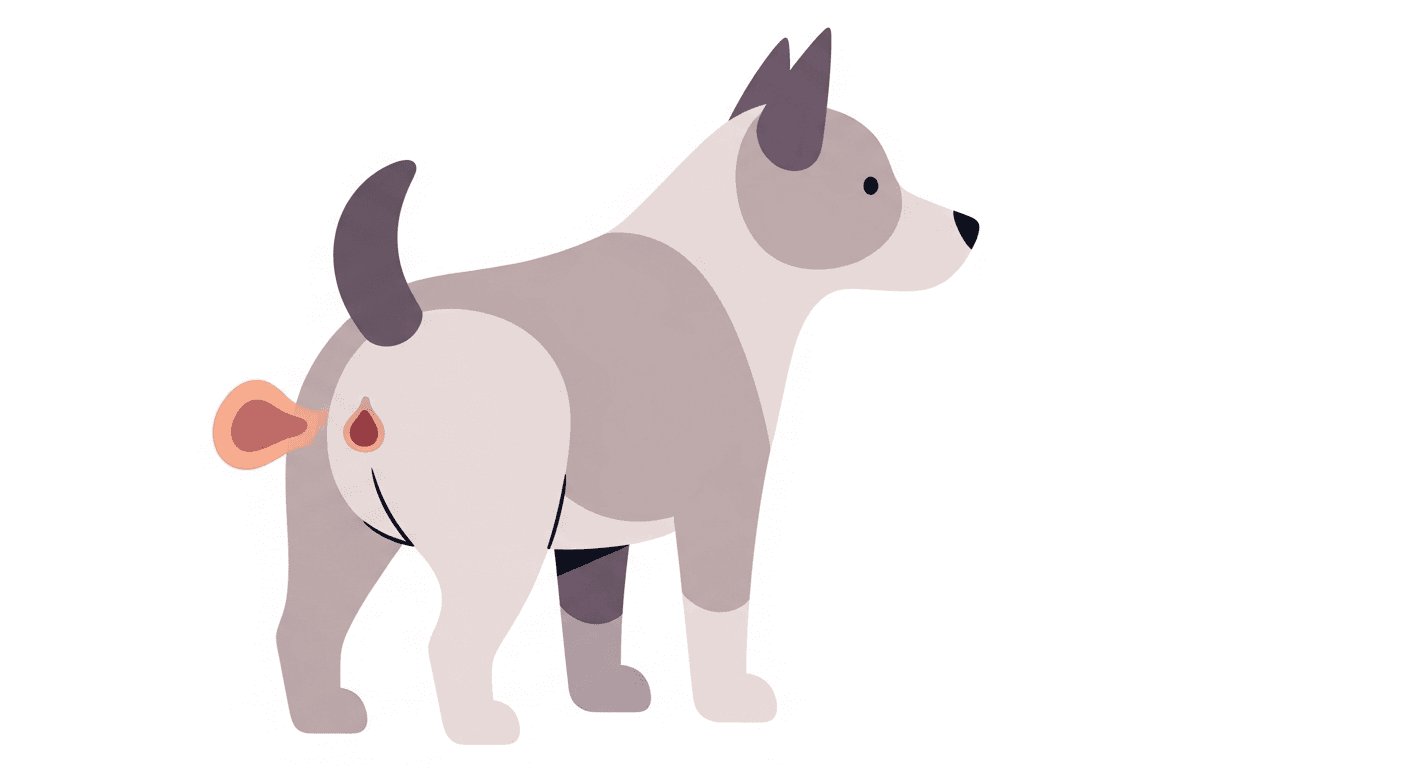
What Are Dog Anal Gland Problems?
Dogs have two small scent glands located just inside the anus at roughly the 4 o'clock and 8 o'clock positions. These glands normally empty automatically when a dog passes a firm stool — the pressure expresses the glands and deposits scent information on the feces. When this doesn't happen — due to loose stools, small breed anatomy, or the glands producing thicker than normal secretions — the glands become impacted, infected, or rupture. Impacted anal glands are uncomfortable. Infected or abscessed ones are extremely painful and need urgent treatment.
First 3 Steps You Can Take at Home
- Recognize the signs: Classic signs of anal gland problems include: scooting (dragging the rear end along the floor), excessive licking of the anal area, a fishy or unpleasant smell, visible swelling on one side of the anus, and reluctance to sit. Some dogs show none of these but chew their tail or lower back instead. If you notice any of these signs lasting more than a day or two, the glands likely need professional attention.
- Support with diet and fiber: Firmer stools naturally express the anal glands. If your dog regularly gets loose stools, adding fiber (plain pumpkin, psyllium husk) can make a meaningful difference in gland health over time. Staying well-hydrated, maintaining a healthy weight, and avoiding frequent diet changes all contribute to stool consistency. This is a long-term supportive measure, not an acute treatment.
- Let a professional handle expression: Attempting to express anal glands at home without proper training risks injury, infection, and significant discomfort for your dog. Internal expression (done by a vet or trained groomer with a gloved finger inside the rectum) is more thorough and effective than external expression. For chronically affected dogs, scheduled professional expression every 4–8 weeks keeps impaction from recurring.
When to Go to the Vet Immediately
- Visible swelling, heat, or discharge near the anus — possible abscess
- Your dog is crying when sitting, trying to defecate, or when the area is touched
- A rupture — you can see an open wound near the anal area
Follow-Up Care Checklist
- ☐ Schedule professional gland expression if this recurs more than twice per year
- ☐ Add dietary fiber to support firmer stools
- ☐ Complete any antibiotic or anti-inflammatory course prescribed after infection
- ☐ Discuss anal gland removal (sacculectomy) with your vet if problems are chronic and severe
- ☐ Keep the area clean after any rupture — gentle saline wash twice daily
📋 Log This With TailRounds
Track anal gland expression dates and symptom recurrence in the TailRounds daily log. This helps identify how frequently your dog needs professional expression and whether dietary changes are helping.
Start Free →Book a Vet Appointment
Anal gland abscesses require antibiotic treatment and sometimes surgical flushing. Don't wait if you suspect infection — what starts as a small abscess can rupture through the skin and leave a slow-healing wound. Book an appointment at Happy Paws Veterinary Clinic — same-week slots are usually available.
Summary for Your Clinic
Pet concern: Dog Anal Gland Problems
Signs: [scooting/licking/swelling/discharge/odor], history: [first time or recurring]
Last expression: [date, if known], diet: [fiber content, stool consistency]
Questions for vet: Is there an infection? Would a high-fiber diet help? Should we consider gland removal?
Related Articles
Continue Reading
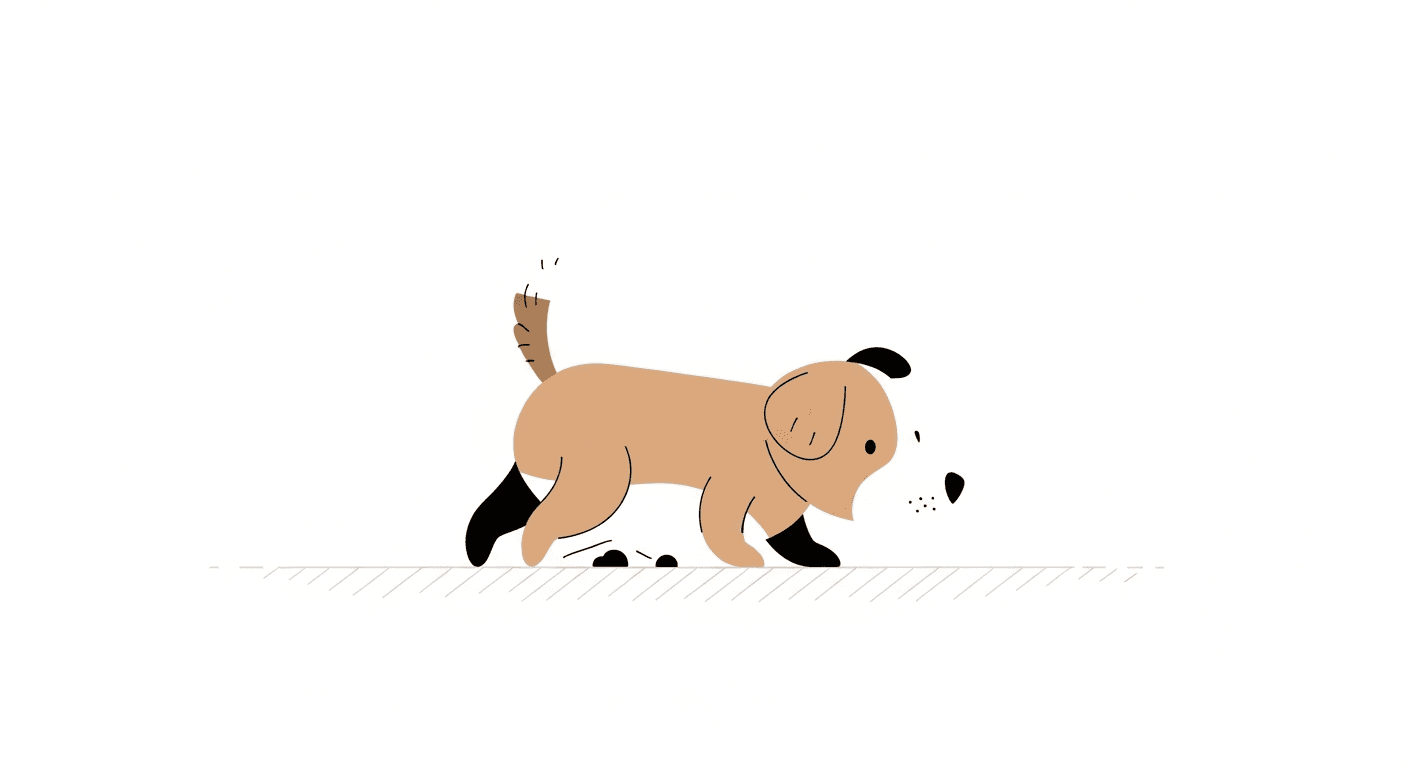 🐕 Dog Health
Dog Scooting on the Floor: Causes and Solutions
Why dogs drag their bottoms on the floor and what you can actually do about it — from anal glands to parasites and irritation.
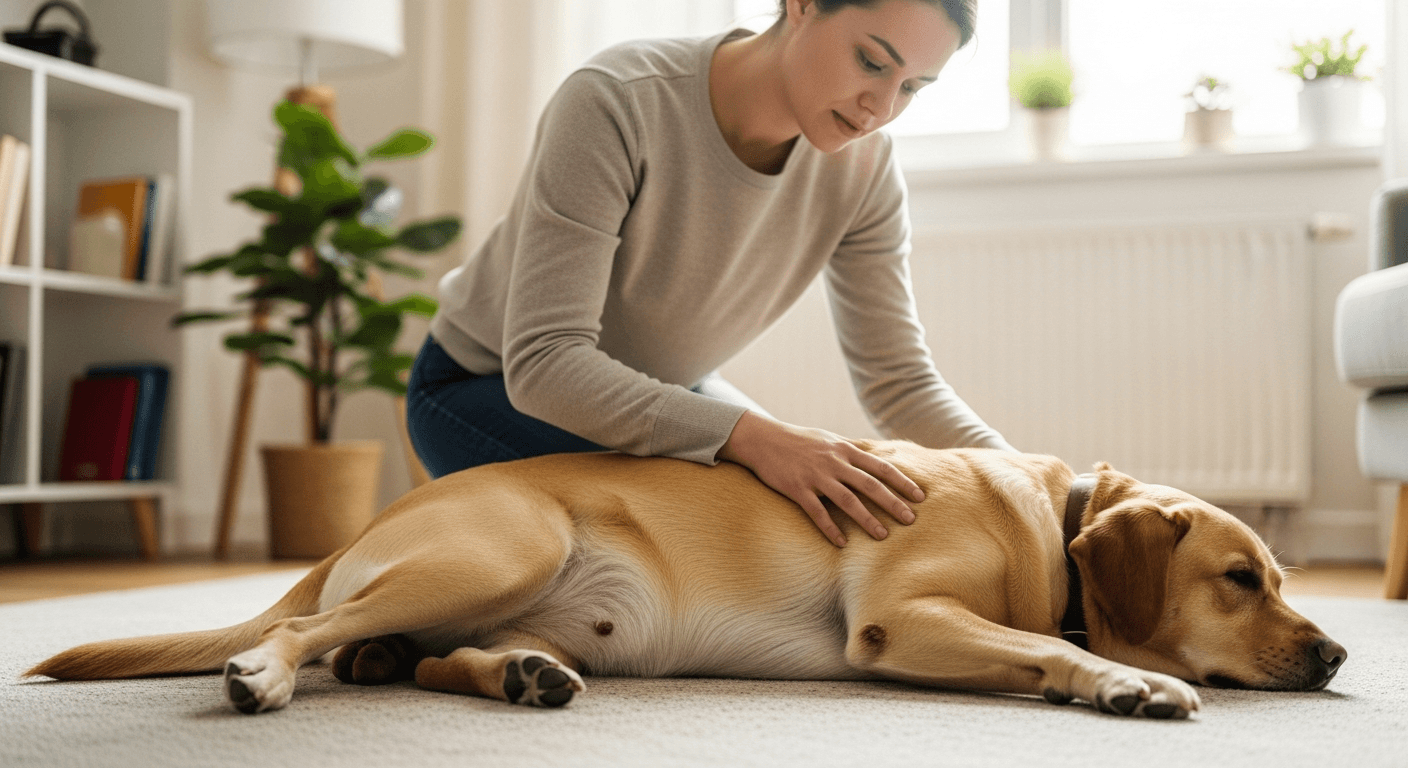 🐕 Dog Health
Dog Diarrhea: When to Worry and When to Wait
A practical guide to dog diarrhea — home care steps, warning signs that need a vet, and how to firm up loose stools safely.
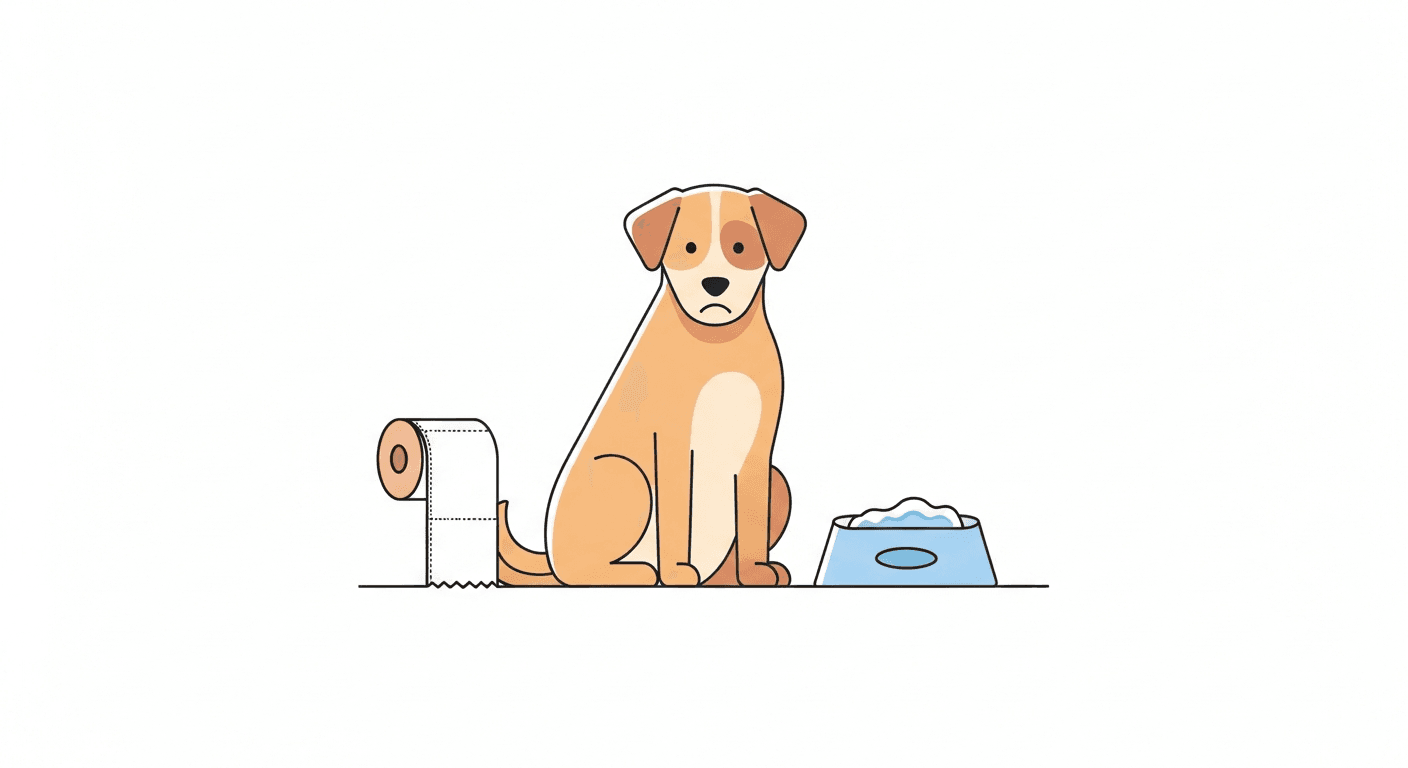 🐕 Dog Health
Dog Constipation Home Care Guide
How to recognize and safely manage dog constipation at home, what causes it, and when to call the vet for help.