
Breed Overview
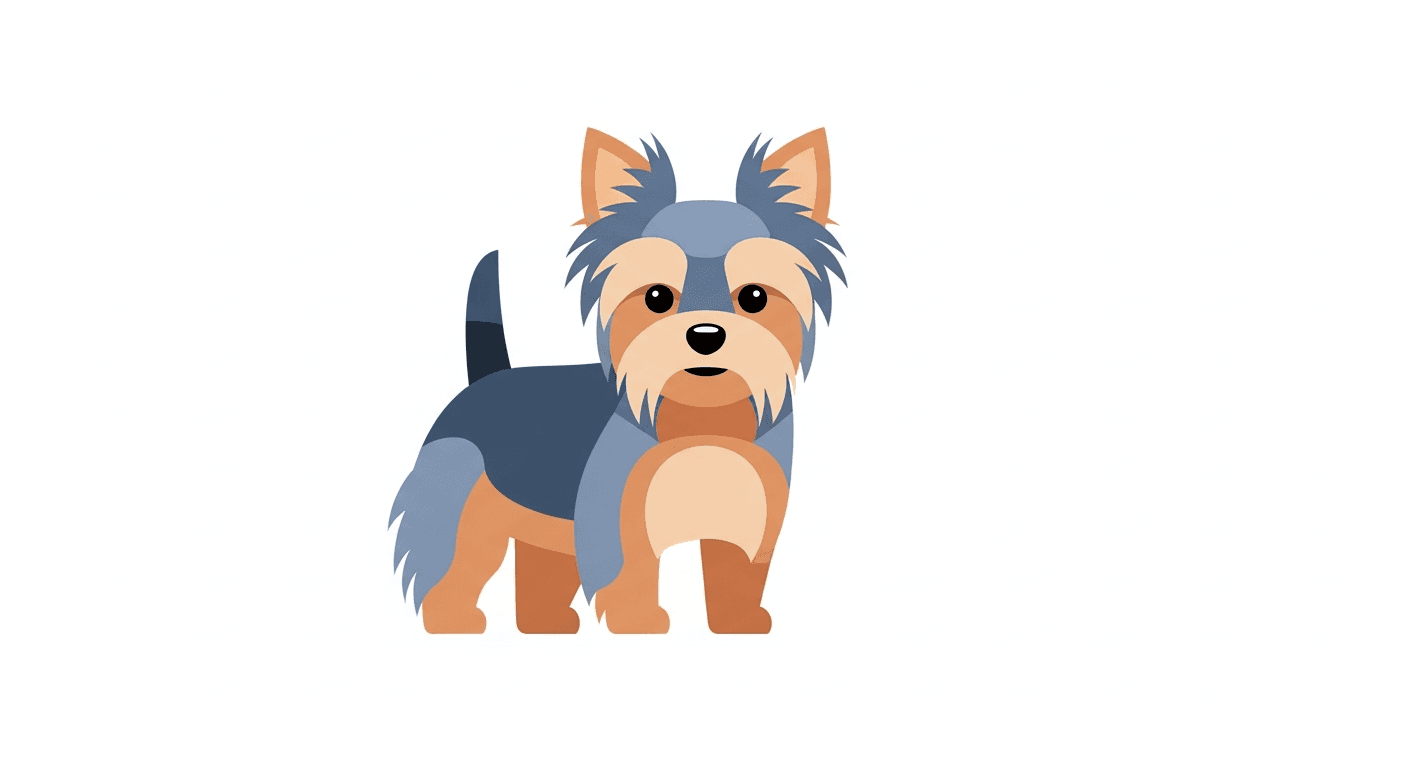
The Yorkshire Terrier, affectionately known as the Yorkie, originated in Yorkshire, England during the 19th century. Despite their current status as glamorous companions, Yorkies were originally working-class dogs — bred by miners and mill workers to catch rats in textile mills and coal mines. Their tenacious terrier instincts were paired with a small, agile body that could pursue vermin into tight spaces. By the late 1800s, they had caught the attention of the Victorian upper class and transitioned into fashionable lap dogs.
Yorkies typically weigh 4–7 pounds and stand about 7–8 inches tall. Their most distinctive feature is their long, silky, steel-blue and tan coat that parts perfectly down the middle and flows to the floor in show dogs. Pet owners often keep the coat trimmed short for practicality. They are one of the most popular toy breeds globally, consistently ranking in the top ten in AKC registration statistics.
Temperament and Personality
Do not let the tiny size fool you — the Yorkie has the heart and attitude of a much larger dog. Their terrier heritage gives them a bold, feisty, and tenacious character that surprises many new owners:
- Confident and assertive: Yorkies rarely seem aware of their small stature. They will challenge dogs many times their size and assert themselves confidently in any situation.
- Affectionate with family: Despite their bravado, Yorkies are deeply loving companions who bond closely with their primary caregivers.
- Alert watchdogs: They are quick to sound the alarm at unusual sounds or strangers. This can escalate to excessive barking without proper training.
- Intelligent but stubborn: Yorkies are smart enough to learn quickly but terrier-stubborn enough to resist compliance unless properly motivated.
- Can be possessive: Some Yorkies display resource guarding or jealousy toward other pets if not properly socialized and trained.
Care Needs
- Grooming: This is the Yorkie's most demanding care requirement. Their silky coat tangles and mats easily and requires daily brushing if kept long. Many owners opt for a short "puppy cut" that needs professional grooming every six to eight weeks. Their fine hair is more similar to human hair than most dog coats.
- Dental care: Toy breeds are highly prone to dental disease. Brush your Yorkie's teeth daily and schedule annual professional dental cleanings to prevent tooth loss and associated systemic health issues.
- Training: Begin obedience training early. Use positive reinforcement exclusively — harsh correction traumatizes this sensitive breed. Housebreaking can be challenging in Yorkies; crate training and consistent schedules are essential.
- Handling: Because of their small size, Yorkies can be injured by rough handling, accidental drops, or stepping accidents. This makes them unsuitable companions for very young children who cannot yet handle dogs gently.
Health Risks and Common Conditions
- Hypoglycemia: Low blood sugar is a serious risk in Yorkie puppies and small adults, especially if meals are skipped. Puppies must eat frequently — every four hours — and signs of weakness, trembling, or glazed eyes require immediate veterinary attention.
- Luxating Patella: The kneecap slipping out of position is extremely common in small breeds. Mild cases are managed with weight control and joint supplements; severe cases require surgery.
- Tracheal Collapse: The trachea (windpipe) weakens and collapses, causing a characteristic honking cough. Use a harness instead of a collar to prevent pressure on the trachea.
- Liver Shunt (Portosystemic Shunt): An abnormal blood vessel allows blood to bypass the liver, causing toxin buildup. Signs include stunted growth, seizures, and behavioral changes. Surgical correction is often curative.
- Dental disease: Without active preventive care, most Yorkies have significant dental disease by middle age.
- Legg-Calvé-Perthes Disease: Degeneration of the femoral head causing hip pain in young dogs. Surgical correction is effective.
Keep detailed notes on your Yorkie's eating patterns, energy, and any coughing with the TailRounds Daily Log. Small dogs can deteriorate quickly when unwell — book a vet appointment at Happy Paws promptly or find a clinic familiar with toy breeds.
Exercise Needs
Yorkies are moderately active and need about 30 minutes of daily exercise. Two short walks and indoor play sessions typically satisfy an adult Yorkie. They enjoy:
- Short leash walks in the neighborhood
- Indoor fetch games
- Interactive puzzle toys
- Agility courses scaled for small dogs
Is a Yorkshire Terrier Right for You?
Yorkies are perfect for those who want a compact, intelligent, and characterful companion. They suit apartment living, urban environments, singles, couples, and seniors who can give them ample time and affection. They are not ideal for families with very young children or for owners who cannot commit to regular grooming and dental care. Be prepared for vet bills related to their common health issues and invest in pet insurance early. For the right owner, a Yorkie is a devoted, entertaining, and endlessly spirited companion.
Continue Reading
 🐶 Dog Breeds
Maltese: The Ancient Aristocrat of Toy Dog Breeds
A complete guide to the Maltese dog — elegant temperament, silky coat care, health considerations, gentle exercise needs, and why this ancient breed suits apartment living perfectly.
 🐶 Dog Breeds
Pomeranian: The Fluffy Little Fox Dog With an Enormous Personality
A complete Pomeranian guide — bold personality, double coat care, health considerations including luxating patella and tracheal collapse, and what makes Poms such captivating companions.
 🐶 Dog Breeds
Shih Tzu: The Royal Lion Dog and Perfect Indoor Companion
Complete guide to the Shih Tzu — history, gentle temperament, grooming demands, health concerns, and why this ancient breed remains one of the world's best lap dogs.