
Breed Overview
The Pomeranian is a toy breed descended from the large Spitz sled dogs of the Arctic. The breed takes its name from the Pomerania region (now northeastern Germany and northwestern Poland), where it was first developed as a smaller working dog. In the 18th century, Queen Charlotte of England brought Pomeranians to Britain, but it was Queen Victoria's enthusiasm for the breed in the late 1800s — particularly for very small specimens — that drove the dramatic reduction in size from the original 30-pound Pom to the compact 3–7 pound dog we know today.
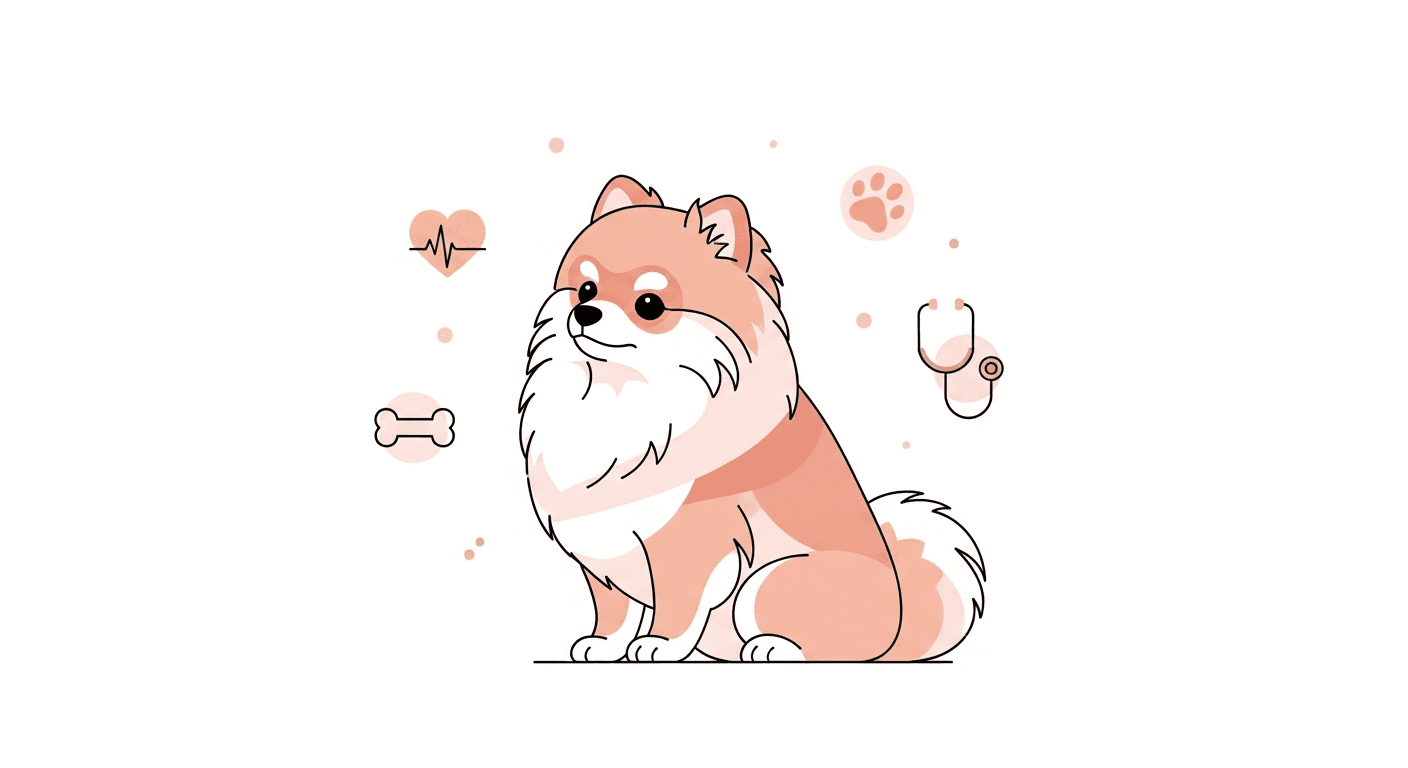
Pomeranians stand 6–7 inches tall and weigh 3–7 pounds. Their most striking feature is their profuse double coat — a thick, cotton-like undercoat topped by a harsh, straight outer coat that stands away from the body, creating a characteristic round, puffy appearance. Their fox-like face, bright eyes, and alert expression give them an intensely alive, curious look. They come in the widest variety of colors of any breed — over two dozen recognized variations including orange, red, sable, black, white, blue, cream, and merle.
Temperament and Personality
Pomeranians are extroverted, bold, and highly entertaining. Their personality is far larger than their body would suggest:
- Confident and assertive: Poms are notoriously unaware of their small size and will approach situations with a boldness that surprises many owners. They do not back down from larger dogs.
- Intelligent and curious: They are quick learners who pick up tricks and commands readily when properly motivated.
- Loyal to their person: Poms often bond intensely with one primary person and can be somewhat reserved with others.
- Vocal: They have a tendency to bark at anything and everything. Training to manage barking from puppyhood is essential for apartment dwellers.
- Energetic and lively: Despite their small size, Poms are active, spirited dogs that enjoy play and exploration.
Care Needs
- Grooming: The Pomeranian's spectacular double coat requires daily brushing to prevent tangles and mats. During twice-yearly coat "blows," deshedding sessions may be needed daily. Professional grooming every six to eight weeks keeps the coat manageable. Never shave a Pomeranian — shaving damages the undercoat permanently, often resulting in "post-clipping alopecia" where the coat fails to regrow properly.
- Dental care: Toy breeds are extremely prone to dental disease. Daily tooth brushing and annual professional cleanings are essential, particularly given Poms' crowded teeth.
- Handling: Small dogs are easily injured by accidental drops or rough handling. Pomeranians should not be acquired for households with young children who may not yet handle small animals safely.
- Collar vs. harness: Always use a harness rather than a collar with a Pomeranian to prevent tracheal injury and collapse.
Health Risks and Common Conditions
- Luxating Patella: The kneecap slips out of position and is very common in Pomeranians. Mild cases are managed conservatively; severe cases require surgical correction.
- Tracheal Collapse: The windpipe weakens and narrows, causing a distinctive honking cough. Use a harness, avoid excessive excitement, and manage weight carefully.
- Alopecia X (Black Skin Disease): A poorly understood hormonal coat condition causing progressive hair loss and skin darkening. Not life-threatening but cosmetically significant and not always reversible.
- Dental disease: Severe dental disease is nearly inevitable without active preventive care.
- Hypoglycemia: Very small Pomeranians, especially puppies, are prone to low blood sugar. Feed small, frequent meals and monitor for signs of weakness or disorientation.
- Heart conditions: Pulmonic stenosis and patent ductus arteriosus are seen in the breed.
- Eye conditions: Cataracts, entropion, and dry eye are seen with some frequency.
Track your Pom's coat condition, weight, and any coughing episodes in the TailRounds Daily Log. Book a vet appointment at Happy Paws for dental care planning and any signs of respiratory distress. Find a toy-breed specialist clinic near you.
Exercise Needs
Pomeranians are energetic but small — two short walks of 15–20 minutes daily and indoor play sessions are typically sufficient. They enjoy learning tricks and agility scaled for small dogs. Avoid over-exertion in hot weather.
Is a Pomeranian Right for You?
Pomeranians are magnificent companions for adults, couples, and seniors who want an intelligent, lively, and visually stunning small dog. They require significant grooming investment and diligent dental care. Their vocal nature can be managed with training but should be considered if you live in a quiet building. For the right owner who appreciates their bold, sparkling personality, a Pomeranian is an endlessly rewarding and entertaining life companion.
Continue Reading
 🐶 Dog Breeds
Yorkshire Terrier: Big Personality in a Tiny Package
Everything you need to know about the Yorkshire Terrier — feisty temperament, silky coat care, health concerns, exercise needs, and what living with a Yorkie is really like.
 🐶 Dog Breeds
Maltese: The Ancient Aristocrat of Toy Dog Breeds
A complete guide to the Maltese dog — elegant temperament, silky coat care, health considerations, gentle exercise needs, and why this ancient breed suits apartment living perfectly.
 🐶 Dog Breeds
Miniature Schnauzer: The Spirited Little Dog With a Big Personality
Complete guide to the Miniature Schnauzer — feisty temperament, distinctive look, health conditions including pancreatitis and urinary stones, care needs, and apartment suitability.