
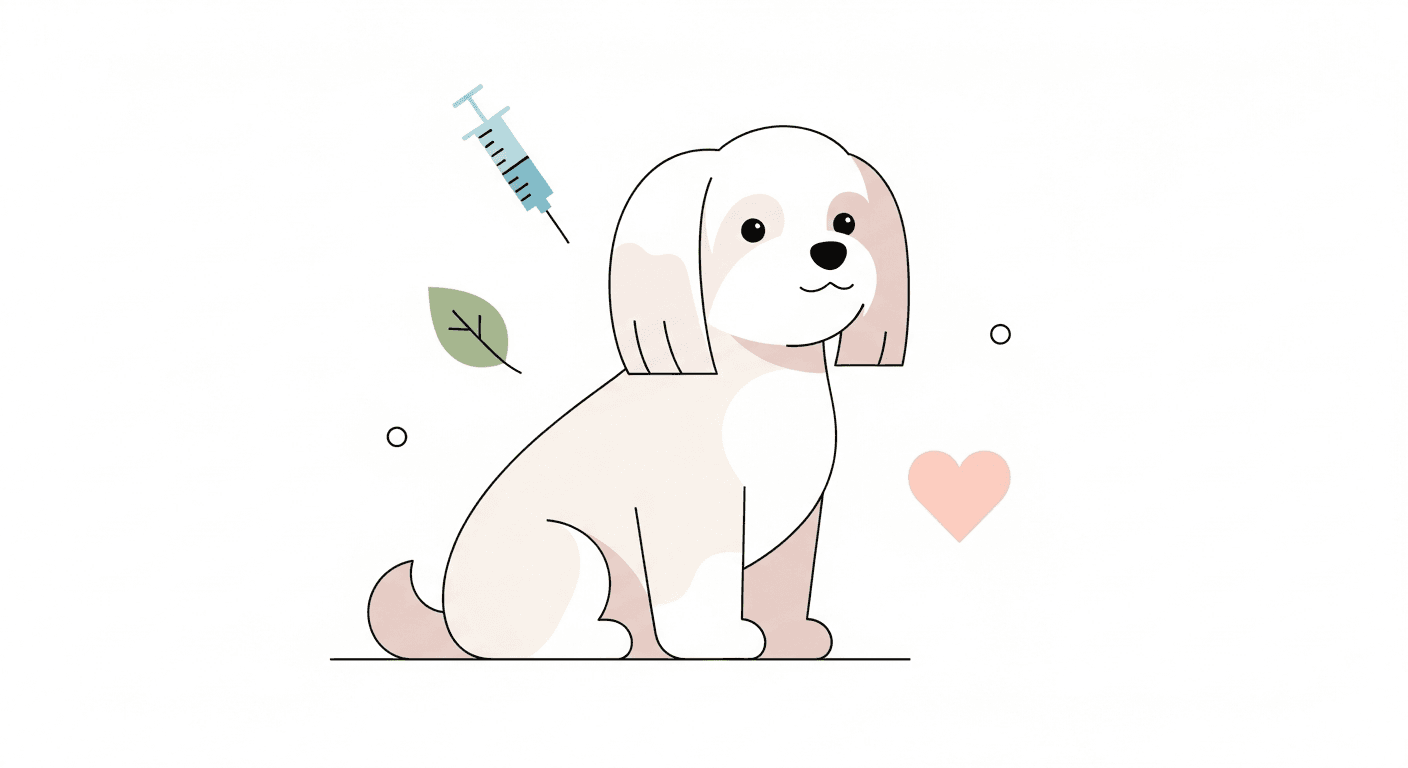
Breed Overview
The Maltese is one of the oldest companion dog breeds in existence, with a history stretching back at least 2,000 years to the island of Malta in the Mediterranean Sea. Ancient Greeks, Romans, and Egyptians prized these small white dogs as symbols of luxury and nobility. Aristotle mentioned the breed in his writings, and Maltese dogs appear in ancient Greek pottery and Roman art. Despite centuries of popularity, the breed was nearly lost in the 17th and 18th centuries when breeders experimented with miniaturization, crossing it with other toy breeds. The Maltese was restored to stability in the early 19th century and remains one of the most popular toy breeds worldwide.
Maltese are tiny dogs — typically weighing under 7 pounds and standing 7–9 inches tall. Their most iconic feature is their pure white, straight, silky coat that flows to the floor and has no undercoat — making them a relatively low-shedding option for allergy-prone owners. Their dark, expressive eyes and black nose create a striking contrast against their white coat.
Temperament and Personality
The Maltese is a gentle, playful, and devoted companion. Their centuries as lap dogs have produced a breed superbly adapted to indoor companion life:
- Affectionate and trusting: Maltese bond deeply with their primary caregivers and thrive on close contact. They are warm and engaging with familiar people.
- Playful: Despite their diminutive size, Maltese enjoy active play sessions and can be surprisingly energetic during play.
- Alert and occasionally feisty: Their terrier-adjacent ancestry gives them a bold streak. They will bark at perceived threats without hesitation — regardless of the threat's size.
- Intelligent: Maltese are clever dogs that learn quickly when properly motivated. Their intelligence can also express itself as stubbornness if training is inconsistent.
- Sensitive to harsh handling: This breed responds poorly to correction-based training. Positive reinforcement exclusively is the recommended approach.
Care Needs
- Grooming: The Maltese's single-layer silky coat requires significant maintenance. Long coats need daily brushing to prevent tangles. Most pet owners choose a short "puppy cut" requiring professional grooming every six to eight weeks. The topknot keeps hair from irritating eyes.
- Tear staining: The white coat makes tear staining highly visible. Clean the eye area daily with a damp cloth or tear stain remover. Dietary adjustments, filtered water, and stainless steel food bowls may reduce staining.
- Dental care: Toy breeds are extremely prone to dental disease. Brush teeth daily and schedule annual professional cleanings.
- Cold sensitivity: Their small body size and minimal insulating coat make Maltese sensitive to cold. Sweaters or coats may be necessary in winter climates.
- Housetraining: Like many toy breeds, Maltese can be challenging to housetrain. Consistency, crate training, and patience are essential.
Health Risks and Common Conditions
- Hypoglycemia: Low blood sugar can occur in Maltese puppies and very small adults. Feed small, frequent meals and recognize signs of weakness, trembling, or disorientation as emergencies.
- Luxating Patella: Kneecap displacement is very common in toy breeds. Mild cases are managed conservatively; severe cases require surgery.
- Tracheal Collapse: The trachea weakens and narrows, causing a characteristic honking cough. Always use a harness rather than a neck collar with this breed.
- Portosystemic Liver Shunt: An abnormal blood vessel bypasses the liver. Signs include poor growth, behavioral changes, and seizures.
- White Dog Shaker Syndrome: A neurological condition causing full-body tremors, most often in young white-coated dogs. Responds well to treatment with corticosteroids.
- Heart disease: Mitral valve disease is common in older Maltese.
Use the TailRounds Daily Log to track your Maltese's meals, any coughing, and energy levels. Small dogs can decline rapidly when ill — book a vet appointment at Happy Paws quickly at any sign of concern. Find a clinic familiar with toy breed care near you.
Exercise Needs
Maltese need only modest daily exercise — two short walks of 15–20 minutes plus indoor play sessions are typically sufficient. They enjoy learning tricks and interactive games that stimulate their minds without stressing their small bodies.
Is a Maltese Right for You?
The Maltese is a perfect companion for apartment dwellers, seniors, and anyone seeking a loving, low-exercise dog that thrives on closeness. Their grooming demands are real but manageable, and their health costs are moderate. They are best suited to households with older children or adults only, as their tiny size makes them vulnerable to accidental injury. For anyone who wants an ancient, devoted, and elegantly charming lap companion, the Maltese is a magnificent choice.
Continue Reading
 🐶 Dog Breeds
Shih Tzu: The Royal Lion Dog and Perfect Indoor Companion
Complete guide to the Shih Tzu — history, gentle temperament, grooming demands, health concerns, and why this ancient breed remains one of the world's best lap dogs.
 🐶 Dog Breeds
Yorkshire Terrier: Big Personality in a Tiny Package
Everything you need to know about the Yorkshire Terrier — feisty temperament, silky coat care, health concerns, exercise needs, and what living with a Yorkie is really like.
 🐶 Dog Breeds
Pomeranian: The Fluffy Little Fox Dog With an Enormous Personality
A complete Pomeranian guide — bold personality, double coat care, health considerations including luxating patella and tracheal collapse, and what makes Poms such captivating companions.