
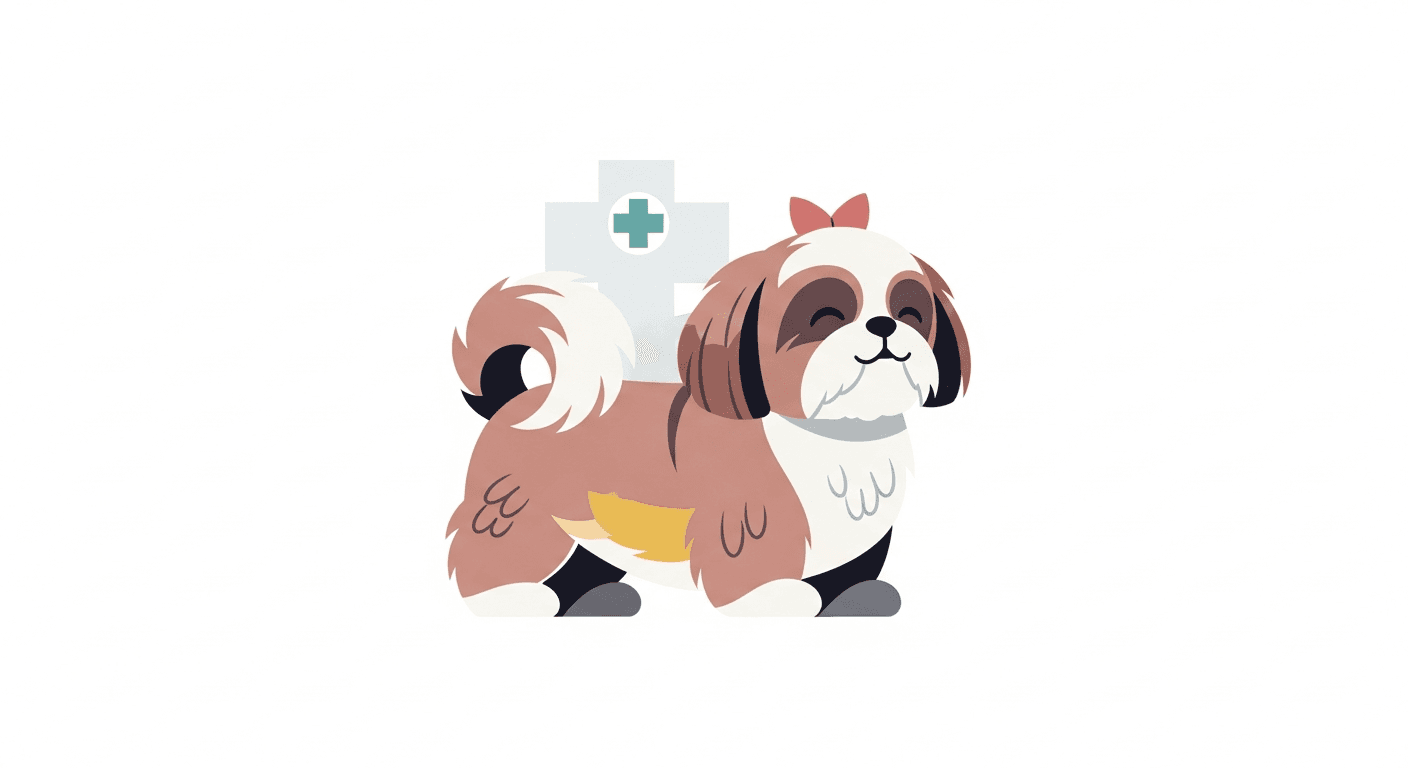
Breed Overview
The Shih Tzu is one of the oldest dog breeds in existence, with origins in ancient China and Tibet that may stretch back over a thousand years. Bred as companions for Chinese royalty and Buddhist monks — the name means "lion dog" in Mandarin — Shih Tzus were kept in the palaces of Chinese emperors and considered sacred animals. They were virtually unknown outside China until the 1930s when they were introduced to Europe. The AKC recognized the breed in 1969, and they have been among the most popular toy breeds ever since.
Shih Tzus are small dogs weighing 9–16 pounds and standing 8–11 inches tall. Their most defining feature is their long, luxurious double coat that flows to the floor in show dogs. Their flat (brachycephalic) face, large dark eyes, and underbite give them an expressive, almost childlike appearance. They come in an enormous variety of colors and color combinations.
Temperament and Personality
The Shih Tzu was bred exclusively to be a companion — and it shows. Their entire purpose is to be with their people:
- Affectionate and gentle: Shih Tzus are among the most loving companion breeds. They are warm with family members, visitors, and strangers alike.
- Adaptable: They thrive in apartments and large homes equally. What matters most to them is human proximity, not square footage.
- Playful but not hyperactive: Shih Tzus enjoy play sessions but are equally content to sit on a lap or stroll slowly through the neighborhood.
- Good with children and other pets: When well-socialized, Shih Tzus are patient and gentle with children and coexist peacefully with other animals.
- Stubborn: They have an independent streak and may resist training without sufficient motivation. Short, reward-based sessions work best.
Care Needs
- Grooming: The Shih Tzu's beautiful coat is its most demanding care aspect. Long coats require daily brushing to prevent mats. Most pet owners elect for a short "puppy trim" requiring professional grooming every six to eight weeks. The topknot (hair tied above the eyes) is not just aesthetic — it keeps hair from irritating the eyes.
- Eye and facial care: Their prominent eyes and flat face mean tear staining and eye discharge are common. Wipe the face daily with a damp cloth, paying particular attention to the eye corners. Monitor for corneal scratches.
- Temperature management: Like all brachycephalic breeds, Shih Tzus can overheat rapidly. Exercise in cool conditions and keep them in air-conditioned environments in hot weather.
- Dental care: Toy breeds are highly prone to dental disease. Brush teeth daily and arrange annual professional cleanings.
Health Risks and Common Conditions
- Brachycephalic Obstructive Airway Syndrome (BOAS): Breathing difficulties arising from their flat facial structure. Monitor for noisy breathing, exercise intolerance, and overheating. Surgical correction may be recommended.
- Eye problems: Keratoconjunctivitis sicca (dry eye), corneal ulcers, progressive retinal atrophy, and entropion are all seen in the breed. Annual ophthalmic exams are valuable.
- Hip dysplasia: Seen in the breed despite small size. OFA certification of breeding stock is advisable.
- Intervertebral Disc Disease (IVDD): Present in Shih Tzus, though less common than in Dachshunds.
- Ear infections: Their floppy ears need regular cleaning. Check monthly and at any sign of head shaking or scratching at ears.
- Renal dysplasia: A kidney development disorder seen in some Shih Tzus; screening young dogs is advisable.
Track your Shih Tzu's breathing patterns, eye health, and dental condition with the TailRounds Daily Log. Book a vet appointment at Happy Paws for regular wellness check-ups or find a clinic familiar with toy breeds.
Exercise Needs
Shih Tzus need minimal exercise compared to most breeds — two short daily walks of 15–20 minutes and indoor play sessions are typically sufficient. Exercise must always be conducted in cool conditions due to their brachycephalic anatomy.
Is a Shih Tzu Right for You?
The Shih Tzu is perfect for apartment dwellers, retirees, and anyone seeking a devoted companion dog with low exercise requirements. They do require significant grooming investment. Their brachycephalic health concerns mean veterinary costs can exceed those of a typical small dog. For those willing to invest in daily grooming and proactive health care, a Shih Tzu offers extraordinarily devoted, gentle, and adaptable companionship.
Continue Reading
 🐶 Dog Breeds
Maltese: The Ancient Aristocrat of Toy Dog Breeds
A complete guide to the Maltese dog — elegant temperament, silky coat care, health considerations, gentle exercise needs, and why this ancient breed suits apartment living perfectly.
 🐶 Dog Breeds
Cavalier King Charles Spaniel: Grace, Gentleness, and Heart Health Risks
A complete guide to the Cavalier King Charles Spaniel — their sweet nature, serious cardiac health concerns, care requirements, and why this regal breed captures every heart it meets.
 🐶 Dog Breeds
Yorkshire Terrier: Big Personality in a Tiny Package
Everything you need to know about the Yorkshire Terrier — feisty temperament, silky coat care, health concerns, exercise needs, and what living with a Yorkie is really like.