
Breed Overview
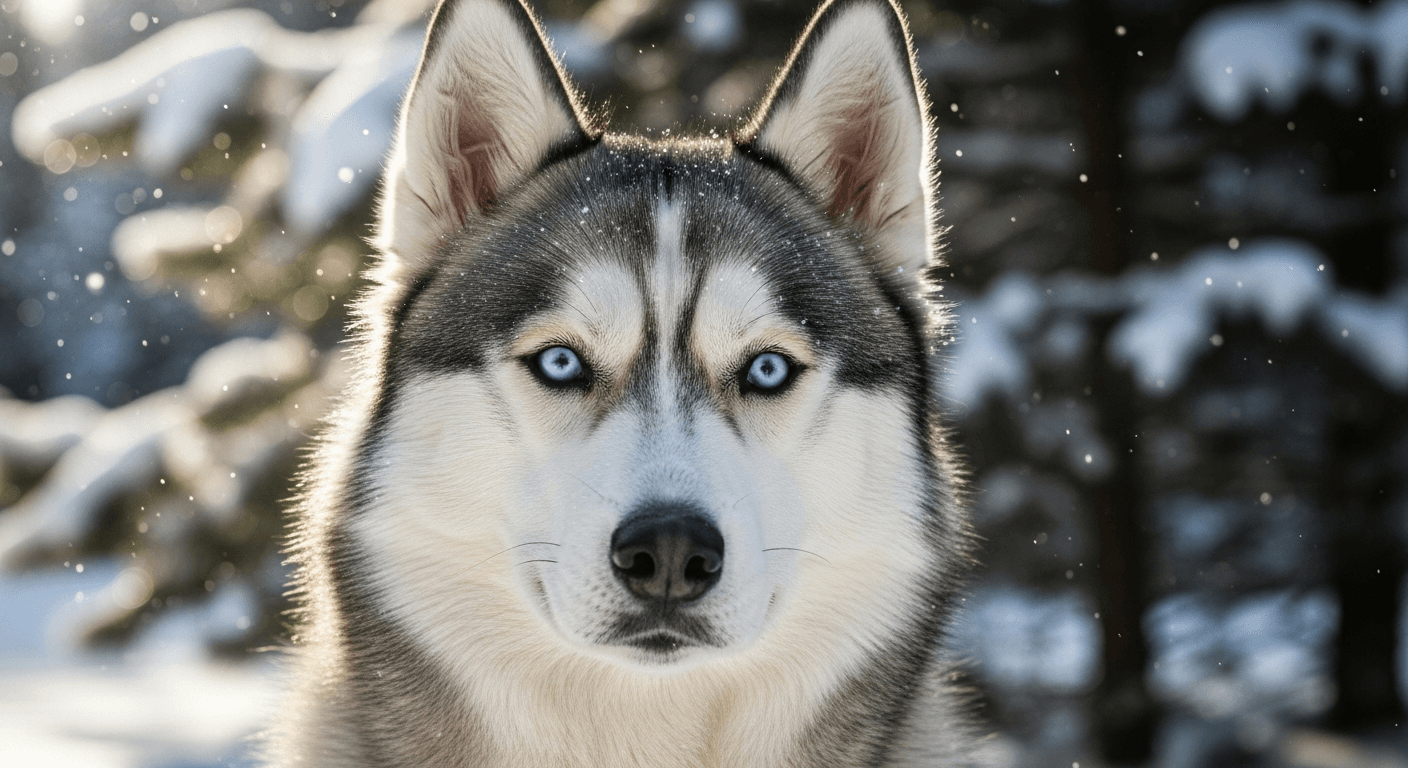
The Siberian Husky is a medium-sized working sled dog developed over thousands of years by the Chukchi people of northeastern Siberia. Bred to haul light loads over vast frozen distances at moderate speeds with minimal food consumption, Siberian Huskies are perhaps the most endurance-optimized land animals ever developed by selective breeding. Their striking wolf-like appearance — thick double coat, erect ears, piercing blue or multicolored eyes, and bushy tail — turns heads wherever they go.
Males stand 21–23.5 inches and weigh 45–60 pounds. Females are 20–22 inches and 35–50 pounds. Their coat comes in a wide range of colors from pure white to black, with every combination of markings in between. The Siberian Husky was first brought to Alaska in 1908 for sled racing and rose to global fame in 1925 when a relay team of Huskies delivered life-saving diphtheria antitoxin to Nome, Alaska — a journey now commemorated by the Iditarod race.
Temperament and Personality
The Siberian Husky is famously friendly, outgoing, and mischievous. Their personality reflects a dog bred to work in a team — sociable with both humans and other dogs but not particularly dependent on human approval:
- Friendly to a fault: Huskies love everyone. They make terrible guard dogs because they are equally delighted by strangers as by family.
- Independent and free-thinking: Unlike biddable retriever breeds, Huskies were bred to make independent decisions on the trail. This intelligence is not applied to pleasing owners — it is applied to their own agenda.
- Mischievous and comedic: Huskies have a well-documented sense of humor and love to find creative ways to entertain themselves — often at the expense of household items.
- Pack-oriented: They thrive with other dogs and can become anxious or destructive when isolated. A second dog is often recommended.
- High prey drive: Huskies should be kept on leash or in securely fenced areas. Their prey drive may make them unsafe with cats and small animals.
- Vocal: Huskies howl, whine, "talk," and rarely bark. Their vocal repertoire is entertaining but loud.
Care Needs
- Grooming: Their thick double coat sheds moderately year-round and catastrophically twice per year (known as "blowing coat"). During shedding season, daily deshedding brushing is required. Remarkably, Huskies are self-cleaning and rarely need bathing — perhaps four times per year. Never shave a Husky; their coat regulates body temperature in both cold and warm climates.
- Containment: Huskies are legendary escape artists. They dig under, climb over, and squeeze through enclosures. Six-foot fencing with a secure foundation is minimum, and supervision is essential.
- Climate considerations: Huskies are cold-weather dogs but adapt to warmer climates with access to shade, water, and air conditioning. Never exercise a Husky in heat.
- Training: Obedience training from puppyhood is necessary, but owners must accept that a Husky will always have a significant independent streak. Recall training is essential but imperfect with this breed — never fully trust a Husky off-leash in an unsecured area.
Health Risks and Common Conditions
Siberian Huskies are one of the healthier breeds, but several conditions are seen with regularity:
- Eye conditions: Juvenile cataracts and Progressive Retinal Atrophy are heritable in the breed. DNA testing of breeding stock and annual ophthalmological exams are recommended. The Husky's stunning blue eyes are also prone to corneal dystrophy.
- Hip dysplasia: Less common in Huskies than in many large breeds but still seen. OFA certification of parents is advisable.
- Hypothyroidism: Reduced thyroid function causing weight gain, coat changes, and lethargy. Manageable with daily medication.
- Zinc-responsive dermatosis: Some Huskies have difficulty absorbing zinc, leading to crusty, scaling skin lesions around the face and footpads. Zinc supplementation resolves the issue.
- Follicular dysplasia: A coat disorder affecting pigmented hairs. Cosmetic rather than life-threatening.
Use the TailRounds Daily Log to track your Husky's eye health, coat condition, and energy levels. Book a vet appointment at Happy Paws for annual eye and hip evaluations, or find a clinic with experience in working dog breeds.
Exercise Needs
The Siberian Husky's exercise needs are among the highest of any breed. An adult Husky needs a minimum of 90 minutes to two hours of vigorous physical activity daily. Ideal activities include:
- Running — ideally long distances
- Canicross (cross-country running with a dog)
- Bikejoring or skijoring
- Dog sledding or scootering
- Hiking
An under-exercised Husky is one of the most destructive forces in the domestic world. They will remodel your furniture, landscaping, and potentially your walls.
Is a Siberian Husky Right for You?
Siberian Huskies are breathtakingly beautiful, entertaining, and affectionate — but they are demanding dogs that suit a very specific lifestyle. They require extremely active owners willing to commit hours daily to exercise, accept significant hair in their home and clothing, and manage the realities of an escape-prone, free-thinking dog. If you are an outdoors enthusiast who wants an athletic canine partner, a Husky may be perfect. If you want a calm, biddable companion for a relaxed lifestyle, choose another breed.
Continue Reading
 🐶 Dog Breeds
Australian Shepherd: The Brilliant Herding Dog for Active Owners
Complete guide to the Australian Shepherd — extraordinary intelligence, intense herding instincts, exercise demands, health issues, and whether an Aussie fits your active lifestyle.
 🐶 Dog Breeds
Border Collie: The World's Most Intelligent Dog — Is It Right for You?
Everything about the Border Collie — unmatched intelligence, herding intensity, exercise demands, mental stimulation needs, health risks, and whether you can handle the world's smartest dog.
 🐶 Dog Breeds
Akita: Japan's Noble and Powerful National Monument
A complete guide to the Akita — Japan's iconic large dog breed. Learn about their independent temperament, loyalty, health risks, training challenges, and ownership requirements.