
Breed Overview
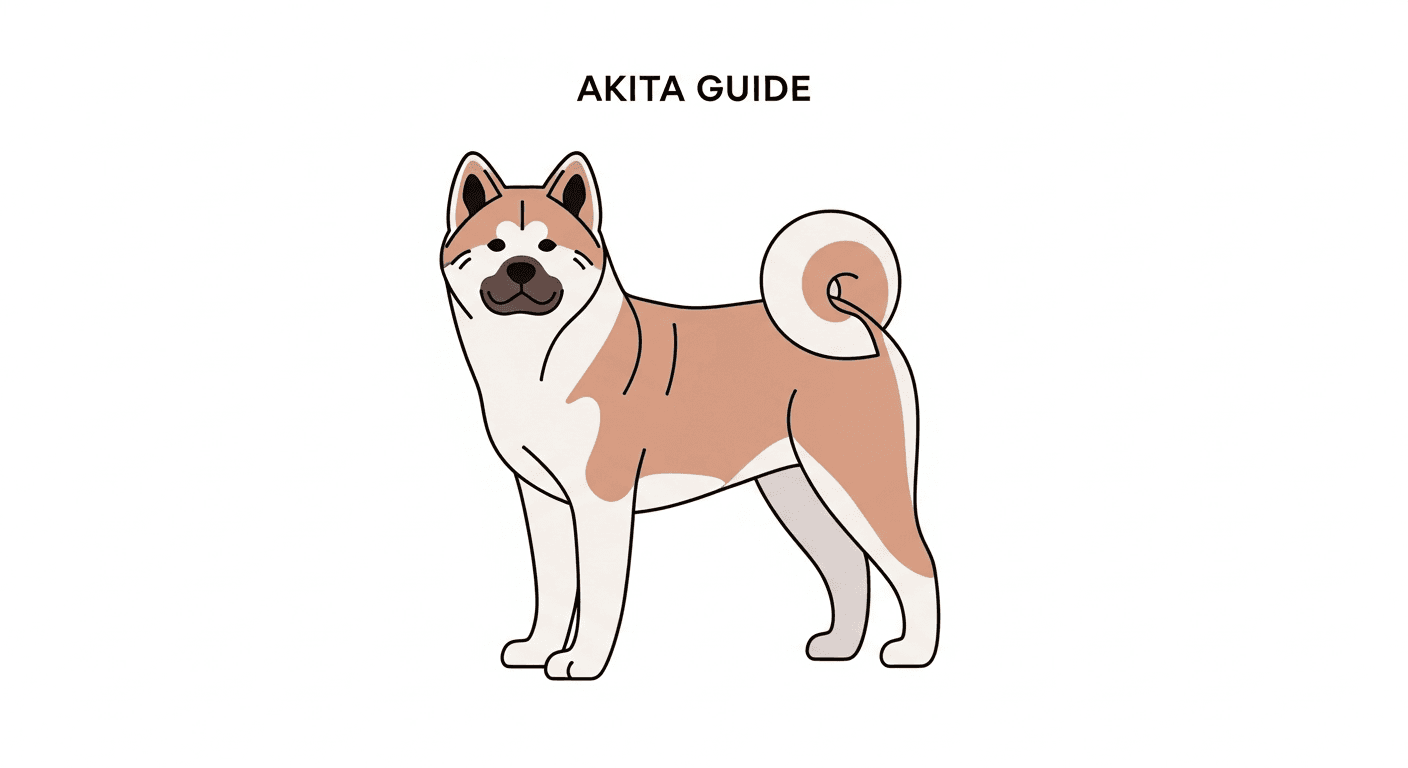
The Akita is one of Japan's oldest and most revered dog breeds, declared a National Monument of Japan in 1931. Originating in the Akita Prefecture of northern Japan, these dogs were bred by samurai nobility to hunt large game including bears, wild boar, and deer. They were also used as guard dogs and in dog fighting during the Edo period. The breed became internationally famous through the story of Hachiko — an Akita who waited at Shibuya Station in Tokyo for his deceased owner every day for nine years after his death in 1925, becoming a symbol of loyalty that resonates globally to this day.
There are two distinct Akita types: the Japanese Akita (Akita Inu), which is smaller and more fox-like, and the American Akita, which is larger and more bear-like. Males stand 26–28 inches and weigh 100–130 pounds; females are 24–26 inches and 70–100 pounds. Both have a thick double coat, curled tail, and erect ears. The Akita is a breed that commands respect — through appearance, personality, and the level of commitment required to own one responsibly.
Temperament and Personality
The Akita is a complex breed that is simultaneously deeply loyal and profoundly independent. Understanding their personality requires respecting their heritage:
- Profoundly loyal: To their family, an Akita's loyalty is absolute and enduring. This is the breed's most celebrated quality.
- Reserved and dignified: Unlike breeds that greet all humans enthusiastically, Akitas are characteristically aloof with strangers and selective about who they accept as worthy of their affection.
- Independent and strong-willed: Akitas were bred to make hunting decisions independently, without human guidance. This intelligence does not translate to easy obedience — they think for themselves and may decide a command is unnecessary.
- Dominant and dog-aggressive: Many Akitas are intolerant of other dogs, particularly of the same sex. Dog-dog socialization must begin very early and be maintained carefully throughout life.
- Quiet but watchful: Akitas rarely bark without reason. When they do alert, it should be taken seriously.
Care Needs
- Grooming: Their thick double coat sheds year-round and dramatically twice per year. Brush two to three times per week normally, and daily during coat blows. Bathe every six to eight weeks. Never shave the coat.
- Training: Early and consistent training by a confident, experienced handler is essential. Akitas can be trained but require an owner who understands and respects their independent nature. Positive reinforcement works best, but boundaries must be absolutely consistent. An untrained or poorly handled Akita is a serious liability.
- Socialization: Extensive socialization from puppyhood is critical. Expose your Akita to a variety of people, environments, and animals from the earliest possible age. Even with ideal socialization, dog-dog aggression may remain a challenge.
- Containment: Akitas are powerful dogs that can clear inadequate fencing. A securely fenced yard with a six-foot fence is the minimum. They should be walked on a lead at all times in public areas.
Health Risks and Common Conditions
- Hip dysplasia: Common in large breeds. OFA certification of both parents and weight management throughout life are important preventive measures.
- Bloat (GDV): As a deep-chested large breed, Akitas are at significant risk. Feed two smaller meals daily and rest after eating. Know the signs of GDV and the location of your nearest emergency clinic.
- Hypothyroidism: More prevalent in Akitas than in many breeds. Signs include weight gain, coat changes, and lethargy. Manageable with daily thyroid medication.
- Immune-mediated conditions: Akitas are predisposed to a variety of immune system disorders including immune-mediated hemolytic anemia, pemphigus (a skin disease), and uveodermatological syndrome (VKH-like syndrome affecting eyes and skin).
- Progressive Retinal Atrophy: Hereditary vision loss; DNA testing available.
- Sebaceous Adenitis: An inflammatory skin disease destroying sebaceous glands, more common in Akitas than most breeds.
Track your Akita's coat condition, weight, and any immune-related symptoms with the TailRounds Daily Log. Book a vet appointment at Happy Paws for annual wellness exams or find a clinic familiar with Japanese breeds near you.
Exercise Needs
Akitas need 60–90 minutes of moderate to vigorous daily exercise. They enjoy:
- Long leash walks and hikes
- Structured obedience work
- Tracking and scent work
- Weight pulling with appropriate conditioning
Is an Akita Right for You?
The Akita is best suited to experienced, confident dog owners who understand working breeds, can provide consistent leadership, and have the time and space for a large, independent dog. They are not appropriate for first-time dog owners, families with multiple dogs without careful management, or people who cannot invest in comprehensive socialization and training. For those who are ready for the commitment, the Akita offers a level of loyalty and devotion that is genuinely rare — a bond unlike any other in the dog world.
Continue Reading
 🐶 Dog Breeds
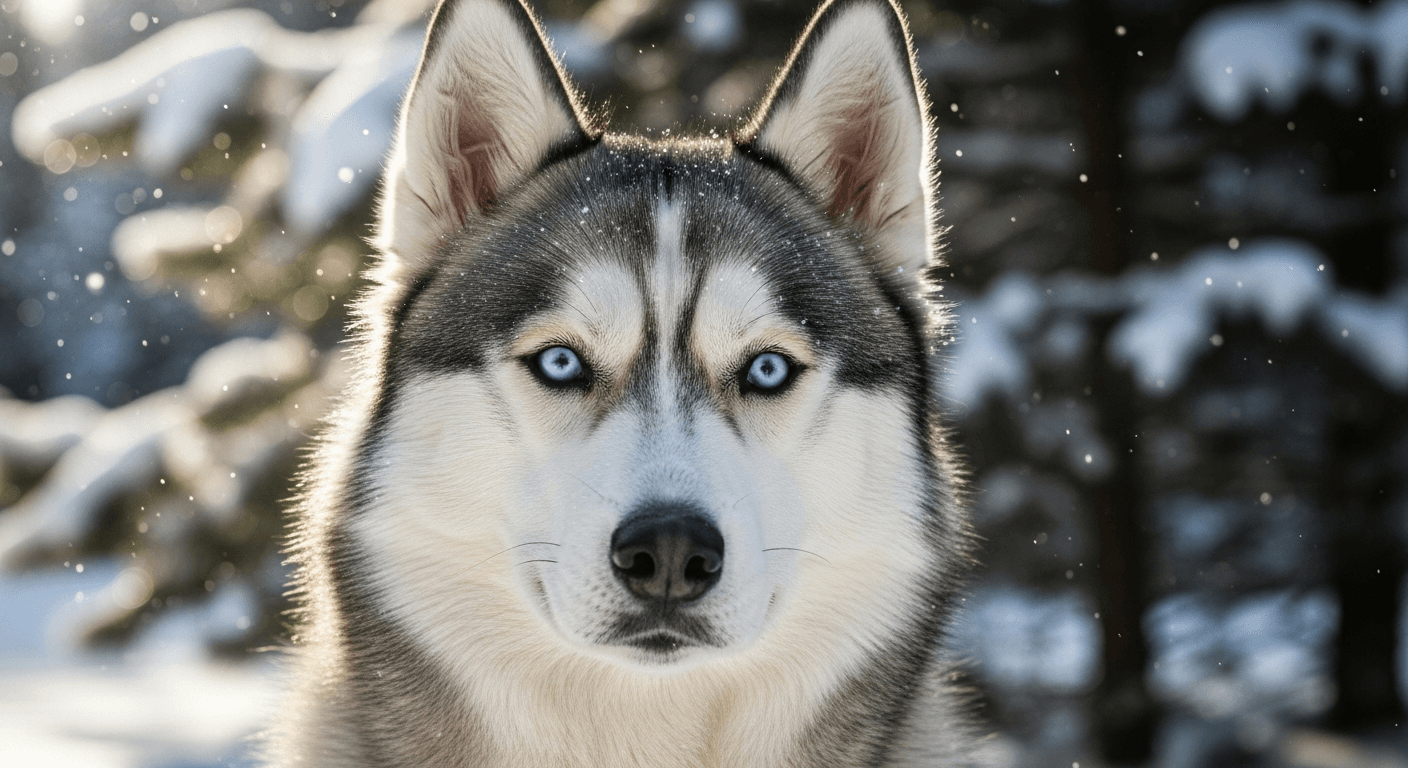
Siberian Husky: The Striking Arctic Sled Dog Built for Adventure
A complete guide to the Siberian Husky — stunning looks, high energy, escape artistry, care needs, health issues, and whether this athletic breed fits your lifestyle.
 🐶 Dog Breeds
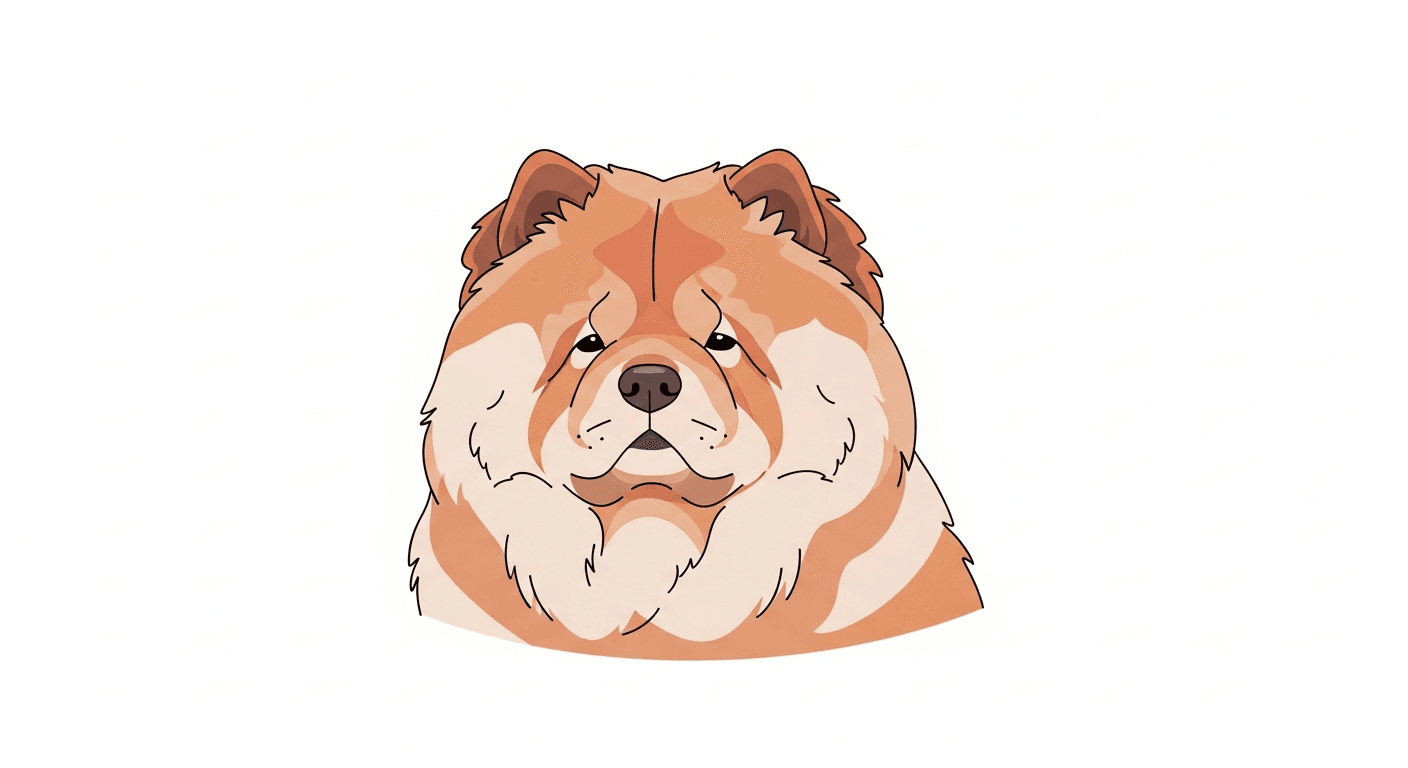
Chow Chow: The Ancient Lion Dog of China
A complete guide to the Chow Chow — one of the world's oldest breeds. Learn about their dignified independence, grooming needs, health conditions, and why they are not dogs for everyone.
 🐶 Dog Breeds
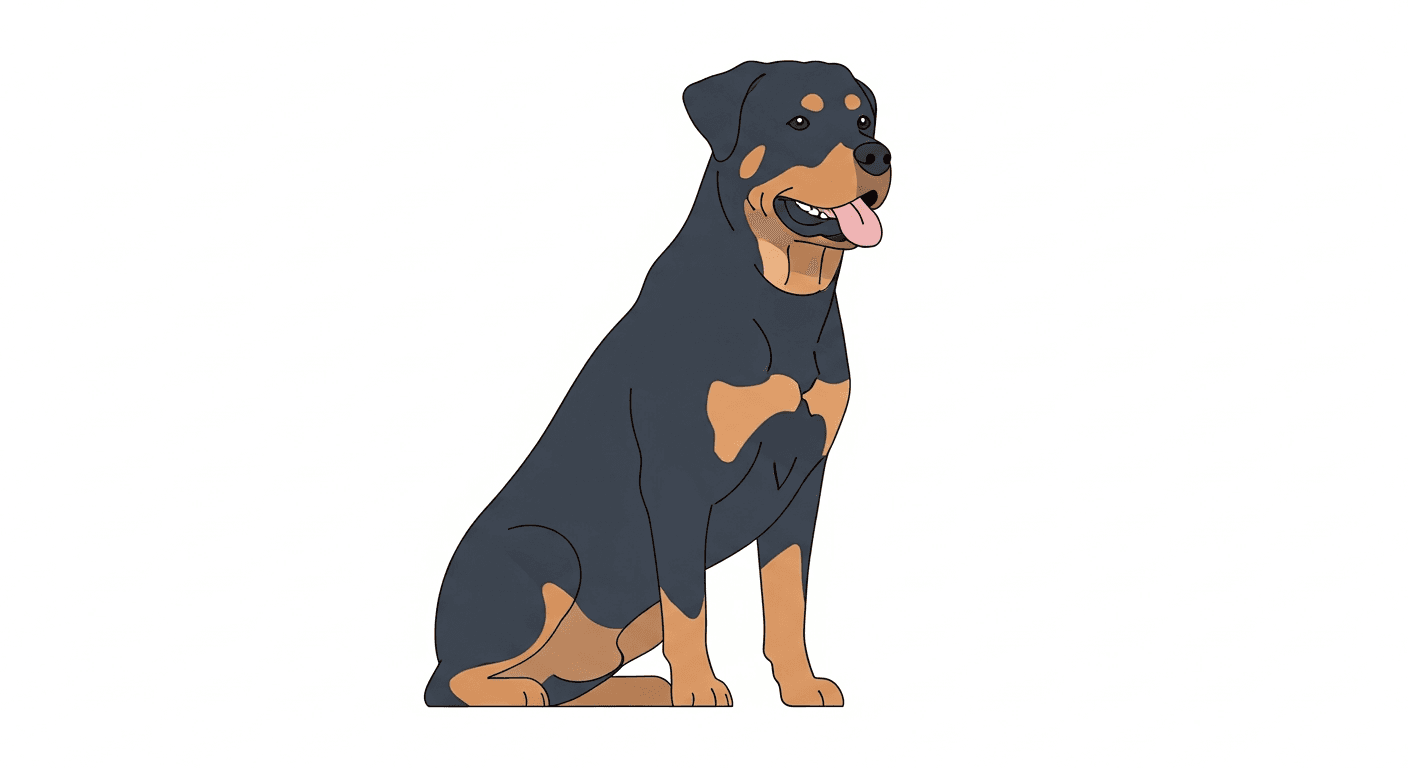
Rottweiler: Power, Loyalty, and What Responsible Ownership Looks Like
A comprehensive guide to the Rottweiler — temperament, training needs, health risks, exercise requirements, and the truth about owning this misunderstood breed.