
Breed Overview
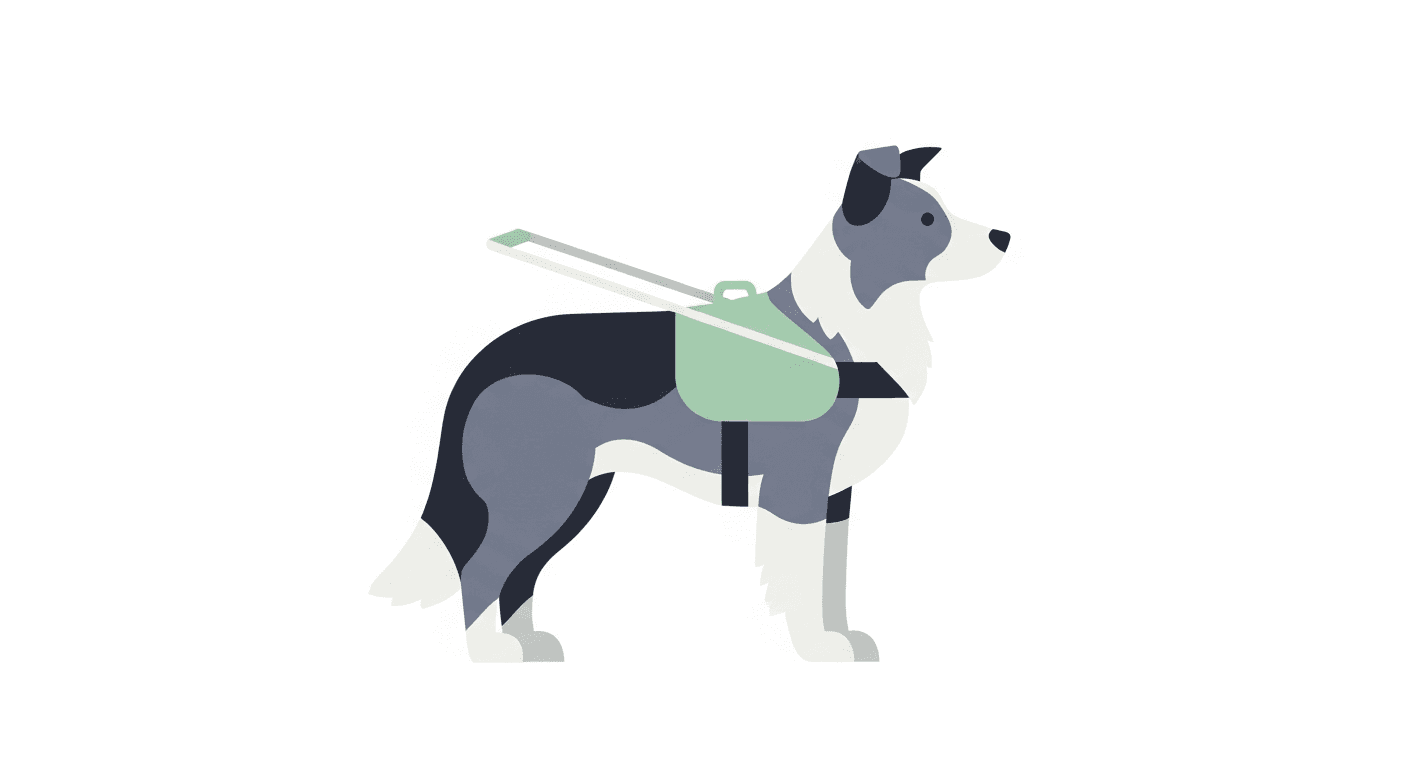
The Border Collie is universally recognized as the most intelligent dog breed in existence. Developed along the border between Scotland and England (hence "border") over centuries of careful selective breeding, these dogs were refined to herd sheep independently over long distances, making complex decisions without human guidance. The breed was formally recognized by the AKC only in 1995, with many working dog enthusiasts resisting official recognition for fear it would shift breeding priorities away from working ability toward appearance.
Border Collies are medium-sized dogs, with males weighing 30–55 pounds and females 27–42 pounds. They come in a wide variety of coat types (rough or smooth) and colors, though the classic black and white rough-coated variety is most iconic. Their intense, focused gaze — the famous "border collie eye" used to control livestock — is one of their most distinctive features.
Border Collies are extraordinary animals, but their extraordinary intelligence and drive come with equally extraordinary demands. They are often described as "too much dog" for the average household.
Temperament and Personality
Understanding a Border Collie means understanding that every aspect of their personality serves their working heritage:
- Supreme intelligence: Border Collies can learn hundreds of words and complex sequences of commands. They solve problems, anticipate their owner's next move, and observe the world with an intensity that can be unnerving.
- Obsessive drive: When a Border Collie fixates on a task — whether herding, fetching, or chasing a shadow — they can pursue it to the point of self-harm. Obsessive behaviors (chasing lights, shadows, and reflections) are a recognized problem in the breed.
- Sensitive and responsive: They pick up on subtle changes in their environment and their owner's mood. Harsh handling causes lasting psychological damage.
- Reserved with strangers: Unlike Golden Retrievers, Border Collies are not universally friendly. They need extensive socialization to be comfortable around unfamiliar people and situations.
- Intense and serious: They approach most activities with laser focus and may lack the casual playfulness of more companion-oriented breeds.
Care Needs
- Grooming: Rough-coated Border Collies need brushing two to three times per week and daily during shedding seasons. Smooth-coated varieties require less. Both types shed year-round. Bathe every six to eight weeks.
- Training: Border Collies require daily structured training sessions. They excel at agility, obedience, flyball, frisbee, herding trials, and virtually every other canine sport. Without regular training, they will train themselves — and the self-imposed curriculum is rarely suitable for domestic life.
- Mental stimulation: This is non-negotiable. A Border Collie with insufficient mental challenge will develop obsessive behaviors, anxiety, and destructive habits. Aim for at least 60 minutes of deliberate mental engagement daily — above and beyond physical exercise.
- Routine and predictability: Border Collies thrive on routine. Unpredictable environments increase their anxiety. Structure and consistency are important for their wellbeing.
Health Risks and Common Conditions
- Collie Eye Anomaly (CEA): A heritable eye condition ranging from minor choroidal hypoplasia to coloboma and retinal detachment. DNA testing is available and should be performed on all breeding stock.
- Progressive Retinal Atrophy (PRA): Gradual, irreversible vision loss. DNA testing available.
- Hip dysplasia: Present in the breed; OFA certification of parents is important.
- MDR1 gene mutation: As with Australian Shepherds, some Border Collies carry a mutation causing sensitivity to common medications. DNA testing before any medication administration is advised.
- Epilepsy: More prevalent in Border Collies than many breeds. Both idiopathic epilepsy and a neuronal ceroid lipofuscinosis form have been identified. DNA testing is available for some variants.
- Trapped Neutrophil Syndrome (TNS): A fatal immune system disorder seen in some Border Collies. DNA testing is available and should be performed before breeding.
- Obsessive Compulsive Disorder (OCD): Light chasing, shadow chasing, and repetitive behaviors are seen in the breed, particularly in dogs that are under-stimulated or have been rewarded for these behaviors inadvertently.
Keep detailed genetic testing records and log behavioral changes with the TailRounds Daily Log. Book a vet appointment at Happy Paws if you notice obsessive behaviors or any neurological signs. Find a clinic experienced with herding breeds near you.
Exercise Needs
Border Collies need a minimum of two hours of vigorous exercise daily — and many individuals need more. Ideal activities include:
- Agility training and competition
- Herding — either livestock or sheep herding trials
- Frisbee and disc dog competitions
- Flyball
- Long off-leash runs in safe environments
Is a Border Collie Right for You?
Border Collies are genuinely not suitable for most households. They require experienced, active owners deeply committed to training, mental enrichment, and athletic exercise. They thrive on farms, in homes with active outdoor lifestyles, and with owners who compete in dog sports. They are poor choices for busy urban dwellers, families with very young children, or first-time dog owners. If your lifestyle can accommodate a Border Collie's extraordinary needs, you will gain one of the most mind-blowing canine partners imaginable. If not, choose a breed whose demands match your reality.
Continue Reading
 🐶 Dog Breeds
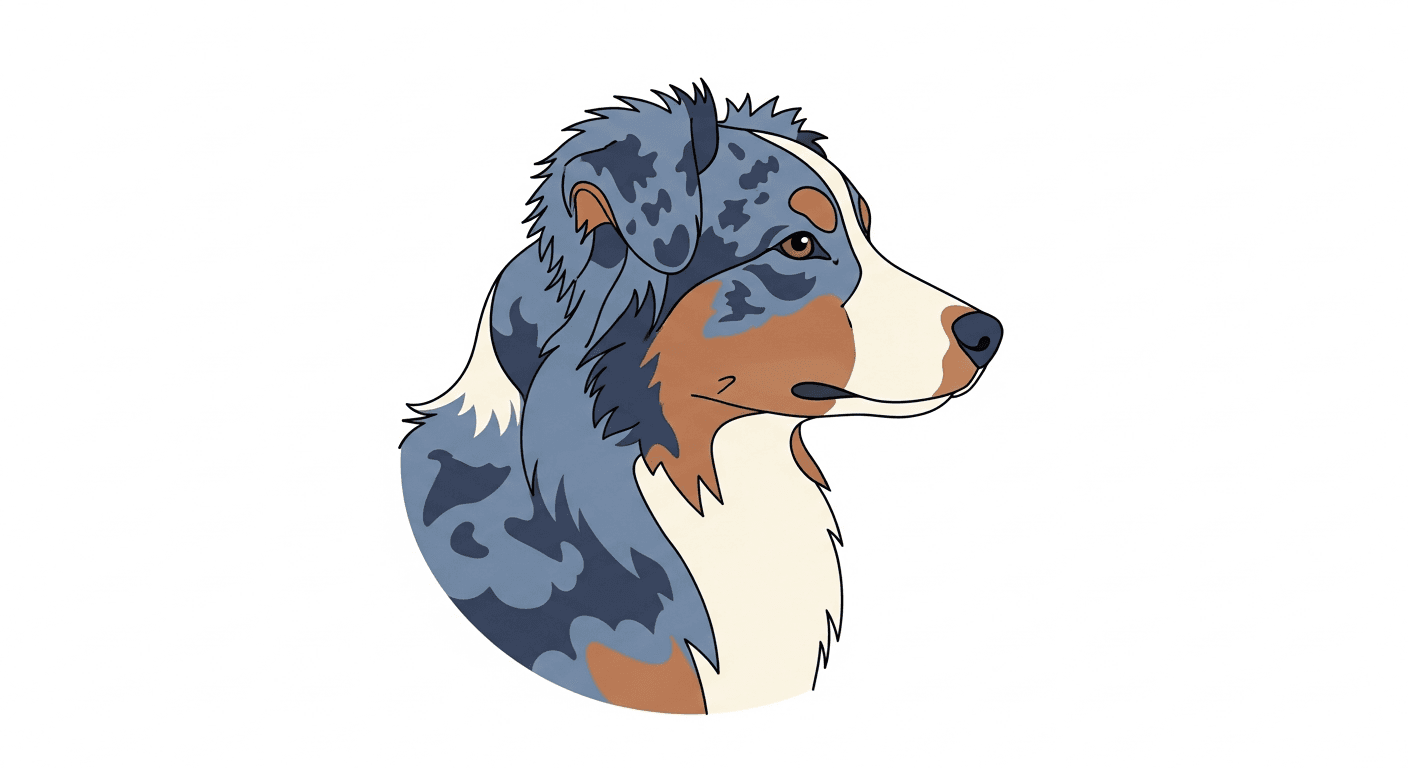
Australian Shepherd: The Brilliant Herding Dog for Active Owners
Complete guide to the Australian Shepherd — extraordinary intelligence, intense herding instincts, exercise demands, health issues, and whether an Aussie fits your active lifestyle.
 🐶 Dog Breeds
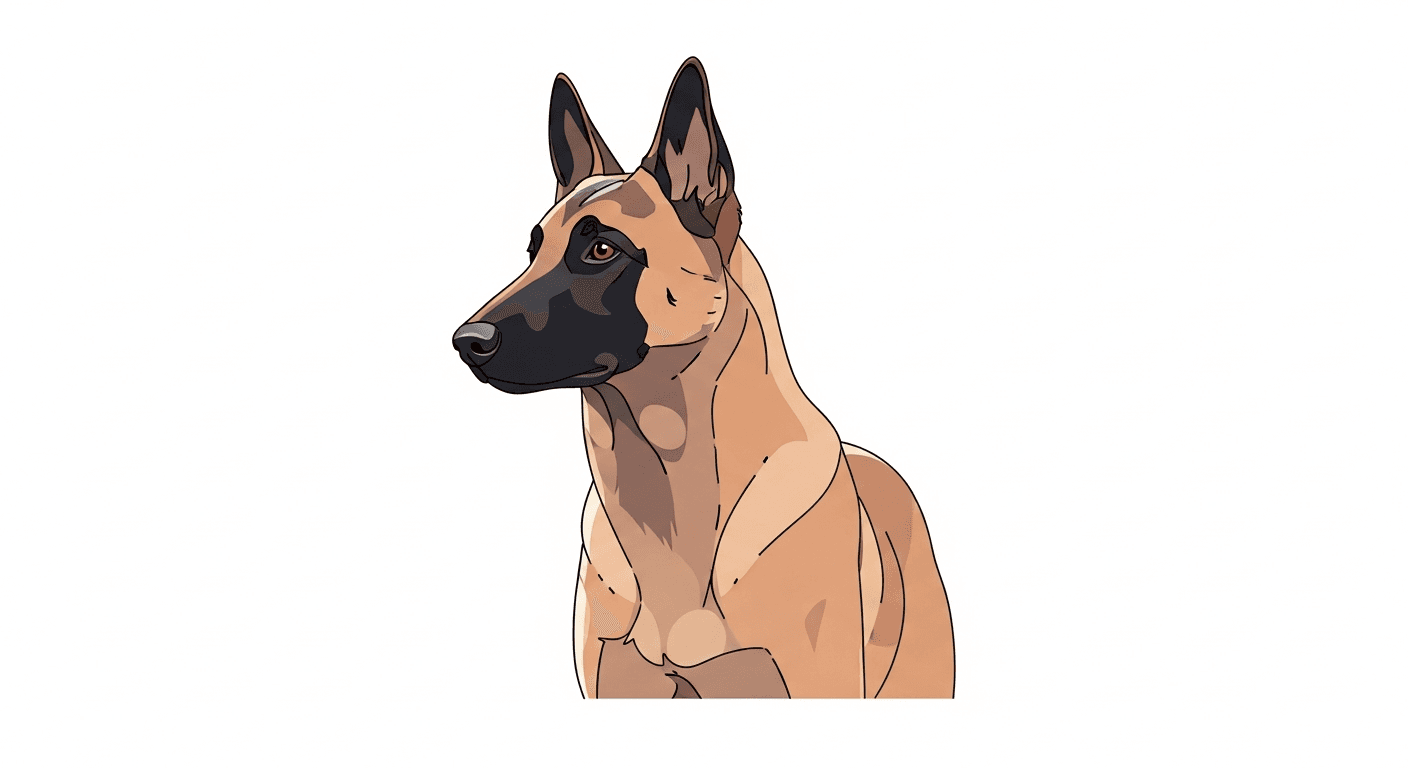
Belgian Malinois: The World's Premier Working Dog — Not Just a Pet
A complete guide to the Belgian Malinois — the elite working dog used by military and police worldwide. Learn about their extreme drive, training demands, health profile, and suitability as a pet.
 🐶 Dog Breeds
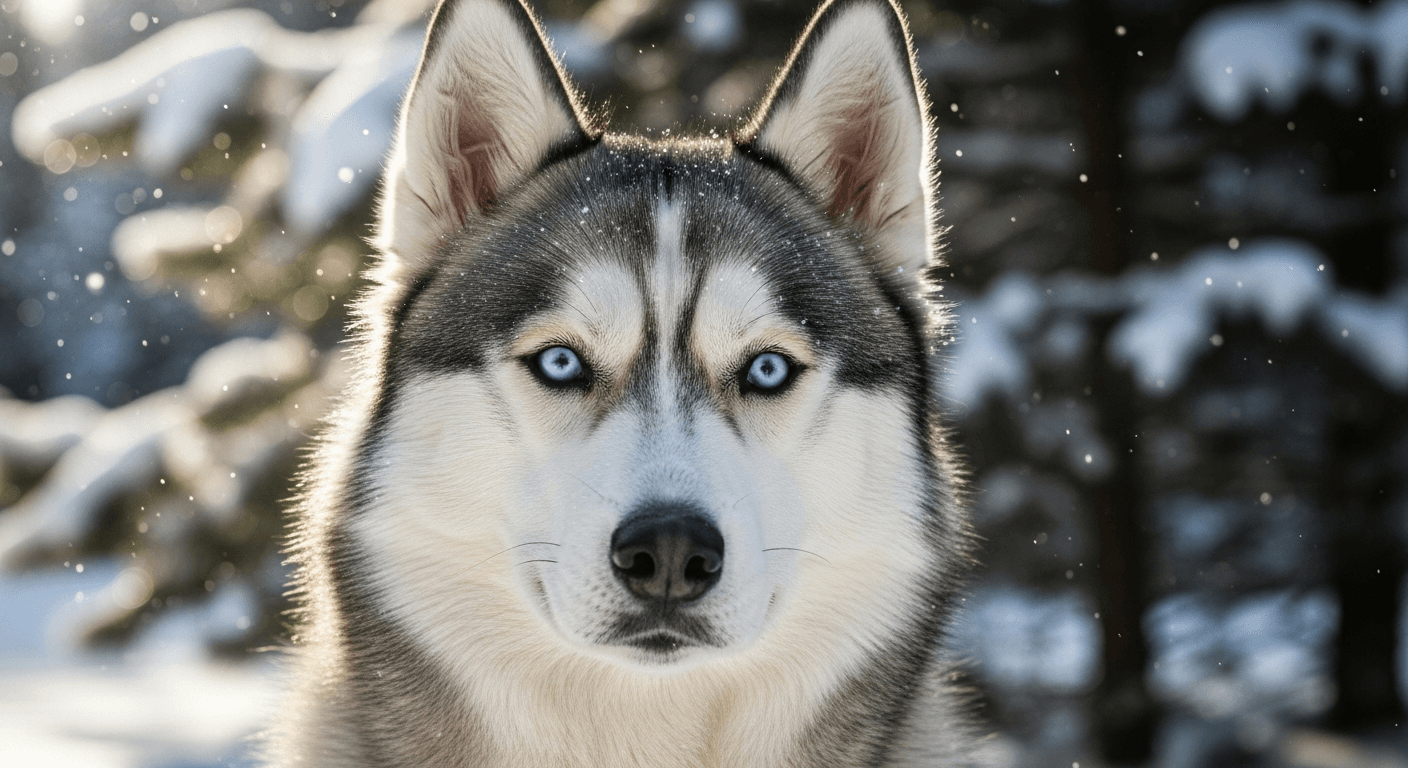
Siberian Husky: The Striking Arctic Sled Dog Built for Adventure
A complete guide to the Siberian Husky — stunning looks, high energy, escape artistry, care needs, health issues, and whether this athletic breed fits your lifestyle.