
Breed Overview
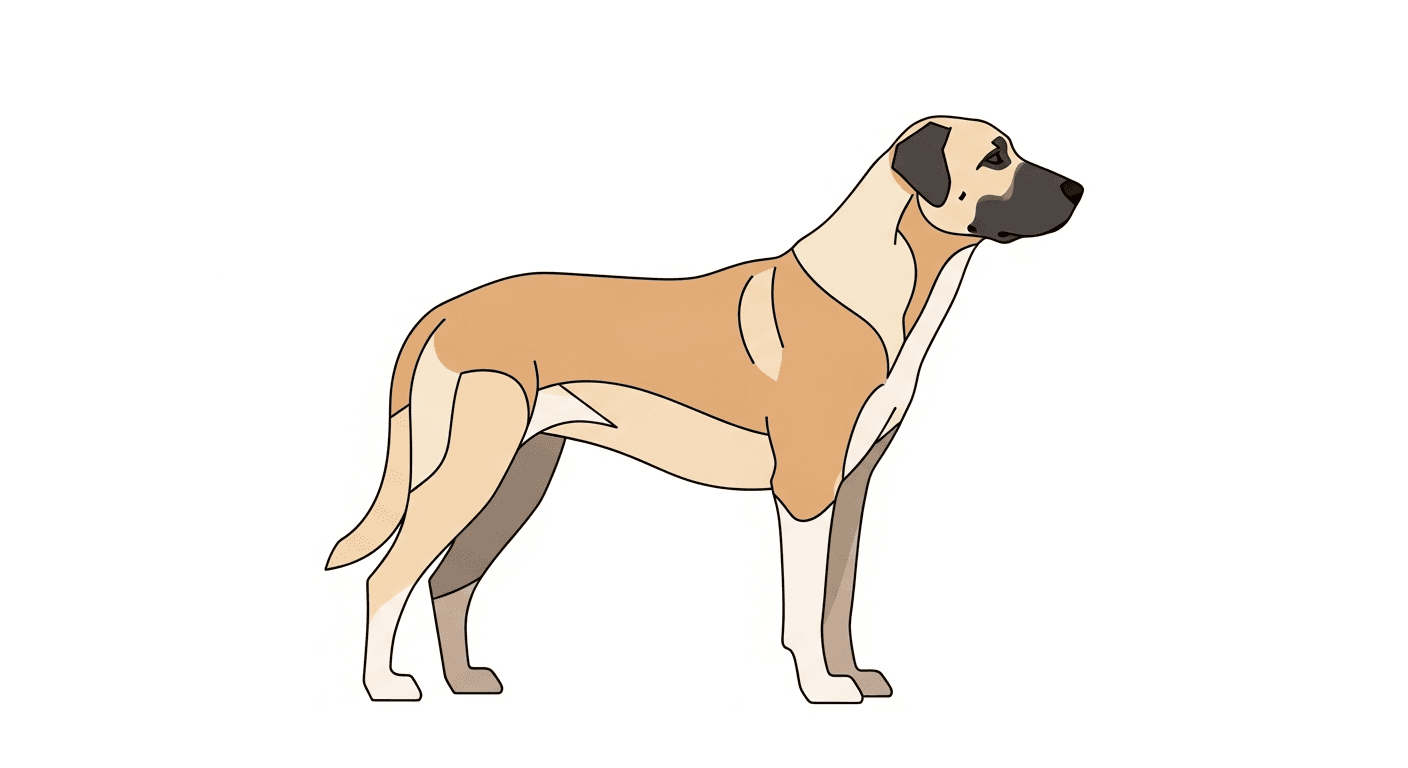
The Kangal — officially recognized as the Kangal Shepherd Dog by the AKC in 2018 — is Turkey's national dog and one of the oldest livestock guardian breeds in existence. For centuries, these dogs have guarded sheep and goat flocks on the central Anatolian plateau against wolves, bears, and jackals. The Kangal is believed to have descended from ancient mastiff-type dogs, possibly depicted in Babylonian art as far back as 600 BC. The breed takes its name from the Kangal district of Sivas Province in central Turkey, where the purest examples of the breed are still maintained by traditional shepherds.
Kangals are large to giant dogs. Males stand 29–32 inches at the shoulder and weigh 110–145 pounds; females are 28–30 inches and 88–120 pounds. Their coat is short to medium length in a pale fawn or tan color, always with a distinctive black mask and black ears. Their heavy, curled tail completes the archetypal livestock guardian silhouette. The Kangal possesses the highest recorded bite force of any domestic dog breed — a fact that underscores the serious responsibility of ownership.
The Kangal is not a dog for the average owner. They are working animals first — dogs whose entire psychology is shaped by the demands of independent predator deterrence over vast open landscapes. Understanding this heritage is essential to understanding the dog.
Temperament and Personality
The Kangal's temperament is the product of thousands of years of selective breeding for one specific purpose: protecting livestock from predators while working independently without human direction:
- Calm and self-assured: A well-bred Kangal is not reactive, excitable, or aggressive without cause. They are dignified, measured, and steady — qualities that allowed them to live calmly with sheep all day while being capable of confronting a wolf without hesitation when needed.
- Deeply protective: Their protective instinct is innate and directed toward their family and their "flock" (which in a domestic setting means their household). They take their guardian role seriously.
- Independent: Livestock guardian dogs are bred to work without human instruction. Kangals do not look to their owner for permission before acting on a perceived threat. This independence is a feature of their working role but creates significant training challenges in a domestic context.
- Gentle with family: Despite their power and protective nature, Kangals are affectionate and gentle with children and family members they have bonded with from puppyhood.
- Naturally suspicious of strangers: Territorial instinct means unfamiliar people approaching their property may be met with a deep, authoritative bark and a measured assessment. Proper socialization is essential to prevent this from becoming problematic aggression.
Care Needs
- Grooming: The Kangal's short to medium double coat sheds moderately year-round and more heavily twice per year. Weekly brushing and occasional bathing are sufficient. Their coat is relatively low-maintenance compared to their size.
- Space: Kangals are not apartment dogs or dogs suited to small yards. They were developed to patrol large areas and need substantial space to move and express their guardian behavior appropriately. A large, securely fenced property is the minimum appropriate living situation.
- Socialization: Extensive, ongoing socialization is critical from puppyhood. A Kangal that has not been well-socialized is a serious liability. They must learn to distinguish between genuine threats and normal social situations (visitors, delivery people, children playing).
- Training: Kangals are intelligent but require experienced, patient, consistent handling. Obedience training is essential but must be approached with respect for the breed's independent nature. Harsh, dominance-based methods backfire seriously with livestock guardian breeds. Positive reinforcement with clear, calm consistency produces the best results.
- Legal considerations: Some countries and jurisdictions restrict or ban large guardian breeds. Check local ordinances before acquiring a Kangal.
Health Risks and Common Conditions
Kangals are one of the healthier large breeds, benefiting from centuries of natural selection in a demanding environment that eliminated poor specimens. Significant hereditary disease has been less introduced than in many show breeds. That said, large-breed conditions apply:
- Hip dysplasia: Common in large breeds. OFA certification of breeding stock reduces risk. Weight management throughout life protects joints.
- Bloat (GDV): As a large, deep-chested breed, Kangals are at risk of this life-threatening emergency. Feed two smaller meals daily, avoid vigorous exercise immediately after eating, and know the signs of GDV (unproductive retching, distended abdomen, restlessness).
- Entropion: Eyelid rolling inward, causing irritation. Seen in some Kangal lines and may require surgical correction.
- Lipomas: Non-cancerous fatty lumps are common in older Kangals. Monitor and report any new masses to your veterinarian.
- Joint problems: Their large body mass stresses joints, particularly as they age. Maintain healthy weight, provide orthopedic bedding, and use joint supplements as they reach middle age.
Regular large-breed wellness exams are important. Track your Kangal's weight, gait, and appetite with the TailRounds Daily Log. For any signs of bloat, act immediately — this is an emergency. For routine care, book a vet appointment at Happy Paws or find a large-breed specialist clinic near you.
Exercise Needs
Kangals need regular but moderate daily exercise. Despite their size, they are not high-energy sprint dogs — they are endurance patrol dogs accustomed to covering large areas slowly. An adult Kangal benefits from:
- Two substantial daily walks or free movement across a large fenced property
- Mental enrichment from patrolling and observing their territory
- Appropriate work (livestock guardianship, property patrol)
Avoid forced high-impact exercise with growing Kangal puppies, whose large-breed joints are vulnerable during the extended growth phase (up to 18–24 months).
Is a Kangal Right for You?
The Kangal is a magnificent, ancient breed suited to a very specific ownership profile: experienced working dog or large-breed owners with substantial property, time for extensive socialization and training, and the resources to care for a large dog with its associated veterinary and logistical costs. On a farm or rural property where livestock need protection, the Kangal is unparalleled. As an urban or suburban family pet owned by someone unprepared for a livestock guardian breed's needs, the Kangal can be a dangerous mistake. Research thoroughly, connect with reputable Kangal breeders or owners, and be completely honest about whether your lifestyle can truly meet this extraordinary breed's needs before bringing one home.
Continue Reading
 🐶 Dog Breeds
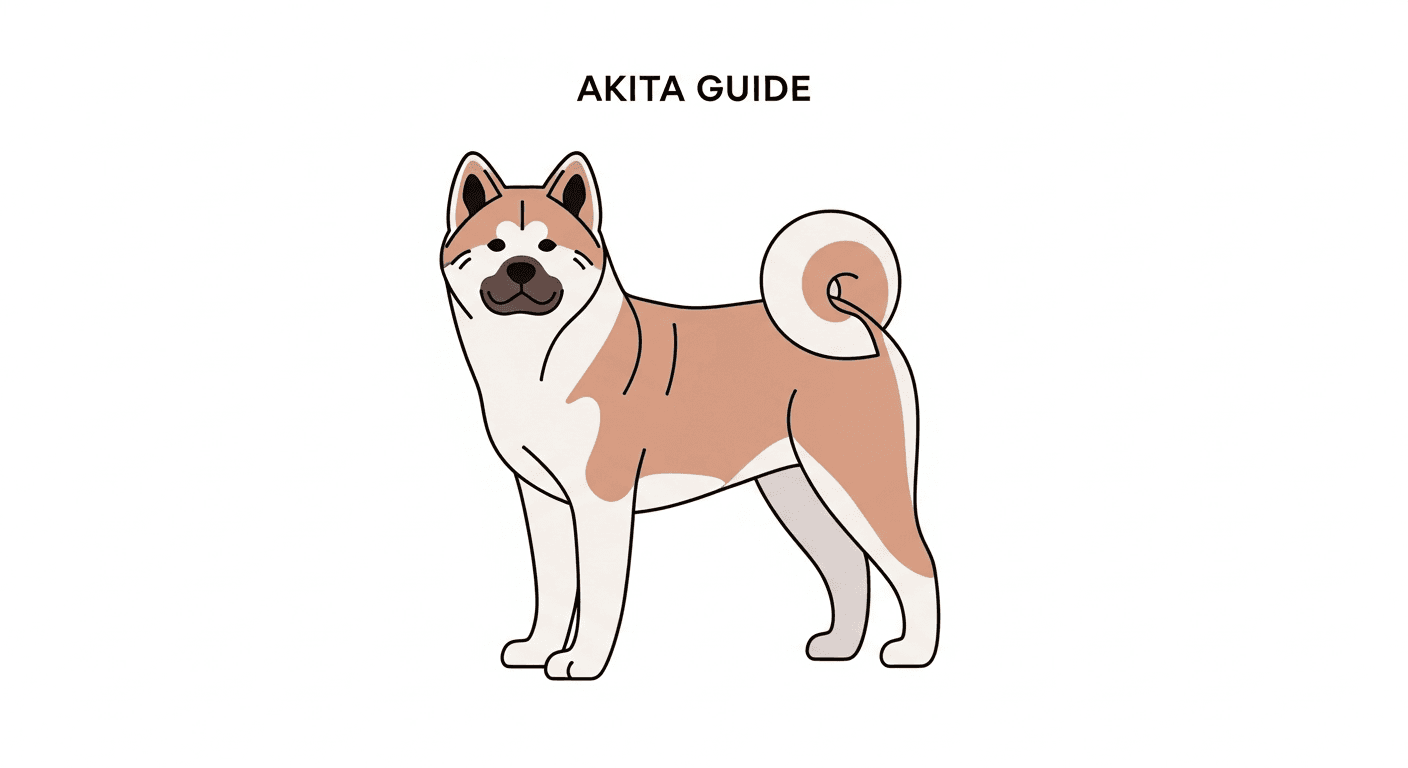
Akita: Japan's Noble and Powerful National Monument
A complete guide to the Akita — Japan's iconic large dog breed. Learn about their independent temperament, loyalty, health risks, training challenges, and ownership requirements.
 🐶 Dog Breeds
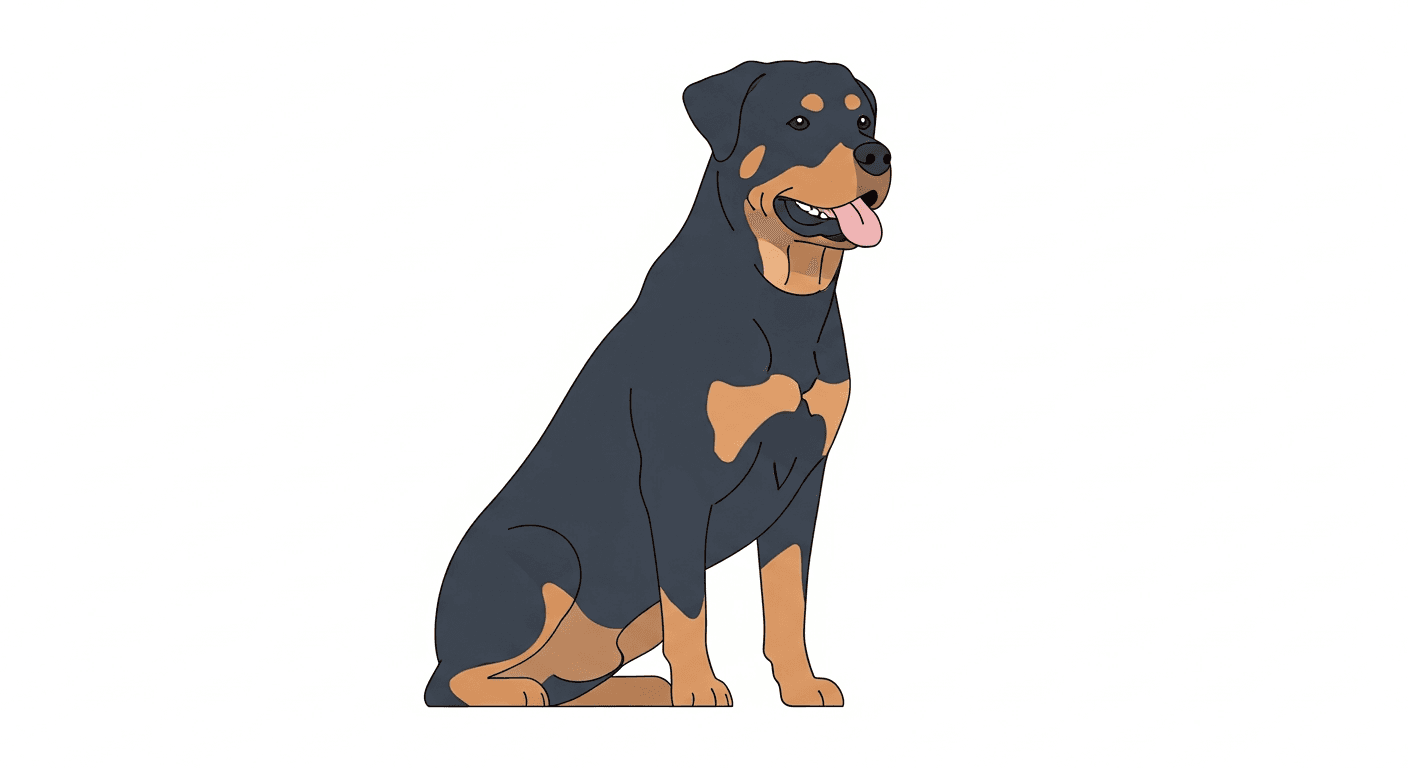
Rottweiler: Power, Loyalty, and What Responsible Ownership Looks Like
A comprehensive guide to the Rottweiler — temperament, training needs, health risks, exercise requirements, and the truth about owning this misunderstood breed.
 🐶 Dog Breeds
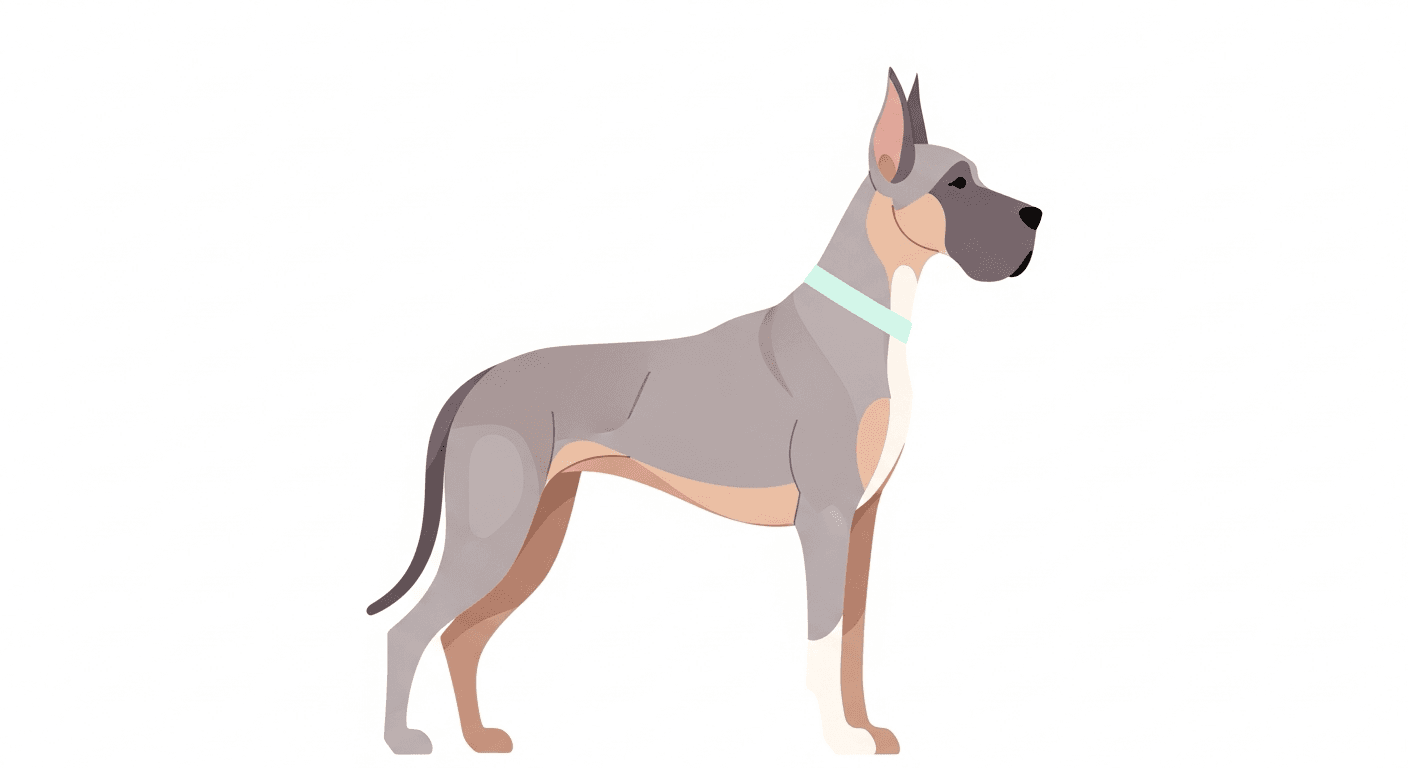
Great Dane: The Gentle Giant — Living With the World's Tallest Dog
A complete guide to the Great Dane — majestic size, gentle temperament, giant breed health challenges, exercise needs, and what owning one of the world's largest dogs actually looks like.