
Breed Overview
The Boxer is a medium-to-large German breed developed in the 19th century from the now-extinct Bullenbeisser (a large hunting dog used to catch bull and bear) crossed with Mastiff-type dogs from England. The modern Boxer was standardized in Munich around the 1890s and brought to the United States after World War I by returning soldiers. They have been consistently popular ever since, combining an athletic build with a joyful, family-oriented personality.
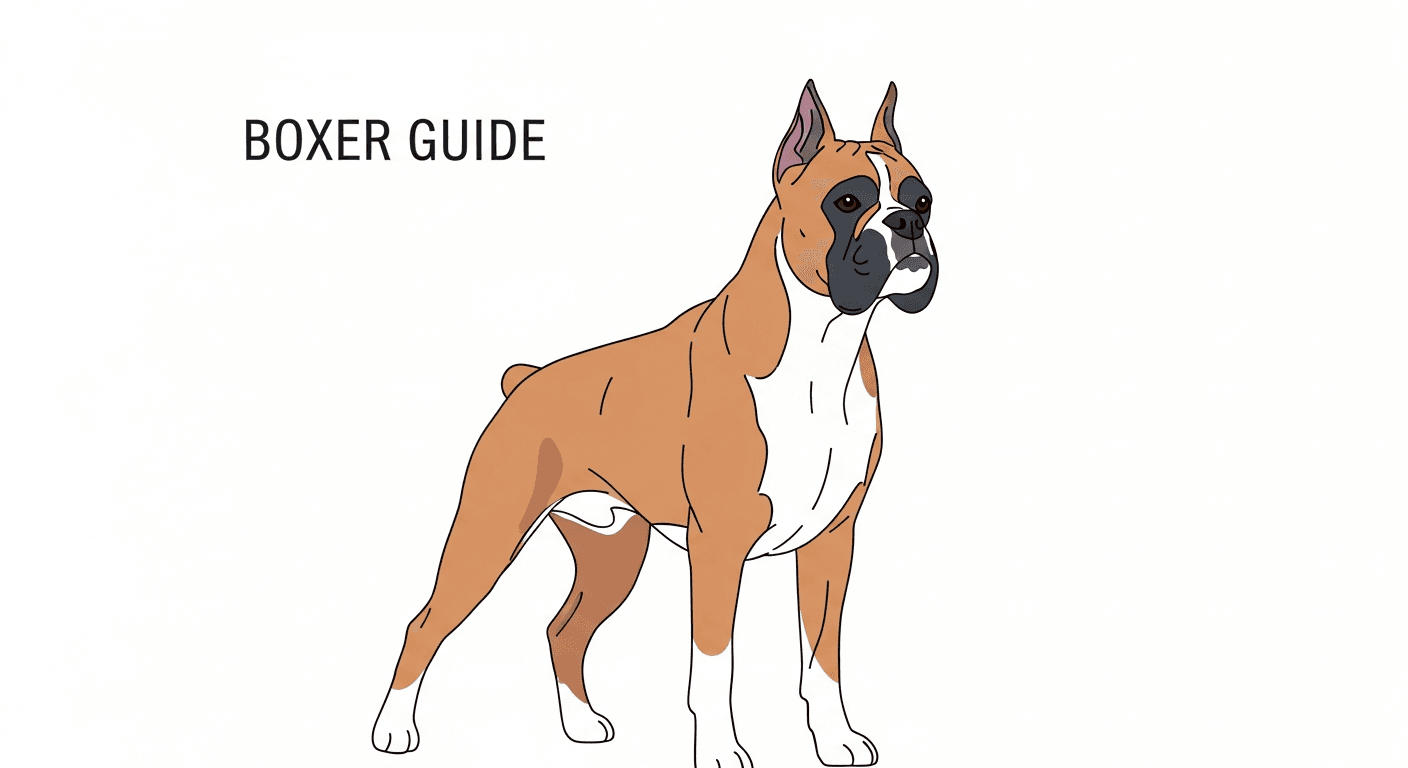
Males stand 23–25 inches and weigh 65–80 pounds. Females are 21.5–23.5 inches and 50–65 pounds. Their most recognizable features are their square, blunt muzzle; undershot bite; prominent jowls; and smooth, tight coat in fawn or brindle, often with white markings. Their expressive faces — capable of displaying joy, curiosity, and determination within seconds of each other — are among the most communicative in the dog world.
Temperament and Personality
The Boxer's defining characteristic is exuberance. They approach life with infectious enthusiasm that endears them to children and adults alike:
- Playful and entertaining: Boxers retain puppylike energy and playfulness into their third or fourth year of life. They love to jump, romp, and "box" with their front paws — a behavior that gave the breed its name.
- Devoted family dog: Boxers are deeply loyal to their families and are particularly wonderful with children, combining playfulness with a surprisingly gentle awareness of smaller family members.
- Alert and protective: They are natural guardians who will alert to strangers and intervene if they perceive a threat to their family, but good Boxers are not aggressive without cause.
- Patient and tolerant: Despite their exuberance, Boxers are patient dogs that handle the chaos of family life remarkably well.
- Clown-like: They have a well-documented silly side and seem to genuinely enjoy making their people laugh.
Care Needs
- Grooming: The Boxer's short, smooth coat is extremely easy to maintain. Weekly rubdown with a rubber grooming mitt and occasional bathing (every six to eight weeks) are sufficient. Their wrinkled face needs wiping with a damp cloth to prevent moisture buildup and infection.
- Training: Boxers are intelligent but can be stubborn and distractible. Positive reinforcement training begun in puppyhood produces the best results. Their jumping habit requires consistent correction from an early age — a jumping adult Boxer can knock down children and elderly adults easily.
- Socialization: Early and extensive socialization is important. Some Boxers develop dog-dog selectivity, particularly with same-sex dogs, without adequate early exposure to other animals.
- Heat sensitivity: Their brachycephalic face limits heat dissipation. Avoid strenuous exercise in hot weather and ensure access to shade and fresh water at all times outdoors.
Health Risks and Common Conditions
Boxers have a number of serious breed-specific health concerns that owners must be aware of:
- Cancer: Boxers have one of the highest cancer rates of any breed, particularly mast cell tumors, lymphoma, and brain tumors. Lumps should always be evaluated by a veterinarian promptly.
- Arrhythmogenic Right Ventricular Cardiomyopathy (ARVC): Also called Boxer cardiomyopathy, this inherited heart disease causes abnormal heart rhythms and can lead to sudden death. Annual Holter monitoring and echocardiograms are recommended from age two.
- Aortic Stenosis: A narrowing of the aortic valve, detectable by cardiac screening.
- BOAS: Their brachycephalic anatomy causes breathing difficulties similar to Bulldogs and French Bulldogs, though generally milder.
- Hip dysplasia: Present in the breed; OFA certification is advisable.
- Hypothyroidism: Common in middle-aged Boxers.
- Degenerative Myelopathy: Progressive spinal cord disease present in some Boxers. DNA testing is available.
Annual cardiac screening is critical for Boxers. Log any episodes of fainting, exercise intolerance, or unusual behavior with the TailRounds Daily Log and book a vet appointment at Happy Paws promptly. Find a clinic offering cardiac screening near you.
Exercise Needs
Adult Boxers need 60–90 minutes of vigorous exercise daily. They are athletic dogs that enjoy:
- Running and jogging in cool conditions
- Fetch and frisbee games
- Agility courses
- Interactive play with family members
- Structured obedience training
Avoid exercise in hot weather. Puppies should not be over-exercised before growth plates close around 18 months.
Is a Boxer Right for You?
Boxers are outstanding family dogs for active households that can provide daily vigorous exercise, consistent training, and proactive health monitoring. Their cardiac and cancer risks mean pet insurance is strongly recommended. If you want a devoted, joyful, and protective family companion who will make you laugh every single day and love your children fiercely, the Boxer is a magnificent choice.
Continue Reading
 🐶 Dog Breeds
English Bulldog: A Complete Guide to the Iconic Wrinkled Companion
Learn about the English Bulldog's gentle temperament, unique care needs, serious health challenges, and what it truly takes to own this beloved breed.
 🐶 Dog Breeds
Rottweiler: Power, Loyalty, and What Responsible Ownership Looks Like
A comprehensive guide to the Rottweiler — temperament, training needs, health risks, exercise requirements, and the truth about owning this misunderstood breed.
 🐶 Dog Breeds
Great Dane: The Gentle Giant — Living With the World's Tallest Dog
A complete guide to the Great Dane — majestic size, gentle temperament, giant breed health challenges, exercise needs, and what owning one of the world's largest dogs actually looks like.