
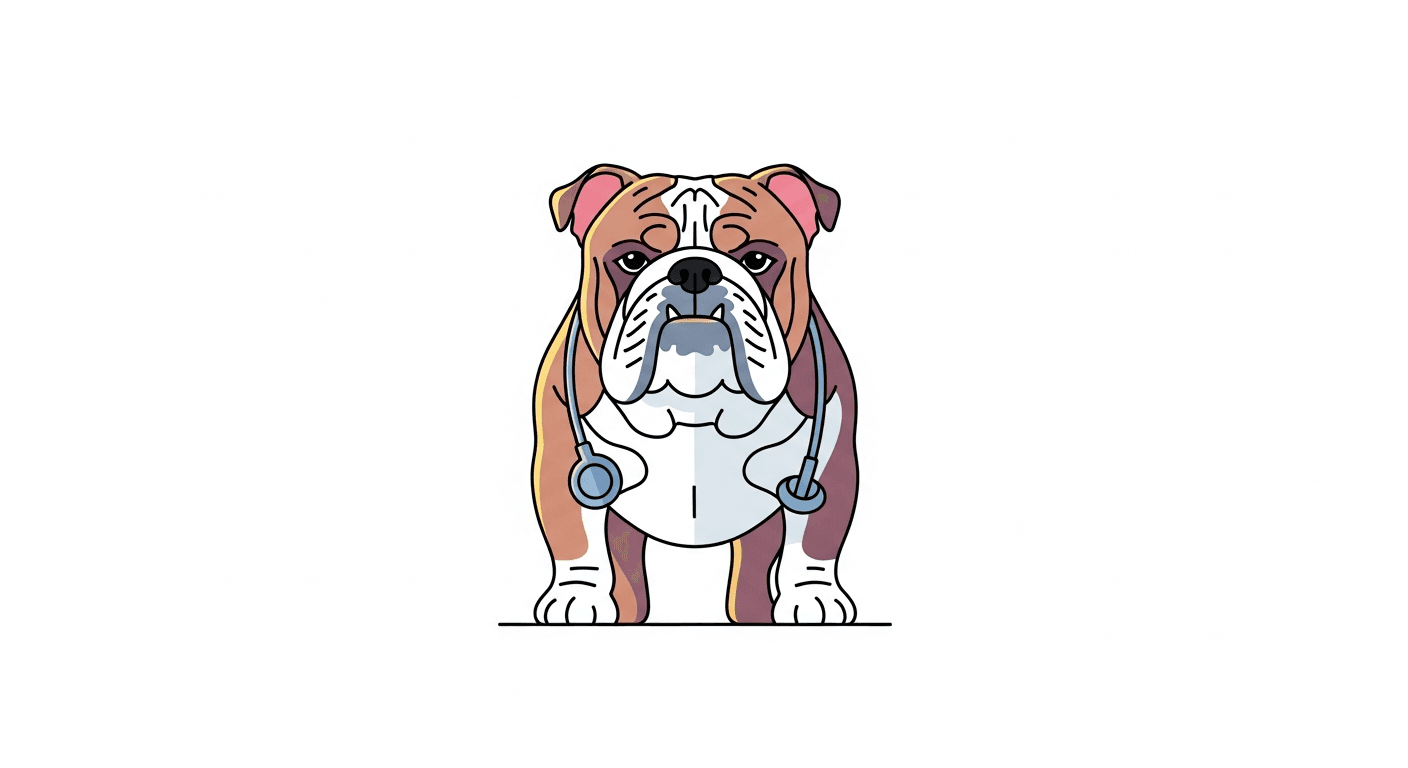
Breed Overview
The English Bulldog — simply called the Bulldog in the United States — is one of the most distinctive and recognizable dog breeds in existence. With its wrinkled face, pushed-in nose, stocky body, and shuffling gait, the Bulldog projects an air of dignified stubbornness that has made it a cultural icon. Historically used in the brutal sport of bull-baiting in medieval England, the breed was transformed after that practice was outlawed in 1835 into the gentle, docile companion we know today through careful selective breeding.
English Bulldogs are medium-sized, low-slung dogs weighing 40–50 pounds. Despite their compact size, they are quite heavy due to their dense, muscular build. Their loose, wrinkled skin, especially around the face and neck, is one of the breed's most defining features. Colors range from red brindle, fawn, white, and piebald to combinations thereof.
Bulldogs are beloved for their comedic personalities and laid-back attitudes. They are outstanding urban pets, requiring far less exercise than most breeds and fitting well into apartment living — provided their significant health needs are understood and addressed.
Temperament and Personality
The English Bulldog is a gentle, dependable, and courageous dog that rarely shows aggression. Their temperament is remarkably different from what their formidable appearance suggests:
- Gentle and predictable: Bulldogs are known for their steady, even-keeled disposition. They are patient with children and tolerant of rough handling.
- Affectionate and loyal: They form strong bonds with their families and enjoy being close to their people, whether that means napping on the couch or following you from room to room.
- Stubborn: The bulldog retains the tenacity of its ancestors. Training requires patience and high-value rewards — they will not comply simply out of eagerness to please.
- Generally friendly: Most Bulldogs get along well with strangers, other dogs, and cats, particularly when well-socialized from puppyhood.
- Low energy: Bulldogs prefer lounging to athletic pursuits. Their exercise requirements are minimal compared to most breeds.
Care Needs
Bulldog care has several non-negotiable components that owners must commit to daily:
- Wrinkle cleaning: The folds of skin on a Bulldog's face trap moisture, food, and debris, creating a perfect environment for bacterial and yeast infections. Clean all skin folds daily with a damp cloth or pet wipe and dry thoroughly. Neglect leads to painful, foul-smelling skin infections.
- Tail pocket: Many Bulldogs have a small indentation (pocket) beneath their screw tail that requires the same daily cleaning to prevent infection.
- Temperature regulation: Bulldogs overheat rapidly. Keep them in air-conditioned environments during warm weather, avoid outdoor activity in heat, and never leave them in a vehicle.
- Nutrition: Feed measured, high-quality meals twice daily. Obesity is dangerous in a breed already struggling to breathe — even a few extra pounds significantly worsens respiratory function.
- Dental care: Their crowded teeth predispose Bulldogs to dental disease. Brush teeth several times per week and schedule professional dental cleanings annually.
Health Risks and Common Conditions
English Bulldogs have one of the highest veterinary cost profiles of any breed. Prospective owners must be financially and emotionally prepared for a dog that will likely require significant medical care throughout its life:
- BOAS (Brachycephalic Obstructive Airway Syndrome): Stenotic nares, elongated soft palate, everted laryngeal saccules, and a hypoplastic trachea all impair airflow. Many Bulldogs require corrective airway surgery to breathe comfortably.
- Hip dysplasia: Common in the breed due to their unusual skeletal structure. Maintain lean body weight and use ramps rather than stairs where possible.
- Skin allergies and infections: Chronic skin issues are prevalent. Food trials, environmental allergy testing, and long-term management are often required.
- Cherry eye: Prolapse of the nictitating membrane gland is common and typically requires surgical correction.
- Dystocia: Bulldog puppies have very large heads relative to the dam's birth canal. Nearly all Bulldog litters are delivered by caesarean section.
- Intervertebral Disc Disease (IVDD): Their compact, modified spinal structure increases disc herniation risk.
- Joint problems: Elbow and shoulder malformations are seen with some frequency.
Enroll your Bulldog in pet insurance from puppyhood before pre-existing conditions are documented. Track daily observations with the TailRounds Daily Log, and book a vet appointment at Happy Paws at the first sign of increased respiratory noise, skin odor, or lethargy. Use our clinic finder to locate a vet experienced with brachycephalic breeds.
Exercise Needs
Bulldogs are one of the lowest-energy breeds. Two short, leisurely walks of 15–20 minutes per day are usually sufficient. Exercise should be:
- Conducted in the cooler hours of the day (early morning or evening)
- Kept at a relaxed pace — never forced running
- Supervised for signs of respiratory distress
- Avoided entirely when temperatures exceed 75°F/24°C outdoors
Is an English Bulldog Right for You?
English Bulldogs are wonderful companions for those seeking a low-energy, affectionate dog that thrives in an apartment or home without extensive exercise. However, they are emphatically not a low-cost or low-maintenance breed in terms of healthcare. The typical Bulldog owner should expect to spend significantly more on veterinary care than the average dog owner. If you are committed to providing excellent medical care, are home enough to offer daily companionship, and can climate-control your living environment appropriately, the Bulldog rewards you with a lifetime of comedic charm and devoted affection.
Continue Reading
 🐶 Dog Breeds
French Bulldog: Complete Guide to This Charming but High-Needs Breed
Everything you need to know about French Bulldogs — personality, care requirements, breathing issues, and whether a Frenchie is the right dog for your lifestyle.
 🐶 Dog Breeds
Boxer: The Loyal, Playful, and Energetic Family Guardian
A complete Boxer breed guide — enthusiastic personality, health risks including cancer and heart disease, exercise requirements, and what makes Boxers extraordinary family dogs.